출생
July 22, 1882
Nyack, United States
별세
May 15, 1967
New York City, United States
알려진 업적
American realist painter and printmaker
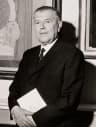
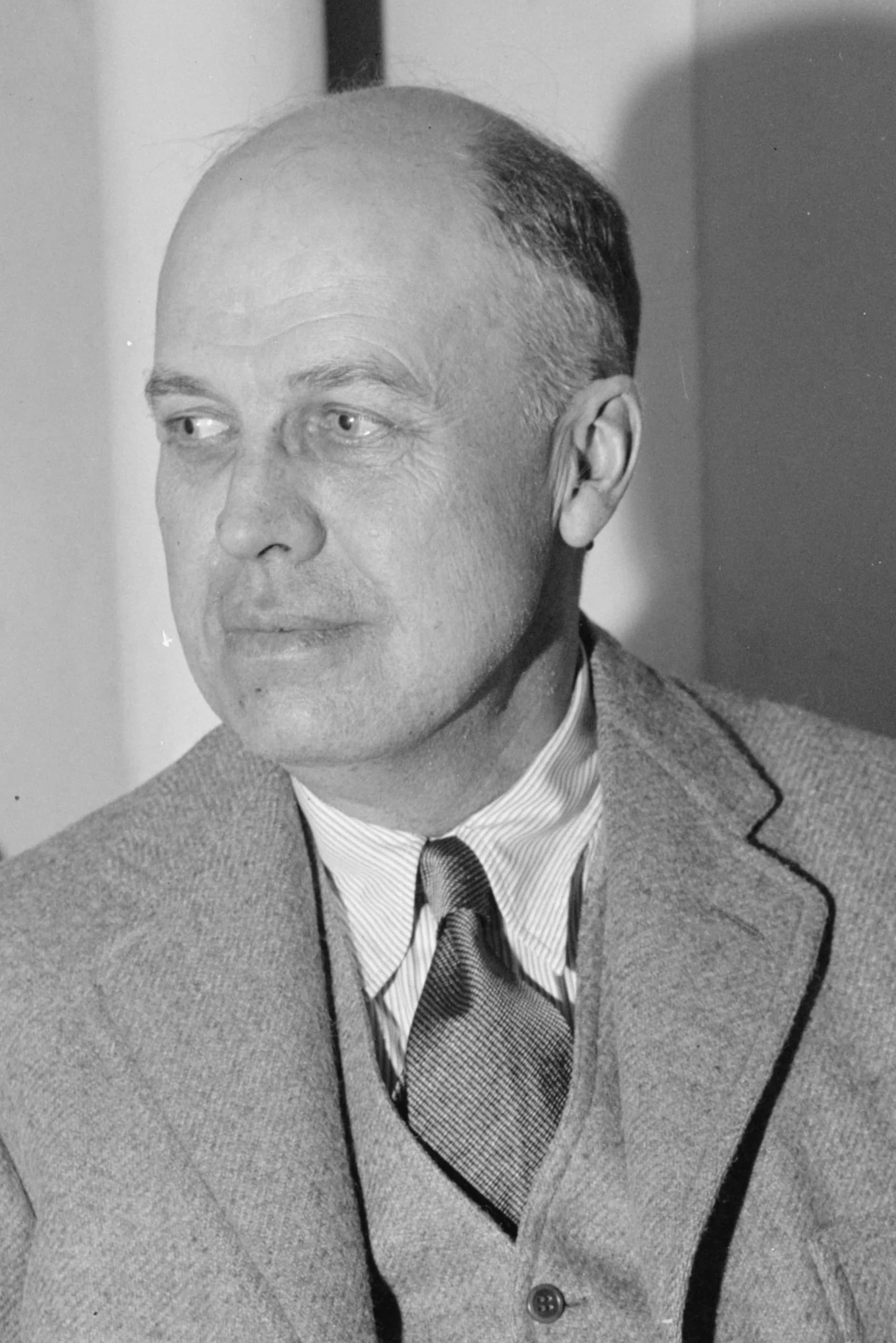
Edward Hopper (1882–1967) was United States best known for American realist painter and printmaker.
Edward Hopper (July 22, 1882 – May 15, 1967) was an American realist painter and printmaker from Nyack, United States. He is celebrated for his profound skill in depicting modern American life and its characteristic landscapes. His iconic vision solidified his place as one of America's most renowned artists.
챕터
삶의 챕터
챕터 1 · 1882· 15장 중 1장
Edward Hopper: A Visionary of American Realism
Edward Hopper, born on July 22, 1882, and passing on May 15, 1967, was a truly distinguished American realist painter and printmaker. He stands as one of America's most renowned artists, celebrated for his exceptional skill in depicting the nuanced realities of modern American life and its characteristic landscapes. Hopper’s body of work offers a poignant visual narrative, reflecting the complexities and quiet grandeur of the 20th-century American experience. His artistry shaped a distinct perspective that continues to influence and captivate audiences globally.
챕터 2 · 1882· 15장 중 2장
Early Life and Formative Years
Hopper's journey began in Nyack, United States, where he was born on July 22, 1882, to a modest family. This tranquil setting on the Hudson River likely instilled in him an early appreciation for specific places and their unique atmospheres. While details of his personal upbringing are not extensively documented, his environment undeniably provided a foundational backdrop for his artistic development. These early years were crucial in shaping the keen observational eye that would define his later realist paintings.
챕터 3· 15장 중 3장
Developing a Craft: Illustrator and Graphic Artist
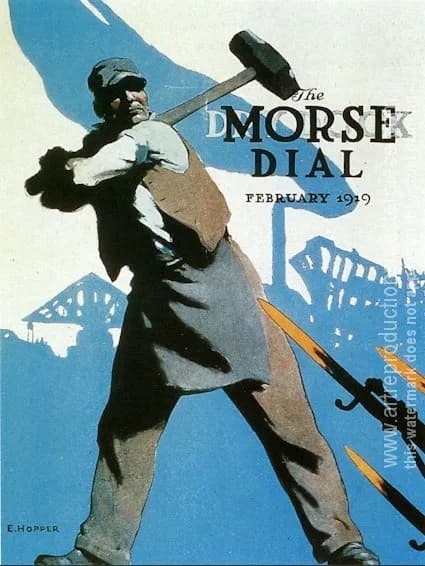
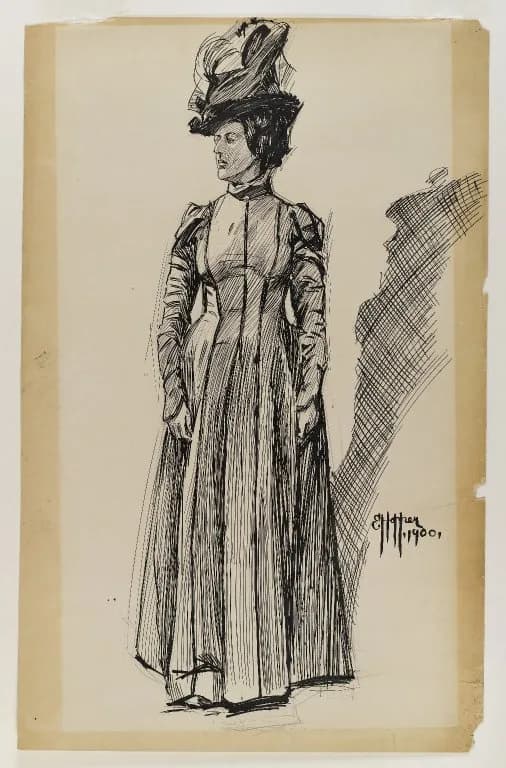
Before achieving fame as a painter, Edward Hopper cultivated his artistic skills through various professions, notably as an illustrator, graphic artist, and draftsperson. These early career paths demanded precision, composition, and a strong sense of narrative, all of which would become hallmarks of his mature painting style. Working in commercial art allowed him to refine his technique and understanding of light and shadow in practical applications. This foundational period was instrumental in building the rigorous technical base required for his distinctive realist approach to fine art.
챕터 4· 15장 중 4장
The Rise of an American Realist
Edward Hopper transitioned from commercial art to establish himself as a dominant figure in American realism. He became widely recognized for his unique ability to portray the often-overlooked moments and scenes of modern American existence. His profound skill lay in transforming ordinary subjects into compelling visual statements, imbued with a sense of quiet drama or profound solitude. This distinctive style positioned him as a leading voice in capturing the authentic spirit of an evolving nation.
챕터 5· 15장 중 5장
Capturing Modern American Life and Landscapes
Hopper's artistic brilliance shone brightest in his ability to capture the very essence of modern American life and its diverse landscapes. His paintings frequently explore themes of urban isolation, the quiet dignity of everyday architecture, and the vast, often lonely, beauty of the American outdoors. Whether depicting cityscapes or coastal scenes, he imbued his subjects with a powerful sense of place and an underlying emotional resonance. This dedication to portraying the contemporary environment made his work deeply relatable and timeless.
챕터 6· 15장 중 6장
Signature Style: Light, Shadow, and Narrative
A defining characteristic of Edward Hopper's work is his masterful use of light and shadow, which he employed to create powerful moods and subtle narratives. His compositions are often stark yet evocative, utilizing architectural forms and human figures to convey a sense of introspection or a moment frozen in time. The interplay of strong light and deep shadows not only adds dramatic effect but also serves to isolate and highlight the emotional state of his subjects or scenes. This meticulous attention to atmosphere and structure is fundamental to the enduring appeal of his art.
챕터 7 · 1928· 15장 중 7장
Treasured Collections: The Metropolitan Museum of Art (Part 1)
Many of Edward Hopper's profound artistic contributions are proudly held within the esteemed collections of the Metropolitan Museum of Art in New York City. Among these significant works is "From Williamsburg Bridge" (1928), which captures a characteristic urban vista with his signature precision and atmosphere. Another compelling piece, "Office in a Small City" (1953), offers a thoughtful exploration of human presence within modern architectural spaces, hinting at themes of quiet observation. These paintings exemplify his keen eye for the evolving urban fabric of America.
챕터 8 · 1930· 15장 중 8장
Treasured Collections: The Metropolitan Museum of Art (Part 2)
The Met's collection further showcases Hopper's versatile thematic range, including "Tables for Ladies" (1930), an evocative depiction of a public interior scene. His enduring fascination with the American coastline is powerfully represented by "The Lighthouse at Two Lights" (1929) and "Coast Guard Station, Two Lights, Maine" (1927). These maritime paintings highlight his ability to render both the stark grandeur and the serene solitude found in nature. Together, these works at the Met provide a comprehensive overview of his mature period.
챕터 9 · 1942· 15장 중 9장
Iconic Masterpiece: Nighthawks at the Art Institute of Chicago
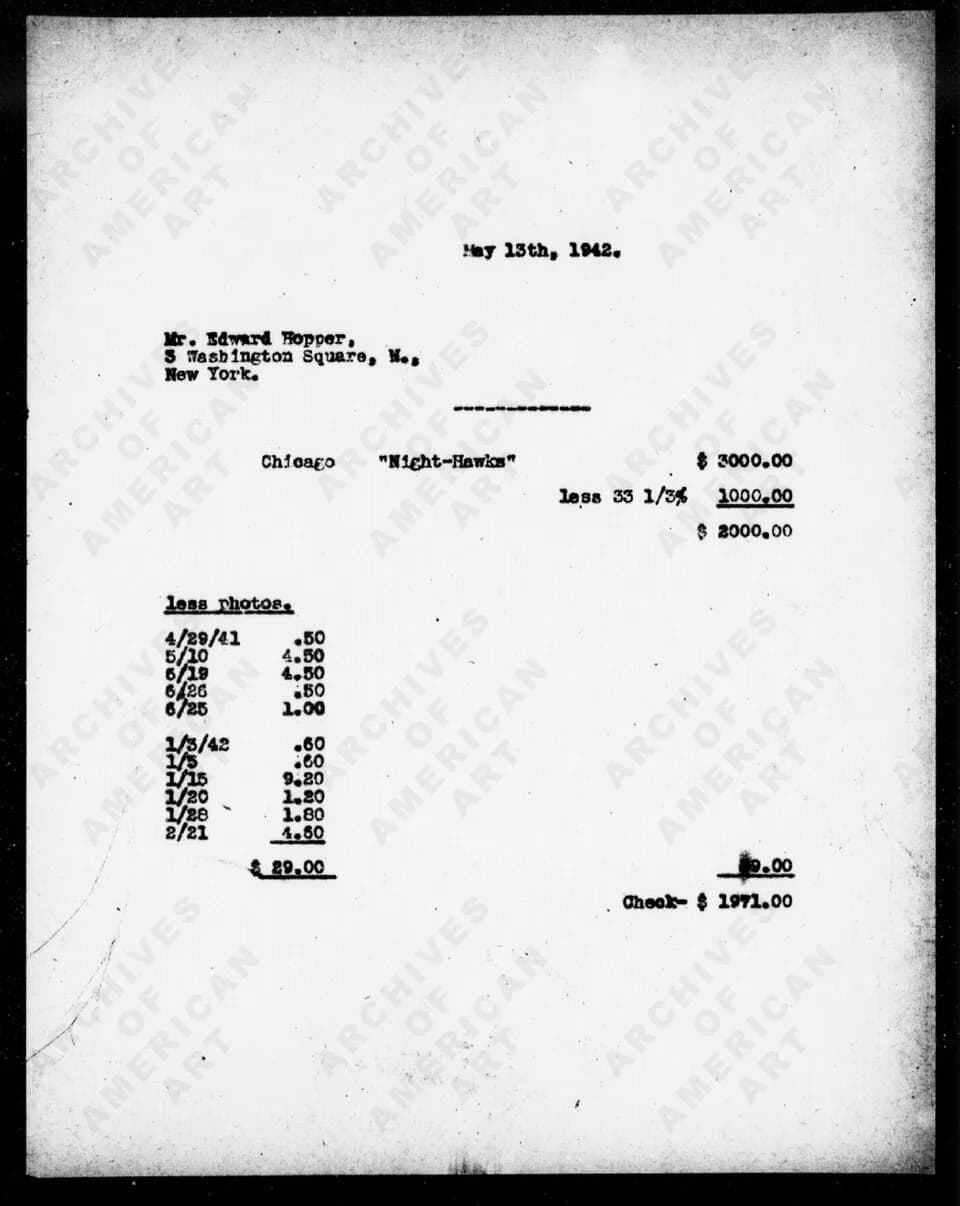
Perhaps Edward Hopper's most globally recognized artwork, "Nighthawks" (1942), is a treasured centerpiece of the Art Institute of Chicago's collection. This iconic painting profoundly captures a moment of urban solitude, with its distinctively lit diner and isolated figures under the cool night sky. "Nighthawks" has transcended its original context to become a powerful symbol of modern alienation and the human condition in the bustling city. Its enduring imagery continues to resonate deeply within popular culture and critical discourse alike.
챕터 10 · 1925· 15장 중 10장
Diverse Expressions: The Art Institute of Chicago (Part 1)
Beyond "Nighthawks," the Art Institute of Chicago holds an extensive array of Hopper's works, revealing his consistent engagement with varied subjects. Paintings such as "Interior" (1925) and "East Side Interior" (1922) delve into the quiet intimacy of domestic spaces, often suggesting unseen narratives. His ability to capture architectural character is evident in "Gloucester Mansions" (1923), depicting specific buildings with a unique sense of presence. These pieces demonstrate his broad observational capacity within diverse settings.
챕터 11 · 1918· 15장 중 11장
Diverse Expressions: The Art Institute of Chicago (Part 2)
The Art Institute of Chicago further showcases Hopper's breadth, including the atmospheric "Night on the El Train" (1918) and the striking "The Evening Wind" (1921), both conveying specific urban moods. Early works like "Streetwalker" (1906/07) and "A Corner" (1919) reveal his formative explorations of human figures in public spaces. Pieces such as "Night Shadows" (1921) and "American Landscape" (1920) illustrate his consistent thematic interests in the American scene across different mediums. This collection truly spans several significant periods of his artistic output.
챕터 12· 15장 중 12장
The Printmaker's Precision
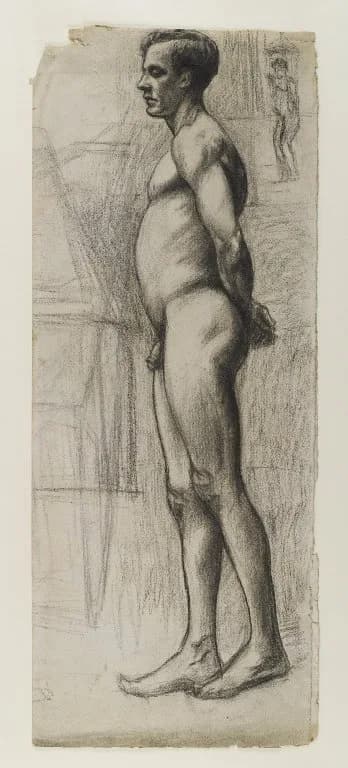
While primarily known for his paintings, Edward Hopper's background as a printmaker was fundamental to his artistic discipline and execution. His training as a graphic artist and draftsperson instilled in him a meticulous precision and a strong sense of compositional structure. This rigorous approach to line, form, and contrast is distinctly visible in the crispness and clarity of his painted works. The printmaking sensibility provided a crucial foundation for the bold and often stark visual statements that characterize his realism.
챕터 13 · 1953· 15장 중 13장
Later Years and Enduring Dedication
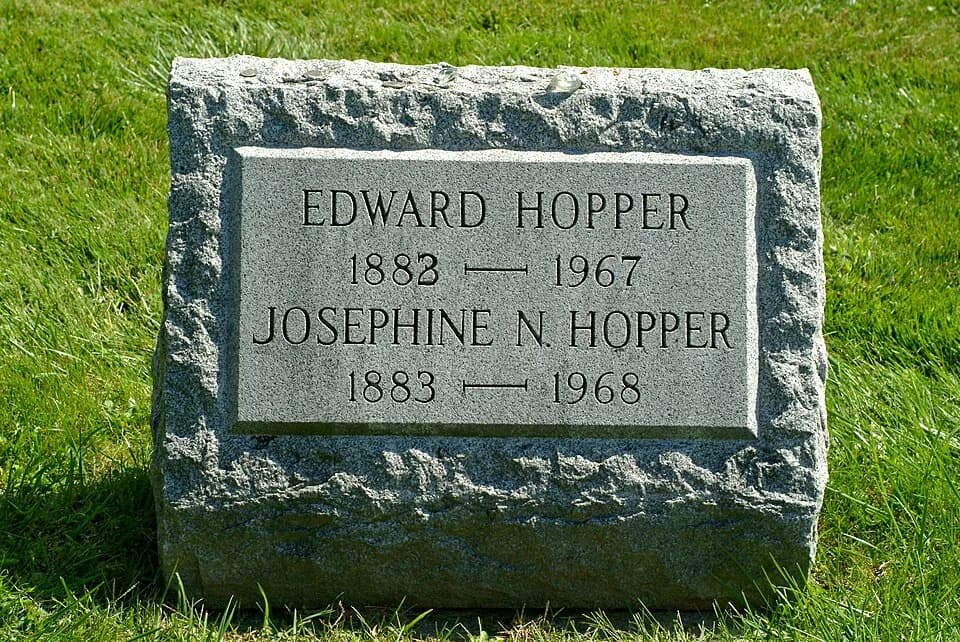
Edward Hopper remained deeply committed to his artistic practice throughout his life, continuing to produce significant works well into his later years. Paintings such as "Office in a Small City" (1953) attest to his sustained creative output and his unwavering dedication to his distinctive vision. He passed away in New York City, United States, on May 15, 1967, at the age of 84. His prolific career concluded, but his extensive body of work secured his lasting place in art history.
챕터 14· 15장 중 14장
A Lasting Legacy in American Art
Edward Hopper's legacy as an artist is profoundly rooted in his unique contribution to American realism, cementing his status as one of the nation's most revered painters. His distinct ability to convey mood, narrative, and the quiet dignity of ordinary life continues to influence generations of artists. Hopper's vision provided an invaluable mirror to 20th-century American society, offering timeless reflections on human experience. His work remains a cornerstone of American art education and appreciation.
챕터 15· 15장 중 15장
Enduring Cultural Resonance
The enduring appeal of Edward Hopper's art extends far beyond the canvas, resonating deeply within cultural consciousness. His iconic images, particularly "Nighthawks," have permeated popular culture, inspiring films, literature, and other artistic expressions. Hopper's capacity to evoke powerful emotion through seemingly simple scenes ensures his continued study and widespread appreciation by contemporary audiences. His work stands as a testament to the power of observation and quiet storytelling in art.
순간 속의 삶
한 삶을 빚어낸 순간들

FAQ
자주 묻는 질문
Edward Hopper은(는) 언제 사망했습니까?
Edward Hopper은(는) 1967년 5월 15일 New York City, United States에서 사망했습니다 (향년 84세).
Edward Hopper은(는) 어디에서 태어났습니까?
Edward Hopper은(는) Nyack, United States에서 1882년 7월 22일에 태어났습니다.
Edward Hopper은(는) 무엇으로 가장 잘 알려져 있습니까?
Edward Hopper은(는) American realist painter and printmaker(으)로 가장 잘 알려져 있습니다.
Edward Hopper은(는) 사망 당시 몇 살이었습니까?
Edward Hopper은(는) 사망 당시 84세였습니다.
Edward Hopper의 국적은 무엇이었습니까?
Edward Hopper은(는) United States 출신이었습니다.
연표
한눈에 보는 삶
- 1882
Edward Hopper: A Visionary of American Realism
- 1882
Early Life and Formative Years
- 1928
Treasured Collections: The Metropolitan Museum of Art (Part 1)
- 1930
Treasured Collections: The Metropolitan Museum of Art (Part 2)
- 1942
Iconic Masterpiece: Nighthawks at the Art Institute of Chicago
- 1925
Diverse Expressions: The Art Institute of Chicago (Part 1)
- 1918
Diverse Expressions: The Art Institute of Chicago (Part 2)
- 1953
Later Years and Enduring Dedication
사진 갤러리
사진으로 보는 삶
폴라로이드를 클릭하여 확대 · 사진 25장
QR 코드
이 전기 공유
인쇄 및 공유
스캔하여 이 전기 페이지를 방문하세요. 행사, 전시회, 교육 자료에 인쇄해 사용하실 수 있습니다.