출생
December 1, 1617
Seville, Spain
별세
April 3, 1682
Seville, Spain
알려진 업적
Spanish Baroque painter
Bartolomé Esteban Murillo (1617–1682) was Spain best known for Spanish Baroque painter.
Bartolomé Esteban Murillo (December 1, 1617 – April 3, 1682) was a Spanish Baroque painter from Seville, Spain. He is celebrated for his religious art and his realistic depictions of contemporary life. His extensive body of work offers a valuable record of 17th-century Spanish society.
순간 속의 삶
한 삶을 빚어낸 순간들
챕터
삶의 챕터
챕터 1 · 1617· 7장 중 1장
Early Life and Origins
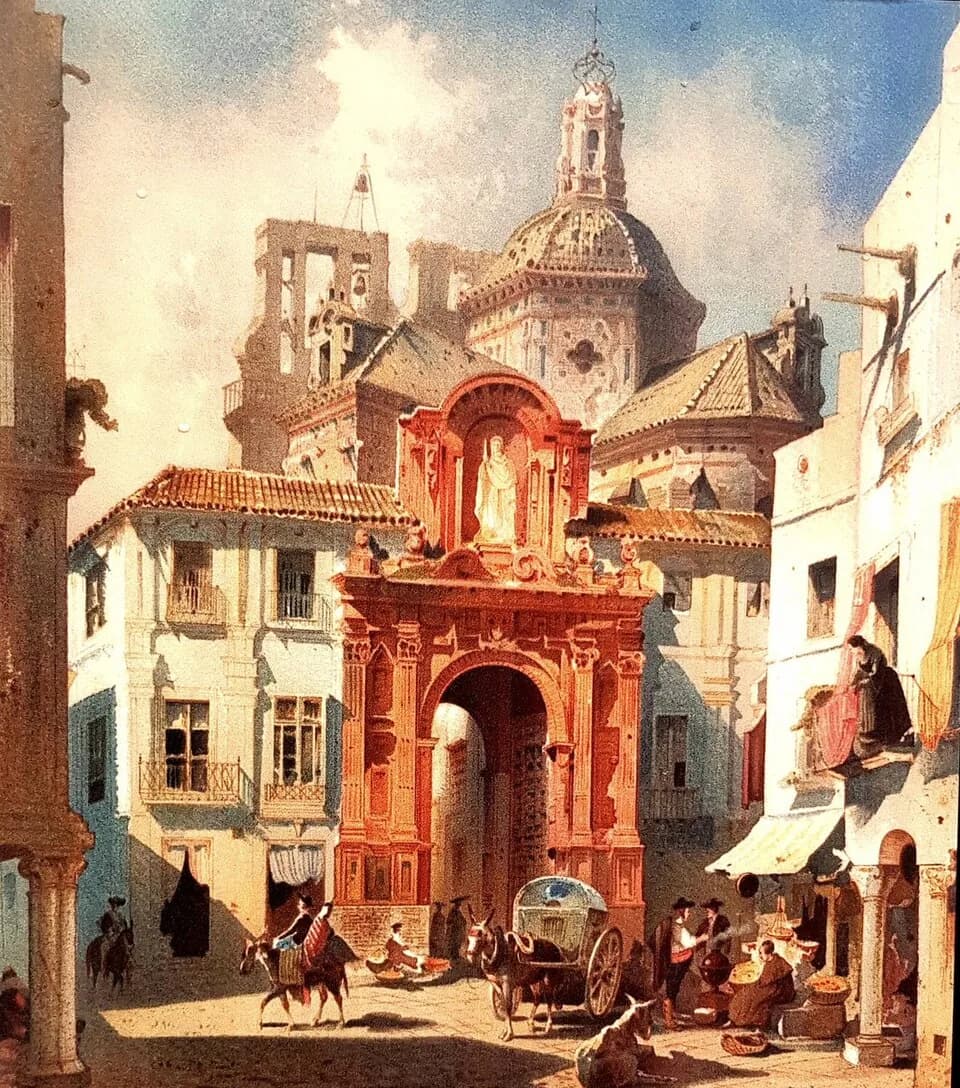
Born in Seville, Spain, on the first day of December in 1617, Bartolomé Esteban Murillo spent his entire life rooted in his birth city. Seville, a significant artistic and cultural center, was a bustling port at the time. This environment undoubtedly played a role in shaping his artistic sensibilities from an early age.
챕터 2· 7장 중 2장
Career Beginnings and Evolution
Murillo's path as a painter began and flourished within the artistic circles of Seville. While specific details of his initial training are not extensively documented in the provided information, his subsequent mastery quickly established him as a leading figure in the Spanish Baroque movement. He developed a style characterized by its warmth, rich color, and often a soft, luminous quality.
Throughout his career, Murillo's artistic focus evolved, allowing him to excel in diverse subjects. Although he became most renowned for his religious compositions, the breadth of his talent extended to capturing secular scenes with equal skill and empathy. This versatility allowed his work to resonate with a wide audience.
챕터 3· 7장 중 3장
Major Achievements and Career Highlights
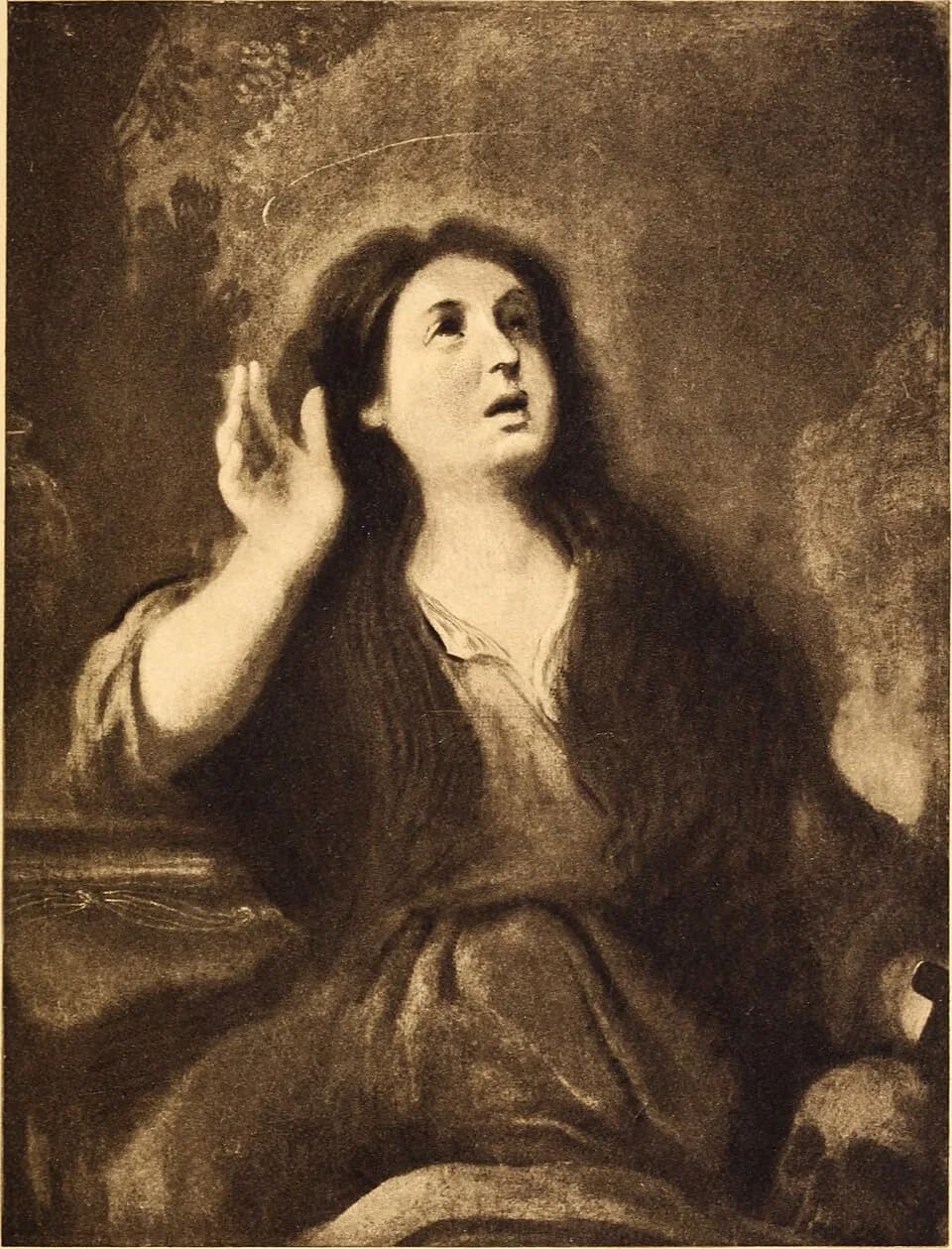
Murillo's religious works are considered cornerstones of his artistic output, often depicting Marian subjects and scenes from the lives of saints with a unique blend of piety and naturalism. These paintings brought him significant acclaim and commissions, cementing his reputation across Spain and beyond. His ability to convey deep emotion and spiritual grace made his sacred art particularly impactful.
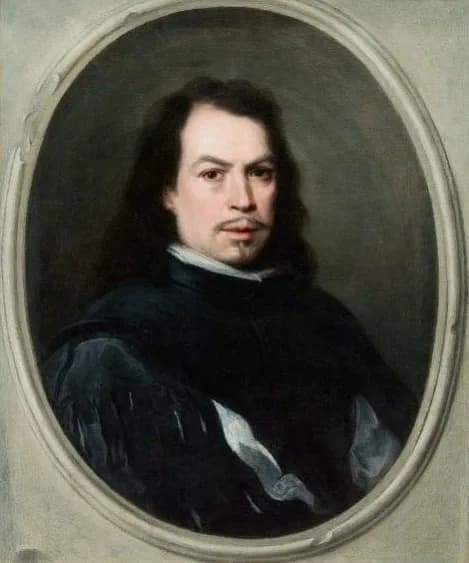
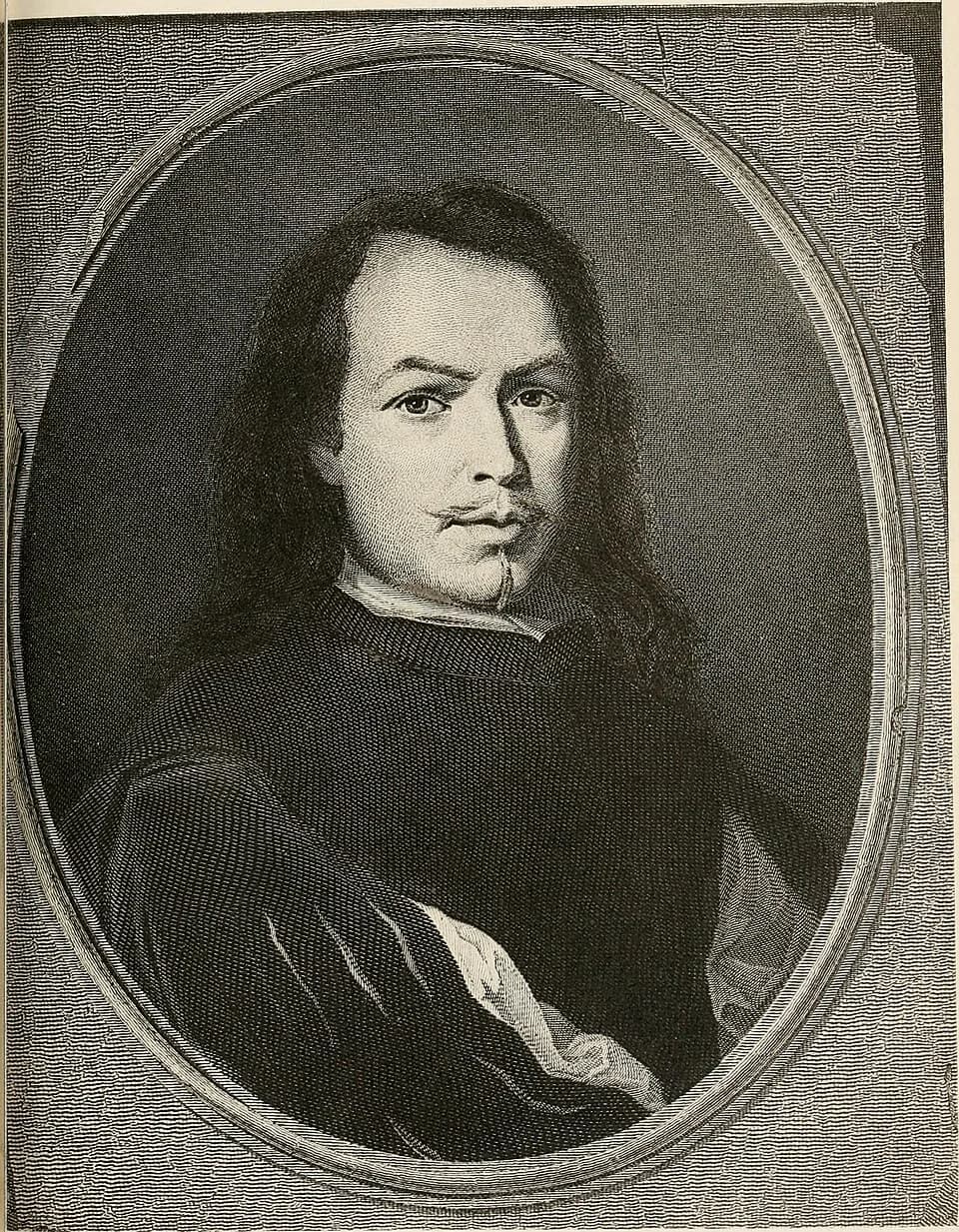
A notable highlight in Murillo's posthumous recognition occurred in 2017–18 when the Frick Collection and London's National Gallery co-hosted an exhibition. This special event showcased his two known self-portraits, one depicting him in his thirties from the Frick Collection, and another painted approximately two decades later from the National Gallery. The exhibition celebrated his legacy as a portraitist and his direct engagement with self-representation.
챕터 4· 7장 중 4장
Personal Life
While details of Bartolomé Esteban Murillo’s personal life beyond his artistic endeavors are limited in the provided information, his self-portraits offer a unique personal insight. The existence of these two distinct self-portraits, painted decades apart, suggests a reflective engagement with his own image and artistic identity. These works serve as rare direct glimpses into the artist himself, rather than his subjects.
챕터 5 · 1675· 7장 중 5장
Notable Works and Contributions
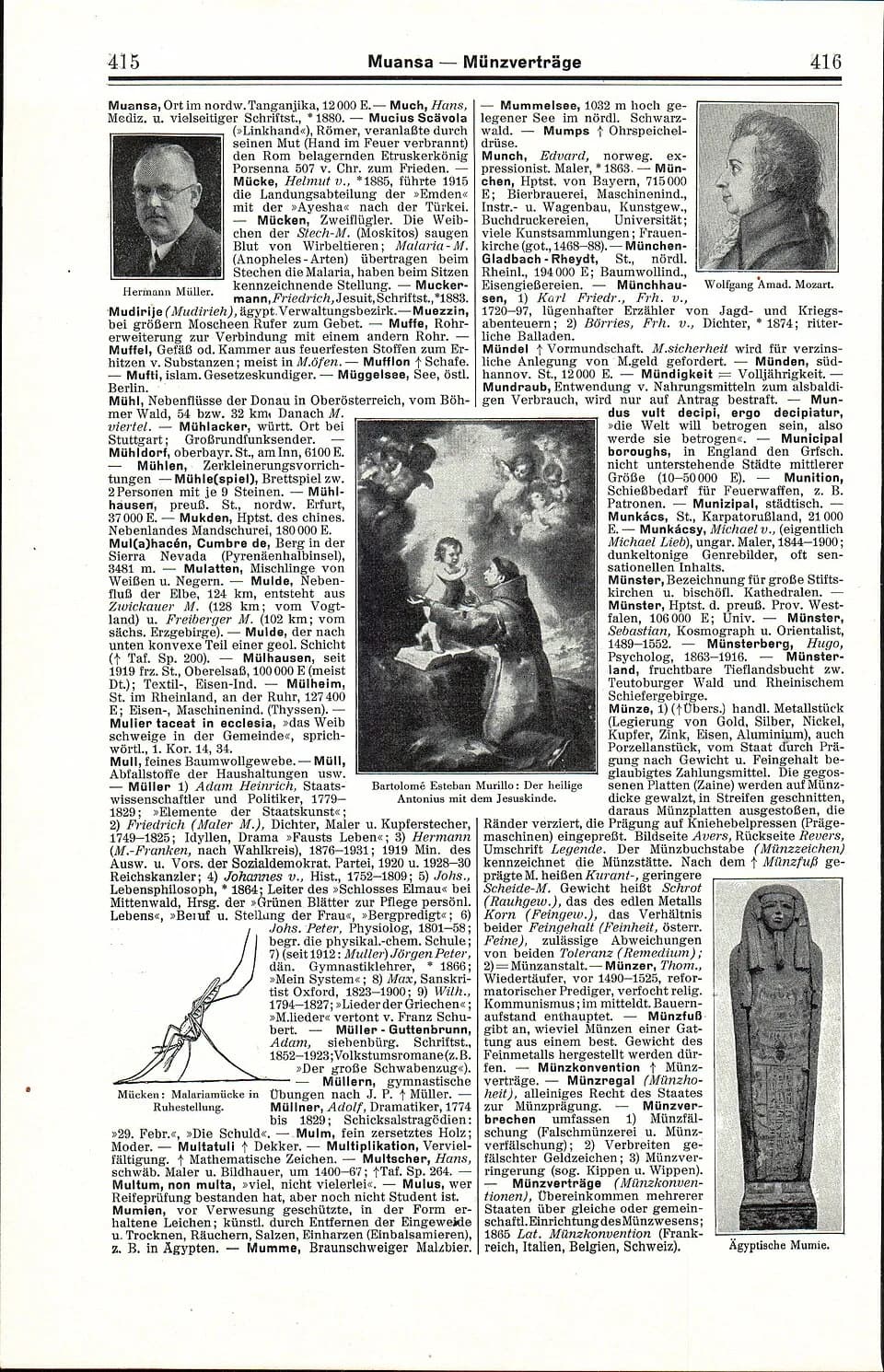
Bartolomé Esteban Murillo's body of work includes numerous masterpieces housed in prestigious collections worldwide. Among his celebrated religious paintings is "Virgin and Child," dating from the 1670s, which resides in the Metropolitan Museum of Art. The Met also holds his powerful "The Crucifixion," from around 1675, demonstrating his profound ability to depict intense spiritual moments.
His skill in portraiture is evident in works like "A Knight of Alcántara or Calatrava" (ca. 1650–55) and "Don Andrés de Andrade y la Cal" (ca. 1665–72), both found at the Metropolitan Museum of Art. These paintings highlight his capacity to capture individual character and status with precision. The Metropolitan Museum of Art additionally features his "The Infant St. John the Baptist," reflecting his tender approach to youthful subjects.
The Art Institute of Chicago houses a significant collection of Murillo's art, further illustrating his artistic range. "Ecce Agnus Dei," from approximately 1655, is part of their holdings, alongside devotional pieces such as "Female Saint Holding Skull" and "Saint Joseph and the Sleeping Christ Child" (1670/75). The Institute also features "Saint Anthony of Padua" and "Saint Francis Praying," underscoring his contribution to religious iconography.
His representations of everyday life and studies are also well-represented, including "Head of an Old Man" and "Child's Head, Looking Upward" (17th century) at the Art Institute of Chicago. Other works there include "Virgin Mary with the Christ Child in the Clouds" (17th century) and "St. John the Baptist," alongside "The Holy Family, also called The Large Holy Family." These diverse examples confirm his comprehensive visual documentation of both sacred and secular themes.
챕터 6 · 1682· 7장 중 6장
Later Years and Passing
Bartolomé Esteban Murillo continued his artistic endeavors throughout his life, enriching the artistic heritage of Spain until his passing. He died in his beloved birth city of Seville on April 3, 1682, at the age of 64. His death marked the end of an era for Spanish Baroque painting, leaving behind a substantial artistic legacy.
챕터 7· 7장 중 7장
Legacy and Impact
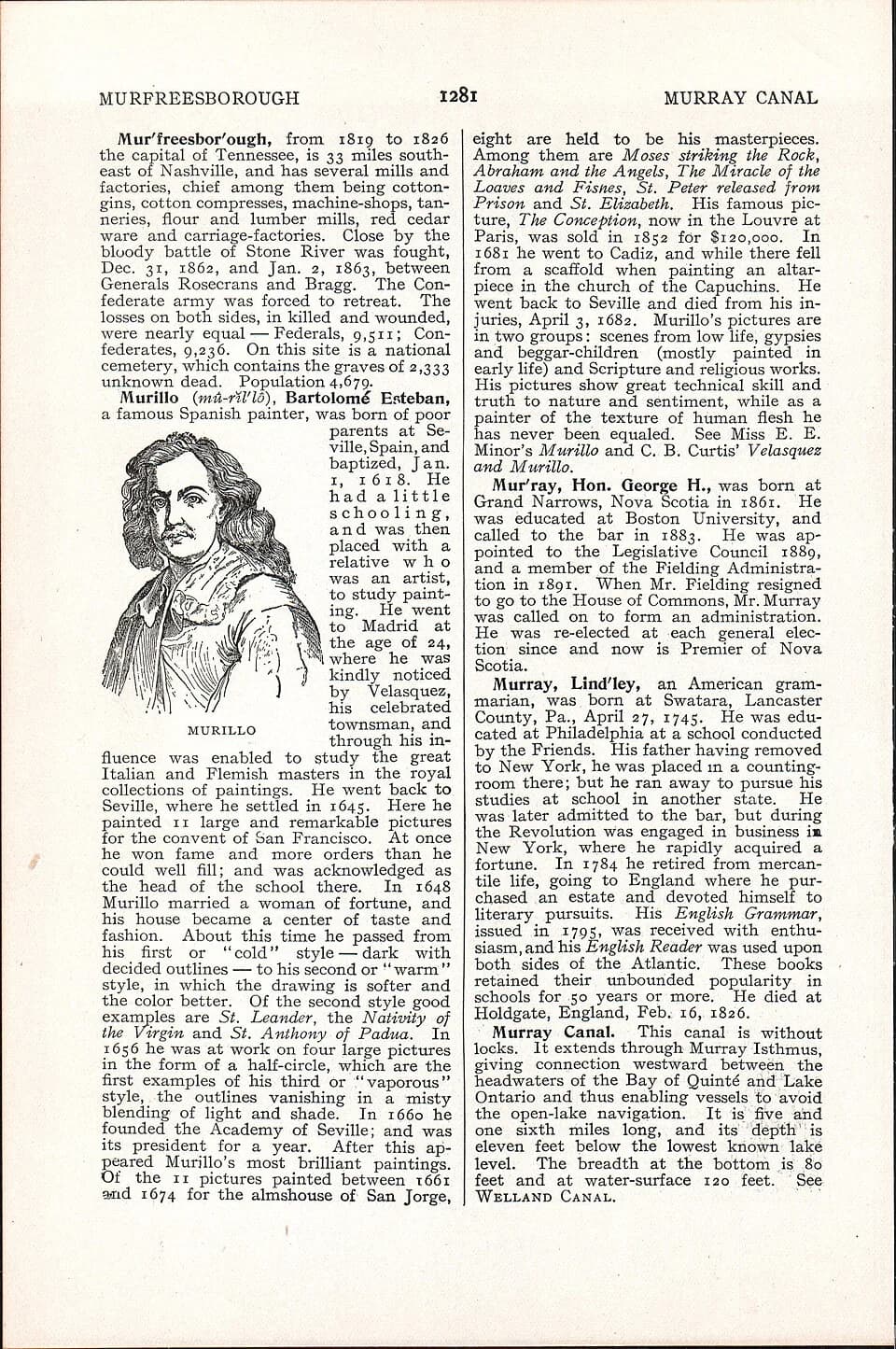
Murillo's lasting impact stems from his mastery in blending the spiritual with the human, making religious narratives accessible and relatable. His realistic portrayals of contemporary women and children, depicting everything from flower girls to beggars, cemented his place not only as a great artist but also as a social documentarian. These genre paintings remain a vital source for understanding 17th-century Spanish life.
His ability to capture both the ethereal beauty of divine figures and the gritty reality of street life ensures his continued relevance and admiration. Murillo's works are celebrated in major museums globally, confirming his position as one of the most significant painters of the Spanish Golden Age. His art continues to inspire and inform audiences about the cultural and religious aspects of his time.
FAQ
자주 묻는 질문
Bartolomé Esteban Murillo은(는) 언제 사망했습니까?
Bartolomé Esteban Murillo은(는) 1682년 4월 3일 Seville, Spain에서 사망했습니다 (향년 64세).
Bartolomé Esteban Murillo은(는) 어디에서 태어났습니까?
Bartolomé Esteban Murillo은(는) Seville, Spain에서 1617년 12월 1일에 태어났습니다.
Bartolomé Esteban Murillo은(는) 무엇으로 가장 잘 알려져 있습니까?
Bartolomé Esteban Murillo은(는) Spanish Baroque painter(으)로 가장 잘 알려져 있습니다.
Bartolomé Esteban Murillo은(는) 사망 당시 몇 살이었습니까?
Bartolomé Esteban Murillo은(는) 사망 당시 64세였습니다.
Bartolomé Esteban Murillo의 국적은 무엇이었습니까?
Bartolomé Esteban Murillo은(는) Spain 출신이었습니다.
연표
한눈에 보는 삶
사진 갤러리
사진으로 보는 삶
폴라로이드를 클릭하여 확대 · 사진 50장
QR 코드
이 전기 공유
인쇄 및 공유
스캔하여 이 전기 페이지를 방문하세요. 행사, 전시회, 교육 자료에 인쇄해 사용하실 수 있습니다.