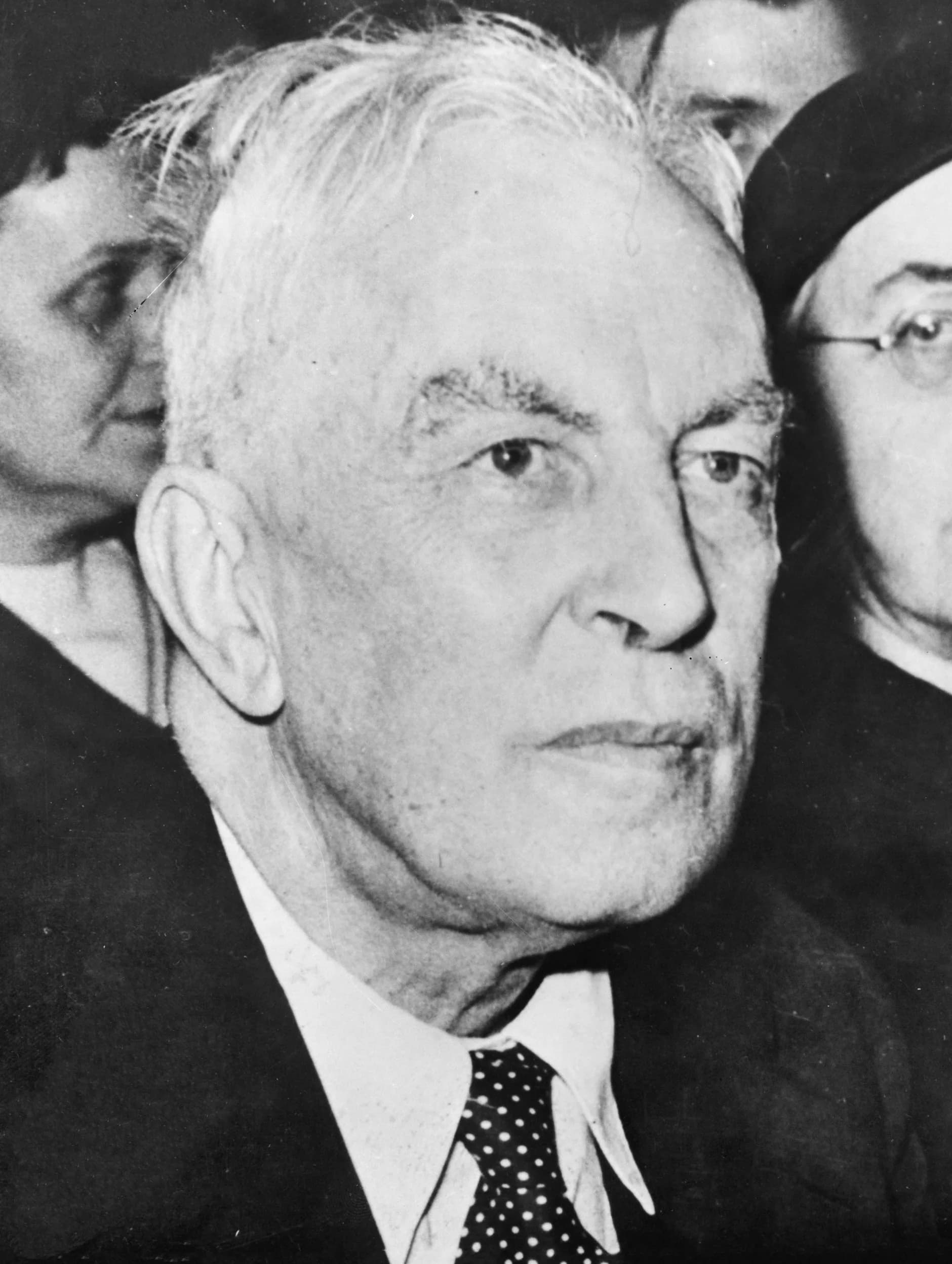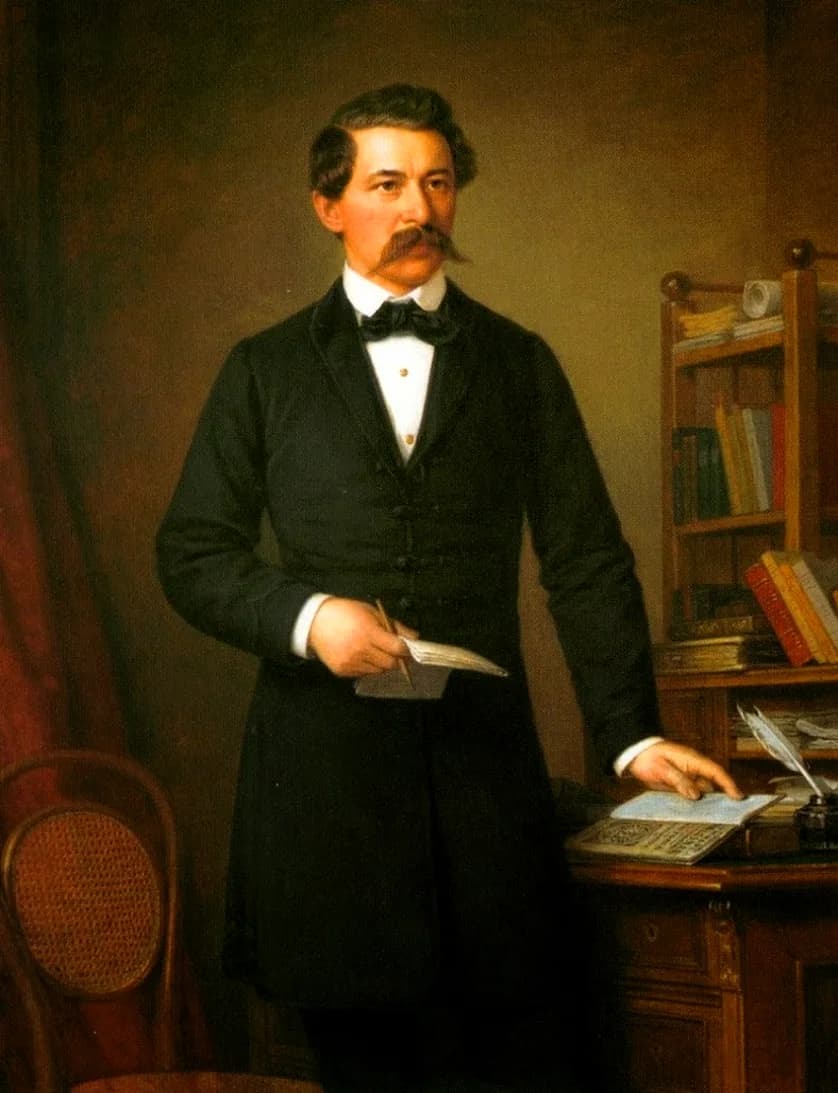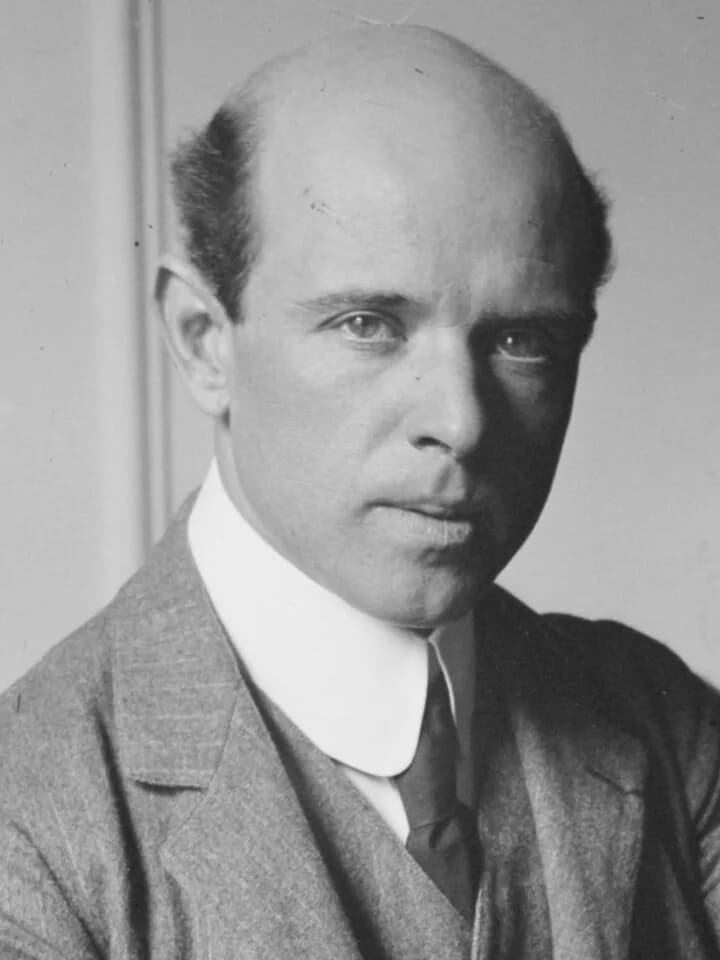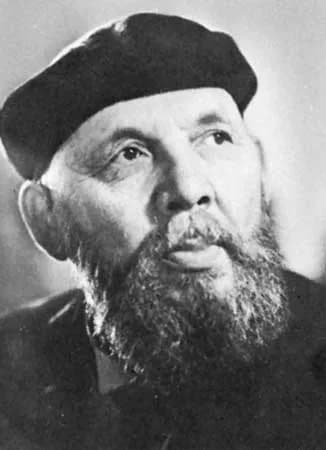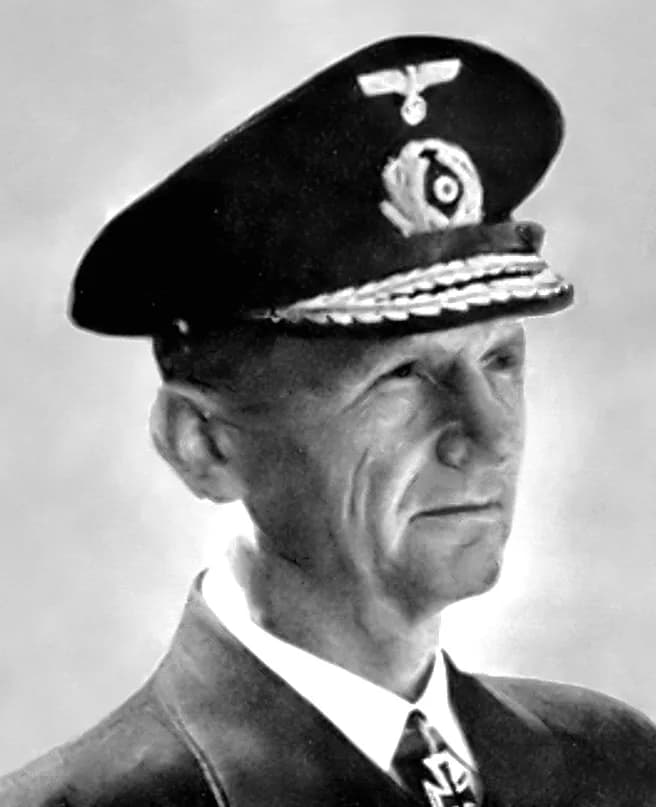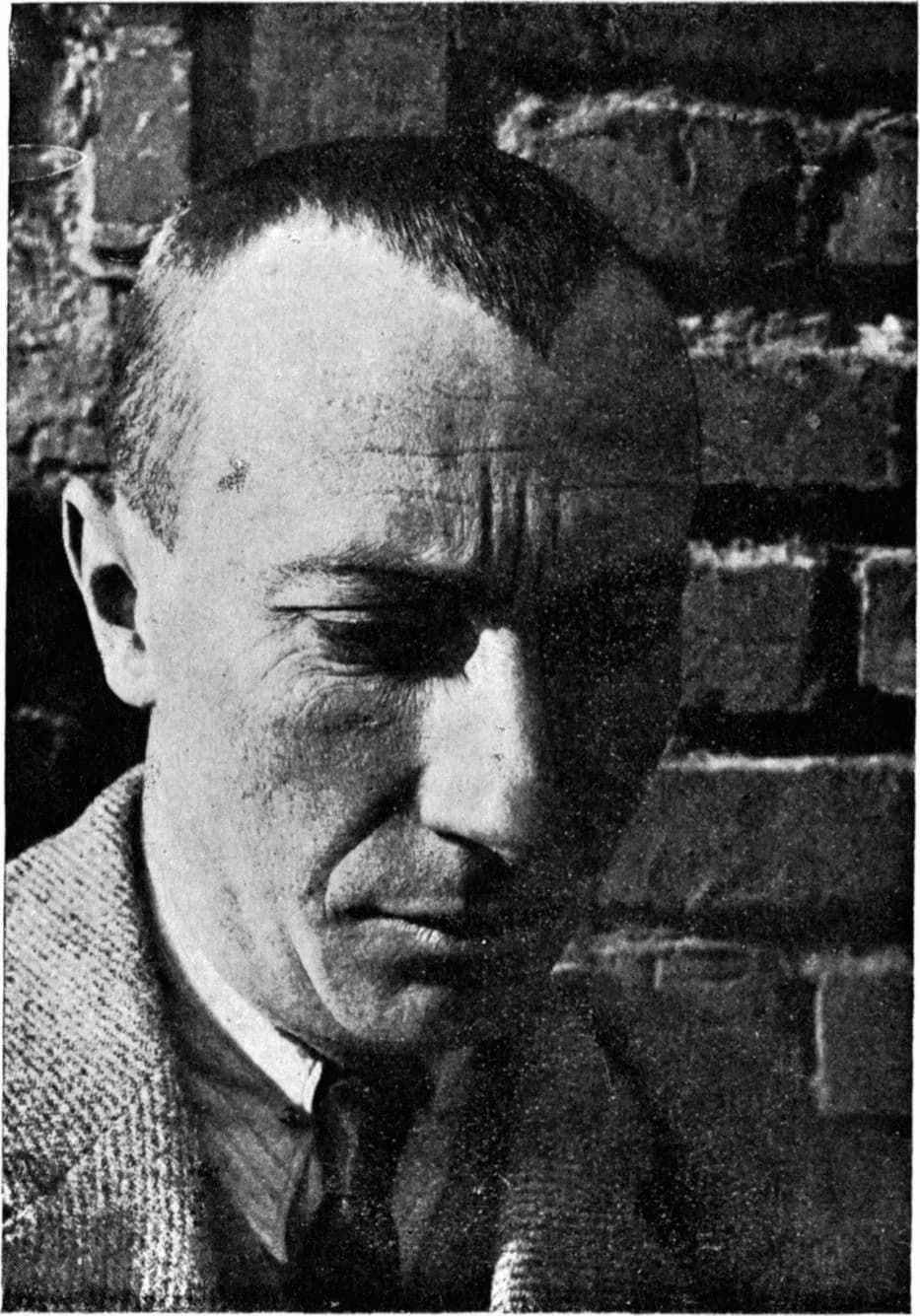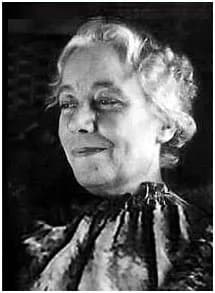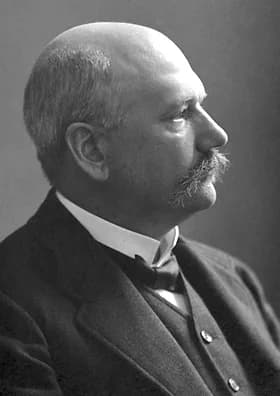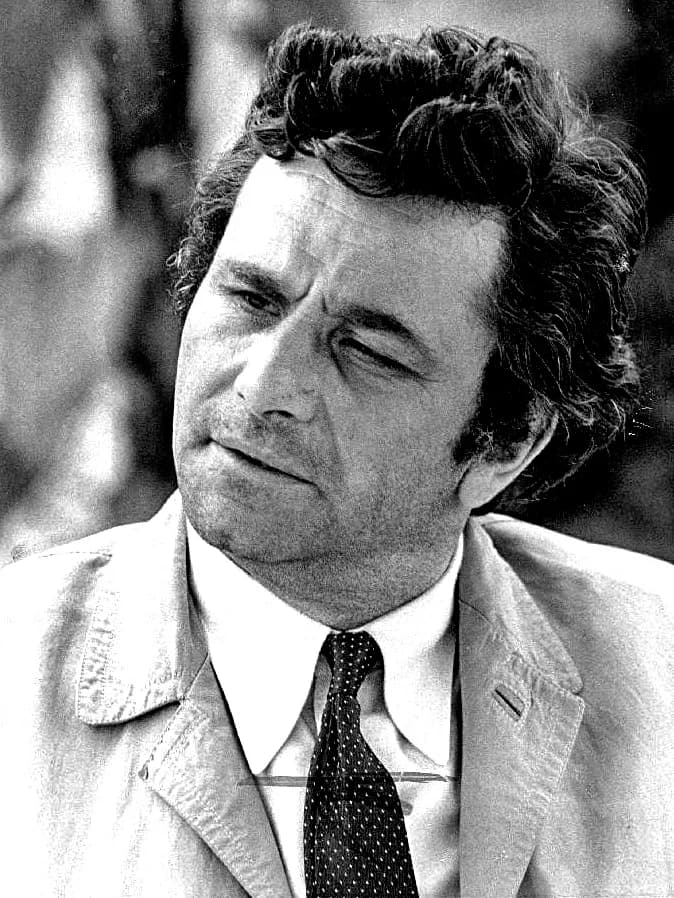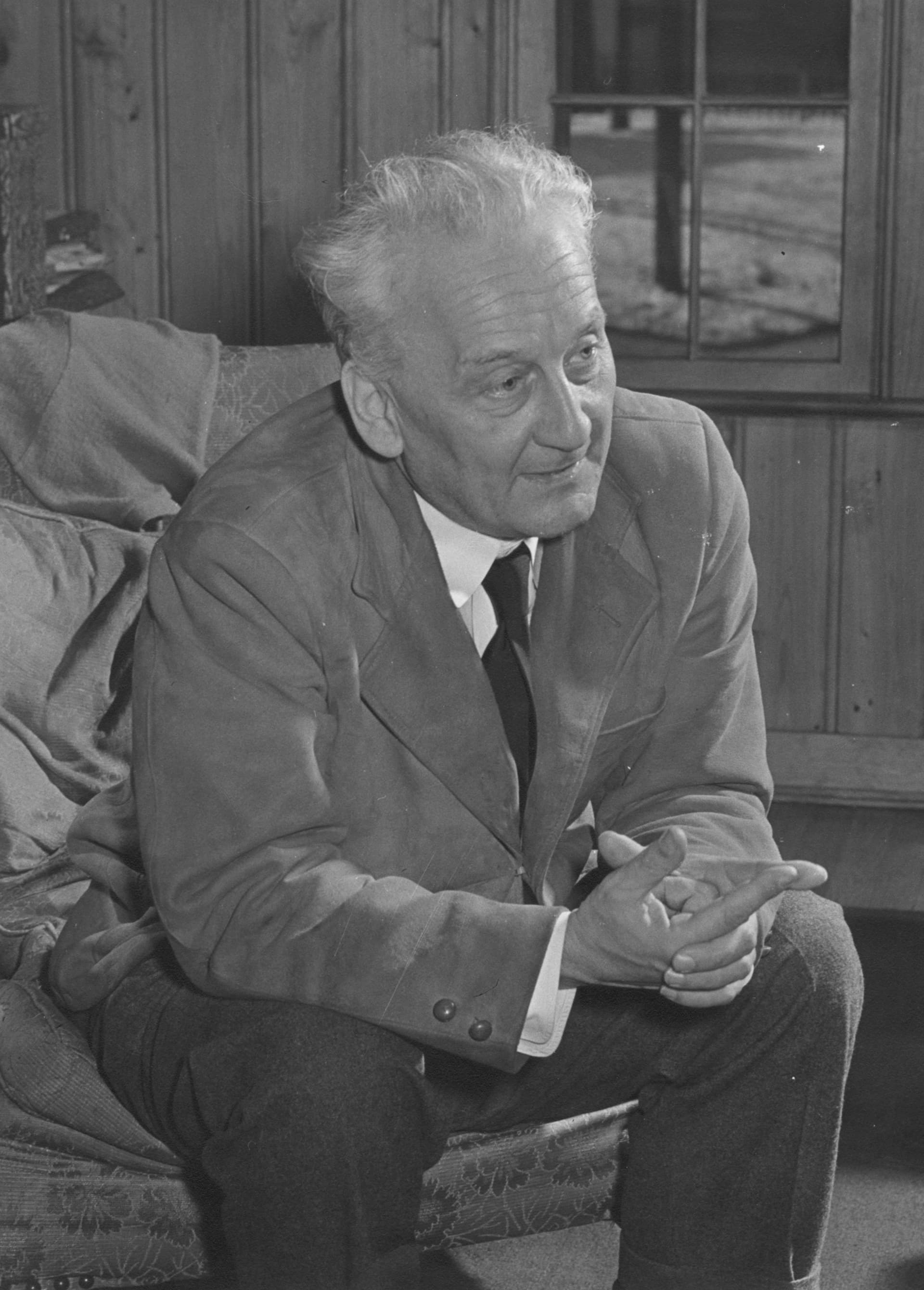
출생
September 16, 1893
Budapest, Hungary
별세
October 22, 1986
Woods Hole, United States
알려진 업적
Hungarian biochemist, Nobel Prize laureate in Physiology or Medicine in 1937
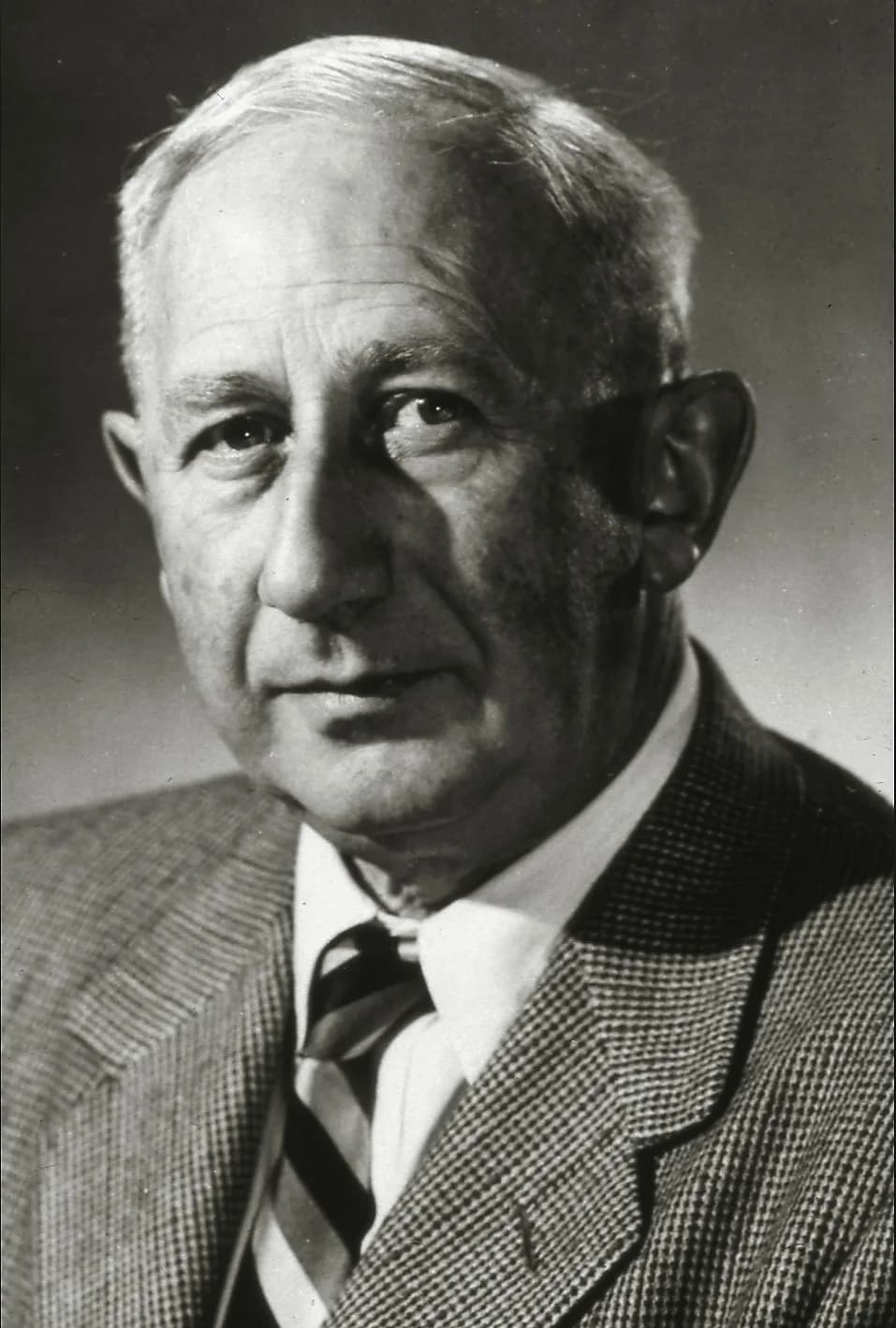
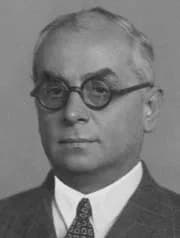
Albert Szent-Györgyi (1893–1986) was Hungary best known for Hungarian biochemist, Nobel Prize laureate in Physiology or Medicine in 1937.
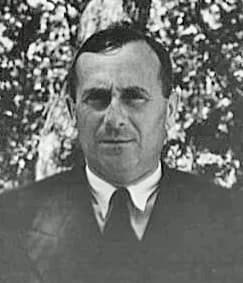
Albert Szent-Györgyi (September 16, 1893 – October 22, 1986) was a Hungarian biochemist and physician. He won the Nobel Prize in Physiology or Medicine in 1937 for isolating vitamin C and discovering components of the citric acid cycle. His work fundamentally advanced our understanding of biological combustion and muscle function.
순간 속의 삶
한 삶을 빚어낸 순간들
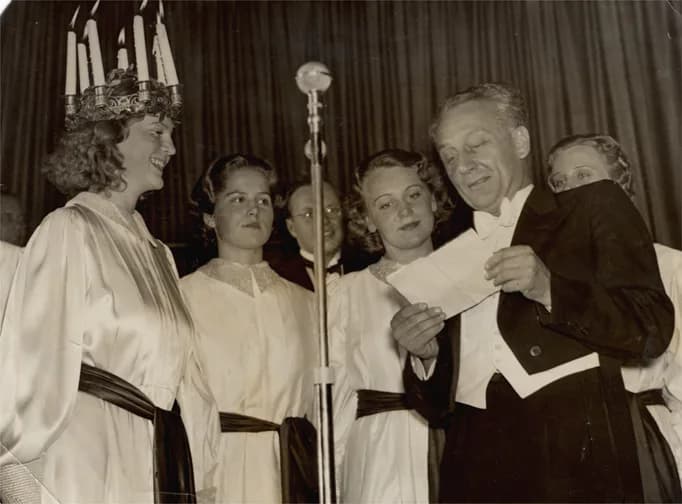
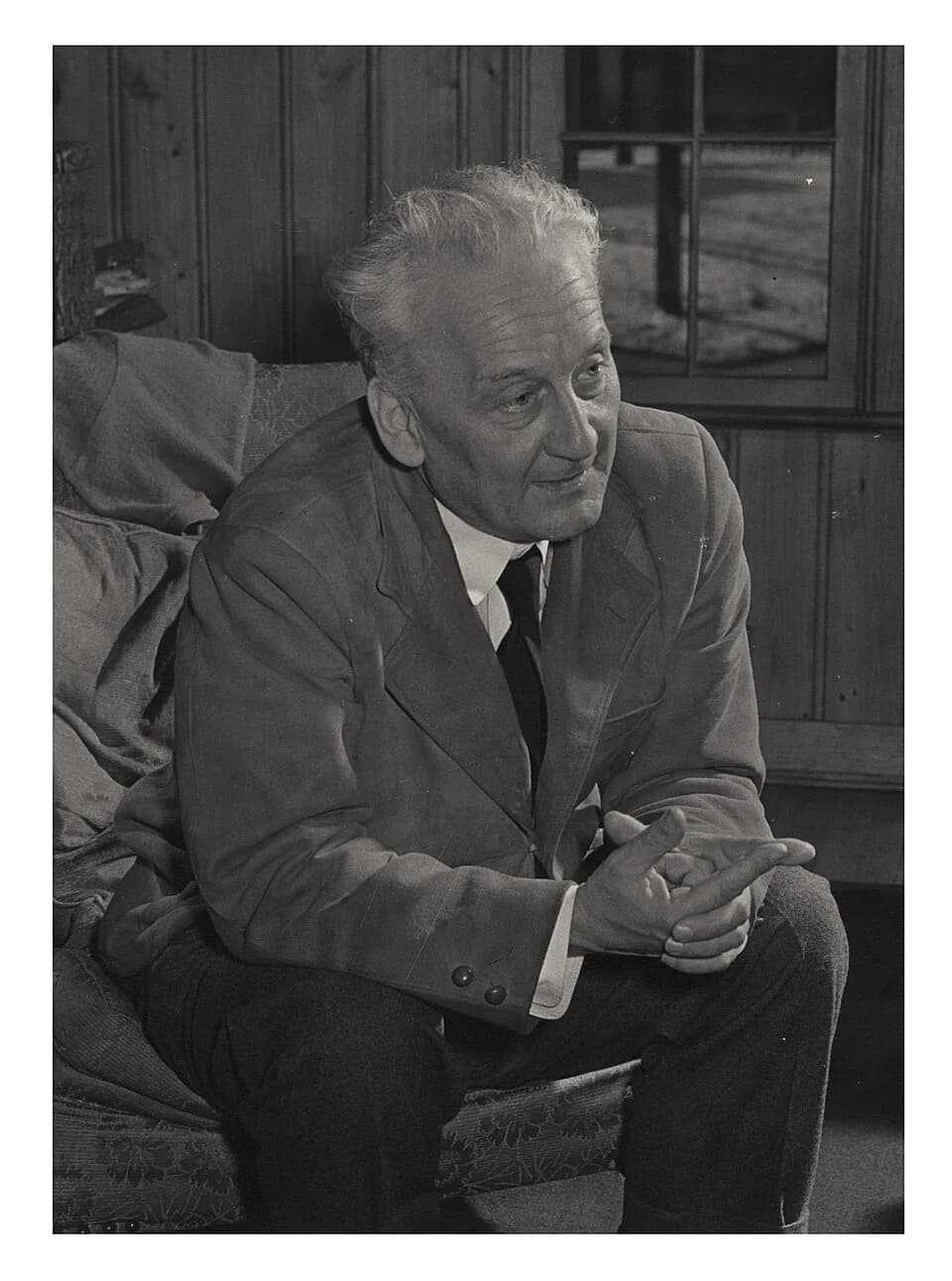
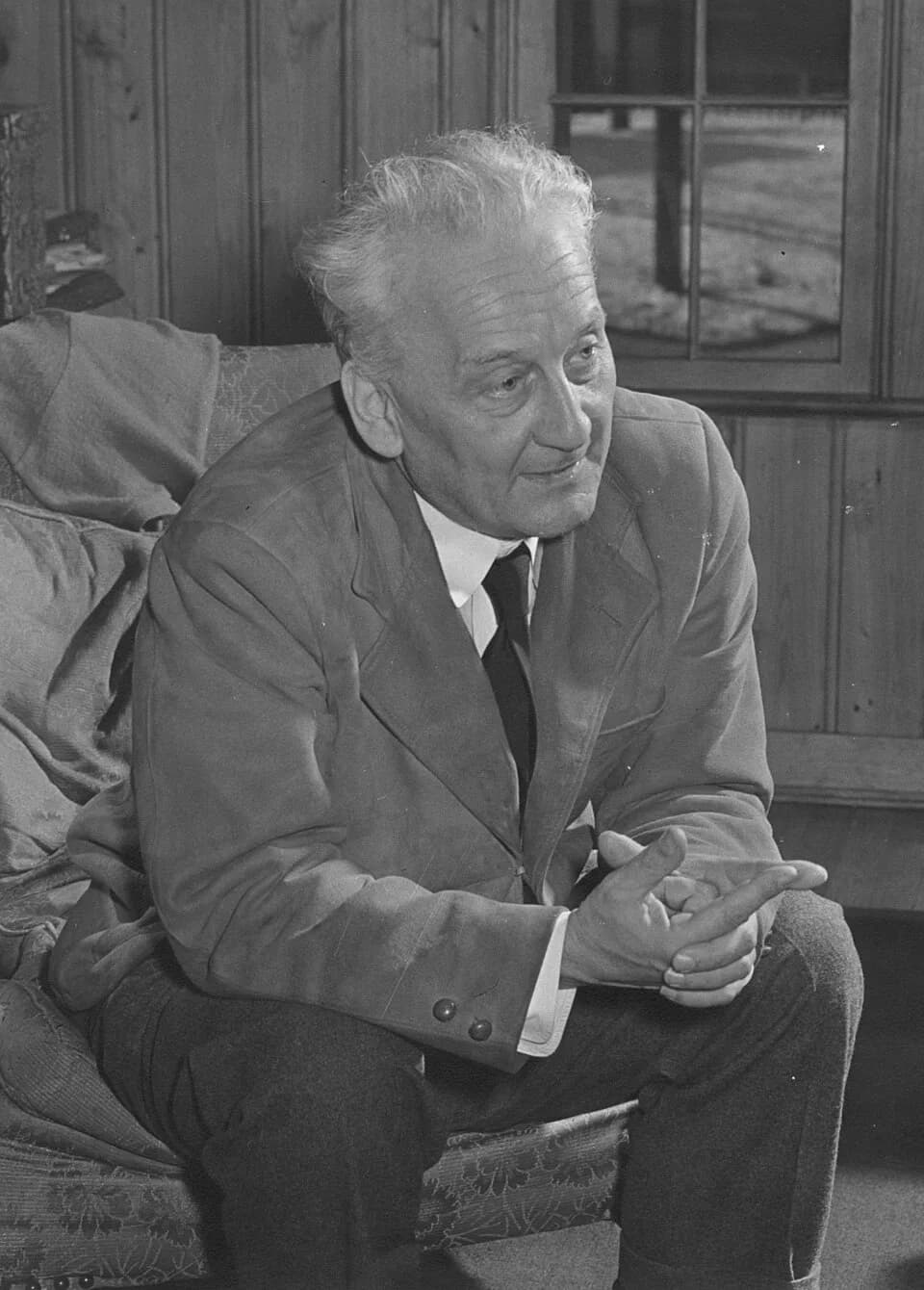
![Albert Szent-Györgyi - Szent-Györgyi Albert (Felállítás 1987. december 11., Kalmár Márton, vörös mészkő)[1] - Szeged, Dóm tér, Déli árkádok. Photographer: Újfalusi Németh Jenő](/_next/image?url=https%3A%2F%2Fcdn.whowasthisguy.com%2Fgallery_wikimedia_commons_1777945459234_3_16c1eb3699.webp&w=1920&q=75)
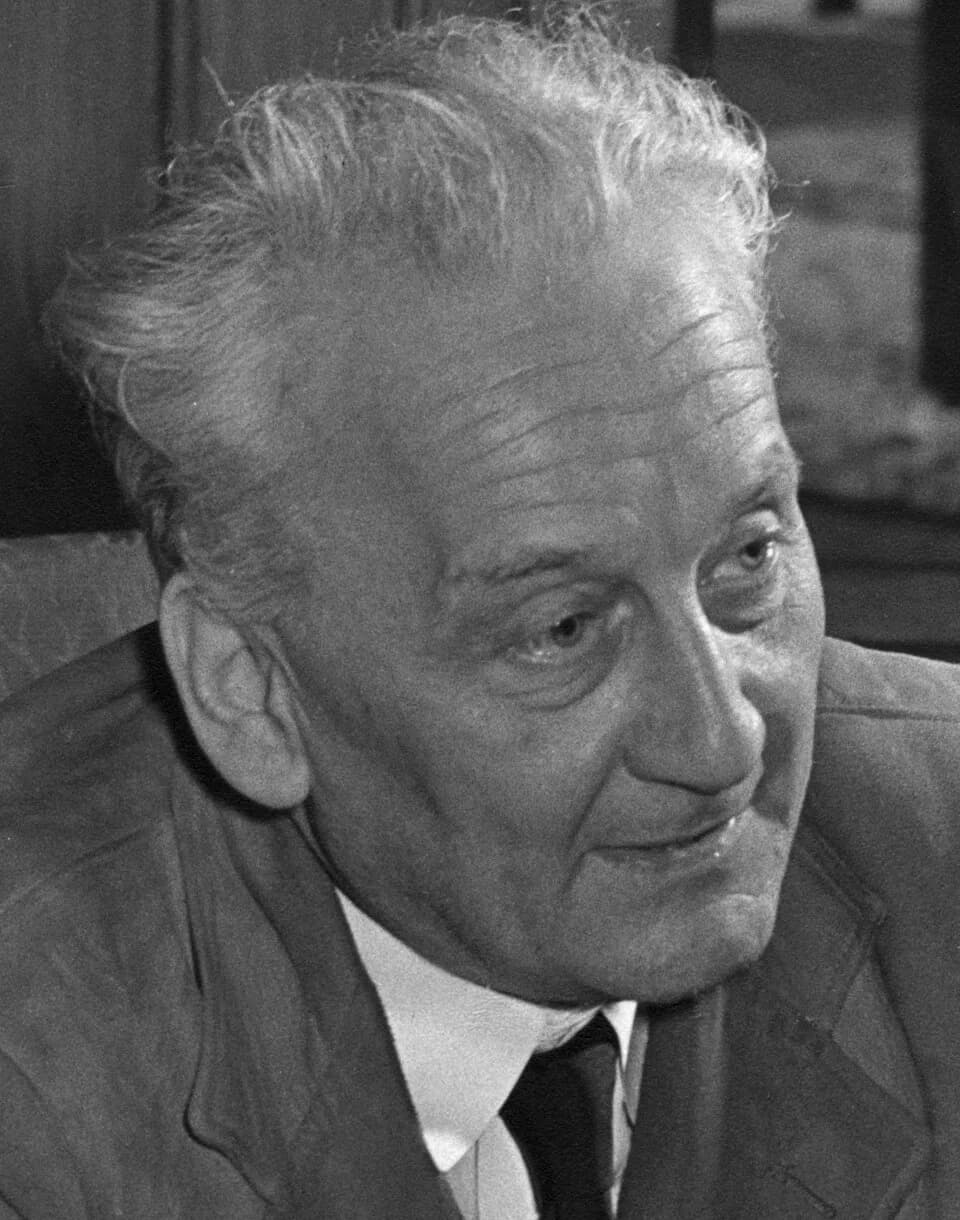
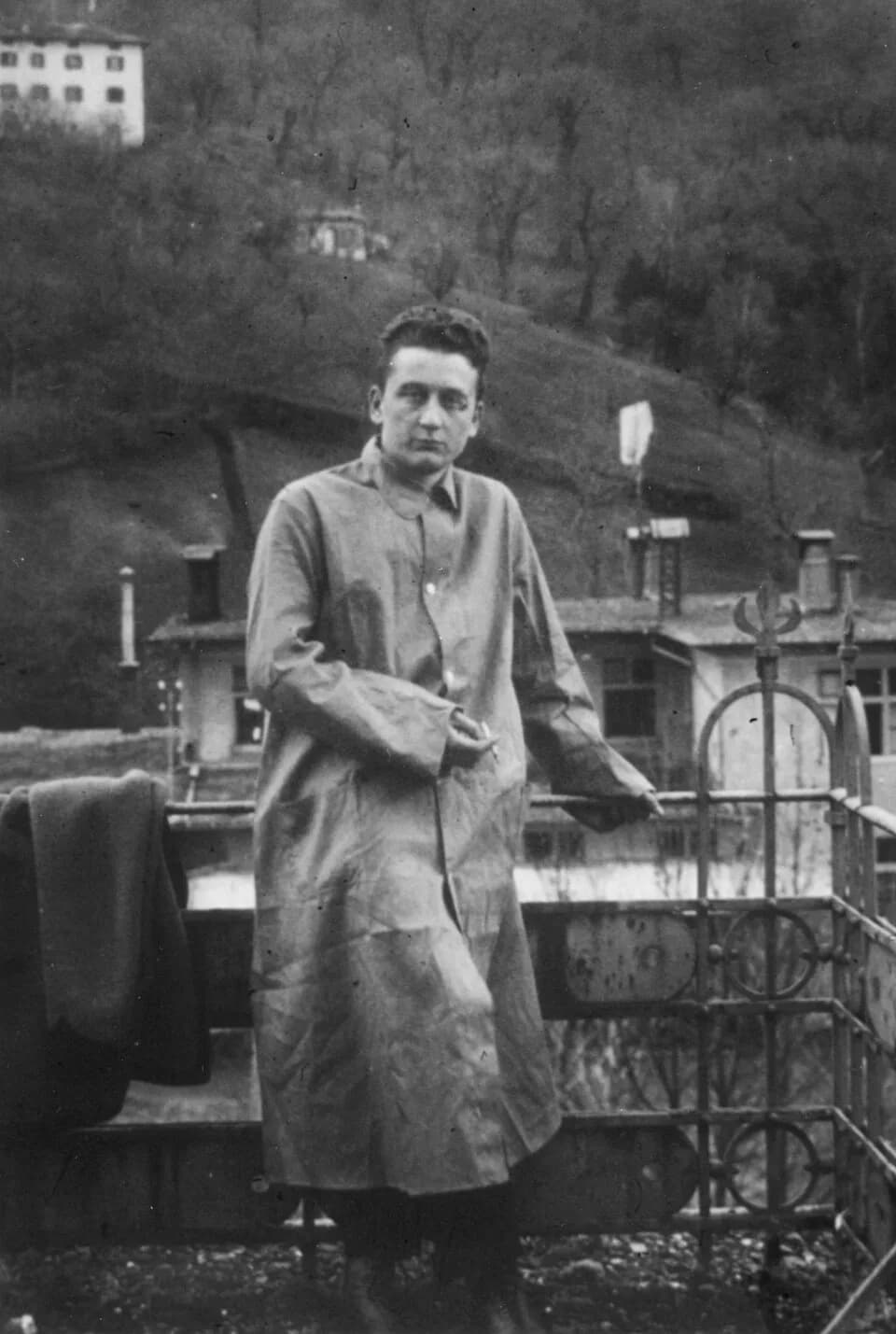
챕터
삶의 챕터
챕터 1 · 1893· 7장 중 1장
Early Life and Origins
Albert Imre Szent-Györgyi de Nagyrápolt was born on September 16, 1893, in Budapest, Hungary. His early environment in the vibrant city of Budapest undoubtedly fostered an inquisitive mind. Though details of his family life are not extensively provided, his later accomplishments suggest a strong foundation for scientific inquiry.
챕터 2· 7장 중 2장
Career Beginnings
Szent-Györgyi's diverse professional path began with his training as a physician. He quickly expanded his expertise into chemistry and physiology, fields that would become central to his life's work. His early career saw him establish himself as a university teacher, sharing his growing knowledge with new generations of students.
챕터 3 · 1937· 7장 중 3장
Major Achievements and Career Highlights
A crowning achievement in Szent-Györgyi's career was the Nobel Prize in Physiology or Medicine, awarded to him in 1937. This prestigious honor recognized his profound discoveries concerning biological combustion processes. Specifically, the Nobel Committee cited his work on vitamin C and the catalysis of fumaric acid.
His scientific rigor led him to become the first to successfully isolate vitamin C, a breakthrough with immense implications for nutrition and human health. Beyond this, he made significant strides in identifying many components and reactions integral to the citric acid cycle. Szent-Györgyi also shed light on the molecular basis of muscle contraction, advancing the understanding of fundamental biological mechanisms.
챕터 4· 7장 중 4장
Personal Life
While primarily known for his scientific endeavors, Albert Szent-Györgyi was a man of broad interests and civic engagement. He applied his intellect and influence beyond the laboratory, serving as a politician and actively participating as a peace activist. These roles demonstrate his commitment to societal well-being in addition to scientific progress.
챕터 5· 7장 중 5장
Notable Works or Contributions
Szent-Györgyi’s scientific output was substantial, with an h-index of 33 derived from 197 papers. His most celebrated contributions, acknowledged by the Nobel Prize, were intrinsically linked to his research on vitamin C. His work clarified its role and presence within biological systems.
His investigations into biological combustion processes provided critical insights into how living organisms generate energy. This included his detailed analysis of the catalysis of fumaric acid. These foundational discoveries significantly advanced the understanding of cellular metabolism and biochemical pathways.
챕터 6 · 1986· 7장 중 6장
Later Years
Albert Szent-Györgyi continued his intellectual and public life into his later years. He passed away on October 22, 1986, in Woods Hole, United States. His long life was a testament to his enduring curiosity and dedication to both science and humanity.
챕터 7· 7장 중 7장
Legacy and Impact
The legacy of Albert Szent-Györgyi endures through his monumental contributions to biochemistry. His isolation of vitamin C forever altered our comprehension of vitamins and their essential functions. The elucidation of components within the citric acid cycle provided a blueprint for metabolic studies.
His insights into muscle contraction laid groundwork for future research in physiology and biophysics. Szent-Györgyi's work established critical cornerstones in several biological disciplines. He remains a revered figure whose discoveries continue to inspire scientists globally.
FAQ
자주 묻는 질문
Albert Szent-Györgyi은(는) 언제 사망했습니까?
Albert Szent-Györgyi은(는) 1986년 10월 22일 Woods Hole, United States에서 사망했습니다 (향년 93세).
Albert Szent-Györgyi은(는) 어디에서 태어났습니까?
Albert Szent-Györgyi은(는) Budapest, Hungary에서 1893년 9월 16일에 태어났습니다.
Albert Szent-Györgyi은(는) 무엇으로 가장 잘 알려져 있습니까?
Albert Szent-Györgyi은(는) Hungarian biochemist, Nobel Prize laureate in Physiology or Medicine in 1937(으)로 가장 잘 알려져 있습니다.
Albert Szent-Györgyi은(는) 사망 당시 몇 살이었습니까?
Albert Szent-Györgyi은(는) 사망 당시 93세였습니다.
Albert Szent-Györgyi의 국적은 무엇이었습니까?
Albert Szent-Györgyi은(는) Hungary 출신이었습니다.
연표
한눈에 보는 삶
사진 갤러리
사진으로 보는 삶
폴라로이드를 클릭하여 확대 · 사진 45장
QR 코드
이 전기 공유
인쇄 및 공유
스캔하여 이 전기 페이지를 방문하세요. 행사, 전시회, 교육 자료에 인쇄해 사용하실 수 있습니다.