កើត
April 1, 1940
Nyeri, Kenya
ស្លាប់
September 25, 2011
Nairobi, Kenya
ល្បីដោយសារ
Kenyan environmentalist and politician who won the Nobel Peace Prize in 2004
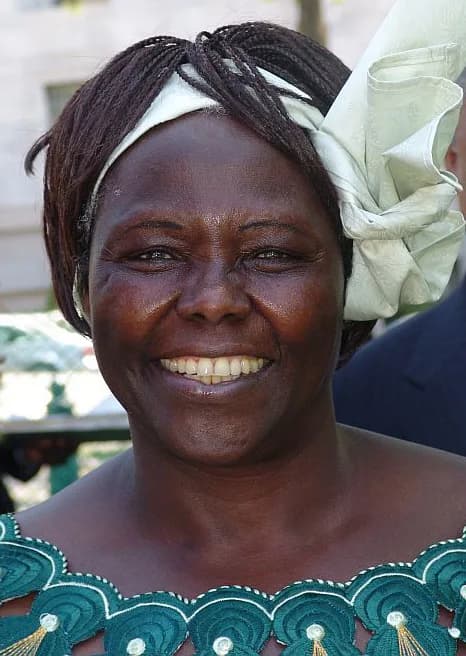
Wangari Muta Maathai (1940–2011) was Kenya best known for Kenyan environmentalist and politician who won the Nobel Peace Prize in 2004.
Wangari Muta Maathai (April 1, 1940 – September 25, 2011) was a Kenyan environmentalist, politician, and philanthropist. She founded the Green Belt Movement and became the first African woman to win the Nobel Peace Prize in 2004 for her work in sustainable development, democracy, and peace. Her legacy continues to inspire global environmental and social justice movements.
ជំពូកទី
ជំពូកជីវិត
ជំពូកទី 1 · 1940· ជំពូកទី 1 នៃ 7
Remembering Wangari Muta Maathai
Wangari Muta Maathai (April 1, 1940 – September 25, 2011) was a distinguished Kenyan environmentalist, politician, and philanthropist whose life embodied a passionate commitment to justice and ecological balance. She became globally renowned as the first African woman to receive the Nobel Peace Prize in 2004. Her impactful work significantly advanced sustainable development, democracy, and peace efforts across the globe.
ជំពូកទី 2 · 1940· ជំពូកទី 2 នៃ 7
Early Life and Origins
Wangari Muta Maathai was born on April 1, 1940, in Nyeri, Kenya. Her early experiences in rural Kenya, surrounded by its natural beauty and diverse ecosystems, profoundly shaped her connection to the environment. This upbringing instilled in her a deep understanding of the delicate relationship between human well-being and ecological health.
Nyeri, her birthplace, provided the initial backdrop for her development and aspirations. Growing up in this region, she witnessed the changes happening to the land, which would later fuel her lifelong dedication to conservation. These formative years in Kenya laid the groundwork for her pioneering work in environmental activism.
ជំពូកទី 3· ជំពូកទី 3 នៃ 7
Career Beginnings
Maathai embarked on her professional journey as a teacher, a role that allowed her to educate and empower many. Her early career in education demonstrated her foundational commitment to community development and intellectual growth. This experience honed her ability to communicate complex ideas and mobilize people towards a common goal.
Her initial profession as a teacher was a stepping stone, providing a platform to inspire and engage with society. Even in these early stages, her innate desire to contribute to the welfare of her community was clear. This period helped to prepare her for the broader challenges and leadership roles she would undertake.
ជំពូកទី 4· ជំពូកទី 4 នៃ 7
Major Achievements and Career Highlights
A significant turning point in Maathai's career was the founding of the Green Belt Movement. This innovative environmental non-governmental organization, established by her, focused on critical initiatives like planting trees, promoting environmental conservation, and advocating for women's rights. The movement quickly grew into a powerful force for change, mobilizing communities across Kenya.
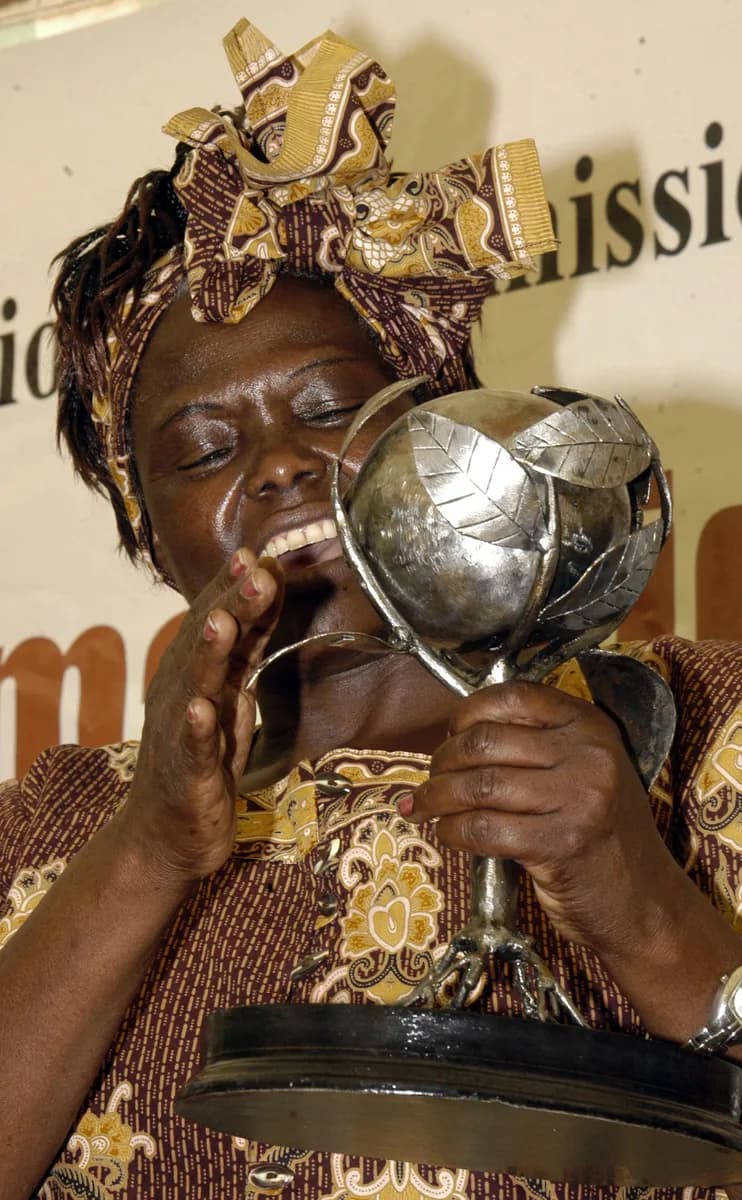
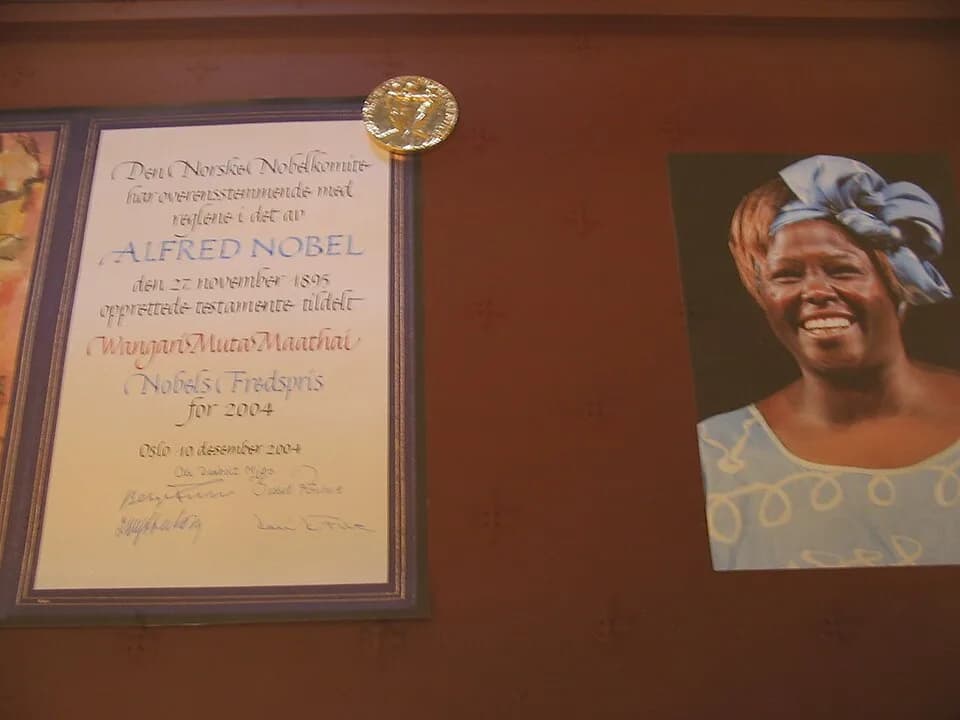
Her persistent efforts and visionary leadership culminated in Wangari Muta Maathai being awarded the Nobel Peace Prize in 2004. This historic recognition made her the first African woman to ever receive such an honor. The Nobel Committee specifically cited her contributions to sustainable development, democracy, and peace, acknowledging the profound interconnectedness of her work.
Beyond her environmental activism, Maathai also served as a politician in Kenya, bringing her advocacy into the legislative arena. Her involvement in politics allowed her to champion her ideals from within governmental structures. She worked tirelessly to implement policies that supported environmental protection and social justice for all Kenyans.
ជំពូកទី 5· ជំពូកទី 5 នៃ 7
Notable Works or Contributions
The Green Belt Movement remains Wangari Muta Maathai's most significant and lasting contribution to the world. Through this organization, she spearheaded efforts to plant millions of trees across Kenya, combating deforestation and desertification. This massive reforestation project directly improved local ecosystems and provided vital resources for rural communities.
The movement's work extended beyond simple tree planting, encompassing broader environmental conservation strategies and advocating vigorously for women's rights. Maathai understood that poverty and environmental degradation disproportionately affected women, and she empowered them through education and opportunities. Her approach connected these issues, fostering community-led sustainable development.
ជំពូកទី 6· ជំពូកទី 6 នៃ 7
Later Years
In her later years, Wangari Muta Maathai continued to be a vibrant voice for environmental and social justice globally. She remained actively involved with the Green Belt Movement, expanding its reach and influence. Her dedication to fostering peace through sustainable practices never wavered.
Maathai passed away on September 25, 2011, in Nairobi, Kenya, leaving behind a legacy of immense courage and impact. Even in her final years, she inspired many through her unwavering commitment to protecting the planet and empowering marginalized communities. Her life's work demonstrated the enduring power of persistent advocacy.
ជំពូកទី 7· ជំពូកទី 7 នៃ 7
Legacy and Impact
Wangari Muta Maathai's legacy is vast, profoundly shaping the global understanding of environmentalism, human rights, and the pursuit of peace. The Green Belt Movement, her brainchild, continues its vital work, serving as a model for grassroots environmental action worldwide. Millions of trees planted and countless lives positively affected stand as enduring symbols of her vision.
As the first African woman to earn the Nobel Peace Prize, Maathai broke significant barriers and became an icon of inspiration for women and environmentalists everywhere. Her 2004 award brought critical international attention to the links between ecological health, democratic governance, and conflict prevention. She showed that safeguarding the environment is fundamental to achieving lasting peace and stability.
Her tireless efforts in sustainable development, democracy, and peace continue to inspire new generations of activists, leaders, and citizens. Wangari Muta Maathai's life serves as a powerful testament to the idea that individual action can lead to monumental societal change, reminding us of our collective responsibility to care for both people and the planet.
ជីវិតក្នុងពេលវេលា
ពេលវេលាដែលបានបង្កើតជីវិត

សំណួរញឹកញាប់
សំណួរញឹកញាប់
Wangari Muta Maathai បានទទួលមរណភាពនៅពេលណា?
Wangari Muta Maathai បានទទួលមរណភាពនៅថ្ងៃទី 25 កញ្ញា 2011 នៅ Nairobi, Kenya, ក្នុងវ័យ 71 ឆ្នាំ។
Wangari Muta Maathai បានកើតនៅឯណា?
Wangari Muta Maathai បានកើតនៅ Nyeri, Kenya នៅថ្ងៃទី 1 មេសា 1940។
Wangari Muta Maathai ត្រូវបានគេស្គាល់ច្រើនបំផុតពីអ្វី?
Wangari Muta Maathai ត្រូវបានគេស្គាល់ច្រើនបំផុតពី Kenyan environmentalist and politician who won the Nobel Peace Prize in 2004។
Wangari Muta Maathai មានអាយុប៉ុន្មាននៅពេលស្លាប់?
Wangari Muta Maathai មានអាយុ 71 ឆ្នាំនៅពេលស្លាប់។
Wangari Muta Maathai មានសញ្ជាតិអ្វី?
Wangari Muta Maathai មកពី Kenya។
បន្ទាត់ពេលវេលា
ជីវិតមួយពេលតែម្តង
វិចិត្រសាលរូបថត
ជីវិតក្នុងរូបភាព
ចុចលើ polaroid ណាមួយដើម្បីពង្រីក · 42 រូបថត
កូដ QR
ចែករំលែកជីវប្រវត្តិនេះ
បោះពុម្ព និងចែករំលែក
ស្កេនដើម្បីចូលមើលទំព័រជីវប្រវត្តិនេះ។ បោះពុម្ពសម្រាប់ព្រឹត្តិការណ៍ ការតាំងបង្ហាញ ឬឯកសារអប់រំ។