កើត
May 15, 1944
Słupsk, Poland
ស្លាប់
January 1, 2015
Munich, Germany
ល្បីដោយសារ
German sociologist & scholar
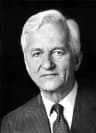
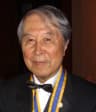
Ulrich Beck (1944–2015) was Poland best known for German sociologist & scholar.
Ulrich Beck (May 15, 1944 – January 1, 2015) was a German sociologist and scholar. He was known for coining the terms "risk society" and "second modernity," profoundly shaping the study of modern uncontrollability and uncertainty. His work promoted a cosmopolitan perspective, acknowledging global interconnectedness.
ជំពូកទី
ជំពូកជីវិត
ជំពូកទី 1 · 1944· ជំពូកទី 1 នៃ 7
Early Life and Origins
Ulrich Beck’s journey began on May 15, 1944, in Słupsk, a city then part of Germany and now located in Poland. This specific geographical and historical context may have subtly influenced his later work on national perspectives and global interconnectedness. His early upbringing and foundational experiences laid the groundwork for his analytical approach to societal structures and individual experiences.
Details about Ulrich Beck's family and early education are not extensively detailed in public records, yet it is evident that his academic path began with rigorous study. He pursued diverse fields, ultimately distinguishing himself in economics before focusing on the profound questions addressed by sociology. This interdisciplinary foundation would later characterize much of his groundbreaking theoretical development.
ជំពូកទី 2· ជំពូកទី 2 នៃ 7
Career Beginnings
Ulrich Beck started his professional career as an economist, demonstrating an early aptitude for understanding complex systems and their societal implications. This initial professional path provided him with a unique perspective that enriched his subsequent sociological analyses, allowing him to integrate economic dimensions into his broader social theories. His early academic endeavors quickly transitioned towards a deeper engagement with sociological questions.
As a university teacher, Beck cultivated a reputation for insightful instruction and engaged scholarship, laying the groundwork for his later appointments at prestigious institutions. His commitment to education was evident in his consistent role in shaping the next generation of social scientists. This early period of teaching and research was vital in honing the perspectives that would soon lead to his most famous theories.
ជំពូកទី 3· ជំពូកទី 3 នៃ 7
Major Achievements and Career Highlights
Ulrich Beck's career was marked by a series of significant theoretical breakthroughs that transformed sociological discourse. He is widely celebrated for coining the pivotal terms "risk society" and "second modernity," sometimes referred to as "reflexive modernization." These concepts offered a fresh lexicon for understanding how contemporary societies confront and generate new forms of danger and uncertainty in an increasingly complex world.
His work consistently focused on questions of uncontrollability, ignorance, and uncertainty, arguing that these factors are not mere aberrations but defining characteristics of the modern age. Beck's theoretical lens challenged prevailing sociological investigations by advocating for a cosmopolitan perspective. He actively sought to overturn the national perspectives that had long predominated in the field, emphasizing instead the profound interconnectedness of the modern world and the global nature of its challenges. He held significant academic appointments at LMU Munich, where he served as a professor, and also contributed his expertise at the Fondation Maison des Sciences de l’Homme (FMSH) in Paris and the London School of Economics, extending his intellectual reach across Europe.
ជំពូកទី 4· ជំពូកទី 4 នៃ 7
Personal Life
While Ulrich Beck's professional and intellectual contributions are widely documented and celebrated, details regarding his personal life, family, and private interests are not extensively publicized. His public persona remained largely focused on his academic work and the dissemination of his sociological insights. He dedicated his energy to research, writing, and teaching, allowing his scholarship to speak for itself. It is through his profound body of work that his engagement with the human condition is most clearly expressed.
ជំពូកទី 5· ជំពូកទី 5 នៃ 7
Notable Works or Contributions
Ulrich Beck was a prolific scholar, with his body of work profoundly influencing numerous academic fields. His academic output included 40 papers, contributing to an h-index of 18, a testament to the broad impact and citation frequency of his publications. His top works demonstrate his consistent engagement with themes of globalization, national identity, and social change, and are frequently referenced in sociological studies worldwide.
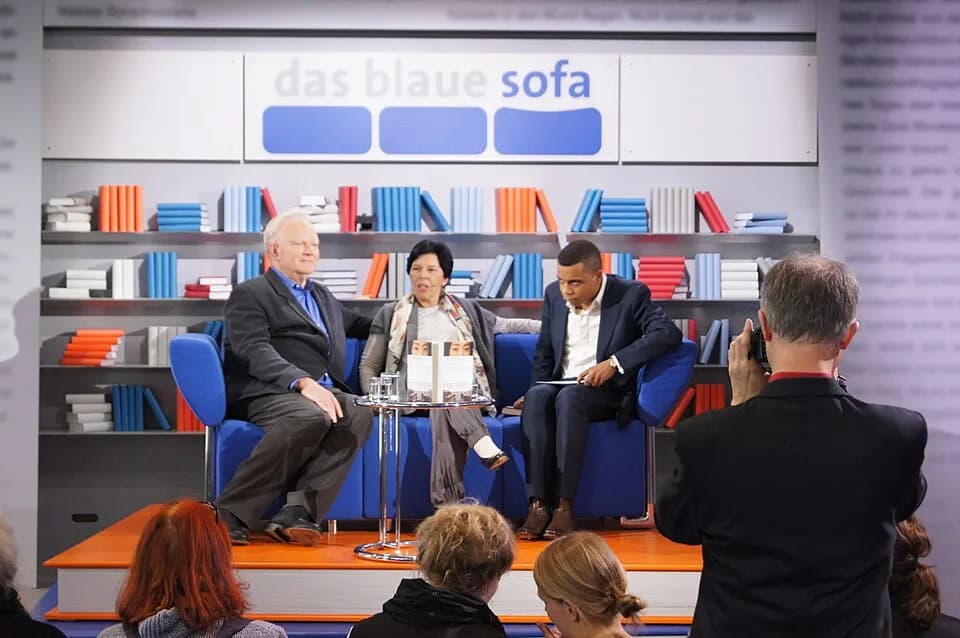
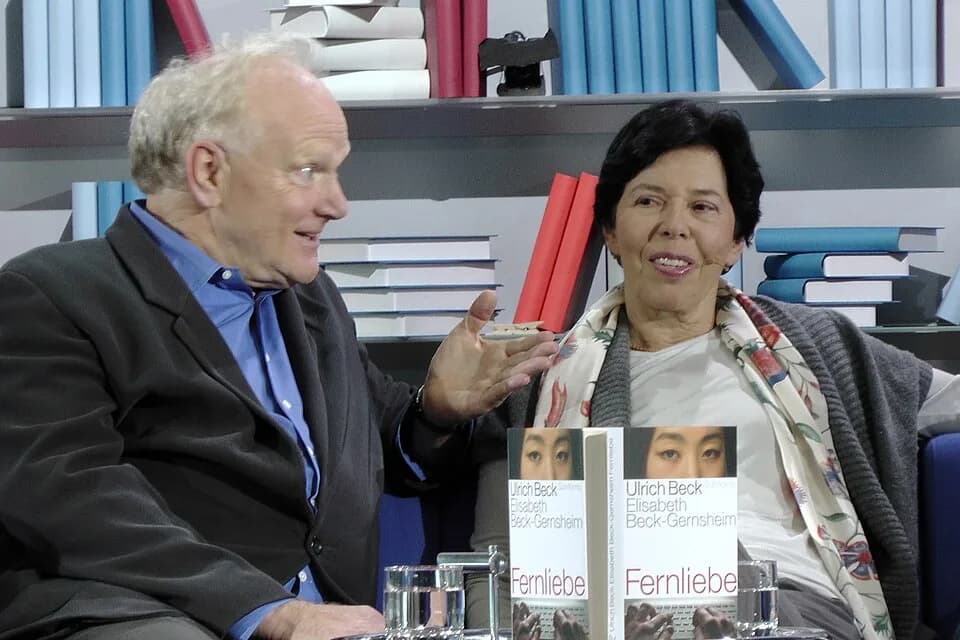
Among his most cited and influential works is Jenseits des methodologischen Nationalismus (Beyond Methodological Nationalism), published in 2010, which garnered 115 citations. This publication critically examined the limitations of national frameworks in sociological analysis. Other significant contributions include Das deutsche Europa : neue Machtlandschaften im Zeichen der Krise (German Europe: New Power Landscapes in Times of Crisis) from 2012, cited 30 times, which explored evolving European dynamics. He also authored Fernliebe : Lebensformen im globalen Zeitalter (Distant Love: Forms of Life in the Global Age) in 2013, with 20 citations, delving into personal relationships in a globalized era.
Further enhancing his legacy, Beck published Nachrichten aus der Weltinnenpolitik (News from World Domestic Politics) in 2010, receiving 4 citations, which broadened the understanding of politics beyond national borders. His commitment to a global perspective was also evident in Globale Ungleichheit und Menschenrechte: Eine kosmopolitische Perspektive (Global Inequality and Human Rights: A Cosmopolitan Perspective) from 2012, which, with 1 citation, highlighted the ethical dimensions of global disparities. These works collectively underscore his enduring commitment to analyzing and understanding the challenges and opportunities of an increasingly interconnected world.
ជំពូកទី 6· ជំពូកទី 6 នៃ 7
Later Years
Ulrich Beck remained intellectually active and influential through his later years, continuing his research, writing, and academic engagements. He maintained his professorship at LMU Munich, contributing to the vibrant intellectual life of the university. His work continued to evolve, responding to new global challenges and deepening his existing theoretical frameworks.
His dedication to scholarship persisted until his passing on January 1, 2015, in Munich, Germany. Even in his final years, Beck's contributions remained relevant and thought-provoking, solidifying his status as a leading voice in global sociology. His death marked the end of an era for social science, yet his ideas continue to resonate and inform contemporary debates.
ជំពូកទី 7· ជំពូកទី 7 នៃ 7
Legacy and Impact
The legacy of Ulrich Beck is profound and far-reaching, fundamentally altering the way social scientists approach the study of modernity. His concepts of "risk society" and "second modernity" have become indispensable tools for analyzing contemporary social and environmental issues, from climate change to global economic crises. He provided a critical lens through which to examine how societies adapt to new, self-produced risks.
Perhaps one of Beck's most significant contributions was his relentless advocacy for a cosmopolitan sociology. By challenging methodological nationalism, he pushed for an understanding of the world where national borders do not limit sociological inquiry, and global interconnectedness is acknowledged as a central force. His work continues to inspire scholars to look beyond traditional boundaries, fostering a more inclusive and globally aware approach to understanding human societies.
ជីវិតក្នុងពេលវេលា
ពេលវេលាដែលបានបង្កើតជីវិត
សំណួរញឹកញាប់
សំណួរញឹកញាប់
Ulrich Beck បានទទួលមរណភាពនៅពេលណា?
Ulrich Beck បានទទួលមរណភាពនៅថ្ងៃទី 1 មករា 2015 នៅ Munich, Germany, ក្នុងវ័យ 70 ឆ្នាំ។
Ulrich Beck បានកើតនៅឯណា?
Ulrich Beck បានកើតនៅ Słupsk, Poland នៅថ្ងៃទី 15 ឧសភា 1944។
Ulrich Beck ត្រូវបានគេស្គាល់ច្រើនបំផុតពីអ្វី?
Ulrich Beck ត្រូវបានគេស្គាល់ច្រើនបំផុតពី German sociologist & scholar។
Ulrich Beck មានអាយុប៉ុន្មាននៅពេលស្លាប់?
Ulrich Beck មានអាយុ 70 ឆ្នាំនៅពេលស្លាប់។
Ulrich Beck មានសញ្ជាតិអ្វី?
Ulrich Beck មកពី Poland។
បន្ទាត់ពេលវេលា
ជីវិតមួយពេលតែម្តង
វិចិត្រសាលរូបថត
ជីវិតក្នុងរូបភាព
ចុចលើ polaroid ណាមួយដើម្បីពង្រីក · 22 រូបថត
កូដ QR
ចែករំលែកជីវប្រវត្តិនេះ
បោះពុម្ព និងចែករំលែក
ស្កេនដើម្បីចូលមើលទំព័រជីវប្រវត្តិនេះ។ បោះពុម្ពសម្រាប់ព្រឹត្តិការណ៍ ការតាំងបង្ហាញ ឬឯកសារអប់រំ។