កើត
January 29, 1953
Baojhong Township, Taiwan
ស្លាប់
May 8, 1995
Chiang Mai, Thailand
ល្បីដោយសារ
Taiwanese ROC singer
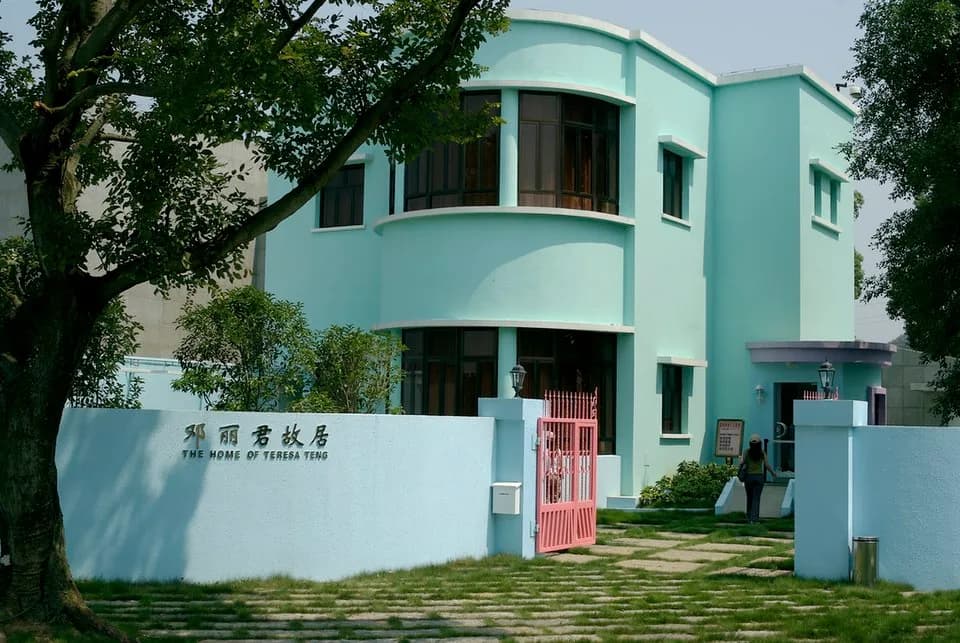
Teresa Teng (1953–1995) was Taiwan best known for Taiwanese ROC singer.
Teresa Teng (January 29, 1953 – May 8, 1995) was a Taiwanese ROC singer, actor, and recording artist. She became one of the most successful and influential Asian musicians, with her music transcending boundaries across Asia. Her legacy is captured in the phrase, "Wherever there are Chinese-speaking people, there is music of Teresa Teng."
ជំពូកទី
ជំពូកជីវិត
ជំពូកទី 1 · 1953· ជំពូកទី 1 នៃ 5
Early Life and Taiwanese Roots
Born on January 29, 1953, Teresa Teng's early life began in Baojhong Township, Taiwan. This period laid the foundation for her future as a celebrated artist. She would later gain fame under her given name, Teng Li-Chun, which resonated with millions.
ជំពូកទី 2 · 1971· ជំពូកទី 2 នៃ 5
Emergence as a Performer
Teng's career blossomed as a recording artist, singer, and actor, demonstrating her diverse talents from a young age. She also embraced roles as a television and film actor, showcasing her versatility beyond music. Early in her career, in 1971, she appeared in the film "I Want to Sing," marking one of her notable acting credits.
Her initial musical releases in 1967 included the songs "鳳陽花鼓," "心疼的小寶寶," and "嘿嘿阿哥哥." These early works set the stage for her prolific discography. The following year, 1968, saw the release of "暢飲一杯," "比翼鳥," and "一見你就笑," further establishing her presence in the music scene.
ជំពូកទី 3· ជំពូកទី 3 នៃ 5
A Voice That Transcended Borders
Teresa Teng achieved significant renown throughout her career, becoming a cultural icon. As a polyglot, her ability to sing in multiple languages allowed her music to resonate across diverse populations. This linguistic skill enabled her to reach listeners far beyond the Chinese-speaking world.
Her widespread influence inspired the memorable phrase, "Wherever there are Chinese-speaking people, there is music of Teresa Teng." She was widely regarded as one of the most culturally significant figures in the Chinese-speaking world of the 20th century. Her contributions to Chinese pop have cemented her status as one of the most successful and influential Asian musicians of all time.
ជំពូកទី 4 · 1976· ជំពូកទី 4 នៃ 5
Notable Contributions to Music and Film
Teng's discography is extensive and celebrated, spanning multiple genres and decades. Key albums include "爱之世界" from 1976, and the live recording "日本武道馆演唱会" from 1986. Her album "再见我的爱人," released in 1995, stands as one of her final major works.
Beyond these, her early hits in 1967 like "鳳陽花鼓," "心疼的小寶寶," and "嘿嘿阿哥哥" were crucial to her rise. The 1968 releases "暢飲一杯," "比翼鳥," and "一見你就笑" further solidified her musical foundation. Her diverse musical styles included mandopop, ballad, c-pop, cantopop, enka, folk, kayōkyoku, and pop, highlighting her artistic range.
ជំពូកទី 5 · 1995· ជំពូកទី 5 នៃ 5
Later Years and Enduring Legacy
Teresa Teng remained a cherished figure in the music industry until her passing. She died on May 8, 1995, in Chiang Mai, Thailand, at the age of 42. Her final recorded album, "再见我的爱人," released in the same year, left fans with new melodies to cherish.
Teng's influence on Chinese pop and broader Asian culture remains immeasurable. Her music continues to bridge geographical, linguistic, and political divides, celebrated by generations. She is rightly remembered as a truly influential Asian musician, whose voice continues to echo through time.
ជីវិតក្នុងពេលវេលា
ពេលវេលាដែលបានបង្កើតជីវិត

សំណួរញឹកញាប់
សំណួរញឹកញាប់
Teresa Teng បានទទួលមរណភាពនៅពេលណា?
Teresa Teng បានទទួលមរណភាពនៅថ្ងៃទី 8 ឧសភា 1995 នៅ Chiang Mai, Thailand, ក្នុងវ័យ 42 ឆ្នាំ។
Teresa Teng បានកើតនៅឯណា?
Teresa Teng បានកើតនៅ Baojhong Township, Taiwan នៅថ្ងៃទី 29 មករា 1953។
Teresa Teng ត្រូវបានគេស្គាល់ច្រើនបំផុតពីអ្វី?
Teresa Teng ត្រូវបានគេស្គាល់ច្រើនបំផុតពី Taiwanese ROC singer។
Teresa Teng មានអាយុប៉ុន្មាននៅពេលស្លាប់?
Teresa Teng មានអាយុ 42 ឆ្នាំនៅពេលស្លាប់។
Teresa Teng មានសញ្ជាតិអ្វី?
Teresa Teng មកពី Taiwan។
បន្ទាត់ពេលវេលា
ជីវិតមួយពេលតែម្តង
វិចិត្រសាលរូបថត
ជីវិតក្នុងរូបភាព
ចុចលើ polaroid ណាមួយដើម្បីពង្រីក · 48 រូបថត
កូដ QR
ចែករំលែកជីវប្រវត្តិនេះ
បោះពុម្ព និងចែករំលែក
ស្កេនដើម្បីចូលមើលទំព័រជីវប្រវត្តិនេះ។ បោះពុម្ពសម្រាប់ព្រឹត្តិការណ៍ ការតាំងបង្ហាញ ឬឯកសារអប់រំ។