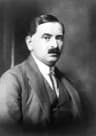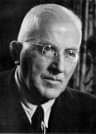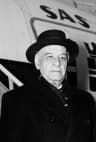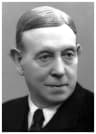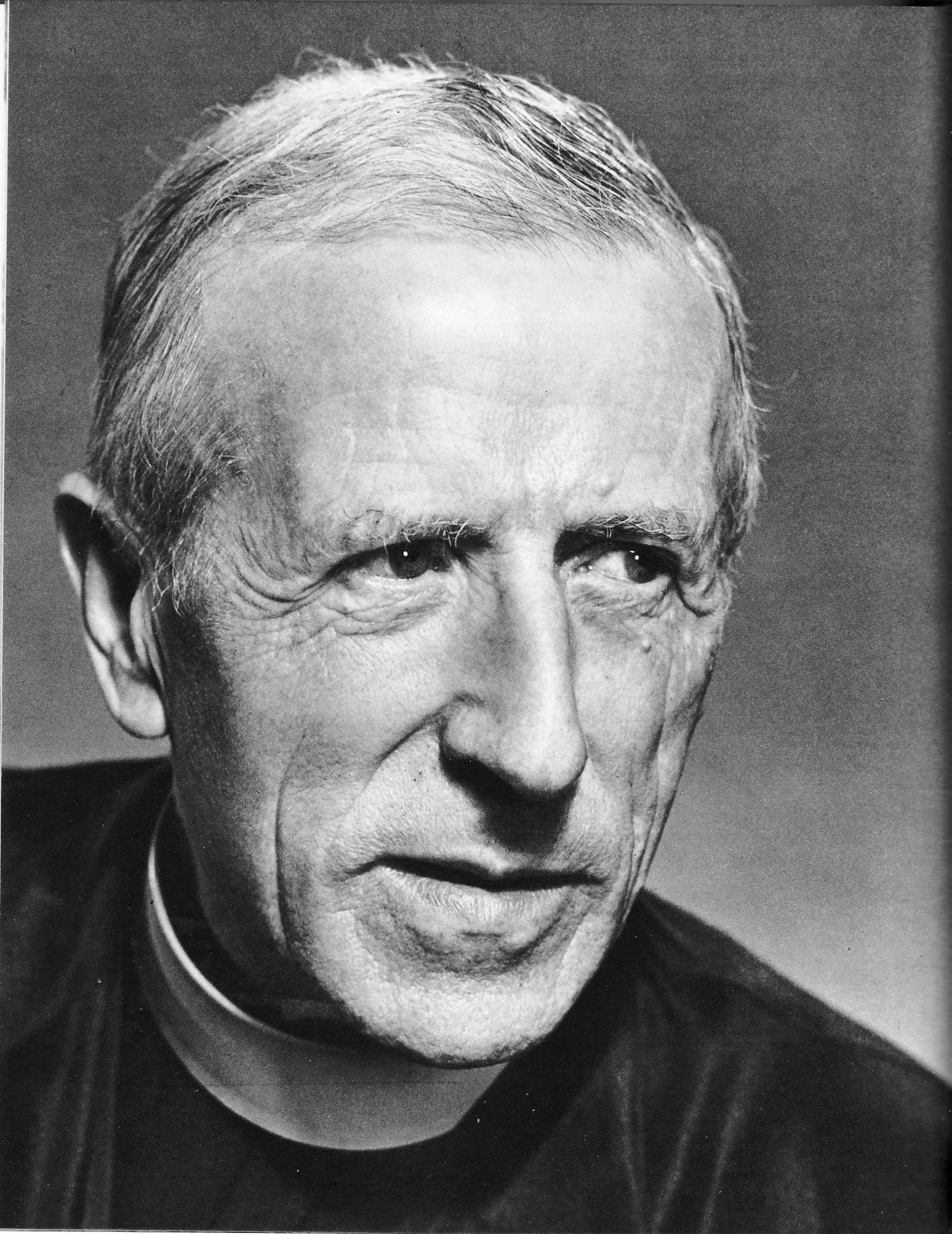
កើត
May 1, 1881
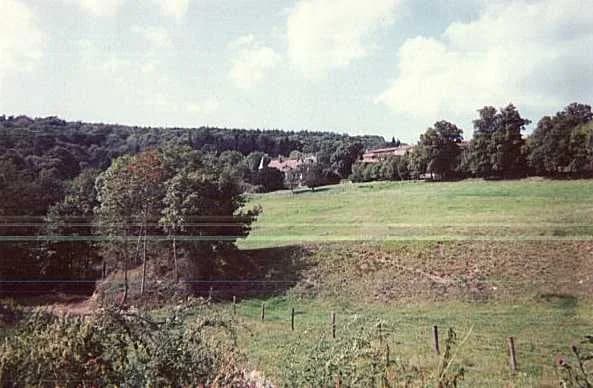
château of Sarcenat, France
ស្លាប់
April 10, 1955
New York City, United States
ល្បីដោយសារ
French philosopher, Jesuit priest, and paleontologist
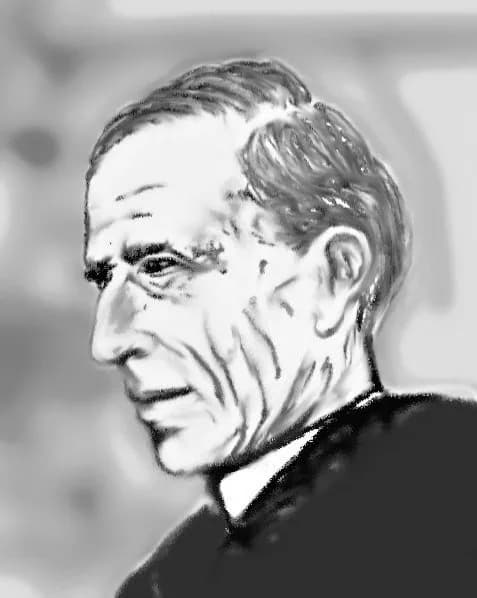
Pierre Teilhard de Chardin (1881–1955) was France best known for French philosopher, Jesuit priest, and paleontologist.
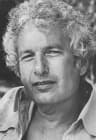
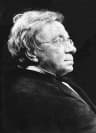
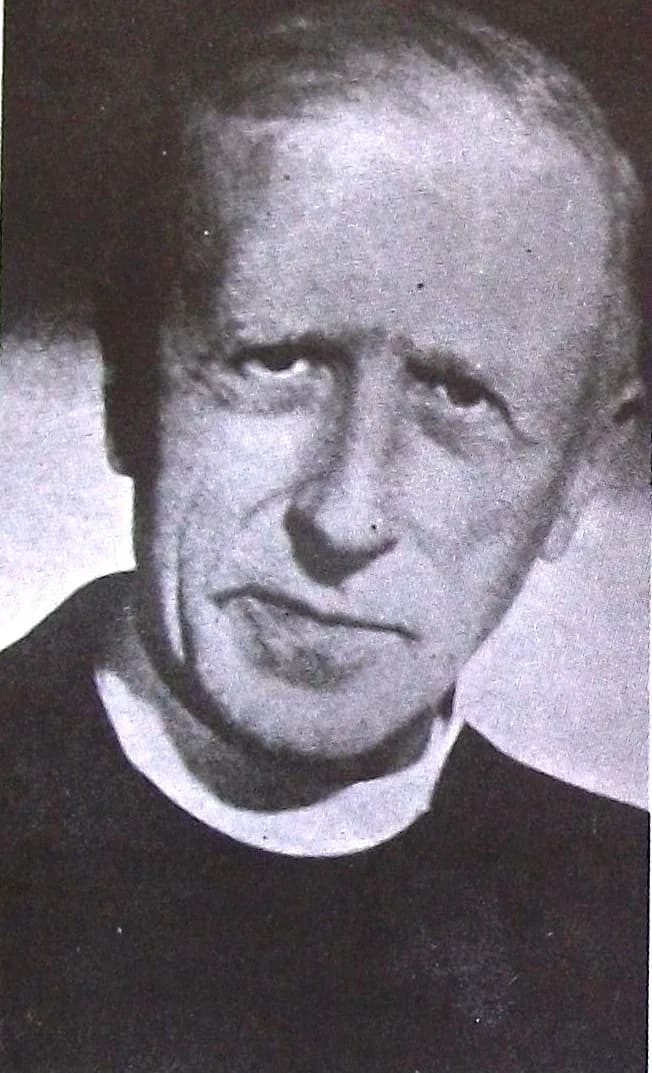
Pierre Teilhard de Chardin (May 1, 1881 – April 10, 1955) was a French philosopher, Jesuit priest, and paleontologist. He contributed to the discovery of Peking Man fossils and developed the concept of the noosphere. His writings uniquely synthesized evolutionary theory with Christian mysticism.
ជំពូកទី
ជំពូកជីវិត
ជំពូកទី 1 · 1881· ជំពូកទី 1 នៃ 8
A Life Dedicated to Integrating Science and Spirituality
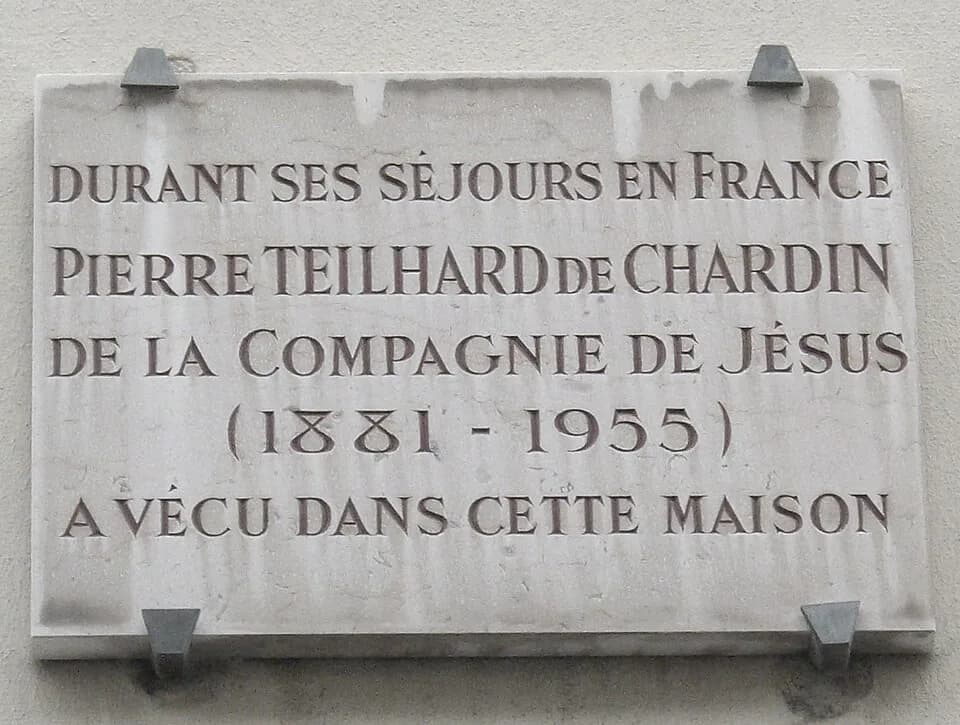
Pierre Teilhard de Chardin, who lived from May 1, 1881, to April 10, 1955, was a towering figure in the 20th century, known for his unique contributions as a French philosopher, Jesuit priest, and paleontologist. His life’s work was dedicated to reconciling scientific advancements, particularly evolutionary theory, with his deep Christian faith and mystical insights. He sought to demonstrate a harmonious connection between the material world and spiritual progression, influencing generations of thinkers across various disciplines.
Teilhard de Chardin's extensive career spanned multiple fields, encompassing his roles as a writer, Catholic priest, geologist, theologian, paleontologist, botanical collector, anthropologist, philosopher, and paleoanthropologist. This remarkable breadth of expertise allowed him to approach complex questions from diverse perspectives. His enduring legacy rests on his courageous attempts to bridge perceived divides between faith and reason, offering a vision of cosmic evolution leading towards greater unity and consciousness.
ជំពូកទី 2 · 1881· ជំពូកទី 2 នៃ 8
Early Life and Origins
Pierre Teilhard de Chardin was born on May 1, 1881, at the historic château of Sarcenat, nestled in the heart of France. His early environment, steeped in the natural beauty of the French countryside, likely fostered his developing interests in the natural sciences and observation. From a young age, he was exposed to a world that encouraged both intellectual curiosity and spiritual reflection, setting the stage for his future dual vocations.
His upbringing and education guided him towards a profound commitment to the Society of Jesus, leading him to become a Jesuit priest. This spiritual path provided a framework for his rigorous intellectual pursuits and shaped his philosophical outlook. His early studies laid the foundation for his later investigations into geology, paleontology, and the grand narrative of Earth's history, all viewed through the lens of a deeply spiritual man.
ជំពូកទី 3· ជំពូកទី 3 នៃ 8
Career Beginnings and Early Scientific Pursuits
Following his ordination as a Jesuit priest, Teilhard de Chardin began to actively merge his spiritual vocation with his burgeoning scientific passions. He quickly distinguished himself as a keen observer and scholar in the fields of geology and paleontology. His initial work focused on understanding the Earth's ancient past, meticulously studying rock formations and fossilized remains to piece together the history of life.
His early research included significant contributions to geological and paleontological studies across Europe. For example, he authored works such as “Les Carnassiers des phosphorites du Quercy” and “Les mammifères de l'éocène inférieur de la Belgique,” demonstrating his early expertise in specific faunal assemblages and geological periods. These initial scientific endeavors established his credibility within the academic community and prepared him for his more widely recognized contributions.
ជំពូកទី 4· ជំពូកទី 4 នៃ 8
Major Achievements and Career Highlights
Teilhard de Chardin's career was marked by several significant achievements, particularly in paleontological research and philosophical conceptualization. One of his most notable mainstream scientific accomplishments was his extensive paleontological research in China. He spent considerable time in the region, contributing invaluable expertise to the understanding of ancient hominids and their environments.
He played a crucial role in the discovery of the highly significant Peking Man fossils. These groundbreaking finds were unearthed from the Zhoukoudian cave complex, located near Beijing, providing crucial evidence for early human evolution. His detailed analyses and reports, such as the “Preliminary report on the Chou Kou Tien fossiliferous deposit,” were instrumental in documenting and interpreting these discoveries for the scientific world, solidifying his reputation as a pioneering paleoanthropologist.
Beyond his fieldwork, Teilhard de Chardin also made important theoretical contributions. Along with Vladimir Vernadsky, he developed the concept of the noosphere, an idea describing a 'sphere of thought' or human consciousness encircling the Earth, building upon the geosphere and biosphere. This concept emphasized the evolving collective intelligence of humanity. Furthermore, he investigated the theory of evolution from a unique perspective, heavily influenced by the process philosophy of Henri Bergson and Christian mysticism, offering a spiritual interpretation of cosmic development.
ជំពូកទី 5· ជំពូកទី 5 នៃ 8
The Personal Path of a Jesuit Scientist
As a Jesuit priest, Pierre Teilhard de Chardin's personal life was intrinsically linked to his spiritual commitments and scholarly pursuits. His chosen vocation meant a life dedicated to service, study, and reflection, which deeply informed his philosophical and scientific inquiries. He was known to be a mystic, a dimension of his personality that allowed him to perceive profound spiritual meaning within the scientific understanding of the universe.
His extensive travels, particularly his years spent in China for paleontological research, were not merely professional expeditions but also part of his personal journey. These experiences broadened his understanding of diverse cultures and landscapes, further enriching his holistic vision of humanity and the cosmos. His personal commitment to integrating his faith with scientific truth drove his intellectual output, shaping both his written works and his interactions with the world around him.
ជំពូកទី 6· ជំពូកទី 6 នៃ 8
Notable Works and Enduring Contributions
Pierre Teilhard de Chardin left behind a substantial body of work, encompassing both scientific reports and deeply philosophical and theological treatises. His bibliography reflects his diverse interests and his relentless quest to synthesize knowledge across different domains. Many of his significant works, published during his lifetime or posthumously, continue to inspire discussion and study.
His works include scientific reports vital to paleontology, such as “Les Carnassiers des phosphorites du Quercy,” which detailed specific fossil findings, and “Le néolithique de la Chine,” a study of early human presence in Asia. Another important contribution was “Preliminary report on the Chou Kou Tien fossiliferous deposit,” directly documenting the Peking Man site. He also explored other geological topics with “Les mammifères de l'éocène inférieur de la Belgique” and “Notes on Continental Geology,” demonstrating his broad expertise as a geologist.
Beyond pure science, Teilhard de Chardin penned profound philosophical and spiritual works, including “Construire la terre,” which translates to ‘Building the Earth,’ reflecting his vision for humanity’s role in cosmic evolution. “La parole attendue” ('The Expected Word') further explored his theological insights, while “愛について” (often translated as 'On Love' or 'Concerning Love') delved into the spiritual force of affection and unity. His reflections on human progress are evident in “Humanity's quest for unity,” a work that encapsulates his optimistic view of collective consciousness.
Even his personal correspondence provides insight into his intellectual development, exemplified by “Lettres d'Hastings et de Paris, 1908-1914.” His academic contributions are measurable through his h-index of 21 across 94 papers, indicating a significant influence in scholarly circles. Top cited works include “Impact of Spiritual Intelligence on Quality of Life” (2013, 36 citations) and “On Two Skulls of Machairodus from the Lower Pleistocene Beds of Choukoutien” (2009, 21 citations), which, while published posthumously, highlight the lasting scholarly interest in his scientific observations and philosophical frameworks.
ជំពូកទី 7· ជំពូកទី 7 នៃ 8
Later Years and Final Vision
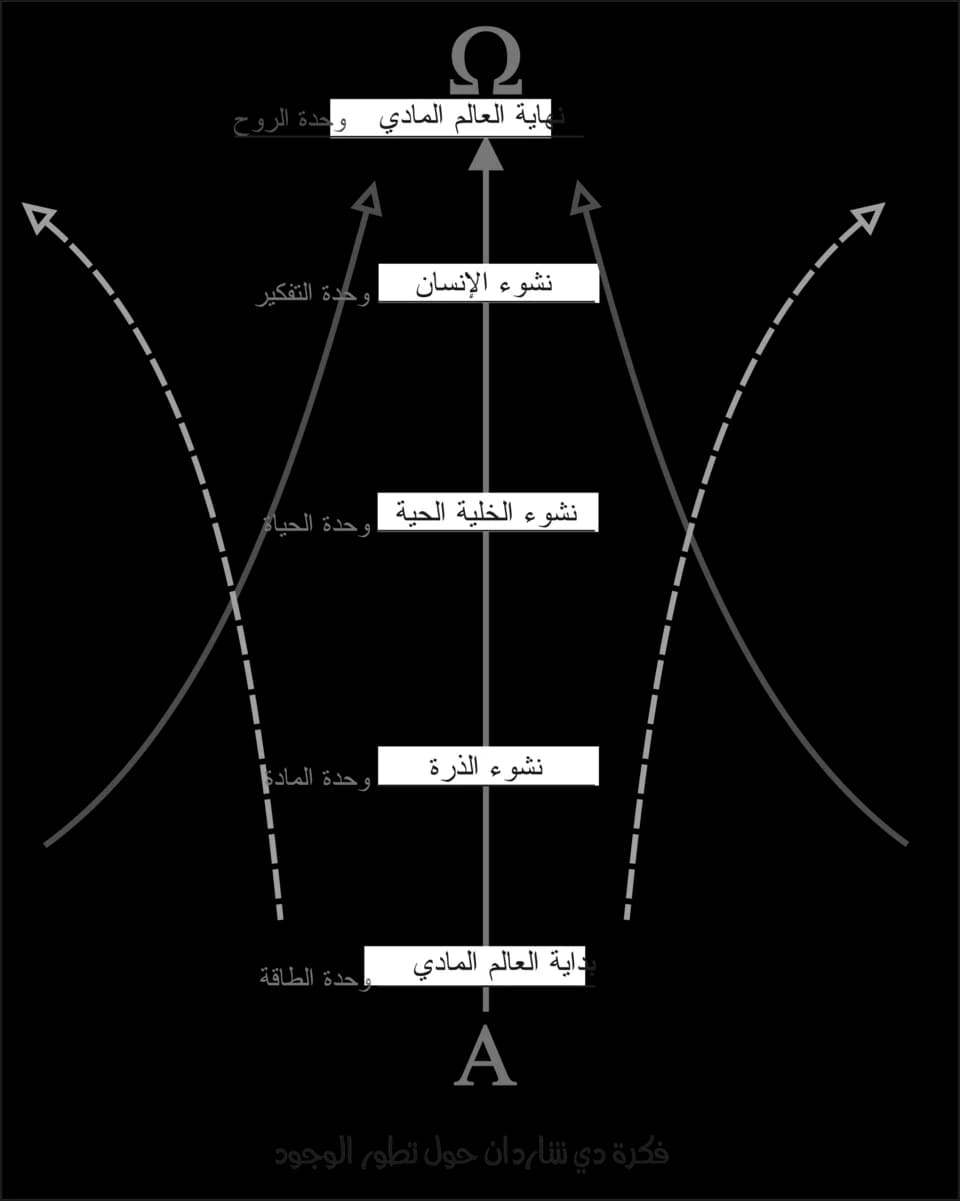
In his later years, Teilhard de Chardin continued to develop his more speculative ideas, building upon his scientific observations and spiritual insights. He articulated concepts such as the Omega Point, a theoretical maximum level of consciousness and complexity towards which the universe is evolving. This idea represents the ultimate culmination of cosmic and spiritual evolution, where all consciousness converges in a final, transcendent unity. His later writings, though sometimes criticized as pseudoscientific by some, offered a deeply hopeful and expansive vision of humanity's future.
He continued to write extensively on the synthesis of science and religion, striving to communicate his integrated worldview. Pierre Teilhard de Chardin passed away on April 10, 1955, in New York City, United States, leaving behind a rich intellectual legacy that would continue to unfold and gain recognition in the decades following his death. His final years were spent refining these profound ideas, which became central to his enduring influence.
ជំពូកទី 8· ជំពូកទី 8 នៃ 8
Legacy and Enduring Impact
Pierre Teilhard de Chardin's legacy is defined by his courageous and pioneering effort to bridge what were often seen as irreconcilable fields: empirical science and spiritual mysticism. He challenged conventional thinking by arguing for an evolutionary worldview that was not devoid of spiritual meaning but actively driven by it. His concept of the noosphere, developed with Vladimir Vernadsky, continues to be relevant in discussions about global consciousness, information networks, and humanity’s collective future.
His writings on evolution, influenced by Henri Bergson and Christian mysticism, offered an alternative narrative to purely materialistic interpretations. While some of his more speculative ideas, like the Omega Point, drew criticism and were sometimes labeled pseudoscientific, they nonetheless stimulated profound philosophical and theological debate. Teilhard de Chardin’s unique blend of the paleontologist's precision and the mystic’s intuition ensures his enduring relevance as a philosopher and theologian, whose work continues to inspire those seeking unity between the scientific understanding of the universe and its spiritual significance.
ជីវិតក្នុងពេលវេលា
ពេលវេលាដែលបានបង្កើតជីវិត
សំណួរញឹកញាប់
សំណួរញឹកញាប់
Pierre Teilhard de Chardin បានទទួលមរណភាពនៅពេលណា?
Pierre Teilhard de Chardin បានទទួលមរណភាពនៅថ្ងៃទី 10 មេសា 1955 នៅ New York City, United States, ក្នុងវ័យ 73 ឆ្នាំ។
Pierre Teilhard de Chardin បានកើតនៅឯណា?
Pierre Teilhard de Chardin បានកើតនៅ château of Sarcenat, France នៅថ្ងៃទី 1 ឧសភា 1881។
Pierre Teilhard de Chardin ត្រូវបានគេស្គាល់ច្រើនបំផុតពីអ្វី?
Pierre Teilhard de Chardin ត្រូវបានគេស្គាល់ច្រើនបំផុតពី French philosopher, Jesuit priest, and paleontologist។
Pierre Teilhard de Chardin មានអាយុប៉ុន្មាននៅពេលស្លាប់?
Pierre Teilhard de Chardin មានអាយុ 73 ឆ្នាំនៅពេលស្លាប់។
Pierre Teilhard de Chardin មានសញ្ជាតិអ្វី?
Pierre Teilhard de Chardin មកពី France។
បន្ទាត់ពេលវេលា
ជីវិតមួយពេលតែម្តង
វិចិត្រសាលរូបថត
ជីវិតក្នុងរូបភាព
ចុចលើ polaroid ណាមួយដើម្បីពង្រីក · 43 រូបថត
កូដ QR
ចែករំលែកជីវប្រវត្តិនេះ
បោះពុម្ព និងចែករំលែក
ស្កេនដើម្បីចូលមើលទំព័រជីវប្រវត្តិនេះ។ បោះពុម្ពសម្រាប់ព្រឹត្តិការណ៍ ការតាំងបង្ហាញ ឬឯកសារអប់រំ។