កើត
September 28, 1698
Saint-Malo, France
ស្លាប់
July 27, 1759
Basel, Switzerland
ល្បីដោយសារ
French mathematician, philosopher and man of letters
Pierre-Louis Moreau de Maupertuis (1698–1759) was France best known for French mathematician, philosopher and man of letters.
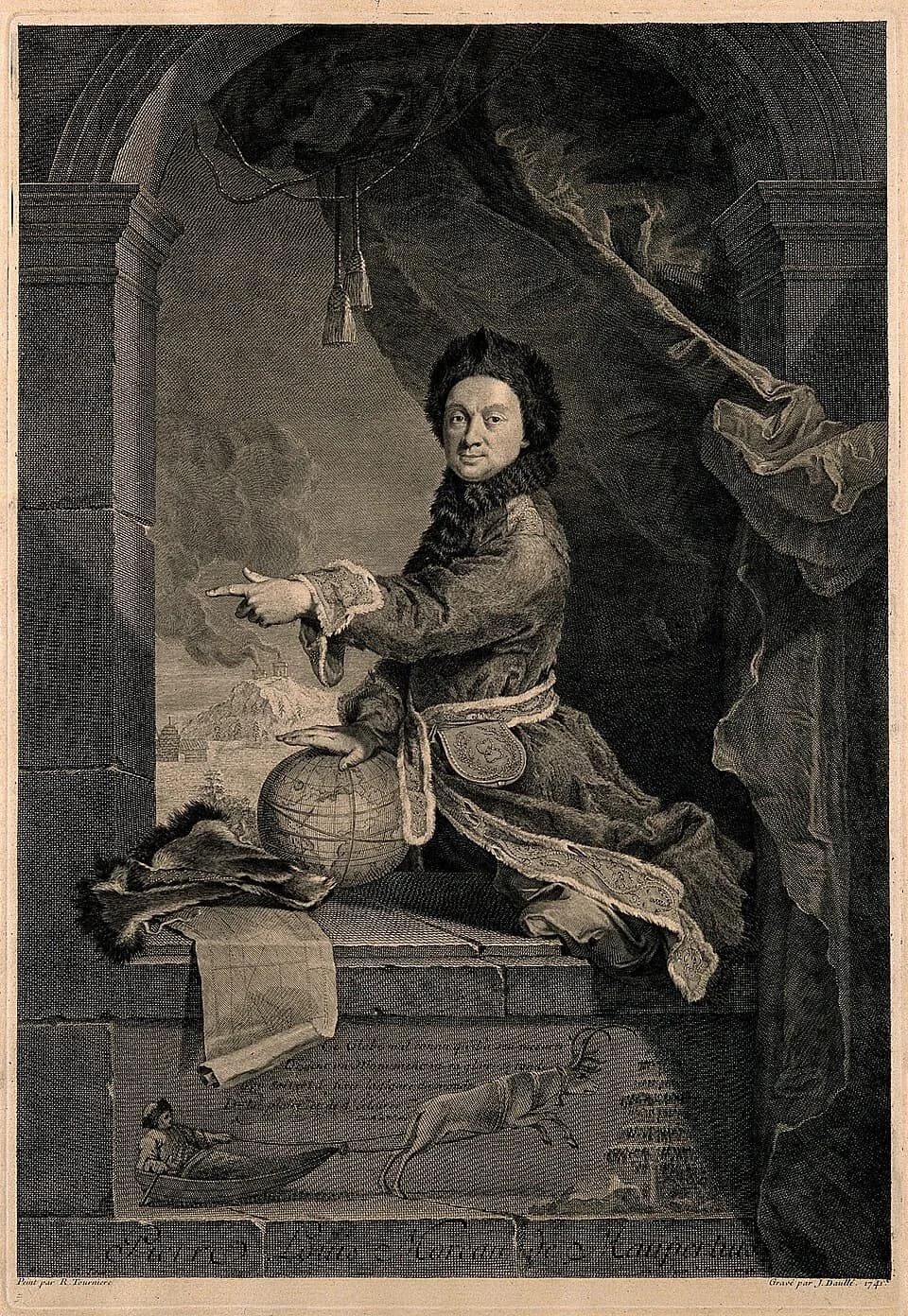
Pierre-Louis Moreau de Maupertuis (September 28, 1698 – July 27, 1759) was a French mathematician, philosopher, and man of letters from Saint-Malo, France. He was known for leading the expedition to Lapland that confirmed Earth's oblate shape and for his Principle of Least Action. He also served as the first president of the Prussian Academy of Science, invited by Frederick the Great.
ជំពូកទី
ជំពូកជីវិត
ជំពូកទី 1 · 1698· ជំពូកទី 1 នៃ 7
Early Life and Origins
Pierre-Louis Moreau de Maupertuis was born on September 28, 1698, in the coastal city of Saint-Malo, France. His upbringing provided him with an education that cultivated his natural aptitude for the sciences and philosophy. This early period in France was crucial in shaping his intellectual curiosity and preparing him for a life dedicated to scholarly pursuits.
ជំពូកទី 2· ជំពូកទី 2 នៃ 7
Career Beginnings
Maupertuis began his professional journey with a strong foundation in mathematics and physics, quickly making his mark in the scientific community. His talents led him to become actively involved with the esteemed Académie des Sciences in Paris. Early on, he showcased his capacity for tackling complex scientific problems, establishing his reputation among the leading thinkers of his time.
ជំពូកទី 3 · 1736· ជំពូកទី 3 នៃ 7
Major Achievements and Career Highlights
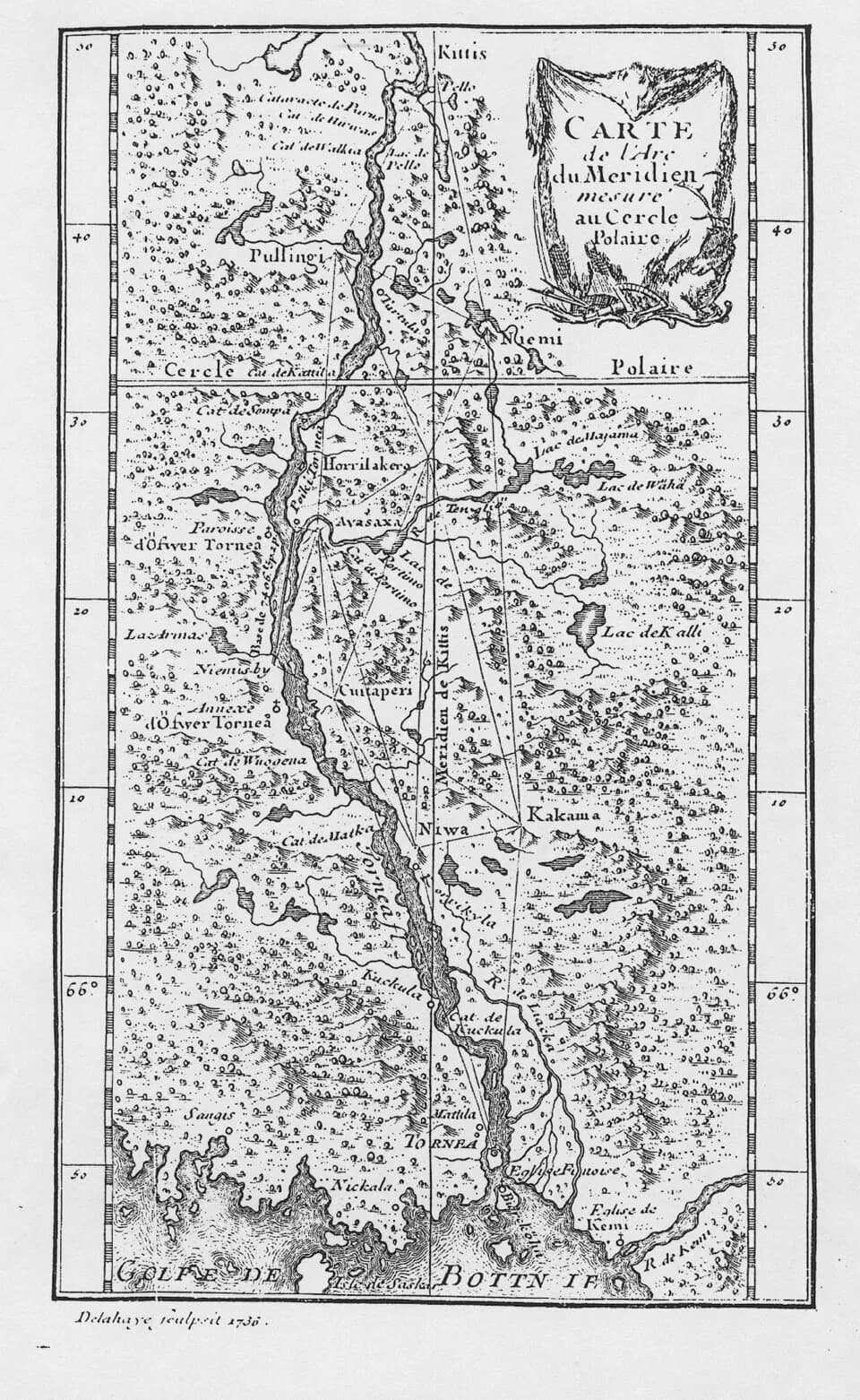
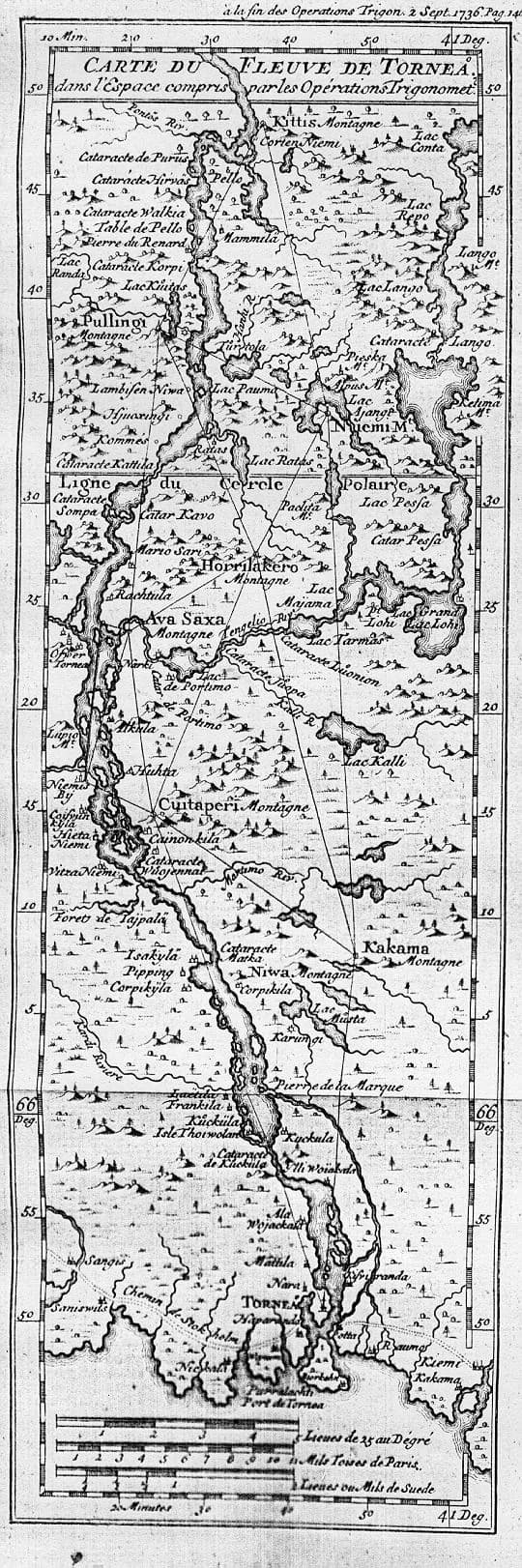
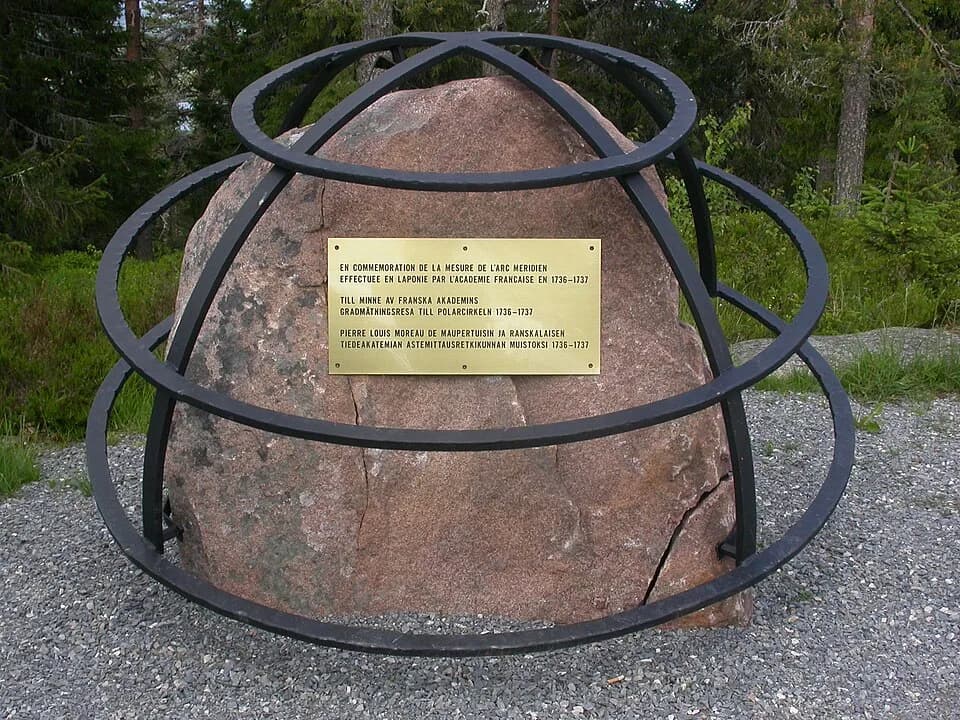
One of Maupertuis's most celebrated achievements was his leadership of the geodetic expedition to Lapland in 1736-1737. This ambitious undertaking aimed to measure the length of a degree of longitude near the Arctic Circle, providing critical empirical data. The results confirmed Isaac Newton's theoretical prediction that the Earth was flattened at its poles, settling a significant scientific debate against the Cassini family's measurements. Following this success, he was appointed director of the Académie des Sciences, a testament to his scientific standing. Later, at the personal invitation of Frederick the Great, Maupertuis assumed the prestigious role as the first president of the Prussian Academy of Science in Berlin, solidifying his status as a major international scientific leader.
ជំពូកទី 4· ជំពូកទី 4 នៃ 7
Personal Life
While specific details about Maupertuis's personal life, beyond his professional achievements, are not extensively provided in the given information, his deep engagement with intellectual circles suggests a life rich in academic friendships and philosophical discourse. His extensive travel and leadership positions indicate a man deeply immersed in the scientific and philosophical currents of the 18th century. His interactions with figures like Frederick the Great highlight his social prominence within the European intellectual elite.
ជំពូកទី 5· ជំពូកទី 5 នៃ 7
Notable Works or Contributions
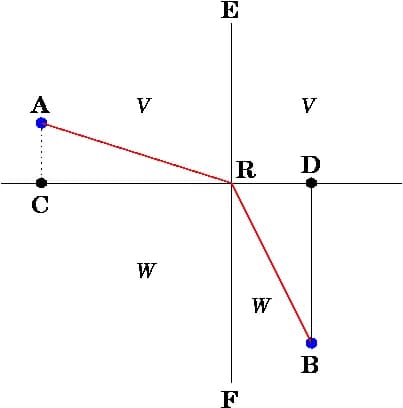
Maupertuis made lasting contributions through his scientific and philosophical writings, most notably his articulation of the Principle of Least Action. This fundamental principle posits that the path taken by a system between two states is the one for which the "action" (a physical quantity) is minimized. It found applications in various fields, including optics and mechanics, and influenced the development of variational principles in physics. As a philosopher and man of letters, his intellectual pursuits extended beyond pure science, engaging with broader questions of knowledge and existence.
ជំពូកទី 6 · 1759· ជំពូកទី 6 នៃ 7
Later Years
In his later years, Maupertuis continued his work at the helm of the Prussian Academy of Science, a demanding role involving significant administrative duties. He passed away on July 27, 1759, in Basel, Switzerland, leaving behind a rich legacy of scientific and philosophical inquiry. Even amidst the challenges of academic administration and ongoing scientific debates, he remained a central figure in European intellectual life until his death.
ជំពូកទី 7· ជំពូកទី 7 នៃ 7
Legacy and Impact
The legacy of Pierre-Louis Moreau de Maupertuis is defined by his crucial role in confirming the Earth's oblate spheroid shape, a victory for Newtonian physics, and his pioneering work on the Principle of Least Action. His leadership of both the French Académie des Sciences and the Prussian Academy of Science demonstrates his influence on institutional science in the 18th century. As a mathematician, physicist, astronomer, naturalist, and philosopher, he significantly advanced scientific thought and methodology, leaving an enduring intellectual heritage.
ជីវិតក្នុងពេលវេលា
ពេលវេលាដែលបានបង្កើតជីវិត
សំណួរញឹកញាប់
សំណួរញឹកញាប់
Pierre-Louis Moreau de Maupertuis បានទទួលមរណភាពនៅពេលណា?
Pierre-Louis Moreau de Maupertuis បានទទួលមរណភាពនៅថ្ងៃទី 27 កក្កដា 1759 នៅ Basel, Switzerland, ក្នុងវ័យ 60 ឆ្នាំ។
Pierre-Louis Moreau de Maupertuis បានកើតនៅឯណា?
Pierre-Louis Moreau de Maupertuis បានកើតនៅ Saint-Malo, France នៅថ្ងៃទី 28 កញ្ញា 1698។
Pierre-Louis Moreau de Maupertuis ត្រូវបានគេស្គាល់ច្រើនបំផុតពីអ្វី?
Pierre-Louis Moreau de Maupertuis ត្រូវបានគេស្គាល់ច្រើនបំផុតពី French mathematician, philosopher and man of letters។
Pierre-Louis Moreau de Maupertuis មានអាយុប៉ុន្មាននៅពេលស្លាប់?
Pierre-Louis Moreau de Maupertuis មានអាយុ 60 ឆ្នាំនៅពេលស្លាប់។
Pierre-Louis Moreau de Maupertuis មានសញ្ជាតិអ្វី?
Pierre-Louis Moreau de Maupertuis មកពី France។
បន្ទាត់ពេលវេលា
ជីវិតមួយពេលតែម្តង
វិចិត្រសាលរូបថត
ជីវិតក្នុងរូបភាព
ចុចលើ polaroid ណាមួយដើម្បីពង្រីក · 24 រូបថត
កូដ QR
ចែករំលែកជីវប្រវត្តិនេះ
បោះពុម្ព និងចែករំលែក
ស្កេនដើម្បីចូលមើលទំព័រជីវប្រវត្តិនេះ។ បោះពុម្ពសម្រាប់ព្រឹត្តិការណ៍ ការតាំងបង្ហាញ ឬឯកសារអប់រំ។