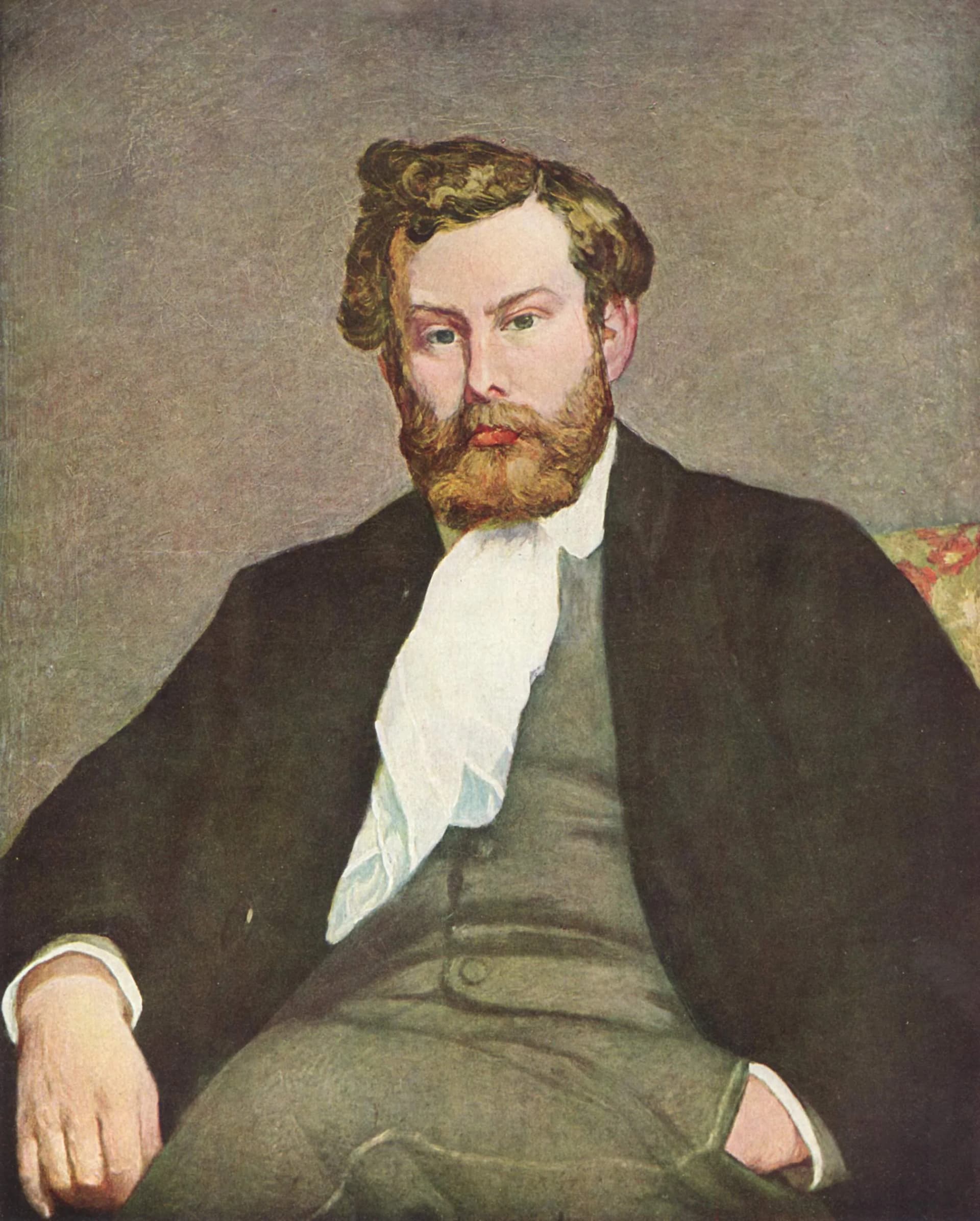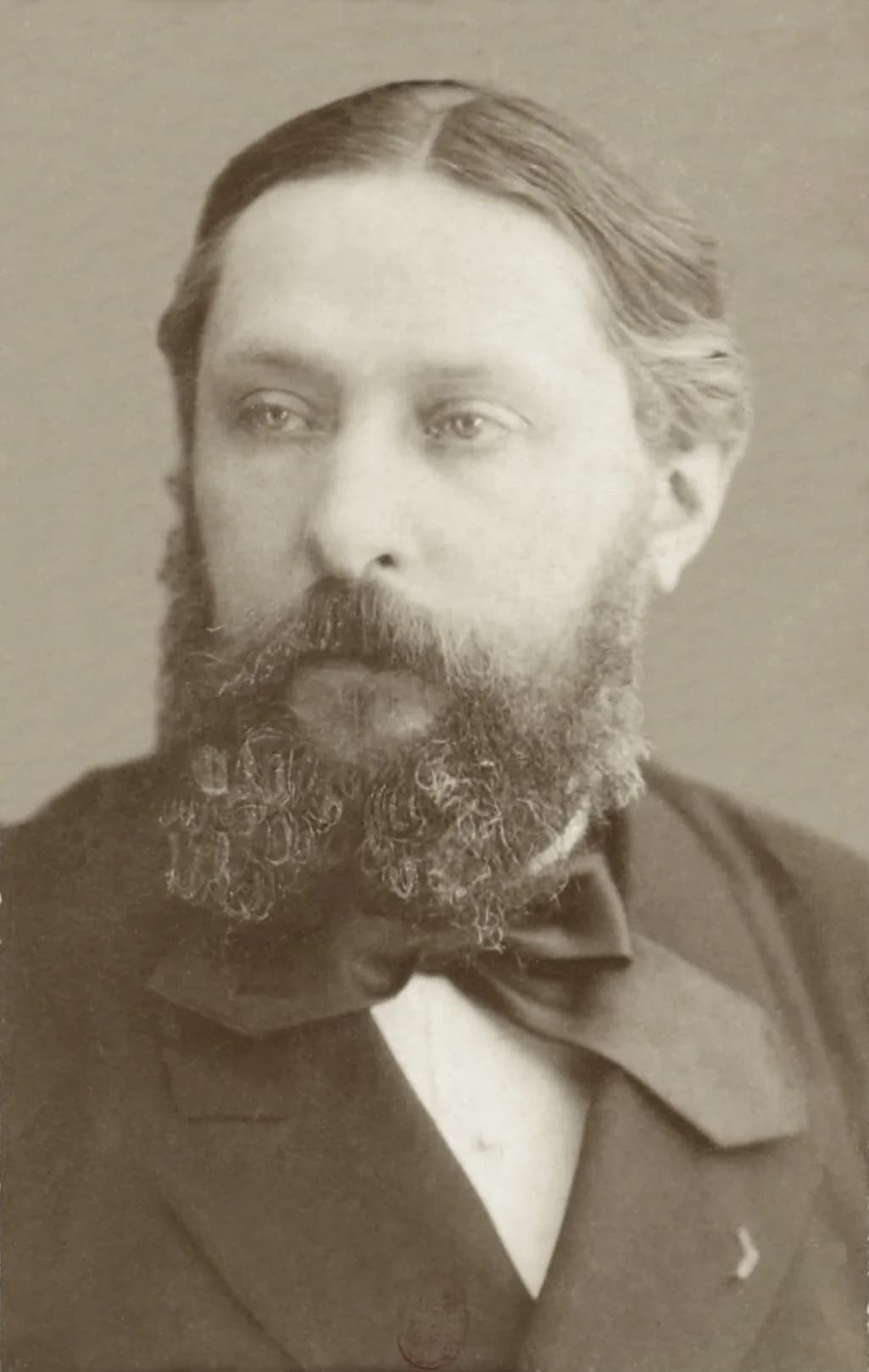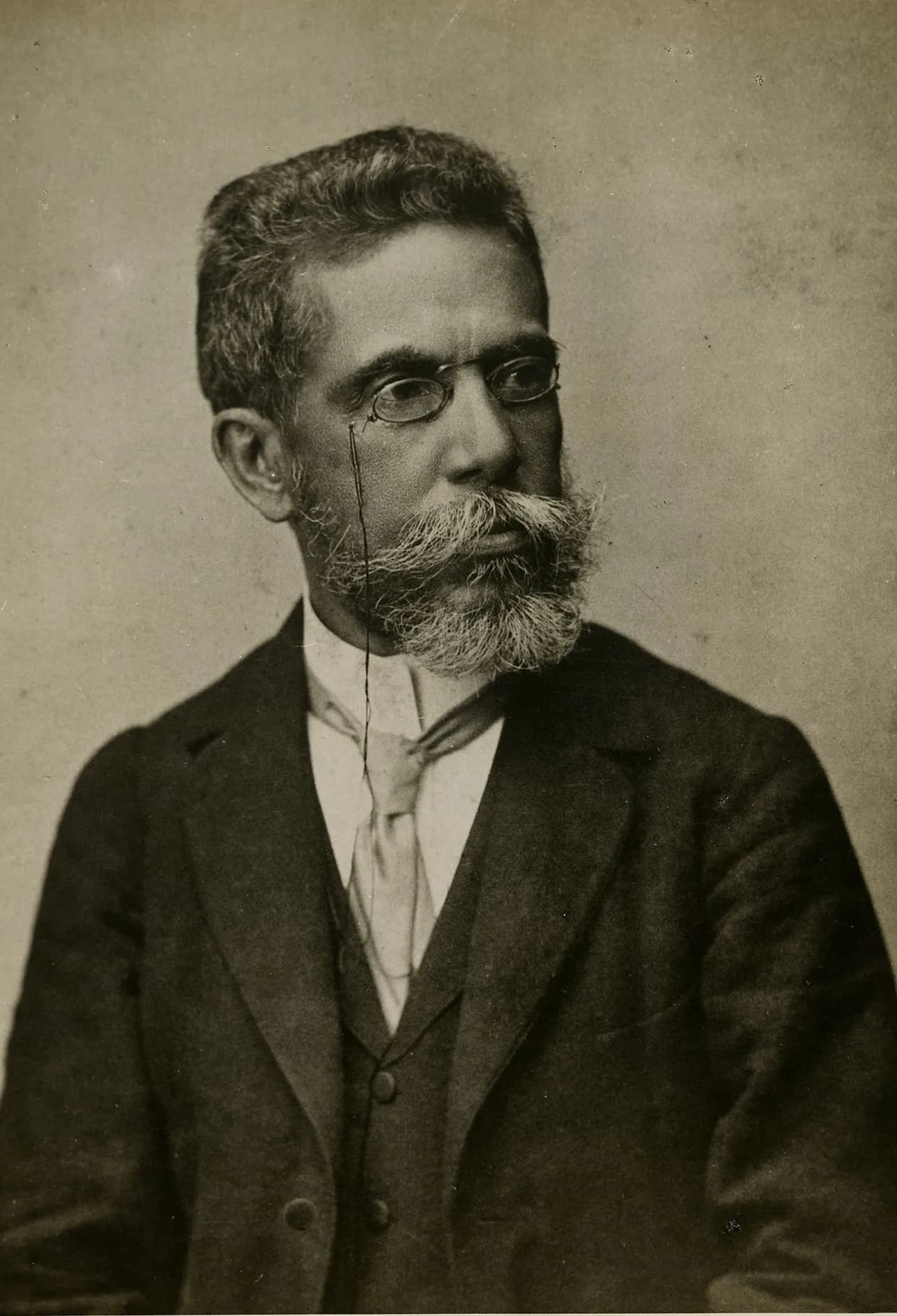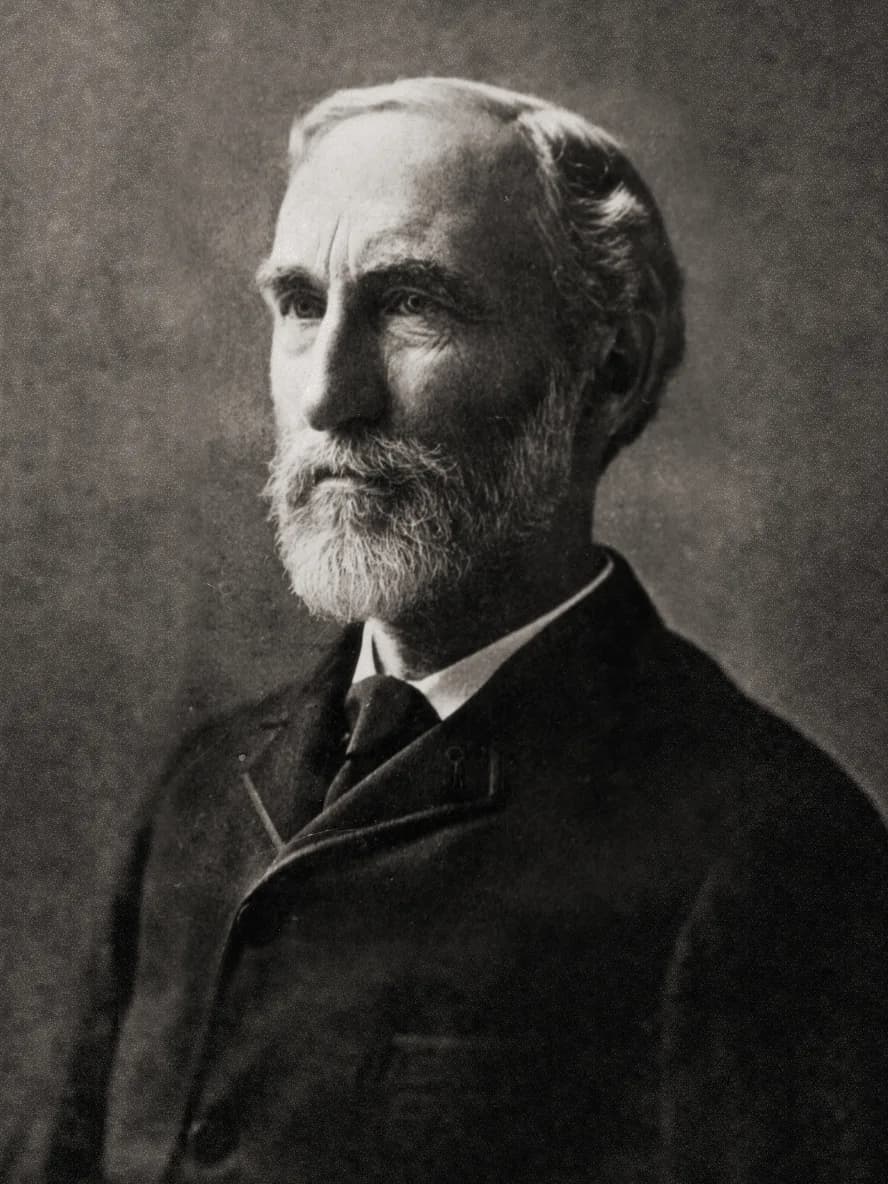
កើត
January 19, 1839
Aix-en-Provence, France
ស្លាប់
October 22, 1906
Aix-en-Provence, France
ល្បីដោយសារ
French painter
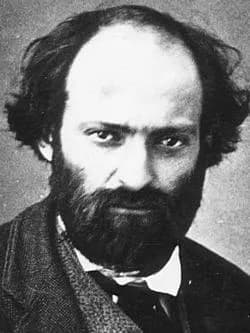
Paul Cézanne (1839–1906) was France best known for French painter.
Paul Cézanne (January 19, 1839 – October 22, 1906) was a French Post-Impressionist painter. His work introduced new modes of representation and formed a crucial bridge between late 19th-century Impressionism and early 20th-century Cubism. Cézanne's innovative approach profoundly influenced avant-garde artistic movements.
ជីវិតក្នុងពេលវេលា
ពេលវេលាដែលបានបង្កើតជីវិត
ជំពូកទី
ជំពូកជីវិត
ជំពូកទី 1 · 1839· ជំពូកទី 1 នៃ 7
Early Life and Origins
Paul Cézanne was born on January 19, 1839, in Aix-en-Provence, France, the city that would remain central to his life and art. Growing up in this picturesque region provided him with a deep connection to the landscapes and culture of Southern France. This early environment fostered an intimate relationship with his surroundings, which later manifested in his distinctive approach to depicting nature and everyday scenes.
ជំពូកទី 2· ជំពូកទី 2 នៃ 7
Career Beginnings
Cézanne's artistic journey began with a departure from conventional academic styles, gravitating towards a more personal and experimental approach. He initially engaged with the Impressionist movement, but soon sought to impart greater structure and solidity to his compositions. This early period was marked by an exploration of form and color, as he worked to develop a visual language that went beyond fleeting sensory impressions.
His early efforts laid the groundwork for his later breakthroughs, as he continuously refined his methods for seeing and interpreting the world around him. This persistent pursuit of a unique artistic vision characterized his initial steps as a painter, printmaker, draftsperson, and lithographer. He was driven by an internal desire to reconcile the sensory experience of Impressionism with a more enduring, architectural sense of reality in his artwork.
ជំពូកទី 3· ជំពូកទី 3 នៃ 7
Major Achievements and Career Highlights
Cézanne's most significant achievement was the introduction of new modes of representation that redefined artistic perception. He meticulously analyzed subjects through geometric simplification and multiple viewpoints, allowing for a fresh interpretation of volume and space on a two-dimensional surface. This methodical approach challenged prevailing artistic norms and presented viewers with a new way to engage with painted realities.
His work famously served as a crucial bridge between late 19th-century Impressionism and the radical movements of the early 20th century. While drawing from Impressionist palettes and outdoor painting, Cézanne moved towards a more structured and analytical approach to form. He aimed to build permanent art from the ephemeral observations of Impressionism, imbuing his paintings with a sense of lasting solidity.
Crucially, Cézanne's innovations directly influenced avant-garde artistic movements of the early 20th century, most notably Cubism. Artists like Pablo Picasso and Georges Braque looked to his structured compositions and fragmented perspectives as foundational to their own revolutionary work. His emphasis on geometric forms and the solidity of objects fundamentally reshaped how subsequent generations of artists perceived and constructed pictorial space.
ជំពូកទី 4· ជំពូកទី 4 នៃ 7
Personal Life
While the provided details offer little insight into the specifics of Paul Cézanne's personal relationships or interests beyond his dedication to art, it is clear his life was profoundly interwoven with his artistic pursuits. Residing predominantly in his birthplace of Aix-en-Provence, he maintained a focused and often solitary devotion to his craft. This dedication allowed him to consistently explore and develop his groundbreaking artistic theories and practices throughout his lifetime.
ជំពូកទី 5 · 1892· ជំពូកទី 5 នៃ 7
Notable Works or Contributions
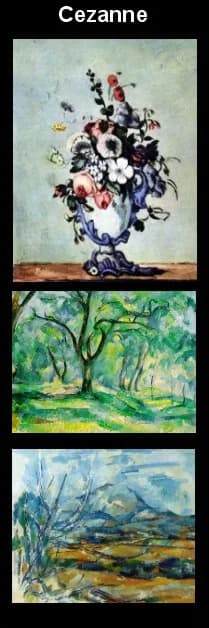
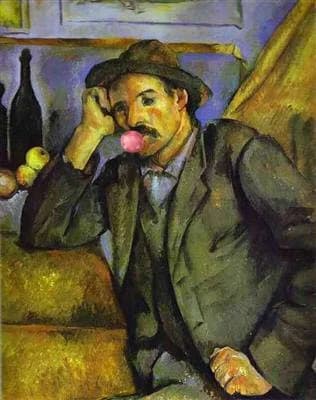
Paul Cézanne's artistic output includes a series of works that exemplify his innovative vision and enduring themes. His exploration of the human figure can be seen in pieces such as Seated Peasant (ca. 1892–96), held at the Met Museum, where he rendered the subject with a monumental presence. Similarly, Man Wearing a Straw Hat (1905/06), found at the Art Institute of Chicago (AIC), showcases his late-career mastery in depicting character through simplified forms and rich color.
His deep connection to his native region is palpable in landscapes like View of the Domaine Saint-Joseph (late 1880s), part of the Met Museum's collection. These works are not mere topographical representations but rather structured analyses of the natural world, demonstrating his pursuit of order beneath sensory appearances. His landscapes often feature the familiar motifs of Provence, interpreted through his unique lens.
Cézanne was also a prolific painter of still life, transforming everyday objects into subjects of intense artistic inquiry. Examples include Still Life with Apples and a Pot of Primroses (ca. 1890) and Dish of Apples (ca. 1876–77), both housed at the Met Museum. These still lifes reveal his meticulous arrangement of forms and his groundbreaking use of color to define structure and volume, making simple objects profoundly resonant. Another powerful composition, The Three Skulls (1902/06), at the AIC, illustrates his late exploration of mortality and form.
His genre scenes, such as The Card Players (1890–92), also held at the Met Museum, illustrate his ability to infuse ordinary human activities with a sense of timeless weight and formal rigor. In these paintings, figures are rendered with a solidity that anticipates the sculptural qualities of later art movements. Across all his subjects—portraits, landscapes, and still lifes—Cézanne consistently applied his principles of structured composition and analytical observation.
ជំពូកទី 6 · 1906· ជំពូកទី 6 នៃ 7
Later Years
Paul Cézanne spent his final years in his beloved Aix-en-Provence, continuing his relentless artistic experimentation until his death. He passed away on October 22, 1906, in the very city where he was born and had spent the majority of his life. During this period, his work became increasingly abstract and expressive, further pushing the boundaries of painting as he sought to achieve a profound synthesis of color, form, and emotion.
Even in his last years, Cézanne remained intensely dedicated to his craft, often working outdoors despite his declining health. This late output solidified his reputation as an artist who was always ahead of his time, consistently refining his visual language. His persistent commitment to his unique vision in Aix-en-Provence cemented his place as a solitary genius whose influence would only grow in the decades following his passing.
ជំពូកទី 7· ជំពូកទី 7 នៃ 7
Legacy and Impact
Paul Cézanne’s legacy is immense, positioning him as one of the most significant figures in the transition from 19th-century art to modernism. His dedication to exploring new modes of representation fundamentally altered the course of art history. He provided a robust intellectual and visual framework for future generations, showing that painting could be an analytical exploration of reality, not just an imitation.
The impact of his work on avant-garde artistic movements, particularly Cubism, cannot be overstated. Cézanne’s systematic approach to form, color, and perspective served as a foundational source of inspiration for artists seeking to break away from traditional academic and Impressionist conventions. His influence continues to resonate in contemporary art, affirming his enduring status as a visionary artist whose contributions remain central to understanding the development of modern painting.
សំណួរញឹកញាប់
សំណួរញឹកញាប់
Paul Cézanne បានទទួលមរណភាពនៅពេលណា?
Paul Cézanne បានទទួលមរណភាពនៅថ្ងៃទី 22 តុលា 1906 នៅ Aix-en-Provence, France, ក្នុងវ័យ 67 ឆ្នាំ។
Paul Cézanne បានកើតនៅឯណា?
Paul Cézanne បានកើតនៅ Aix-en-Provence, France នៅថ្ងៃទី 19 មករា 1839។
Paul Cézanne ត្រូវបានគេស្គាល់ច្រើនបំផុតពីអ្វី?
Paul Cézanne ត្រូវបានគេស្គាល់ច្រើនបំផុតពី French painter។
Paul Cézanne មានអាយុប៉ុន្មាននៅពេលស្លាប់?
Paul Cézanne មានអាយុ 67 ឆ្នាំនៅពេលស្លាប់។
Paul Cézanne មានសញ្ជាតិអ្វី?
Paul Cézanne មកពី France។
បន្ទាត់ពេលវេលា
ជីវិតមួយពេលតែម្តង
វិចិត្រសាលរូបថត
ជីវិតក្នុងរូបភាព
ចុចលើ polaroid ណាមួយដើម្បីពង្រីក · 48 រូបថត
កូដ QR
ចែករំលែកជីវប្រវត្តិនេះ
បោះពុម្ព និងចែករំលែក
ស្កេនដើម្បីចូលមើលទំព័រជីវប្រវត្តិនេះ។ បោះពុម្ពសម្រាប់ព្រឹត្តិការណ៍ ការតាំងបង្ហាញ ឬឯកសារអប់រំ។