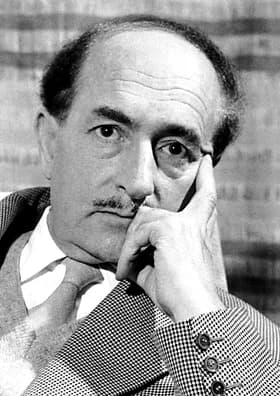
កើត
December 21, 1918
Sankt Andrä-Wördern, Austria
ស្លាប់
June 14, 2007
Vienna, Austria
ល្បីដោយសារ
Austrian politician and diplomat
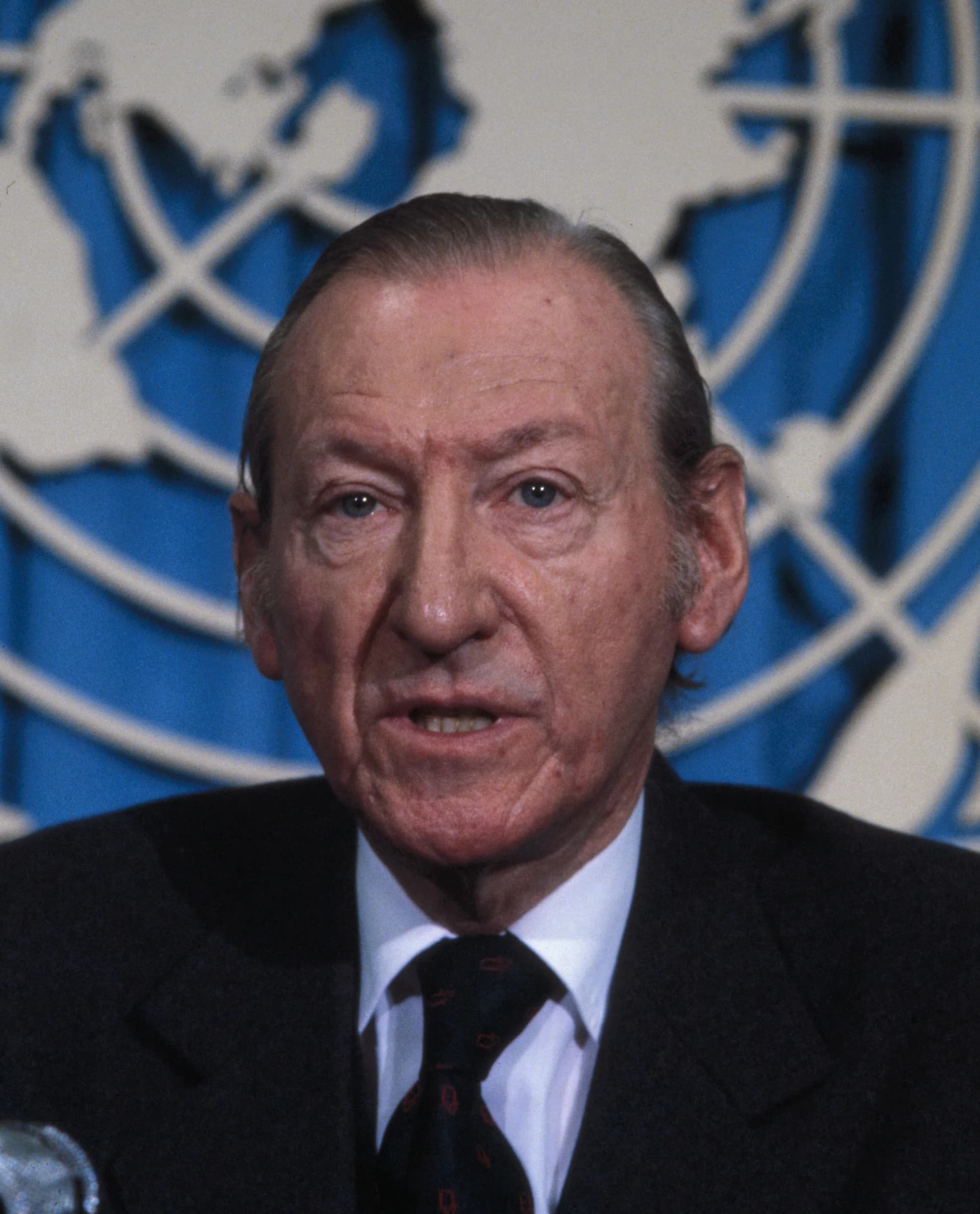
Kurt Waldheim (1918–2007) was Austria best known for Austrian politician and diplomat.
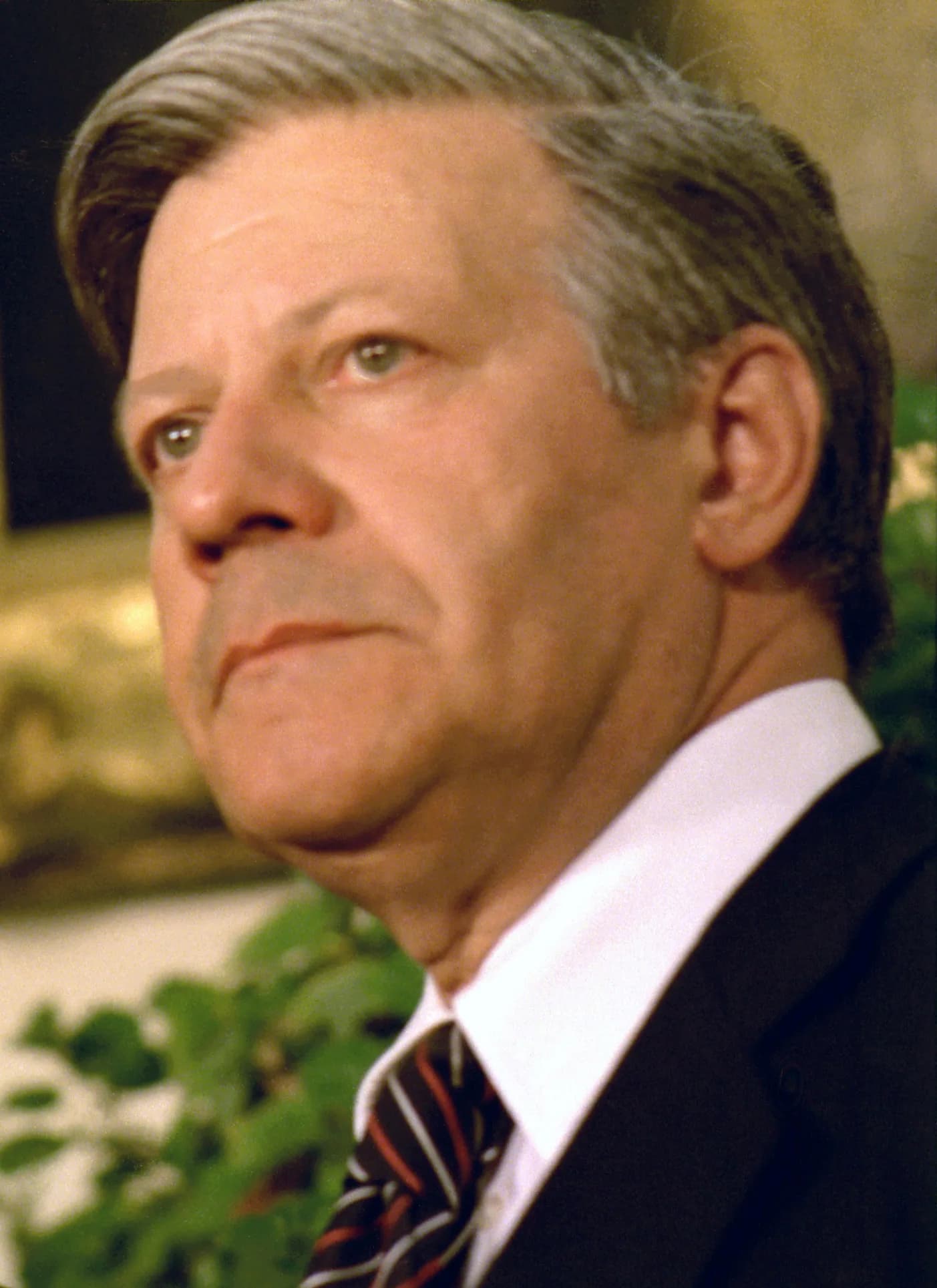
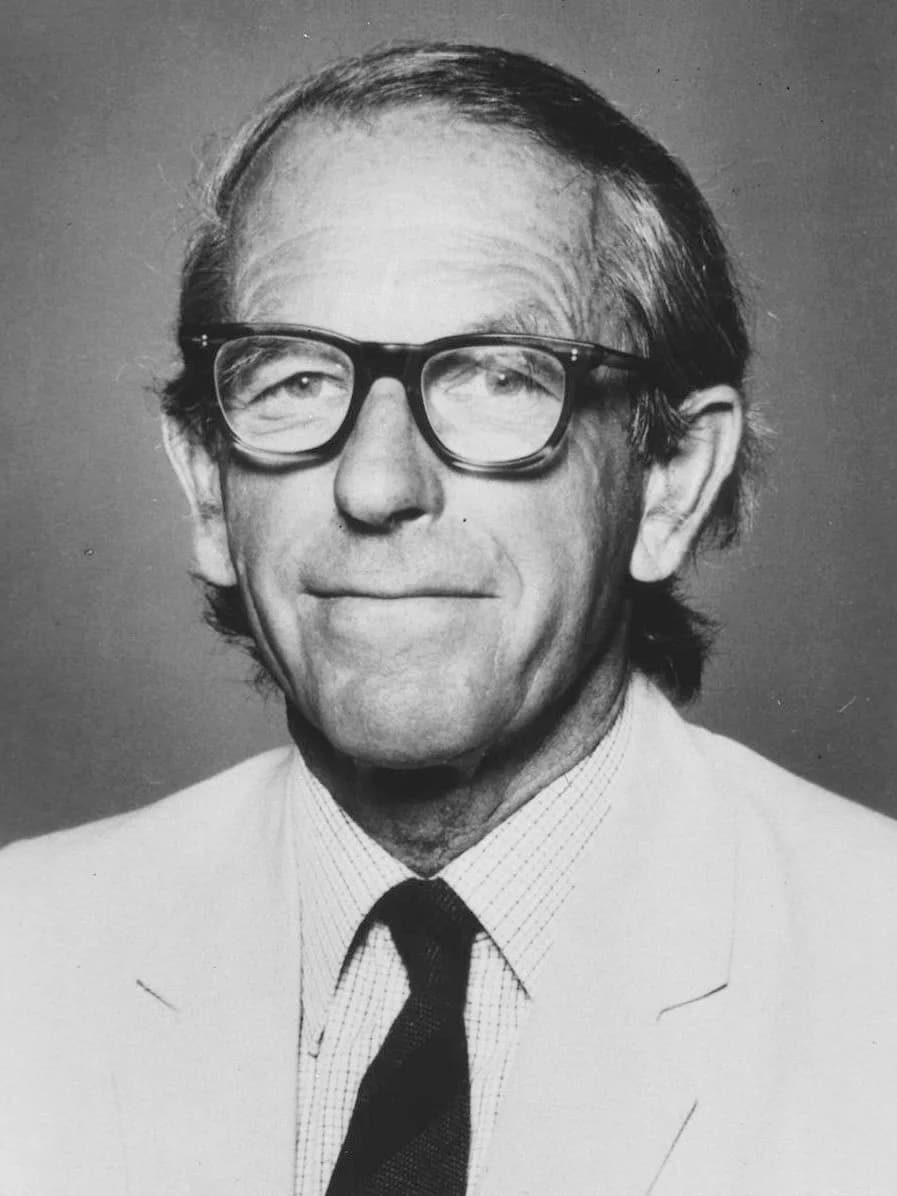
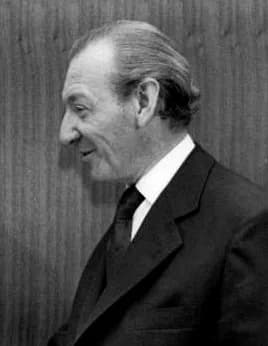
Kurt Waldheim (December 21, 1918 – June 14, 2007) was an Austrian politician and diplomat. He served as the Secretary-General of the United Nations and later as President of Austria, leaving a significant mark on international relations and his home country.
ជីវិតក្នុងពេលវេលា
ពេលវេលាដែលបានបង្កើតជីវិត
ជំពូកទី
ជំពូកជីវិត
ជំពូកទី 1 · 1918· ជំពូកទី 1 នៃ 7
Early Life and Origins
Kurt Waldheim began his life in Sankt Andrä-Wördern, Austria, on December 21, 1918, a time of significant historical change for Central Europe. His formative years in Austria undoubtedly contributed to the development of his perspective on international relations and national identity. The educational foundation he received in his youth prepared him for a future where he would engage with complex legal and political structures. This period of his life laid the groundwork for a career that would ultimately see him rise to the highest levels of global and national leadership.
ជំពូកទី 2· ជំពូកទី 2 នៃ 7
Career Beginnings
Waldheim's professional journey commenced with his training as a lawyer, equipping him with critical analytical and negotiation skills essential for his future diplomatic endeavors. His early experiences also included military service, which instilled discipline and an understanding of strategic thinking. These foundational professions provided a robust background for a public servant destined for significant roles in government and international organizations. His meticulous attention to detail and his ability to navigate intricate legal frameworks became invaluable assets in his subsequent political and diplomatic career.
ជំពូកទី 3 · 1972· ជំពូកទី 3 នៃ 7
Major Achievements and Career Highlights
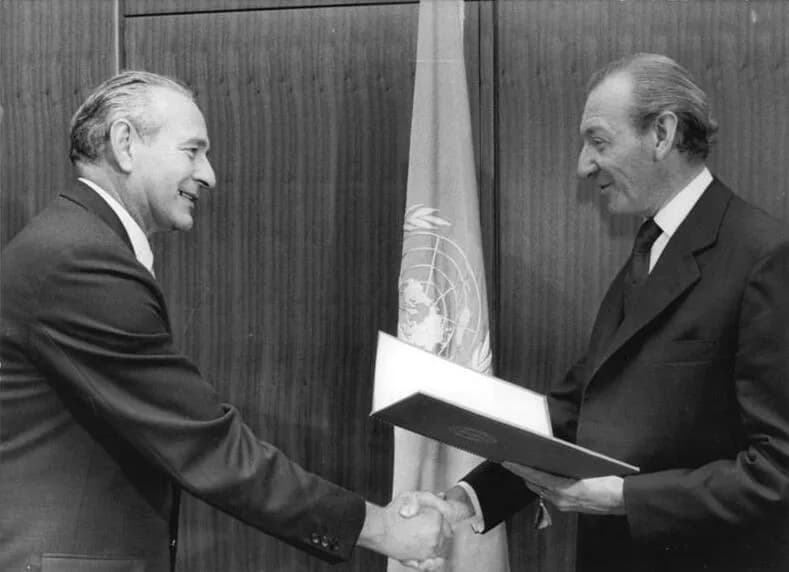
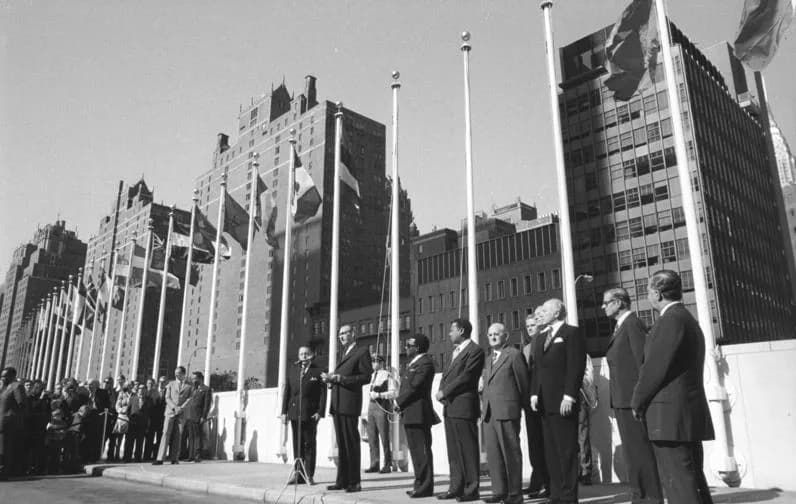
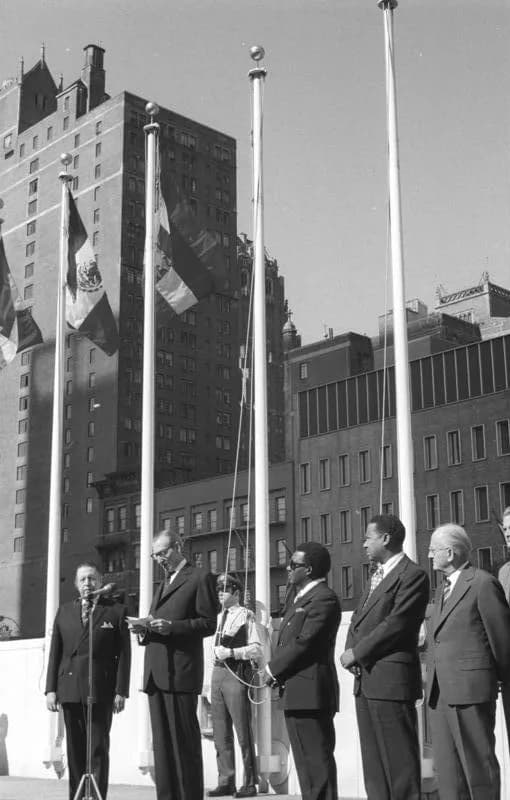
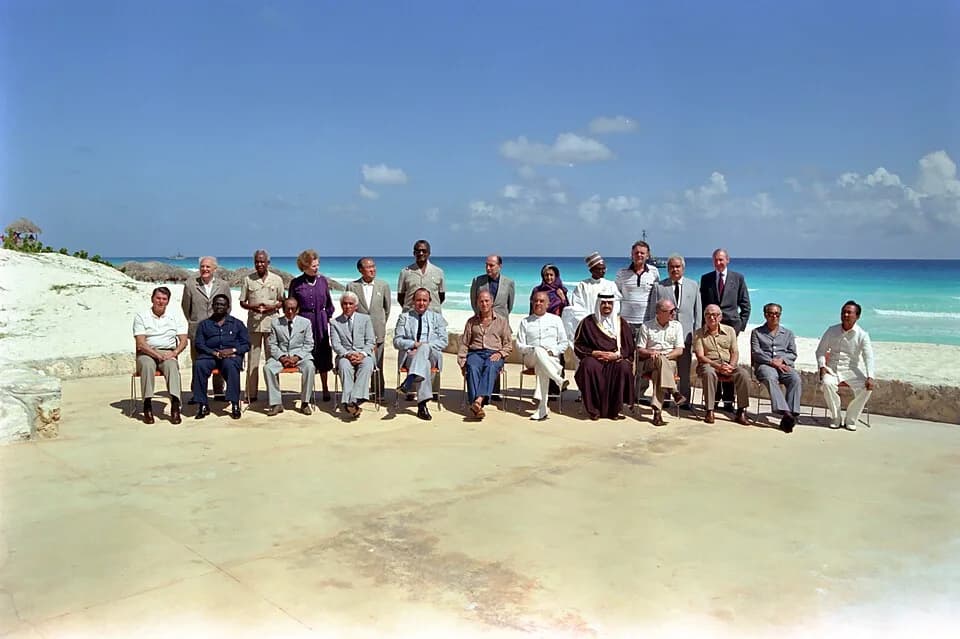
A significant portion of Kurt Waldheim’s career was dedicated to international service, culminating in his election as the Secretary-General of the United Nations. He served in this esteemed position from 1972 to 1981, presiding over a period of diverse global challenges and diplomatic efforts. During his tenure, he played a crucial role in mediating international disputes and advocating for peace and security on a worldwide scale. His leadership at the United Nations established him as a key figure in 20th-century diplomacy, working tirelessly to foster cooperation among member states.
After his years at the United Nations, Waldheim returned to the political arena in his home country, assuming the presidency of Austria. From 1986 to 1992, he served as the head of state, representing Austria on both national and international platforms. This period marked his transition from a global diplomat to a national leader, bringing his extensive experience in international affairs to bear on domestic policy and foreign relations. His presidency underscored a lifelong commitment to public service, influencing Austria's standing within Europe and beyond.
ជំពូកទី 4· ជំពូកទី 4 នៃ 7
Personal Life
While Kurt Waldheim's public career was extensively documented, specific details regarding his personal life, family relationships, or private interests beyond his professional engagements are not widely available in the provided information. His dedication appears to have been predominantly focused on his demanding roles in diplomacy and politics. The intensity and breadth of his commitments as a lawyer, military personnel, politician, and diplomat would have commanded much of his time and attention throughout his adult life.
ជំពូកទី 5· ជំពូកទី 5 នៃ 7
Notable Works or Contributions
Kurt Waldheim was not only a distinguished politician and diplomat but also a prolific writer, contributing several autobiographical and policy-focused works that offered insights into his experiences and perspectives. Among his notable books is Un métier unique au monde, a reflection on his unique career path and the challenges he faced in global leadership. He explored themes of peace and international order in titles such as The challenge of peace and Building the future order, drawing directly from his time at the United Nations.
His writings also delved into Austrian affairs and foreign policy, with works like Der österreichische Weg and Bilanz der österreichischen Aussenpolitik providing his insights into his home country's role in the world. Other significant contributions include Worauf es mir ankommt, Introduction to the report of the Secretary-General on the work of the organization, Der schwierigste Job der Welt, and Im Glaspalast der Weltpolitik. These publications collectively showcase his intellectual engagement with the complex issues of diplomacy, national governance, and global cooperation, offering a window into his thought processes and policy recommendations.
ជំពូកទី 6 · 1992· ជំពូកទី 6 នៃ 7
Later Years
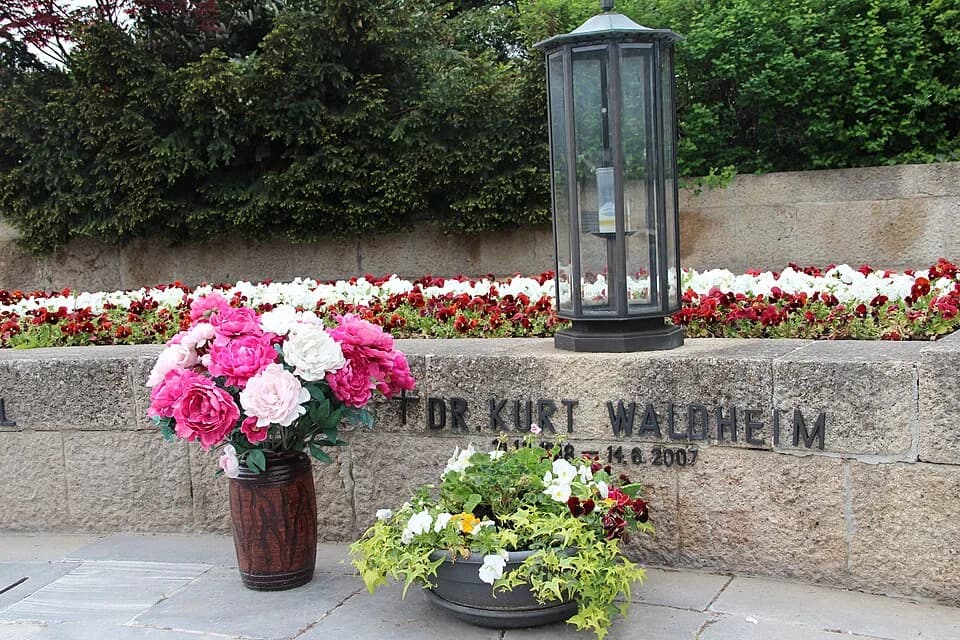
Following the conclusion of his presidential term in Austria in 1992, Kurt Waldheim continued to be a figure of note, albeit outside the immediate spotlight of active political office. He had dedicated decades to public service, transitioning from active leadership to a more reflective period. His final years were spent in Vienna, Austria, the city that had served as a significant backdrop for much of his national political life and where he passed away on June 14, 2007. His passing marked the end of a life characterized by profound engagement with both national and international affairs, leaving a lasting impression on the diplomatic community.
ជំពូកទី 7 · 1972· ជំពូកទី 7 នៃ 7
Legacy and Impact
Kurt Waldheim's legacy is defined by his extensive service as both an international diplomat and a national statesman. His nine years as Secretary-General of the United Nations from 1972 to 1981 positioned him at the forefront of global efforts to maintain peace and foster cooperation among nations. Through this role, he engaged directly with the most pressing issues facing humanity, from conflicts to humanitarian crises, seeking diplomatic resolutions and advancing international understanding. His unwavering commitment to the principles of the United Nations influenced global discourse during a critical decade.
Upon his return to Austria, his presidency from 1986 to 1992 demonstrated his dedication to his homeland, where he applied his vast diplomatic experience to national governance. He brought a global perspective to Austrian politics, strengthening the country’s international presence and its role within the European community. His career as a lawyer, military personnel, politician, diplomat, and autobiographer showcased a life spent in the pursuit of public good and a deep engagement with the mechanisms of power and policy. Waldheim’s various publications further extended his influence, providing written reflections on his experiences and insights into the challenges of peace and leadership.
The numerous works he authored, such as The challenge of peace and Im Glaspalast der Weltpolitik, continue to serve as important documents for students of international relations and political science. These writings capture his understanding of global dynamics and the intricate nature of diplomacy, offering his personal reflections on the demanding roles he undertook. His efforts to bridge divides and advocate for dialogue left a significant mark on the institutions he served and the countless individuals touched by his work. Kurt Waldheim's contributions as an Austrian politician and diplomat ensured his enduring place in the annals of 20th-century history.
សំណួរញឹកញាប់
សំណួរញឹកញាប់
Kurt Waldheim បានទទួលមរណភាពនៅពេលណា?
Kurt Waldheim បានទទួលមរណភាពនៅថ្ងៃទី 14 មិថុនា 2007 នៅ Vienna, Austria, ក្នុងវ័យ 88 ឆ្នាំ។
Kurt Waldheim បានកើតនៅឯណា?
Kurt Waldheim បានកើតនៅ Sankt Andrä-Wördern, Austria នៅថ្ងៃទី 21 ធ្នូ 1918។
Kurt Waldheim ត្រូវបានគេស្គាល់ច្រើនបំផុតពីអ្វី?
Kurt Waldheim ត្រូវបានគេស្គាល់ច្រើនបំផុតពី Austrian politician and diplomat។
Kurt Waldheim មានអាយុប៉ុន្មាននៅពេលស្លាប់?
Kurt Waldheim មានអាយុ 88 ឆ្នាំនៅពេលស្លាប់។
Kurt Waldheim មានសញ្ជាតិអ្វី?
Kurt Waldheim មកពី Austria។
បន្ទាត់ពេលវេលា
ជីវិតមួយពេលតែម្តង
វិចិត្រសាលរូបថត
ជីវិតក្នុងរូបភាព
ចុចលើ polaroid ណាមួយដើម្បីពង្រីក · 46 រូបថត
កូដ QR
ចែករំលែកជីវប្រវត្តិនេះ
បោះពុម្ព និងចែករំលែក
ស្កេនដើម្បីចូលមើលទំព័រជីវប្រវត្តិនេះ។ បោះពុម្ពសម្រាប់ព្រឹត្តិការណ៍ ការតាំងបង្ហាញ ឬឯកសារអប់រំ។