កើត
June 11, 1776
East Bergholt, United Kingdom
ស្លាប់
March 31, 1837
Charlotte Street, United Kingdom
ល្បីដោយសារ
English painter
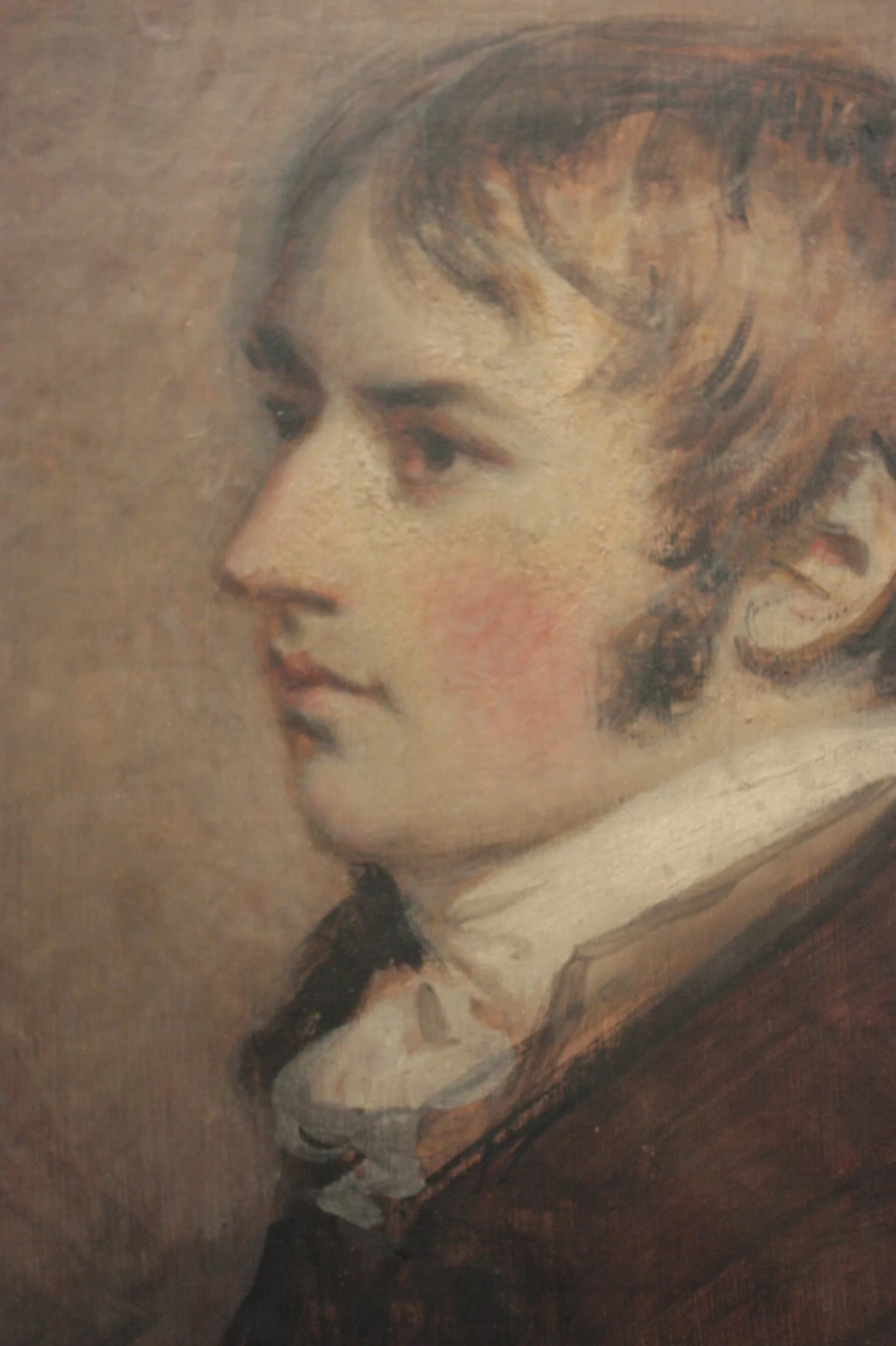
John Constable (1776–1837) was United Kingdom best known for English painter.
John Constable (June 11, 1776 – March 31, 1837) was an English landscape painter from East Bergholt, United Kingdom. He revolutionized landscape painting with his deeply affectionate depictions of Dedham Vale, now known as 'Constable Country.' His work emphasized personal feeling, leaving a lasting mark on the Romantic tradition.
ជំពូកទី
ជំពូកជីវិត
ជំពូកទី 1 · 1776· ជំពូកទី 1 នៃ 8
A Legacy in Landscape Painting
John Constable, born on June 11, 1776, and passed away on March 31, 1837, was a celebrated English landscape painter whose work profoundly influenced the art world. He is primarily remembered for revolutionizing the genre of landscape painting through his intense affection for his native Suffolk, particularly the picturesque Dedham Vale. Constable's innovative approach captured the spirit of the Romantic tradition, focusing on the emotional connection between the artist and nature.
ជំពូកទី 2· ជំពូកទី 2 នៃ 8
Early Life and Origins
Born in East Bergholt, United Kingdom, John Constable's formative years were spent amidst the very scenery that would define his artistic career. The area on the borderland of Suffolk and north Essex, surrounding his home, became his primary muse. This region, now affectionately known as "Constable Country," deeply embedded itself in his artistic consciousness from an early age, providing endless inspiration for his canvases.
His deep connection to these familiar surroundings was a guiding principle throughout his life and work. Constable once expressed his conviction, writing to his friend John Fisher in 1821, "I should paint my own places best." This sentiment underscored his belief that genuine feeling was essential to true artistic expression, asserting, "painting is but another word for feeling."
ជំពូកទី 3· ជំពូកទី 3 នៃ 8
Career Beginnings
Constable began his professional journey not only as a visual artist but also as an architectural draftsperson. This early discipline likely sharpened his observational skills and precision, foundational elements for his later detailed landscape works. He steadily transitioned into his calling as an artist and painter, embracing the role of a landscape painter with increasing dedication.
His early artistic pursuits laid the groundwork for his distinctive style, which combined close observation of nature with a profound emotional depth. This period saw him developing the techniques and perspectives that would later define his unique contribution to the art world, steadily moving toward a more personal and expressive form of landscape art.
ជំពូកទី 4· ជំពូកទី 4 នៃ 8
Major Achievements and Career Highlights
John Constable's most significant achievement was his radical transformation of landscape painting, moving it beyond mere topographical representation to a medium for emotional and personal expression. He infused his scenes of Dedham Vale with an unparalleled intensity of affection, making the familiar extraordinary. His work aligned with the Romantic tradition, emphasizing feeling and individuality over classical ideals.
Through his dedication to painting his immediate surroundings, Constable demonstrated that profound artistic meaning could be found in the ordinary and local. His enduring declaration, "painting is but another word for feeling," encapsulates his philosophy and his lasting contribution to art history. He elevated the genre by making the artist's personal connection to the subject central to the artwork itself.
ជំពូកទី 5· ជំពូកទី 5 នៃ 8
Personal Life and Artistic Philosophy
While specific details of John Constable's personal relationships are not extensively provided, his intense affection for his home region, Dedham Vale, speaks volumes about his character and artistic inspiration. This deep personal bond with the natural world around him was not merely a preference but a core component of his artistic identity. He found truth and beauty in the landscapes he knew best.
His belief that he would "paint my own places best" reveals a deep-seated connection to his roots and a conviction that authenticity stemmed from personal experience. This philosophy guided his choice of subject matter and imbued his paintings with a genuine warmth and intimacy. His life's work was a testament to the power of personal feeling in art.
ជំពូកទី 6 · 1825· ជំពូកទី 6 នៃ 8
Notable Works and Contributions
John Constable created a rich body of work that continues to be admired globally. Among his celebrated paintings is *Salisbury Cathedral from the Bishop's Grounds* (ca. 1825), a serene depiction housed at the Met Museum. He returned to certain beloved subjects, as seen in *Stoke-by-Nayland* (ca. 1810–11) at the Met Museum, and another rendition from 1836 at the Art Institute of Chicago (AIC).
Other significant contributions include *Hampstead Heath with Bathers* (ca. 1821–22) at the Met Museum, and a portrait, *Mrs. James Pulham Sr. (Frances Amys, ca. 1766–1856)* (1818), also at the Met Museum. The AIC holds several of his important works, such as *Landscape (The Lock)* (c. 1820–25), *Landscape with Cottages* (1809–10), and *An Old Bridge at Salisbury* (c. 1826). His early observational skills are evident in *Hampstead, Stormy Sky* (1814) and *A Stand of Elm Trees (recto); A Study of East Bergholt with the Church (verso)* (c. 1802), both at the AIC. Other works like *Binfield Rectory and Church, Berkshire* (1816) further showcase his diverse artistic output.
ជំពូកទី 7 · 1837· ជំពូកទី 7 នៃ 8
Later Years
John Constable continued his dedication to painting throughout his life, refining his expressive technique and his profound connection to the English countryside. His artistic journey culminated with his passing on March 31, 1837, in Charlotte Street, United Kingdom. Even in his final years, his commitment to his vision remained unwavering, leaving behind a completed body of work that demonstrated his consistent artistic passion.
His death marked the end of a prolific career, but his influence was only beginning to be fully appreciated. The locations and emotions captured in his paintings ensured his legacy would endure far beyond his lifetime. His contributions to the Romantic movement in art continued to resonate with artists and enthusiasts alike.
ជំពូកទី 8· ជំពូកទី 8 នៃ 8
Legacy and Impact
John Constable's impact on landscape painting and the wider art world is enduring. His unique ability to infuse his canvases with personal feeling and deep affection for his native Suffolk permanently altered how artists approached natural scenery. By focusing on his own immediate surroundings, he showed that universal beauty and emotion could be found in the local and familiar.
The landscapes of Dedham Vale remain synonymous with his name, celebrated as "Constable Country," a testament to his lasting influence. His work encouraged a more naturalistic and emotionally charged depiction of the environment, inspiring countless painters in the Romantic tradition and beyond. Constable's legacy is one of profound authenticity, demonstrating the power of heartfelt expression in art.
ជីវិតក្នុងពេលវេលា
ពេលវេលាដែលបានបង្កើតជីវិត
សំណួរញឹកញាប់
សំណួរញឹកញាប់
John Constable បានទទួលមរណភាពនៅពេលណា?
John Constable បានទទួលមរណភាពនៅថ្ងៃទី 31 មីនា 1837 នៅ Charlotte Street, United Kingdom, ក្នុងវ័យ 60 ឆ្នាំ។
John Constable បានកើតនៅឯណា?
John Constable បានកើតនៅ East Bergholt, United Kingdom នៅថ្ងៃទី 11 មិថុនា 1776។
John Constable ត្រូវបានគេស្គាល់ច្រើនបំផុតពីអ្វី?
John Constable ត្រូវបានគេស្គាល់ច្រើនបំផុតពី English painter។
John Constable មានអាយុប៉ុន្មាននៅពេលស្លាប់?
John Constable មានអាយុ 60 ឆ្នាំនៅពេលស្លាប់។
John Constable មានសញ្ជាតិអ្វី?
John Constable មកពី United Kingdom។
បន្ទាត់ពេលវេលា
ជីវិតមួយពេលតែម្តង
វិចិត្រសាលរូបថត
ជីវិតក្នុងរូបភាព
ចុចលើ polaroid ណាមួយដើម្បីពង្រីក · 46 រូបថត
កូដ QR
ចែករំលែកជីវប្រវត្តិនេះ
បោះពុម្ព និងចែករំលែក
ស្កេនដើម្បីចូលមើលទំព័រជីវប្រវត្តិនេះ។ បោះពុម្ពសម្រាប់ព្រឹត្តិការណ៍ ការតាំងបង្ហាញ ឬឯកសារអប់រំ។