កើត
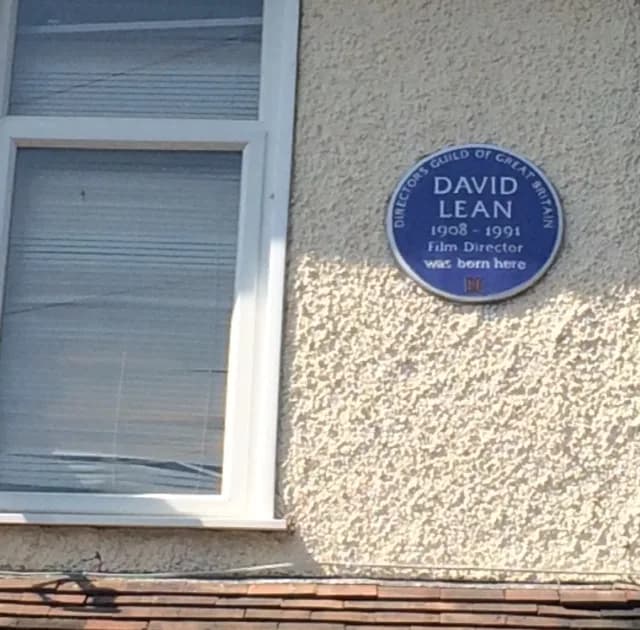
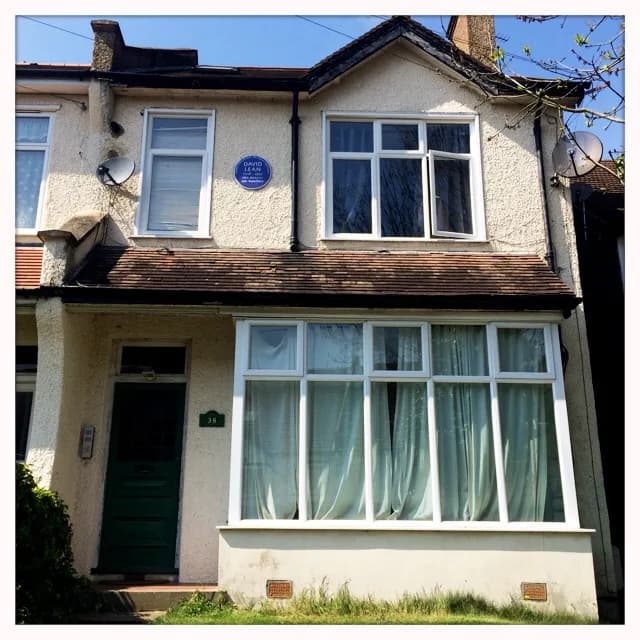
March 25, 1908
Croydon, United Kingdom
ស្លាប់
April 16, 1991
Limehouse, United Kingdom
ល្បីដោយសារ
British film director
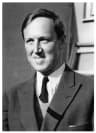
David Lean (1908–1991) was United Kingdom best known for British film director.
David Lean (March 25, 1908 – April 16, 1991) was a British film director from Croydon, United Kingdom. He was widely considered one of the most important figures of British cinema. Lean directed iconic epics like Lawrence of Arabia and acclaimed adaptations such as Great Expectations, leaving an enduring mark on global filmmaking.
ជំពូកទី
ជំពូកជីវិត
ជំពូកទី 1 · 1908· ជំពូកទី 1 នៃ 7
An Enduring Figure in British Cinema
Sir David Lean, a towering figure in the world of filmmaking, was a celebrated British film director whose vision shaped some of cinema's most enduring works. Born on March 25, 1908, and passing on April 16, 1991, Lean’s career spanned decades, leaving a significant mark on both British and global cinema. He was widely recognized for his mastery of storytelling, crafting films of immense scope and intimate human drama.
ជំពូកទី 2 · 1908· ជំពូកទី 2 នៃ 7
Early Life and Origins
David Lean began his journey in Croydon, United Kingdom, where he was born on March 25, 1908. While specific details of his upbringing and early education are not extensively publicized, his origins in the United Kingdom would profoundly influence his artistic sensibilities. This grounding in British culture later manifested in his acclaimed adaptations of classic English literature.
ជំពូកទី 3· ជំពូកទី 3 នៃ 7
Career Beginnings
Lean's entry into the film industry was not as a director from the outset, but rather as a film editor. His keen eye and precise timing honed during his years in the cutting room laid a crucial foundation for his later directorial prowess. This experience gave him an intimate understanding of narrative flow and visual rhythm, skills he would expertly apply to his large-scale productions.
ជំពូកទី 4 · 1957· ជំពូកទី 4 នៃ 7
Major Achievements and Career Highlights
David Lean became a director renowned for his ability to handle both grand cinematic epics and deeply personal dramas. He helmed the visually stunning and critically acclaimed epics such as The Bridge on the River Kwai (1957), Lawrence of Arabia (1962), and Doctor Zhivago (1965). His filmography also includes the ambitious Ryan's Daughter (1970) and his final masterpiece, A Passage to India (1984), showcasing his persistent dedication to expansive storytelling.
Beyond the epics, Lean demonstrated his versatility with highly regarded adaptations of Charles Dickens' novels, including Great Expectations (1946) and Oliver Twist (1948). He also directed the beloved romantic drama Brief Encounter (1945), a film that remains a benchmark for its sensitive portrayal of human emotion. These diverse works solidified his reputation as one of the most important figures of British cinema.
ជំពូកទី 5 · 1955· ជំពូកទី 5 នៃ 7
Notable Works or Contributions
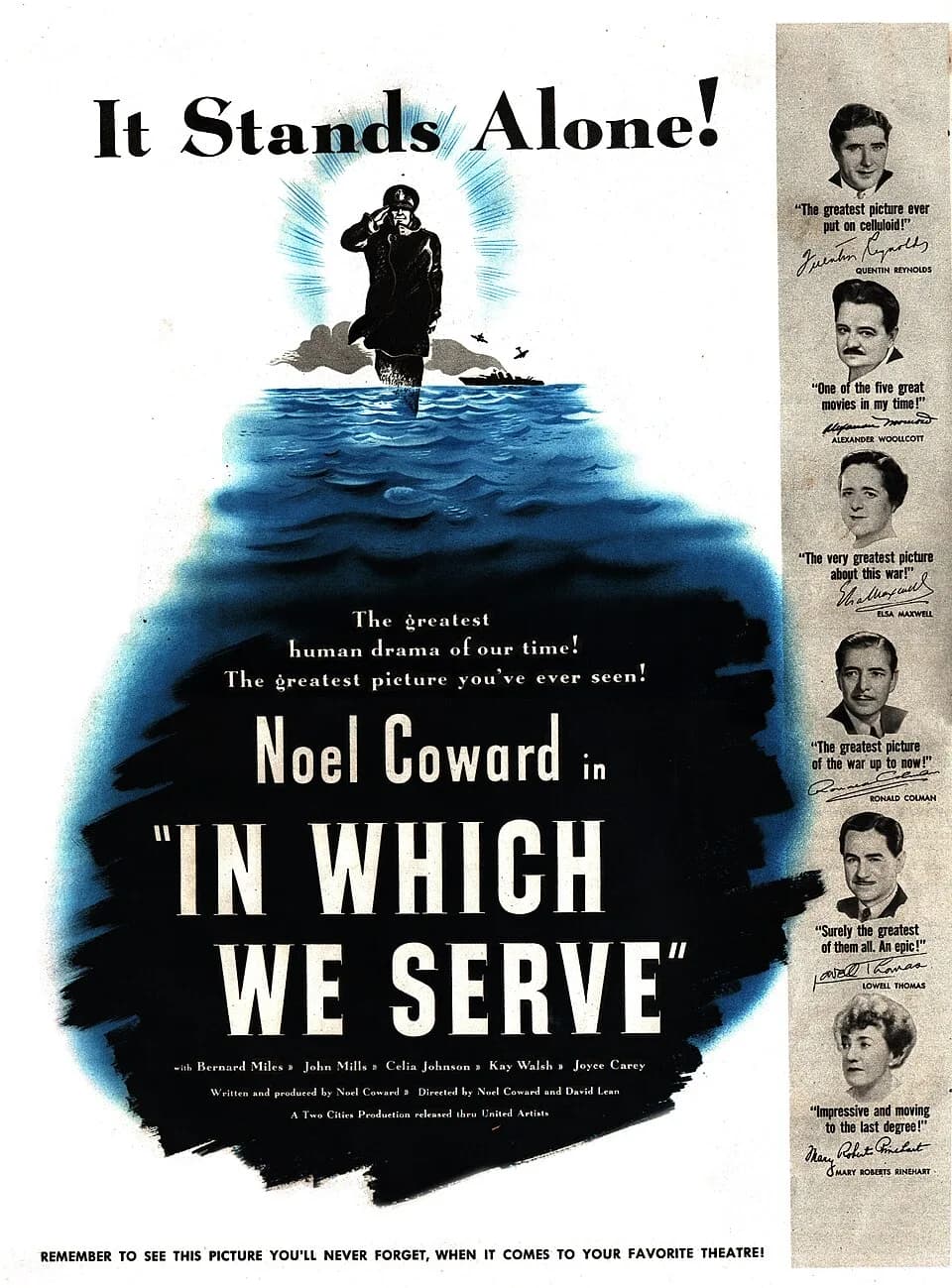
Among David Lean's distinguished contributions to cinema is the 1955 romantic drama Summertime, starring Katharine Hepburn, which beautifully captured the essence of Venice. His early work, Brief Encounter (1945), adapted from a Noël Coward play, is a timeless classic known for its emotional depth and restrained passion. This film remains a significant example of British cinematic artistry.
Lean's directorial hand transformed literary classics into cinematic events, as seen with Cineguild's Great Expectations (1946) and Doctor Zhivago (1965). Great Expectations brought Dickens' rich narrative to vivid life, earning critical acclaim for its atmosphere and characterizations. Doctor Zhivago, a sprawling historical romance set against the Russian Revolution, captivated audiences worldwide with its epic scope and powerful storytelling, becoming one of his most commercially successful films.
ជំពូកទី 6 · 1984· ជំពូកទី 6 នៃ 7
Later Years
In his later career, David Lean continued to direct ambitious projects, culminating in A Passage to India (1984), an adaptation of E.M. Forster's novel. This film received critical praise and multiple Academy Award nominations, reaffirming his enduring talent. Sir David Lean passed away on April 16, 1991, in Limehouse, United Kingdom, bringing to a close the life of a filmmaker whose work had reshaped cinematic possibilities.
ជំពូកទី 7· ជំពូកទី 7 នៃ 7
Legacy and Impact
David Lean's legacy is profound, as he is widely regarded as one of the most important figures of British cinema. His distinctive style, characterized by grand visuals, sweeping narratives, and a keen focus on character, influenced generations of filmmakers. Through his epic films and his sensitive literary adaptations, he expanded the scope of what cinema could achieve, leaving behind a body of work that continues to resonate with audiences and critics globally. His films remain vital examples of masterful storytelling and visual artistry.
ជីវិតក្នុងពេលវេលា
ពេលវេលាដែលបានបង្កើតជីវិត
សំណួរញឹកញាប់
សំណួរញឹកញាប់
David Lean បានទទួលមរណភាពនៅពេលណា?
David Lean បានទទួលមរណភាពនៅថ្ងៃទី 16 មេសា 1991 នៅ Limehouse, United Kingdom, ក្នុងវ័យ 83 ឆ្នាំ។
David Lean បានកើតនៅឯណា?
David Lean បានកើតនៅ Croydon, United Kingdom នៅថ្ងៃទី 25 មីនា 1908។
David Lean ត្រូវបានគេស្គាល់ច្រើនបំផុតពីអ្វី?
David Lean ត្រូវបានគេស្គាល់ច្រើនបំផុតពី British film director។
David Lean មានអាយុប៉ុន្មាននៅពេលស្លាប់?
David Lean មានអាយុ 83 ឆ្នាំនៅពេលស្លាប់។
David Lean មានសញ្ជាតិអ្វី?
David Lean មកពី United Kingdom។
បន្ទាត់ពេលវេលា
ជីវិតមួយពេលតែម្តង
វិចិត្រសាលរូបថត
ជីវិតក្នុងរូបភាព
ចុចលើ polaroid ណាមួយដើម្បីពង្រីក · 40 រូបថត
កូដ QR
ចែករំលែកជីវប្រវត្តិនេះ
បោះពុម្ព និងចែករំលែក
ស្កេនដើម្បីចូលមើលទំព័រជីវប្រវត្តិនេះ។ បោះពុម្ពសម្រាប់ព្រឹត្តិការណ៍ ការតាំងបង្ហាញ ឬឯកសារអប់រំ។