កើត
April 8, 1875
Palace of the Count of Flanders, Belgium
ស្លាប់
February 17, 1934
Rochers de Marche-les-Dames, Belgium
ល្បីដោយសារ
King of the Belgians from 1909 to 1934
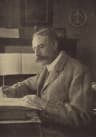
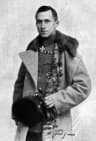
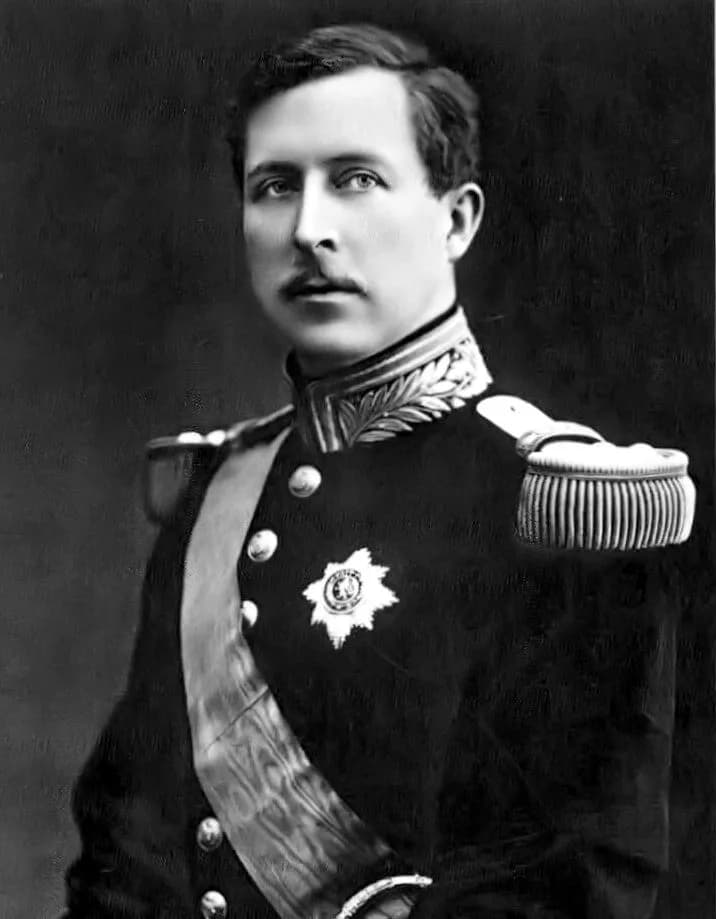
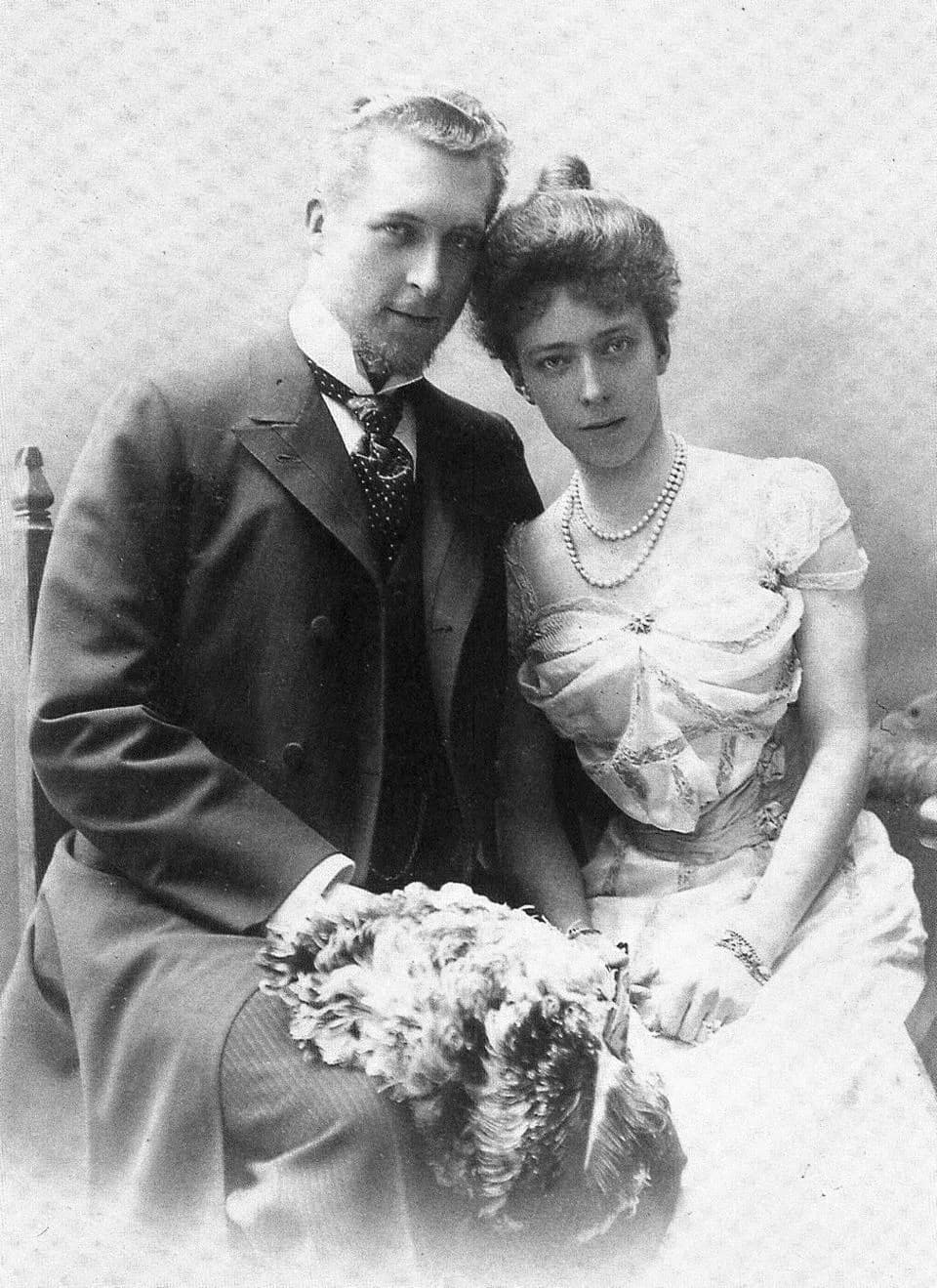
Albert I of Belgium (1875-1934) was King of the Belgians from 1909 to 1934. Known as the "Knight King," he courageously led Belgium's resistance during World War I. His wartime leadership became a symbol of national determination and earned international admiration.
ជំពូកទី
ជំពូកជីវិត
ជំពូកទី 1 · 1875· ជំពូកទី 1 នៃ 7
Early Life and Origins
Albert was born on April 8, 1875, at the Palace of the Count of Flanders in Belgium, into the House of Saxe-Coburg and Gotha. As a member of the Belgian royal family, he received a comprehensive education befitting his station. His upbringing instilled in him not only the duties of nobility but also fostered his lifelong passion for the natural sciences, particularly entomology, and his love of adventure through mountaineering and rock climbing.
ជំពូកទី 2· ជំពូកទី 2 នៃ 7
Path to the Throne
Albert's route to kingship was not initially direct, as he was not the immediate heir to the throne. However, circumstances aligned to place him in line for succession to his uncle, King Leopold II. During his years as heir apparent, Albert developed his interests in military affairs and scientific pursuits. His background as military personnel prepared him for the challenges he would later face as a wartime monarch.
ជំពូកទី 3 · 1909· ជំពូកទី 3 នៃ 7
Major Achievements and Wartime Leadership
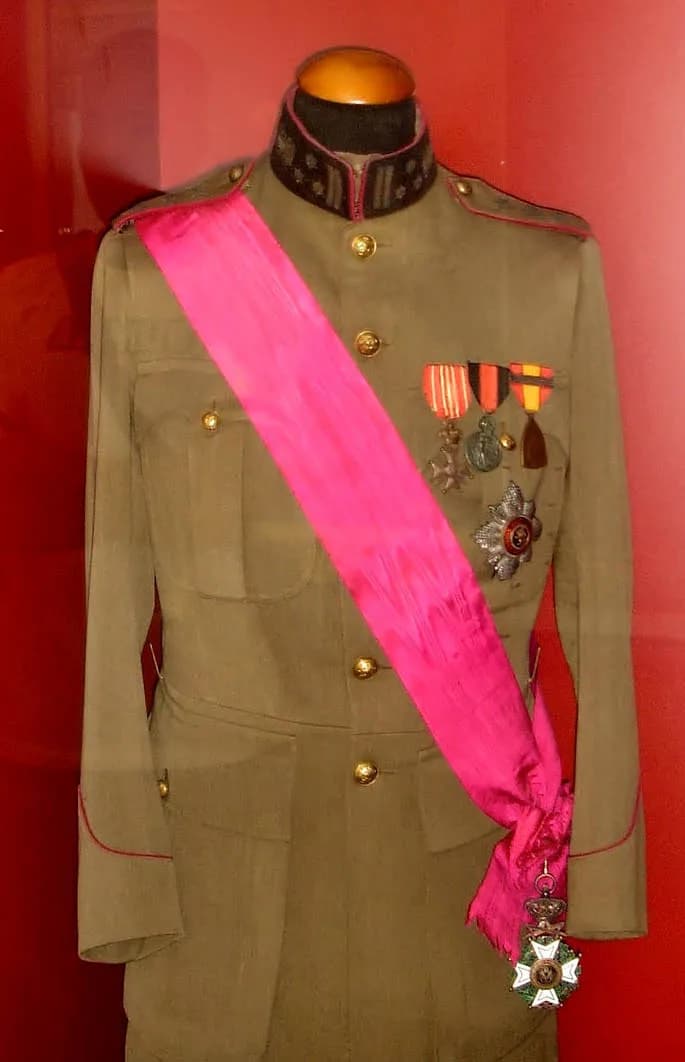
Albert ascended to the Belgian throne on December 23, 1909, inheriting a small but strategically important European nation. His defining moment came during World War I, when he made the crucial decision to resist German invasion despite overwhelming odds. Rather than flee or capitulate, Albert chose to lead his nation's military resistance personally, earning him international admiration and the reverence of his people.
Throughout the war, Albert demonstrated exceptional courage by remaining with his troops at the front lines. His leadership during Belgium's resistance against German occupation became a symbol of national determination. The king's refusal to abandon his country during its darkest hour cemented his reputation as the "Knight King," a title that reflected both his personal bravery and his embodiment of chivalric ideals.
ជំពូកទី 4· ជំពូកទី 4 នៃ 7
Personal Life and Diverse Interests
Beyond his royal duties, Albert maintained fascinating personal interests that set him apart from many contemporary monarchs. He was a dedicated entomologist, pursuing the scientific study of insects with genuine scholarly passion. This scientific curiosity reflected his intellectual depth and his appreciation for the natural world.
Albert was also an accomplished mountaineer and rock climber, pursuits that demonstrated his adventurous spirit and physical courage. These activities were unusual for a monarch of his era and revealed his willingness to embrace personal challenges. His love of climbing would ultimately play a role in the circumstances of his death.
ជំពូកទី 5· ជំពូកទី 5 នៃ 7
Political Leadership and Contributions
As both monarch and politician, Albert navigated Belgium through the complex post-war period of European reconstruction. His experience during World War I had given him unique insights into international relations and the needs of smaller nations in a changing world. He worked to rebuild Belgium's economy and infrastructure while maintaining the country's neutral stance in European affairs.
Albert's political contributions extended beyond domestic policy to include efforts at promoting international cooperation and peace. His wartime experience had shown him the devastating costs of conflict, and he became an advocate for diplomatic solutions to international disputes.
ជំពូកទី 6 · 1934· ជំពូកទី 6 នៃ 7
Later Years and Tragic End
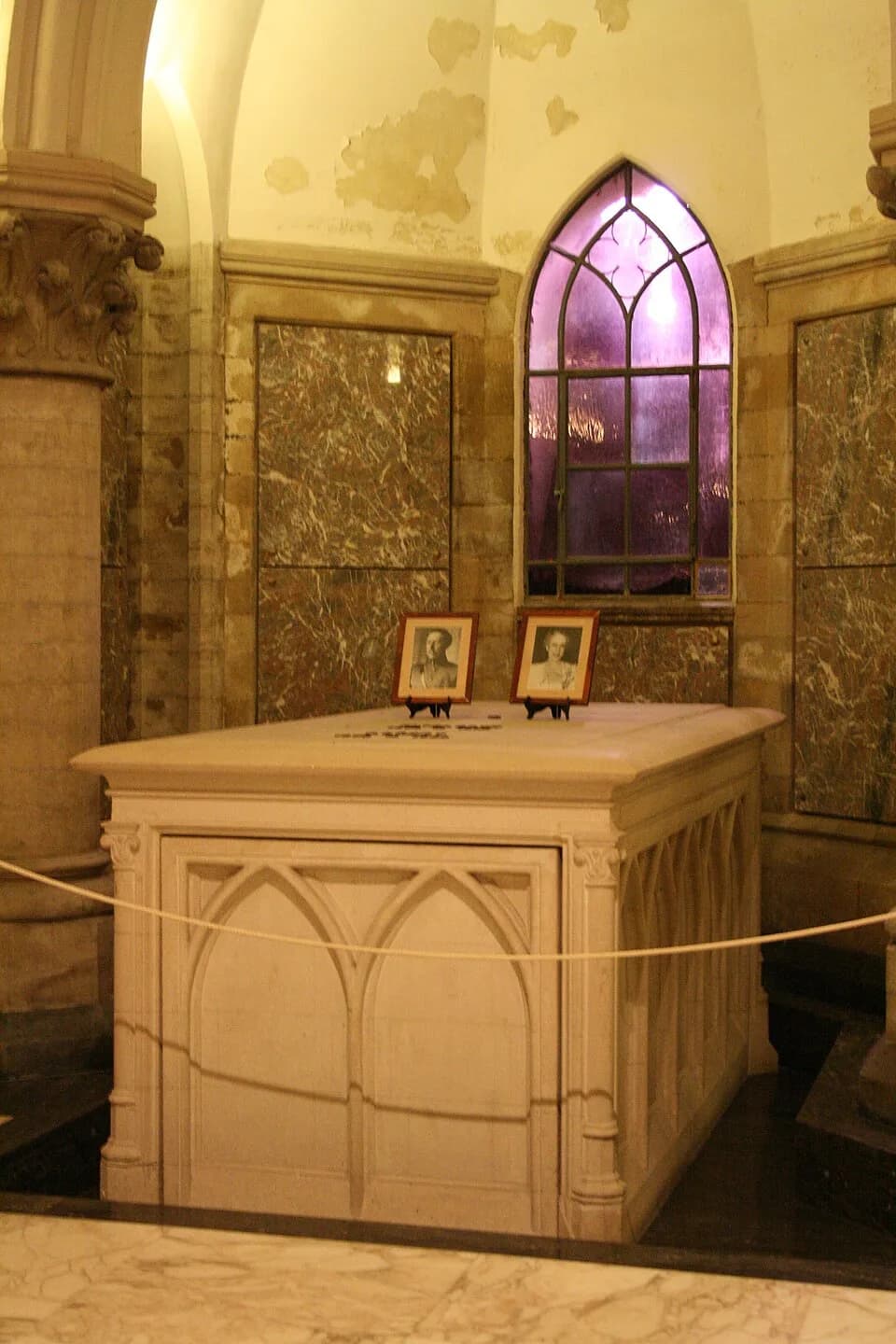
Albert continued to reign actively throughout the 1920s and early 1930s, overseeing Belgium's recovery and modernization. He maintained his diverse interests, including his scientific studies and his passion for rock climbing. On February 17, 1934, tragedy struck when the king died in a climbing accident at Rochers de Marche-les-Dames in Belgium.
His death while pursuing his beloved hobby of rock climbing was seen as fitting for a monarch who had lived life on his own terms. Albert was 58 years old at the time of his death, having ruled Belgium for nearly 25 years through some of the most challenging periods in European history.
ជំពូកទី 7· ជំពូកទី 7 នៃ 7
Legacy and Impact
Albert I's legacy rests primarily on his extraordinary leadership during World War I, when his decision to resist German invasion inspired not only his own people but also the Allied cause. His example demonstrated that even small nations could maintain their dignity and independence when led with courage and conviction. The title "Knight King" became permanently associated with his memory, symbolizing the ideals of honor and sacrifice.
His influence extended beyond military leadership to encompass his role in shaping modern Belgium's identity as a nation that could stand firm in the face of overwhelming challenges. Albert's reign helped establish Belgium's reputation as a country that, despite its small size, could play a significant role in European affairs through moral leadership and determination.
ជីវិតក្នុងពេលវេលា
ពេលវេលាដែលបានបង្កើតជីវិត
សំណួរញឹកញាប់
សំណួរញឹកញាប់
Albert I of Belgium បានទទួលមរណភាពនៅពេលណា?
Albert I of Belgium បានទទួលមរណភាពនៅថ្ងៃទី 17 កុម្ភៈ 1934 នៅ Rochers de Marche-les-Dames, Belgium, ក្នុងវ័យ 58 ឆ្នាំ។
Albert I of Belgium បានកើតនៅឯណា?
Albert I of Belgium បានកើតនៅ Palace of the Count of Flanders, Belgium នៅថ្ងៃទី 8 មេសា 1875។
Albert I of Belgium ត្រូវបានគេស្គាល់ច្រើនបំផុតពីអ្វី?
Albert I of Belgium ត្រូវបានគេស្គាល់ច្រើនបំផុតពី King of the Belgians from 1909 to 1934។
Albert I of Belgium មានអាយុប៉ុន្មាននៅពេលស្លាប់?
Albert I of Belgium មានអាយុ 58 ឆ្នាំនៅពេលស្លាប់។
Albert I of Belgium មានសញ្ជាតិអ្វី?
Albert I of Belgium មកពី Belgium។
បន្ទាត់ពេលវេលា
ជីវិតមួយពេលតែម្តង
វិចិត្រសាលរូបថត
ជីវិតក្នុងរូបភាព
ចុចលើ polaroid ណាមួយដើម្បីពង្រីក · 41 រូបថត
កូដ QR
ចែករំលែកជីវប្រវត្តិនេះ
បោះពុម្ព និងចែករំលែក
ស្កេនដើម្បីចូលមើលទំព័រជីវប្រវត្តិនេះ។ បោះពុម្ពសម្រាប់ព្រឹត្តិការណ៍ ការតាំងបង្ហាញ ឬឯកសារអប់រំ។