Туылды
May 20, 1743
Cap-Haïtien, Haiti
Қайтыс болды
April 7, 1803
Fort de Joux, France
Несімен танымал
Haitian national hero
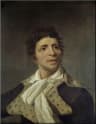
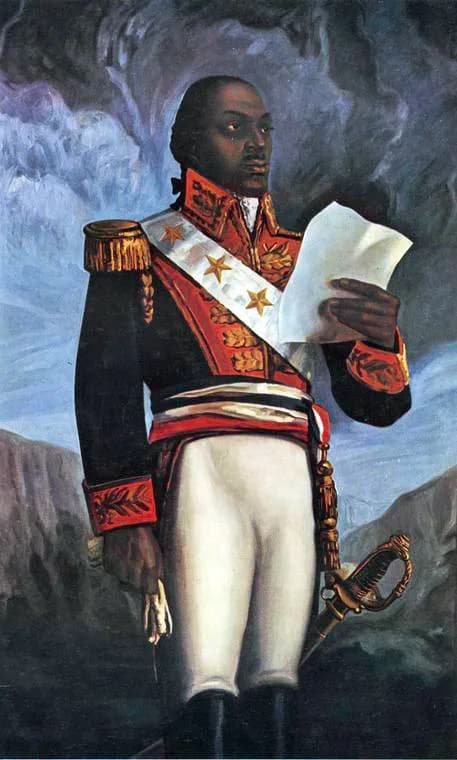
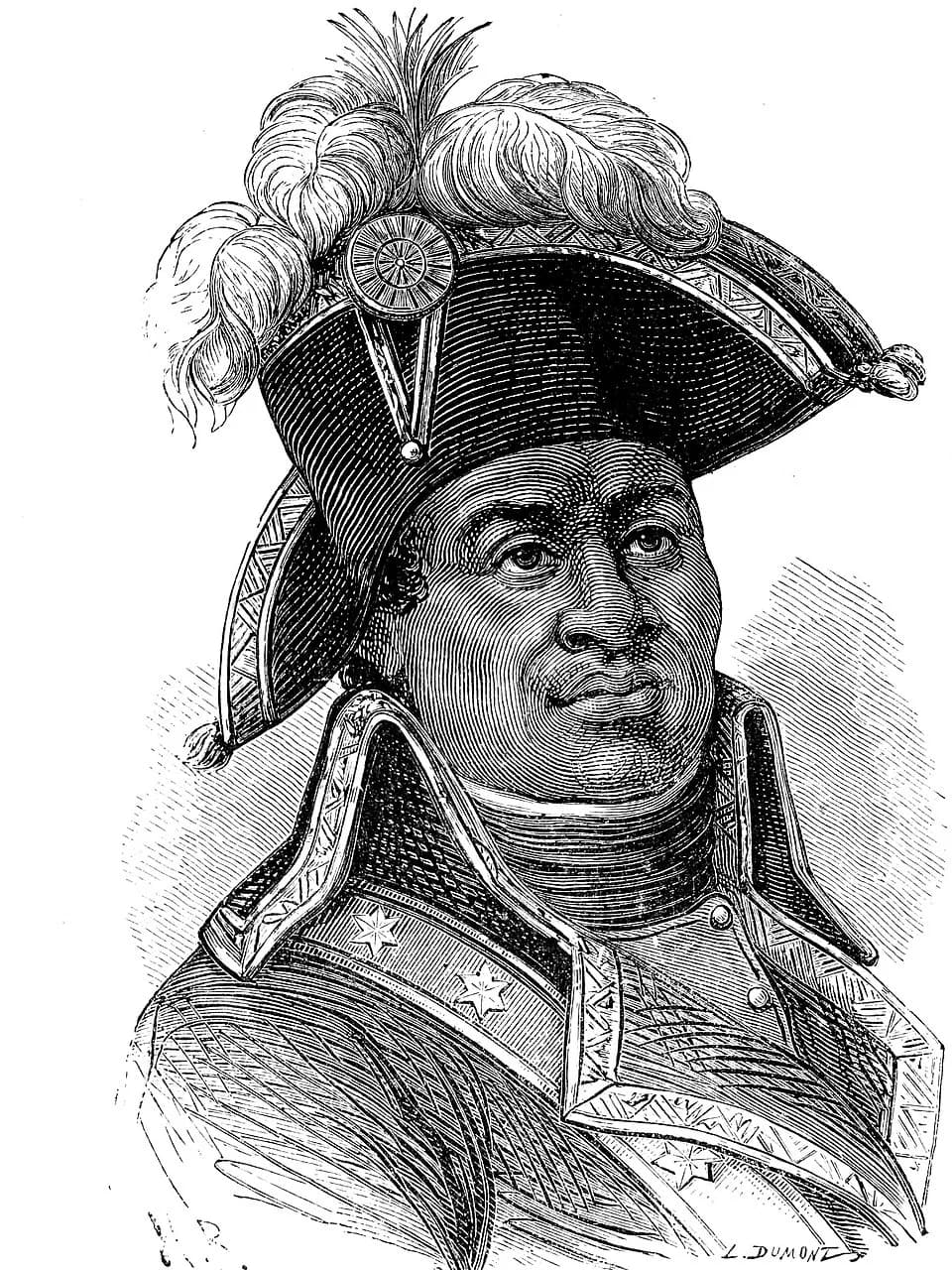
Toussaint Louverture (1743–1803) was Haiti best known for Haitian national hero.
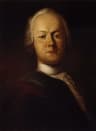
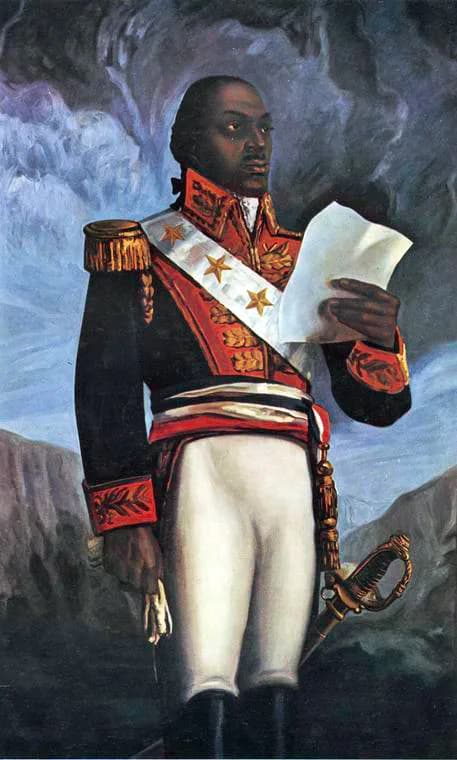
Who was Toussaint Louverture? Toussaint Louverture (May 20, 1743 – April 7, 1803) was a military personnel and politician from Cap-Haïtien, Haiti. He was the most prominent leader of the Haitian Revolution, transforming a slave rebellion into a revolutionary movement. He is remembered as a Haitian national hero and one of the "Fathers of Haiti."
Бөлім
Өмір тараулары
Бөлім 1 · 1743· Бөлім 1 / 7
Early Life and Origins
François-Dominique Toussaint Louverture was born on May 20, 1743, in Cap-Haïtien, then a French colony known as Saint-Domingue. His birth within this colonial system placed him directly amidst the conditions that would later fuel his revolutionary fervor. While specific details of his early family life and formal education are not extensively documented, his background as an enslaved person undeniably informed his later fight for liberty.
Бөлім 2· Бөлім 2 / 7
Career Beginnings
Louverture's ascent to leadership began as the Haitian Revolution ignited across Saint-Domingue. Initially, he forged alliances with Spanish forces, strategically positioning himself against the Saint-Domingue Royalists. This early phase allowed him to hone his military skills and gain a deep understanding of the geopolitical complexities surrounding the island. His initial engagements proved his nascent abilities as a leader and strategist.
He soon transitioned his allegiance, joining forces with Republican France as the political landscape shifted. This strategic pivot underscored his pragmatic approach to achieving liberation for his people. Through these early conflicts, Toussaint Louverture began to coalesce disparate groups into a more unified and effective fighting force.
Бөлім 3· Бөлім 3 / 7
Major Achievements and Career Highlights
Louverture's most significant achievement was his instrumental role in guiding the Haitian Revolution to success. He displayed exceptional military and political acumen, which was crucial in transforming the slave rebellion into a full-fledged revolutionary movement. His leadership was pivotal in empowering enslaved individuals to fight for their own freedom and establish self-governance.
Under his command, the revolutionary forces achieved remarkable victories against formidable European powers, including Spain and France. These successes led to his appointment as Governor-General-for-life of Saint-Domingue, marking a monumental step toward autonomy. This position solidified his power and demonstrated the effectiveness of his leadership in asserting black self-rule.
Бөлім 4· Бөлім 4 / 7
Personal Life
The provided historical summary focuses primarily on Toussaint Louverture's public achievements and political life. Details concerning his personal family relationships or private interests are not elaborated upon in the given information. His dedication to the revolutionary cause appears to have largely defined his life, eclipsing extensive documentation of his personal sphere.
Бөлім 5· Бөлім 5 / 7
Notable Works or Contributions
Louverture's principal contributions lie in his comprehensive efforts to organize and govern Saint-Domingue during the revolutionary period. He was not just a military general but also a politician who implemented structures for the nascent independent state. His policies aimed at rebuilding the economy and society, moving beyond the legacy of slavery towards a system of paid labor.
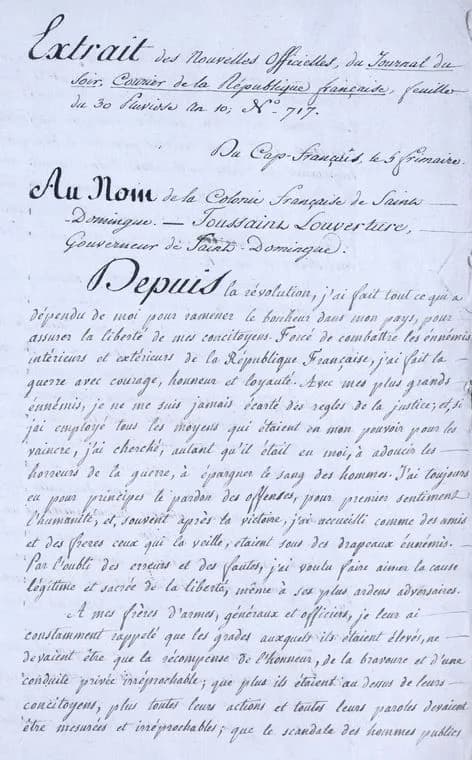
He drafted a constitution for Saint-Domingue in 1801, asserting autonomy and declaring himself Governor-General for life, though still nominally loyal to France. This document was a powerful statement of self-governance and an explicit rejection of the colonial order. His political foresight laid the administrative and legal foundations for the future independent nation of Haiti.
Бөлім 6· Бөлім 6 / 7
Later Years
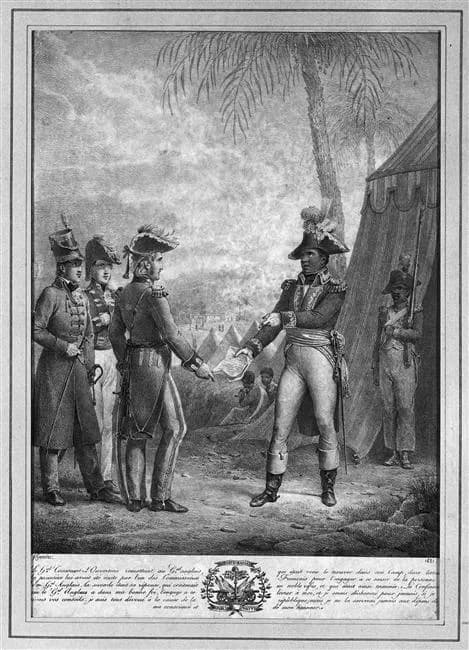
Despite his many accomplishments, Toussaint Louverture faced renewed opposition from France. Ultimately, he found himself in conflict with Bonaparte's republican troops, who arrived in Saint-Domingue with the intention of restoring French authority and re-establishing slavery. This confrontation marked the final, tragic chapter of his public life.
He was captured by French forces through deceit and deported to France in 1802. Toussaint Louverture was imprisoned at Fort de Joux, a mountain fortress in the Doubs department. He died there on April 7, 1803, just months before Haiti officially declared its independence.
Бөлім 7· Бөлім 7 / 7
Legacy and Impact
Toussaint Louverture's legacy resonates as that of a true Haitian national hero. He is universally recognized as one of the "Fathers of Haiti," alongside Jean-Jacques Dessalines, for his pivotal role in founding the black nation. His life story symbolizes the power of resistance against oppression and the universal yearning for liberty.
His leadership transformed a slave rebellion into a successful independence movement, inspiring countless freedom struggles across the globe. Toussaint Louverture remains a revered figure in Haitian mythology and history, perpetually celebrated for his courage, intellect, and unwavering commitment to freedom. His vision and sacrifice continue to inform discussions about human rights and self-determination worldwide.
Өмір сәттері
Өмірді қалыптастырған сәттер
ЖҚС
Жиі қойылатын сұрақтар
Toussaint Louverture қашан қайтыс болды?
Toussaint Louverture 1803 ж. 7 сәуір күні Fort de Joux, France-да, 59 жасында қайтыс болды.
Toussaint Louverture қайда дүниеге келді?
Toussaint Louverture Cap-Haïtien, Haiti-да 1743 ж. 20 мамыр күні дүниеге келді.
Toussaint Louverture немен танымал?
Toussaint Louverture көбінесе Haitian national hero арқылы танымал.
Toussaint Louverture қайтыс болған кезде неше жаста еді?
Toussaint Louverture қайтыс болған кезде 59 жаста еді.
Toussaint Louverture-нің ұлты қандай еді?
Toussaint Louverture Haiti-нан болған.
Хронология
Өмірге шолу
Фотогалерея
Суреттердегі өмір
Кеңейту үшін кез келген суретті басыңыз · 49 фотосурет
QR коды
Бұл өмірбаянмен бөлісу
Басып шығару және бөлісу
Бұл өмірбаян парағына өту үшін сканерлеңіз. Іс-шаралар, көрмелер немесе білім беру материалдары үшін басып шығарыңыз.