Туылды
November 23, 1922
Sueca, Spain
Қайтыс болды
June 21, 1992
Sueca, Spain
Несімен танымал
Spanish writer
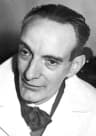
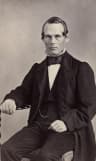
Joan Fuster (1922–1992) was Spain best known for Spanish writer.
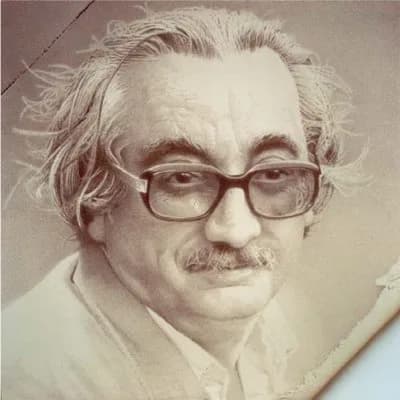
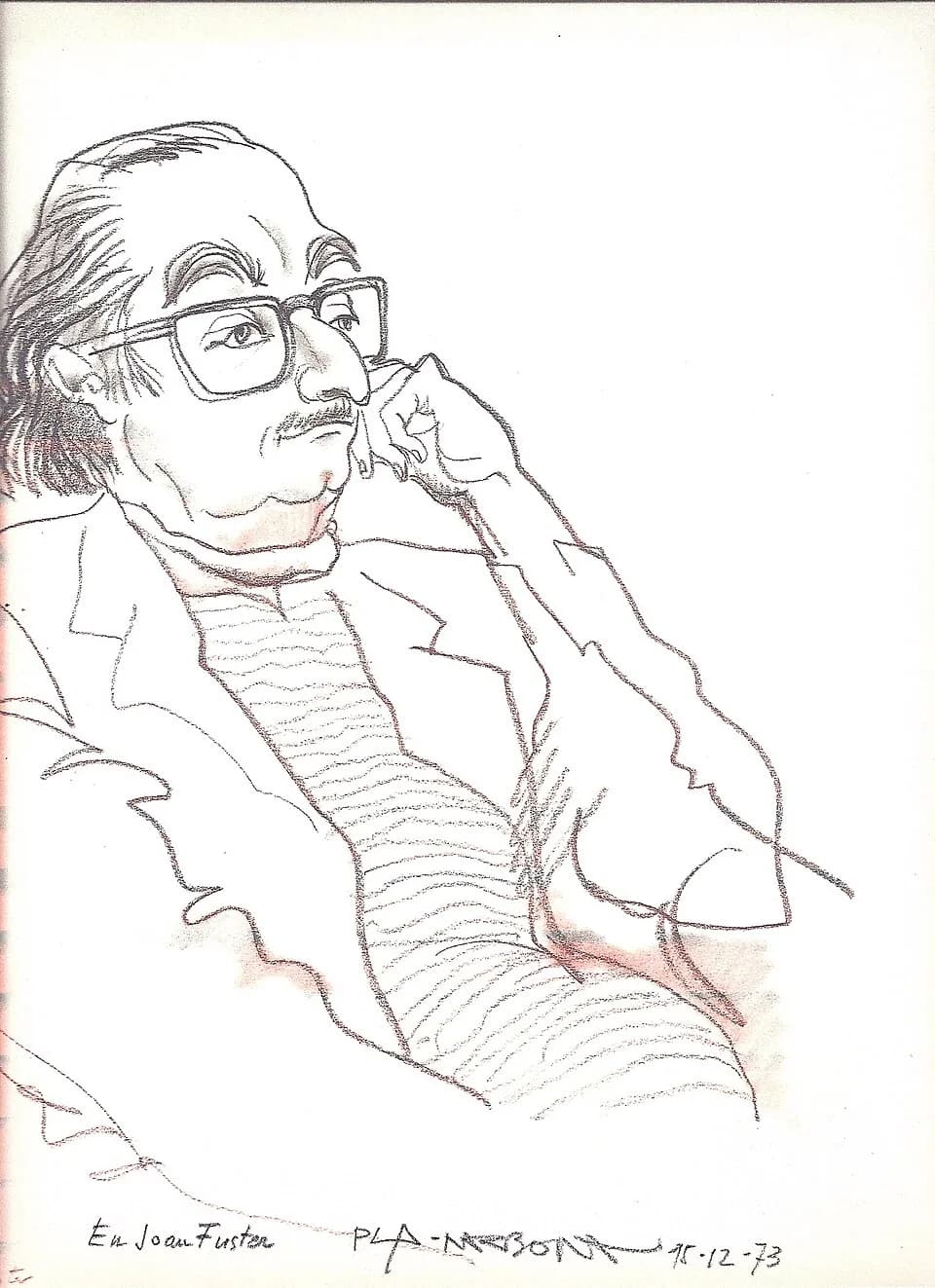
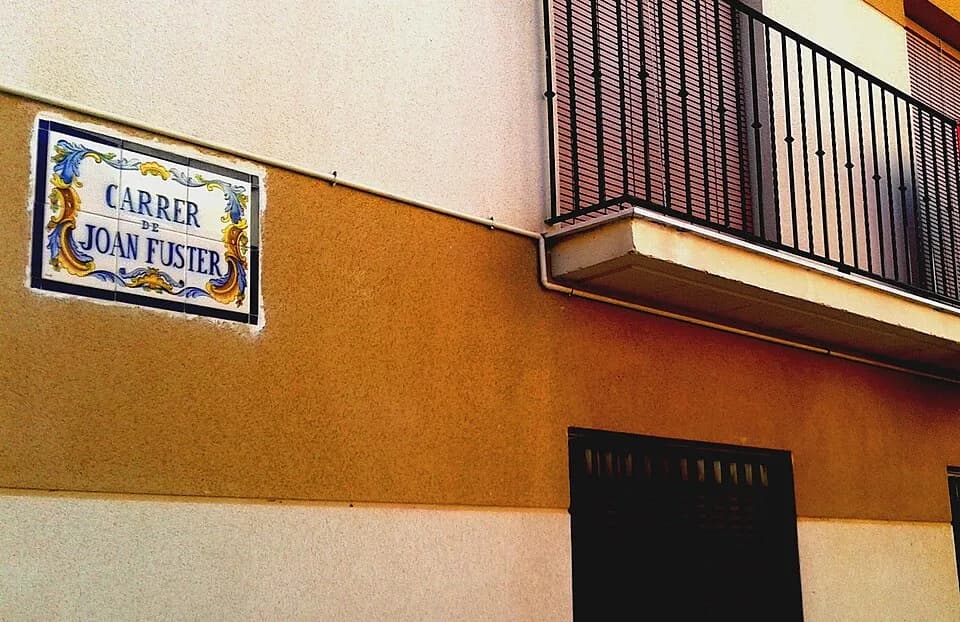
Joan Fuster i Ortells (1922–1992) was an influential Catalan writer from Sueca, Spain. He coined the term "Països Catalans" and helped reinvigorate pro-Catalan nationalism in Valencia during Spain's democratic transition. His diverse literary works established him as a major figure in Valencian literature.
Бөлім
Өмір тараулары
Бөлім 1 · 1922· Бөлім 1 / 6
Early Life and Origins
Joan Fuster was born on November 23, 1922, in Sueca, a town in the Valencia region of Spain. Growing up in this Catalan-speaking area would prove formative to his later work as a cultural and linguistic activist. His upbringing in Sueca provided him with deep roots in Valencian culture and language, which would become central themes throughout his literary career.
Бөлім 2· Бөлім 2 / 6
Career Beginnings
Fuster began his professional life with training in law, establishing himself as a practicing lawyer. However, his true calling lay in literature and cultural commentary. He gradually expanded into journalism and teaching, taking on roles as both professor and journalist. These diverse professional experiences gave him a broad platform from which to influence Valencian and Catalan cultural discourse.
Бөлім 3 · 1962· Бөлім 3 / 6
Major Achievements and Career Highlights
Fuster's most significant achievement came with his 1962 political essay "Nosaltres, els valencians" (We, the Valencians), in which he coined the term "Països Catalans" to refer to the Catalan-speaking territories. This work became influential in shaping regional identity and political thought during Spain's democratic transition. The essay helped establish him as a leading voice in pro-Catalan nationalism in Valencia, contributing to broader discussions about regional autonomy and cultural identity.
His work as a linguistic rights activist proved equally important, as he advocated for the preservation and promotion of the Valencian language during periods of political suppression. Through his various roles as writer and cultural commentator, he became recognized as a major writer in the Valencian language, helping to elevate its literary status.
Бөлім 4· Бөлім 4 / 6
Notable Works and Contributions
Fuster's bibliography reflects his diverse interests and talents as a writer. His works included "Figures de temps," "Bestiari," and "Judicis finals," which showcased his range as a creative writer. He also wrote "Diccionario para ociosos" and worked on "El flautista encantat," demonstrating his versatility across different literary forms. His aphoristic writing, including "Joan Fuster Aphorismen," revealed his skill at distilling complex ideas into memorable, pointed observations.
Beyond his creative works, Fuster's essays and political writings established him as an important intellectual voice. His ability to combine literary artistry with political and cultural analysis made his work particularly influential during Spain's period of democratic change. His writings helped articulate a vision of Catalan cultural identity that resonated with readers across the Catalan-speaking regions.
Бөлім 5· Бөлім 5 / 6
Later Years
Fuster continued his literary and cultural work throughout his later years, maintaining his position as an important voice in Valencian letters. He remained active in promoting Catalan language and culture, building on the foundation he had established with his earlier works. His continued presence in intellectual and cultural circles helped ensure his influence extended across generations of writers and activists.
Бөлім 6· Бөлім 6 / 6
Legacy and Impact
Joan Fuster's impact on Catalan and Valencian culture extends far beyond his individual works. His coining of the term "Països Catalans" provided a conceptual framework that continues to influence discussions of regional identity in Spain. His writings helped bridge the gap between literary artistry and political engagement, showing how literature could serve as a vehicle for cultural and political expression.
His contribution to Valencian literature helped establish its importance within the broader Catalan literary tradition. Through his work as writer, activist, and intellectual, he demonstrated how regional writers could address local concerns while contributing to broader cultural conversations. When he died in his hometown of Sueca on June 21, 1992, he left behind a body of work that continues to influence writers, activists, and scholars interested in Catalan culture and regional identity.
Өмір сәттері
Өмірді қалыптастырған сәттер
ЖҚС
Жиі қойылатын сұрақтар
Joan Fuster қашан қайтыс болды?
Joan Fuster 1992 ж. 21 маусым күні Sueca, Spain-да, 69 жасында қайтыс болды.
Joan Fuster қайда дүниеге келді?
Joan Fuster Sueca, Spain-да 1922 ж. 23 қараша күні дүниеге келді.
Joan Fuster немен танымал?
Joan Fuster көбінесе Spanish writer арқылы танымал.
Joan Fuster қайтыс болған кезде неше жаста еді?
Joan Fuster қайтыс болған кезде 69 жаста еді.
Joan Fuster-нің ұлты қандай еді?
Joan Fuster Spain-нан болған.
Хронология
Өмірге шолу
Фотогалерея
Суреттердегі өмір
Кеңейту үшін кез келген суретті басыңыз · 48 фотосурет
QR коды
Бұл өмірбаянмен бөлісу
Басып шығару және бөлісу
Бұл өмірбаян парағына өту үшін сканерлеңіз. Іс-шаралар, көрмелер немесе білім беру материалдары үшін басып шығарыңыз.