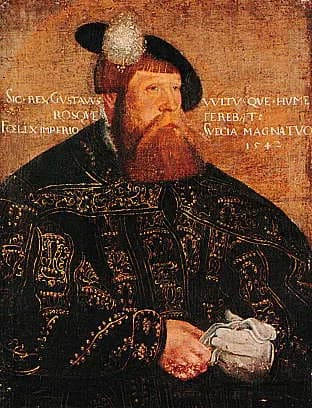
Туылды
May 21, 1496
Rydboholm Castle, Sweden
Қайтыс болды
September 29, 1560
Stockholm, Sweden
Несімен танымал
King of Sweden from 1523 to 1560
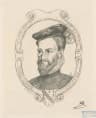
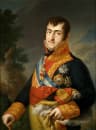
Gustav I of Sweden (1496–1560) was Sweden best known for King of Sweden from 1523 to 1560.
Gustav I of Sweden (May 21, 1496 – September 29, 1560) was a monarch and politician from Sweden. He led the Swedish War of Liberation, becoming King in 1523, which marked Sweden's secession from the Kalmar Union. His decisive leadership established Sweden as an independent and sovereign nation. He is revered for transforming Sweden's destiny.
Бөлім
Өмір тараулары
Бөлім 1 · 1496· Бөлім 1 / 6
Early Life and Origins
Gustav Eriksson Vasa began his life on May 21, 1496, at Rydboholm Castle in Sweden, amidst a period of considerable political instability. The region was then part of the contentious Kalmar Union, an arrangement that brought Denmark, Norway, and Sweden together under a single monarch but was often marked by internal strife. This volatile environment directly influenced Gustav's upbringing and future trajectory, as the struggle for Swedish autonomy was a constant backdrop.
A particularly grim event, the Stockholm Bloodbath, directly impacted Gustav's family and served as a powerful catalyst for his emergence as a national leader. During this brutal purge, orchestrated by King Christian II of Denmark, Norway, and Sweden, Gustav's own father was tragically executed. This act of violence and oppression not only inflicted personal grief but also ignited a fierce determination within Gustav to challenge the existing order and champion Sweden's right to self-determination.
Бөлім 2 · 1521· Бөлім 2 / 6
Career Beginnings
In the wake of the Stockholm Bloodbath and the widespread discontent it sparked, Gustav Eriksson Vasa quickly rose to a prominent leadership position. He became a central figure in the Swedish War of Liberation, a critical struggle aimed at dismantling the oppressive rule of King Christian II and securing Sweden's freedom. By 1521, he had asserted himself as the self-recognized Protector of the Realm, a title reflecting his burgeoning authority and his commitment to the national cause.
During this arduous war, Gustav demonstrated remarkable leadership, successfully organizing and inspiring the Swedish resistance movement against the forces of the Kalmar Union. His strategic acumen and unwavering resolve were instrumental in rallying popular support across Sweden, gradually turning the tide against foreign domination. This period marked his transformation from a nobleman into a national hero, steadfastly committed to the liberation of his homeland.
Бөлім 3 · 1523· Бөлім 3 / 6
Major Achievements and Career Highlights
Gustav Eriksson Vasa’s relentless efforts culminated in a truly historic event: his election as King of Sweden on June 6, 1523. This momentous occasion definitively symbolized Sweden’s formal and emphatic rejection of the long-standing Kalmar Union. The significance of this election was further underscored by his triumphant entry into Stockholm a mere eleven days later, on June 17, 1523, a date that resonated with national pride and celebrated newly achieved independence.
His ascension to the throne as King Gustav I marked Sweden's final and irreversible secession from the Kalmar Union, an act that fundamentally reshaped the political map of Northern Europe. From this point until his death in 1560, he presided over a transformative reign lasting 37 years. This period was dedicated to meticulously consolidating Swedish sovereignty, fostering a distinct national identity, and establishing robust governmental structures for the newly independent nation.
Бөлім 4· Бөлім 4 / 6
Notable Contributions
As the inaugural King of independent Sweden, Gustav I's most profound contribution was undoubtedly the establishment of the Swedish nation-state itself. He systematically dismantled the centuries-old, often tumultuous ties that had bound Sweden to Denmark and Norway under the Kalmar Union. This courageous act of national liberation not only secured political autonomy but also laid the foundational framework for modern Sweden's administrative and legal systems.
His forward-thinking leadership ensured that the newly independent nation possessed the necessary stability and direction to pursue its own national interests, free from external interference. The extensive period of his rule, from 1523 to 1560, was pivotal in nurturing Sweden’s unique cultural and political identity. He is widely recognized for instituting many of the core principles that would define the Swedish monarchy and state for centuries to come.
Бөлім 5 · 1560· Бөлім 5 / 6
Later Years
King Gustav I continued to govern as the undisputed monarch of Sweden throughout his long and impactful reign, right up until his passing on September 29, 1560. In his final years, he focused on strengthening the independent state he had so vigorously fought to create. His death occurred in Stockholm, the same capital city into which he had made his triumphant entry as king more than three decades earlier, symbolizing the full circle of his life's work.
Throughout his extended tenure, he skillfully navigated a complex array of internal challenges and external pressures, consistently striving to secure Sweden's position as a robust, self-governing entity. His unwavering dedication to the nation's hard-won independence remained the guiding principle of his rule until the very end. His passing marked the conclusion of a truly transformative era, leaving behind a nation fundamentally reshaped by his vision and resolve.
Бөлім 6 · 1523· Бөлім 6 / 6
Legacy and Impact
The enduring legacy of Gustav I of Sweden irrevocably positions him as the foundational architect of modern Swedish independence. He is universally remembered as the determined liberator who successfully freed Sweden from the intricate web of the Kalmar Union, an monumental achievement solidified by his historic election as king on June 6, 1523. His expansive reign, spanning from 1523 to 1560, firmly established Sweden as a fully sovereign and self-reliant nation.
His decisive actions ensured that Sweden would forever cast off the shackles of foreign dominion, thereby clearing the path for its subsequent centuries of independent development and prosperity as a powerful kingdom. The foundational principles of national sovereignty and self-determination, which he championed with such vigor, continue to be revered as essential cornerstones of Swedish national identity. Gustav I of Sweden remains an unequivocally central and revered figure in the annals of the nation's history, celebrated for his extraordinary courage, strategic brilliance, and enduring vision.
Өмір сәттері
Өмірді қалыптастырған сәттер

ЖҚС
Жиі қойылатын сұрақтар
Gustav I of Sweden қашан қайтыс болды?
Gustav I of Sweden 1560 ж. 29 қыркүйек күні Stockholm, Sweden-да, 64 жасында қайтыс болды.
Gustav I of Sweden қайда дүниеге келді?
Gustav I of Sweden Rydboholm Castle, Sweden-да 1496 ж. 21 мамыр күні дүниеге келді.
Gustav I of Sweden немен танымал?
Gustav I of Sweden көбінесе King of Sweden from 1523 to 1560 арқылы танымал.
Gustav I of Sweden қайтыс болған кезде неше жаста еді?
Gustav I of Sweden қайтыс болған кезде 64 жаста еді.
Gustav I of Sweden-нің ұлты қандай еді?
Gustav I of Sweden Sweden-нан болған.
Хронология
Өмірге шолу
Фотогалерея
Суреттердегі өмір
Кеңейту үшін кез келген суретті басыңыз · 49 фотосурет
QR коды
Бұл өмірбаянмен бөлісу
Басып шығару және бөлісу
Бұл өмірбаян парағына өту үшін сканерлеңіз. Іс-шаралар, көрмелер немесе білім беру материалдары үшін басып шығарыңыз.