Туылды
July 5, 1904
Kempten, Germany
Қайтыс болды
February 3, 2005
Bedford, United States
Несімен танымал
German-American evolutionary biologist
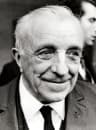
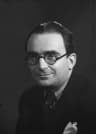
Ernst Mayr (1904–2005) was Germany best known for German-American evolutionary biologist.
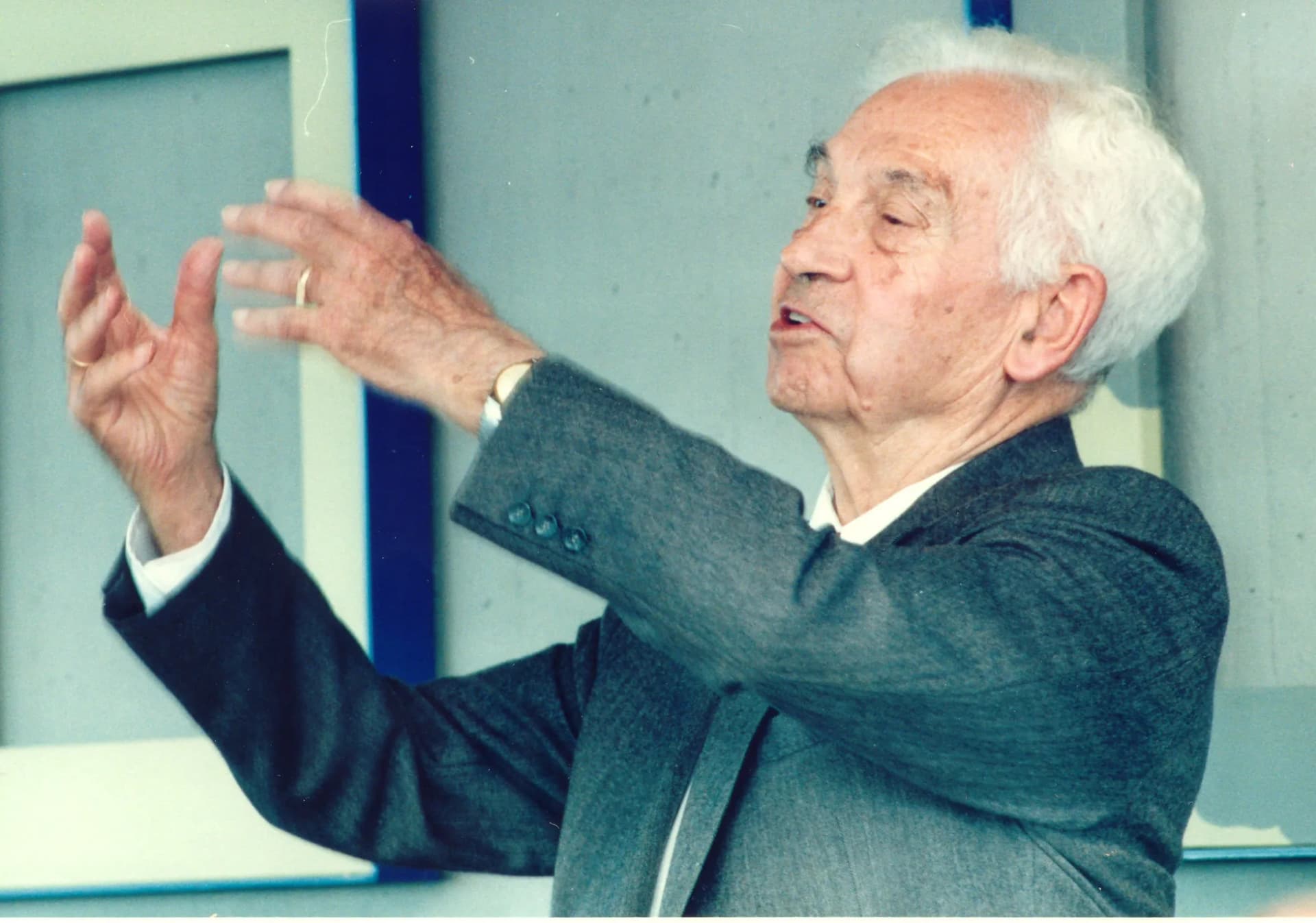
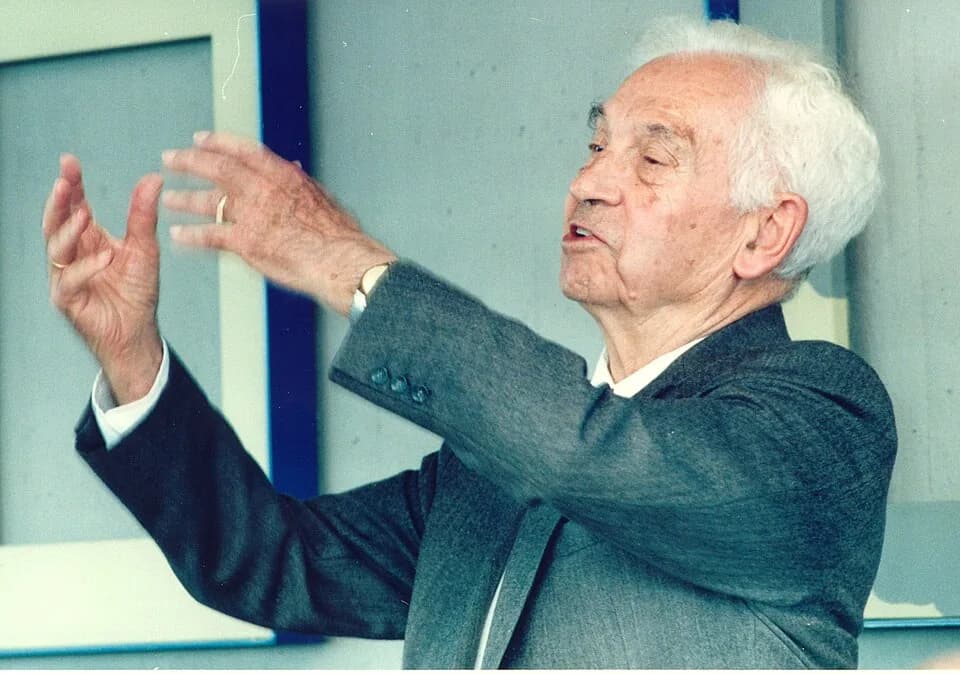
Ernst Walter Mayr (July 5, 1904 – February 3, 2005) was a German-American evolutionary biologist. He was central to the modern evolutionary synthesis and developed the biological species concept, profoundly shaping how we understand species. His work remains a cornerstone of biology.
Бөлім
Өмір тараулары
Бөлім 1 · 1904· Бөлім 1 / 7
Early Life and Origins
Born on July 5, 1904, in Kempten, Germany, Ernst Mayr's early environment likely nurtured his curiosity for the natural world. Germany, with its rich scientific tradition, provided a fertile ground for his nascent interests in biology and the intricacies of life. His formative years in Kempten set the stage for a lifetime of inquiry and discovery.
Бөлім 2· Бөлім 2 / 7
Career Beginnings
Mayr’s career truly began with active field work and scholarly pursuits that quickly established his reputation as a keen observer and dedicated scientist. Initially, his work as a botanical collector and scientific collector broadened his understanding of biodiversity and ecological systems. These early experiences in collecting specimens and documenting flora and fauna were fundamental to his later, more theoretical contributions to biology.
As an ornithologist, Mayr's passion for birds led him on significant expeditions, notably to the tropical regions. His role as a tropical explorer allowed him to gather firsthand data on avian diversity, which would inform much of his groundbreaking work on species formation. His early publications, such as "Notes on the birds of northern Melanesia ..." and "The birds of the 1933-1934 Papuan Expedition," highlight his dedication to documenting new discoveries and understanding avian distribution.
Бөлім 3· Бөлім 3 / 7
Major Achievements and Career Highlights
Ernst Mayr's career was marked by numerous significant achievements that fundamentally altered the course of evolutionary biology. He played a central role in the conceptual revolution that led to the modern evolutionary synthesis, integrating Mendelian genetics with systematics and Darwinian evolution. This synthesis provided a more complete framework for understanding how evolution operates at the population level, beyond individual genes.
One of his most enduring contributions was the development and popularization of the biological species concept. This concept defines a species as a group of individuals who can interbreed and produce fertile offspring, emphasizing reproductive isolation as a key criterion. This idea clarified the definition of species, moving beyond purely morphological classifications and providing a powerful tool for evolutionary biologists.
Beyond his theoretical work, Mayr also served as a curator and museologist, roles that allowed him to organize and interpret vast collections of biological specimens. His experience in these capacities provided him with a unique perspective on biodiversity and the historical context of scientific discovery. As a university teacher and writer, he mentored generations of students and communicated complex scientific ideas to a broad audience, shaping the intellectual direction of his field.
Бөлім 4· Бөлім 4 / 7
Personal Life
While the provided details focus primarily on his professional life, Ernst Mayr's dedication to his work suggests a life deeply immersed in the scientific pursuit. His move from Germany to the United States and his eventual passing in Bedford indicates a profound integration into American scientific culture. Though specifics about his family or relationships are not detailed, his prolific output and widespread influence speak to a personal commitment to his research and intellectual endeavors.
Бөлім 5 · 1963· Бөлім 5 / 7
Notable Works or Contributions
Throughout his extensive career, Ernst Mayr authored a wealth of influential books and papers that continue to be foundational texts in evolutionary biology. His 1963 book, "Animal species and evolution," is considered a landmark publication that detailed the mechanisms of speciation and the diversity of life. This work meticulously explored how new species arise through geographic isolation and natural selection.
Other significant contributions include "Methods and principles of systematic zoology," which provided a rigorous framework for taxonomic classification, and "One Long Argument," a book that offered a comprehensive historical overview of Darwin's theories and their subsequent development. He also addressed fundamental questions such as in his paper, "What is a species, and what is not?" Mayr’s writings extended to exploring the role of institutions in science, as seen in "Museums and biological laboratories," reflecting his broad engagement with scientific practice.
Бөлім 6 · 2005· Бөлім 6 / 7
Later Years
Ernst Mayr remained intellectually active well into his later years, continuing to write, teach, and influence scientific discourse. Even as he approached and surpassed his 100th birthday, his mind remained sharp, contributing to discussions on the philosophy of biology and the history of science. He passed away on February 3, 2005, in Bedford, United States, just months shy of his 101st birthday, leaving behind a century of profound scientific advancement.
Бөлім 7· Бөлім 7 / 7
Legacy and Impact
The legacy of Ernst Mayr is immense and enduring, deeply embedded in the foundations of modern evolutionary biology. He did not merely contribute to science; he helped to define its conceptual framework for understanding life's diversity. His work as a philosopher of biology provided critical insights into the nature of scientific inquiry and the unique challenges of biological explanation.
Mayr’s influence extends through his various professions: as an ornithologist, his field observations laid groundwork for understanding biodiversity; as a taxonomist, he refined how species are identified and classified; and as a historian of science, he illuminated the intellectual lineage of evolutionary thought. The biological species concept remains a cornerstone of evolutionary theory, a testament to his clarity of thought and the enduring relevance of his ideas. Ernst Mayr's tireless dedication to evolutionary biology continues to inspire researchers and educators worldwide.
Өмір сәттері
Өмірді қалыптастырған сәттер

ЖҚС
Жиі қойылатын сұрақтар
Ernst Mayr қашан қайтыс болды?
Ernst Mayr 2005 ж. 3 ақпан күні Bedford, United States-да, 100 жасында қайтыс болды.
Ernst Mayr қайда дүниеге келді?
Ernst Mayr Kempten, Germany-да 1904 ж. 5 шілде күні дүниеге келді.
Ernst Mayr немен танымал?
Ernst Mayr көбінесе German-American evolutionary biologist арқылы танымал.
Ernst Mayr қайтыс болған кезде неше жаста еді?
Ernst Mayr қайтыс болған кезде 100 жаста еді.
Ernst Mayr-нің ұлты қандай еді?
Ernst Mayr Germany-нан болған.
Хронология
Өмірге шолу
Фотогалерея
Суреттердегі өмір
Кеңейту үшін кез келген суретті басыңыз · 25 фотосурет
QR коды
Бұл өмірбаянмен бөлісу
Басып шығару және бөлісу
Бұл өмірбаян парағына өту үшін сканерлеңіз. Іс-шаралар, көрмелер немесе білім беру материалдары үшін басып шығарыңыз.