დაბადებული
March 12, 1877
Alsenz, Germany
გარდაცვლილი
October 16, 1946
Nuremberg, Germany
ცნობილია როგორც
German Nazi Party politician
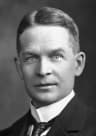
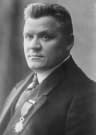
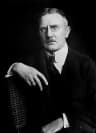
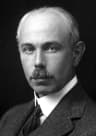
Wilhelm Frick (1877–1946) was Germany best known for German Nazi Party politician.
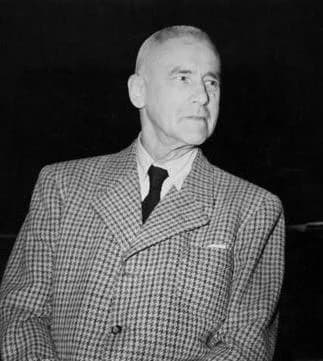
Wilhelm Frick (March 12, 1877 – October 16, 1946) was a German lawyer, politician, diplomat, and Holocaust perpetrator from Alsenz, Germany. He served as Minister of the Interior in Adolf Hitler's cabinet from 1933 to 1943. He was a key figure in the Nazi Party and a convicted war criminal.
თავი
ცხოვრების თავები
თავი 1 · 1877· თავი 1 7-დან
Early Life and Origins
Wilhelm Frick was born in the small town of Alsenz, Germany, on March 12, 1877. His formative years in this German locality provided the initial context for his development and education. While specific details about his family background or childhood activities are not provided in the historical record, it is understood that his early environment in Alsenz contributed to his eventual career path.
His education led him to pursue studies in law, a rigorous discipline that equipped him with a detailed understanding of legal systems and governmental administration. This academic foundation was crucial, preparing him for the complexities he would encounter in his subsequent public service roles. The legal training he received laid an essential groundwork for his later involvement in both the judiciary and the political sphere within Germany.
თავი 2· თავი 2 7-დან
Career Beginnings
Frick initiated his professional journey as a lawyer, a profession intrinsically connected with the structures of government and public order. This early phase of his career provided him with practical experience in the application of law and the administration of justice. Such direct engagement with legal processes is often a common starting point for individuals who later transition into political leadership.
His eventual shift from legal practice to active politics represented a significant evolution in his career trajectory. While the precise details of his initial political affiliations or early campaigns are not specified in the provided data, it is clear that his legal expertise formed a crucial basis for his entry into public life. This foundation allowed him to navigate the developing political structures and ultimately rise through the ranks.
He subsequently became deeply involved with the Nazi Party (NSDAP), signaling a definitive turn in his professional path. This commitment to the party marked the true beginning of his high-profile political career, aligning him with the party's agenda and leadership. His early political actions and choices within the burgeoning NSDAP set the stage for his later, more prominent roles within the German government.
თავი 3· თავი 3 7-დან
Major Achievements and Career Highlights
Wilhelm Frick rose to significant prominence as a German Nazi Party politician, demonstrating a steadfast commitment to the party's ideological and administrative goals. His political ascent led him to central positions within the governing apparatus of the Third Reich. He was recognized as a key figure in the party's efforts to consolidate power and implement its policies across Germany.
A primary highlight of his career was his appointment as Minister of the Interior in Adolf Hitler's cabinet, a role he held from 1933 to 1943. This was an extraordinarily powerful and influential governmental portfolio, encompassing responsibilities for domestic security, public administration, and the implementation of numerous state laws. During this critical decade, Frick played a direct role in the administration and enforcement of national policies, many of which had far-reaching and devastating consequences.
His tenure as Minister of the Interior saw him overseeing the internal governance of Germany, including civil service matters, police forces, and municipal administration. The decisions made and policies enacted under his authority during this period significantly shaped the daily lives of German citizens and the broader structure of the state. His decade of service in this capacity firmly established him as a central, instrumental figure within the Nazi regime.
Following his decade as Minister of the Interior, Frick assumed the critical position of the last governor of the Protectorate of Bohemia and Moravia. This appointment placed him at the helm of an occupied territory, granting him considerable executive and administrative authority over the region. His service in this role, from 1943 until the end of the war, marked the concluding phase of his high-level political career, further solidifying his involvement in the administration of territories under Nazi control.
თავი 4· თავი 4 7-დან
Personal Life
Based on the information provided, specific details concerning Wilhelm Frick's personal life, such as his family, marital status, relationships, or individual interests outside of his political and professional roles, are not available. The available historical record primarily focuses on his public career and official capacities within the German government and the Nazi Party.
Therefore, a comprehensive exploration of his private character, personal beliefs beyond his political ideology, or any non-political endeavors remains beyond the scope of this memorial. His documented life is predominantly defined by his significant public service and his profound involvement in the political sphere of his era.
თავი 5· თავი 5 7-დან
Notable Works or Contributions
Wilhelm Frick's primary "contributions" were manifested through his extensive governmental and political service within the Nazi regime, particularly as a key administrator and policymaker. As Minister of the Interior, he was central to the implementation and enforcement of various domestic policies and administrative reforms consistent with the regime's objectives. His actions in this role significantly influenced the legal and administrative framework of Germany during the 1930s and early 1940s.
His sustained political career, deeply intertwined with the Nazi Party, represents his most substantial and recognized engagement. These governmental and political roles constituted his principal impact, particularly during his decade in Adolf Hitler's cabinet and his subsequent appointment as governor. The policies and directives issued under his authority as Minister of the Interior were far-reaching, directly affecting internal security, citizenship laws, and the structure of public life in Germany.
The formal documents and administrative directives issued during his tenure in these high offices are considered his "works" in a governmental capacity. These official acts reflect his active participation in shaping the legal and administrative mechanisms of the Nazi state. His administrative legacy is therefore found within the body of governmental decisions and policies he helped enact and oversee during his time in power.
თავი 6 · 1933· თავი 6 7-დან
Later Years
Wilhelm Frick's later career continued to be marked by his high-ranking political appointments, serving in significant roles until the final collapse of the Nazi regime. His service as Minister of the Interior from 1933 to 1943 transitioned into his role as the last governor of the Protectorate of Bohemia and Moravia, a position he held through the closing years of World War II. These assignments kept him at the forefront of the Nazi administration.
His life concluded in Nuremberg, Germany, where he died on October 16, 1946. His death in Nuremberg places him specifically within the context of the post-war justice system, following the international trials held there. This date signifies the end of a life deeply enmeshed with the major political and military conflicts of the mid-20th century, bringing his contentious career to its definitive close.
თავი 7· თავი 7 7-დან
Legacy and Impact
Wilhelm Frick’s legacy is unequivocally defined by his deep involvement as a German Nazi Party politician and his direct role as a Holocaust perpetrator. His actions and administrative oversight as Minister of the Interior and later as the governor of the Protectorate of Bohemia and Moravia had direct and profound implications for the implementation of the Nazi state's genocidal policies. He was a central figure in the administrative machinery that facilitated atrocities.
Ultimately, Frick was convicted as a war criminal for his participation in these actions, a fact that indelibly shapes his historical perception. His life and career serve as a stark historical testament to the individual responsibilities of those who occupy positions of power within oppressive and criminal political systems. The historical record firmly links his name with the darkest and most tragic chapters of 20th-century history.
His professional path, from lawyer to high-ranking politician in the Nazi regime, illustrates how individuals can become instrumental in the systematic perpetration of human rights abuses. The lasting impact of Wilhelm Frick's career serves as a critical historical reference point for understanding the administrative and political mechanisms that enabled the Holocaust and other crimes against humanity. His story remains a part of the historical examination of complicity and governance during periods of extreme authoritarianism.
ცხოვრება მომენტებში
მომენტები, რომლებმაც ცხოვრება განსაზღვრა
ხშირად დასმული კითხვები
ხშირად დასმული კითხვები
როდის გარდაიცვალა Wilhelm Frick?
Wilhelm Frick გარდაიცვალა 16 ოქტომბერი, 1946 Nuremberg, Germany-ში, 69 წლის ასაკში.
სად დაიბადა Wilhelm Frick?
Wilhelm Frick დაიბადა Alsenz, Germany-ში 12 მარტი, 1877.
რითია ცნობილი Wilhelm Frick?
Wilhelm Frick ცნობილია German Nazi Party politician-ით.
რამდენი წლის იყო Wilhelm Frick გარდაცვალებისას?
Wilhelm Frick გარდაცვალებისას 69 წლის იყო.
რა ეროვნების იყო Wilhelm Frick?
Wilhelm Frick იყო Germany-დან.
ქრონოლოგია
ცხოვრება ერთი შეხედვით
ფოტო გალერეა
ცხოვრება ფოტოებში
გადიდებისთვის დააჭირეთ ნებისმიერ პოლაროიდს · 25 ფოტო
QR კოდი
გააზიარეთ ეს ბიოგრაფია
ბეჭდვა და გაზიარება
დაასკანირეთ ამ ბიოგრაფიის გვერდის მოსანახულებლად. დაბეჭდეთ ღონისძიებებისთვის, გამოფენებისთვის ან საგანმანათლებლო მასალებისთვის.