დაბადებული
July 15, 1917
Nawa District, Afghanistan
გარდაცვლილი
October 9, 1979
Kabul, Afghanistan
ცნობილია როგორც
1st General Secretary of the People's Democratic Party of Afghanistan
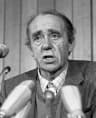
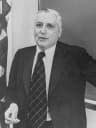
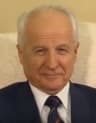
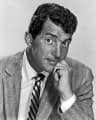
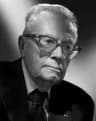
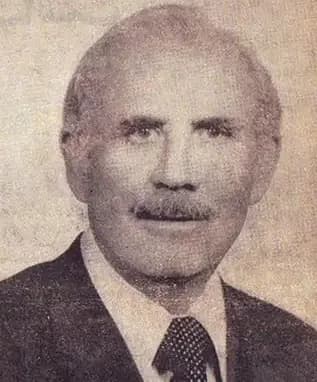
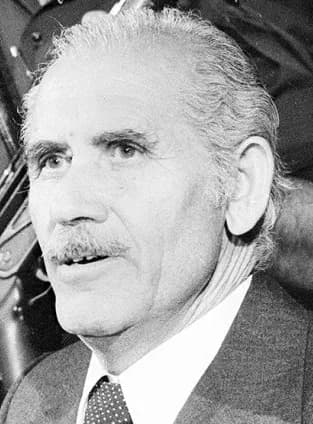
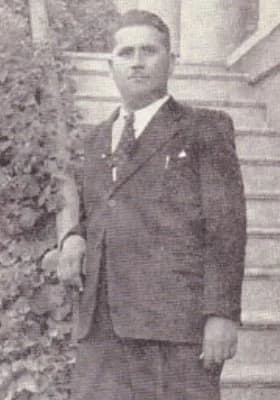
Nur Muhammad Taraki (1917-1979) was an Afghan communist politician, revolutionary, journalist, and writer from Nawa District. He served as the founding General Secretary of the People's Democratic Party of Afghanistan from 1965 to 1979 and Chairman of the Revolutionary Council from 1978 to 1979. His career combined literary pursuits with revolutionary politics during a transformative period in Afghan history.
თავი
ცხოვრების თავები
თავი 1 · 1917· თავი 1 7-დან
Early Life and Origins
Nur Muhammad Taraki was born on July 15, 1917, in the Nawa District of Afghanistan, a region that would shape his early worldview and later political consciousness. Growing up in rural Afghanistan during the early decades of the 20th century, Taraki experienced firsthand the traditional way of life that characterized much of the country at that time. His early years were marked by the cultural and social conditions typical of rural Afghan communities, where tribal customs and traditional Islamic values dominated daily life.
The formative experiences of his youth in Nawa District would later influence both his literary works and his political philosophy. His rural background gave him insights into the lives of ordinary Afghans, experiences that would prove valuable both in his writing career and his later political activities. This connection to rural Afghanistan remained an important part of his identity throughout his life, even as he moved into urban political circles.
თავი 2· თავი 2 7-დან
Career Beginnings
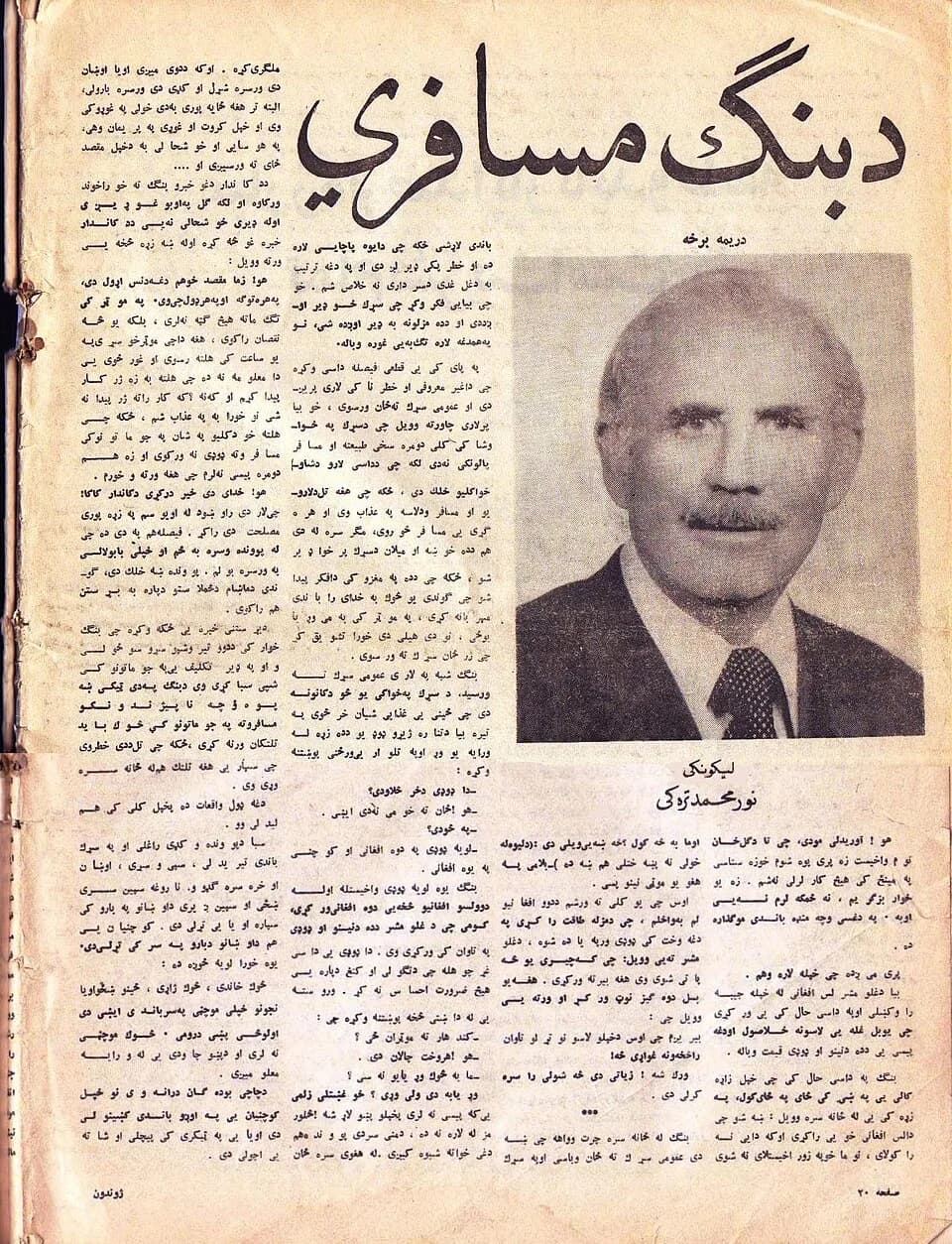
Taraki began his professional life as a writer and journalist, using these platforms to express his growing political consciousness and social concerns. His early career in journalism provided him with a public voice and the opportunity to engage with contemporary Afghan society on issues that mattered to him. Through his writing, he began to articulate views that would later form the foundation of his political activism.
His literary pursuits ran parallel to his journalistic work, as he developed his skills as a poet and writer during these early professional years. This dual focus on journalism and literature gave him multiple ways to communicate his ideas to Afghan society. His writing career served as a stepping stone to his later political involvement, providing him with the communication skills and public profile that would prove essential in his revolutionary activities.
თავი 3 · 1965· თავი 3 7-დან
Major Achievements and Career Highlights
Taraki's most significant achievement came in 1965 when he became a founding member of the People's Democratic Party of Afghanistan (PDPA), immediately assuming the role of General Secretary. This position made him the leading figure in Afghanistan's communist movement for the next fourteen years, from 1965 to 1979. His leadership of the PDPA represented a major milestone in Afghan political history, as the party became a significant force in the country's political landscape.
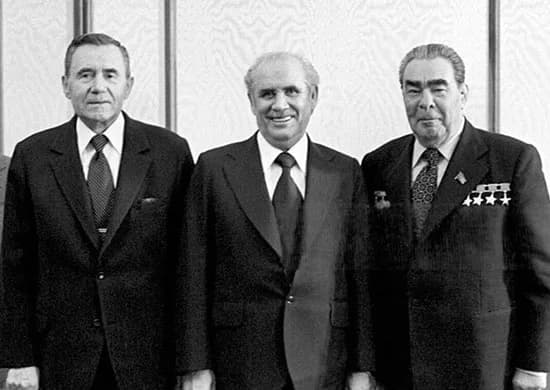
Following the revolutionary changes of 1978, Taraki assumed the additional role of Chairman of the Revolutionary Council, a position he held from 1978 to 1979. This appointment marked the peak of his political career, as he became one of the most powerful figures in Afghanistan during this transformative period. His simultaneous roles as party leader and government official made him a central figure in the dramatic political changes that swept Afghanistan during the late 1970s.
თავი 4· თავი 4 7-დან
Literary Contributions and Intellectual Work
Beyond his political activities, Taraki maintained his commitment to literature and intellectual pursuits throughout his career. His work as a poet and writer provided him with a different kind of influence in Afghan society, allowing him to reach audiences through cultural and artistic channels rather than purely political ones. His literary works reflected his political beliefs while also contributing to Afghan cultural life during a period of significant change.
His background in journalism continued to inform his approach to both politics and literature, as he used his communication skills to advance his various causes. The combination of his literary talents and political activism made him a distinctive figure in Afghan intellectual circles. His ability to work in multiple spheres - political, literary, and journalistic - gave him a broader platform for influence than many of his contemporaries.
თავი 5 · 1965· თავი 5 7-დან
Political Leadership and Revolutionary Period
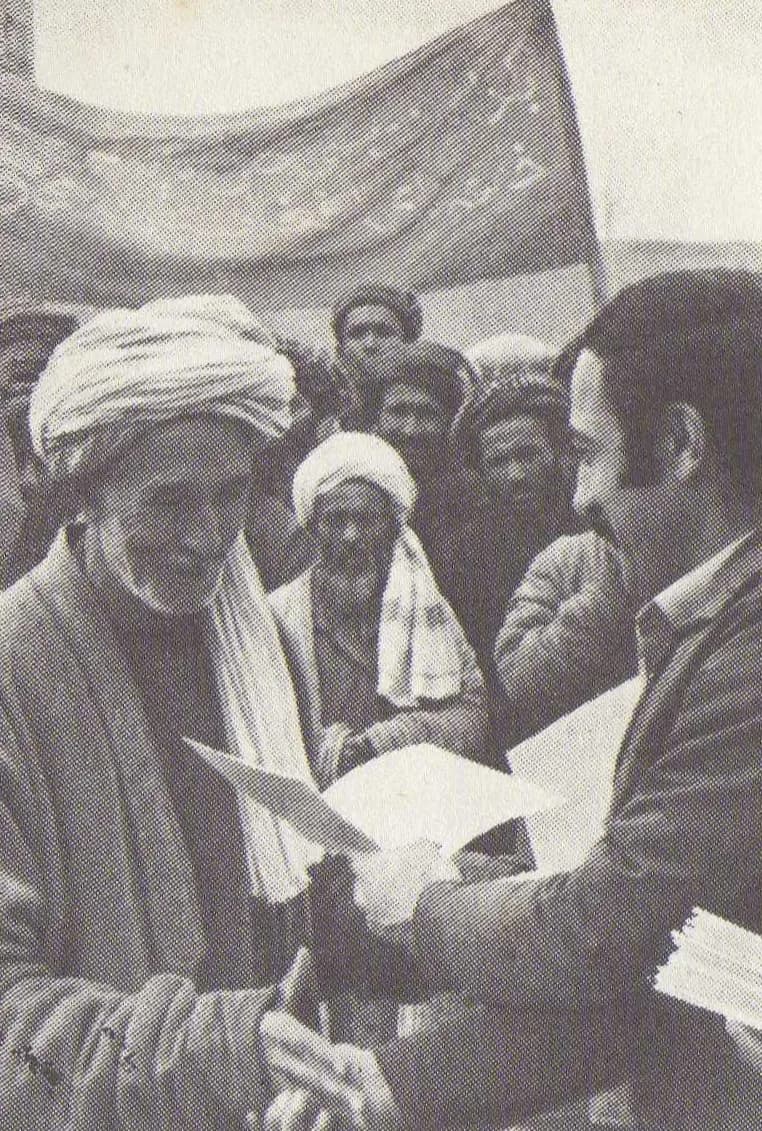
As General Secretary of the PDPA, Taraki played a central role in shaping Afghanistan's communist movement during its most active period. His leadership spanned the crucial years from the party's founding in 1965 through the revolutionary period of the late 1970s. During this time, he guided the party through various phases of development, from its early organizational period through its eventual rise to power.
His appointment as Chairman of the Revolutionary Council in 1978 marked the culmination of his political career and the achievement of the revolutionary goals he had worked toward for over a decade. In this role, he was responsible for overseeing the significant political and social changes that the revolutionary government attempted to implement. His leadership during this period placed him at the center of one of the most dramatic chapters in modern Afghan history.
თავი 6· თავი 6 7-დან
Later Years and Final Period
Taraki's later years were dominated by his governmental responsibilities as Chairman of the Revolutionary Council, a role that placed enormous demands on him during a period of intense political upheaval in Afghanistan. The challenges of implementing revolutionary changes while managing internal party dynamics and external pressures characterized his final years in power. His leadership during this period was marked by the complex task of trying to transform Afghan society according to his long-held political beliefs.
His death on October 9, 1979, in Kabul brought to an end a career that had spanned multiple decades and various roles in Afghan society. He passed away at the age of 62, having spent the final years of his life at the center of Afghan political power. His death marked the end of an era for the PDPA and for the revolutionary movement he had helped to create and lead for so many years.
თავი 7· თავი 7 7-დან
Legacy and Impact
Taraki's legacy rests on his role as a founding figure in Afghanistan's communist movement and his unique position as both a political leader and literary figure. His fourteen-year tenure as General Secretary of the PDPA made him one of the most enduring leaders in the party's history. His influence on Afghan politics during the crucial decades of the 1960s and 1970s helped shape the course of the country's political development during a period of significant change.
His combination of literary talent and political activism created a distinctive model of intellectual engagement with Afghan society. Through his various roles as writer, poet, journalist, and political leader, he demonstrated different ways of participating in public life and working for social change. His life story reflects the complex political currents that shaped Afghanistan during the mid-20th century, and his career illustrates the various paths that Afghan intellectuals took during this transformative period in the country's history.
ცხოვრება მომენტებში
მომენტები, რომლებმაც ცხოვრება განსაზღვრა
ხშირად დასმული კითხვები
ხშირად დასმული კითხვები
როდის გარდაიცვალა Nur Muhammad Taraki?
Nur Muhammad Taraki გარდაიცვალა 9 ოქტომბერი, 1979 Kabul, Afghanistan-ში, 62 წლის ასაკში.
სად დაიბადა Nur Muhammad Taraki?
Nur Muhammad Taraki დაიბადა Nawa District, Afghanistan-ში 15 ივლისი, 1917.
რითია ცნობილი Nur Muhammad Taraki?
Nur Muhammad Taraki ცნობილია 1st General Secretary of the People's Democratic Party of Afghanistan-ით.
რამდენი წლის იყო Nur Muhammad Taraki გარდაცვალებისას?
Nur Muhammad Taraki გარდაცვალებისას 62 წლის იყო.
რა ეროვნების იყო Nur Muhammad Taraki?
Nur Muhammad Taraki იყო Afghanistan-დან.
ქრონოლოგია
ცხოვრება ერთი შეხედვით
ფოტო გალერეა
ცხოვრება ფოტოებში
გადიდებისთვის დააჭირეთ ნებისმიერ პოლაროიდს · 25 ფოტო
QR კოდი
გააზიარეთ ეს ბიოგრაფია
ბეჭდვა და გაზიარება
დაასკანირეთ ამ ბიოგრაფიის გვერდის მოსანახულებლად. დაბეჭდეთ ღონისძიებებისთვის, გამოფენებისთვის ან საგანმანათლებლო მასალებისთვის.