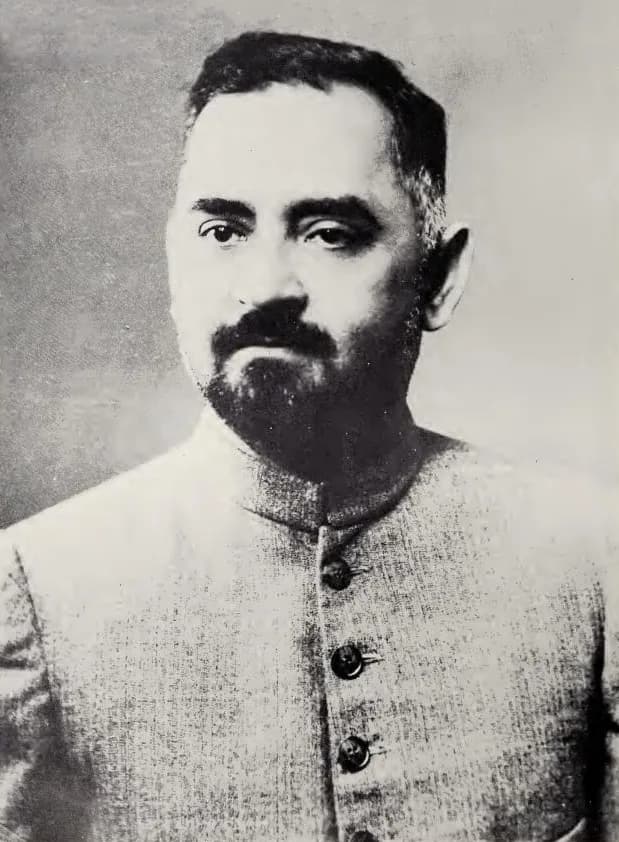
დაბადებული
March 14, 1908
Rochefort, France
გარდაცვლილი
May 3, 1961
6th arrondissement of Paris, France
ცნობილია როგორც
French phenomenological philosopher
Maurice Merleau-Ponty (1908–1961) was France best known for French phenomenological philosopher.
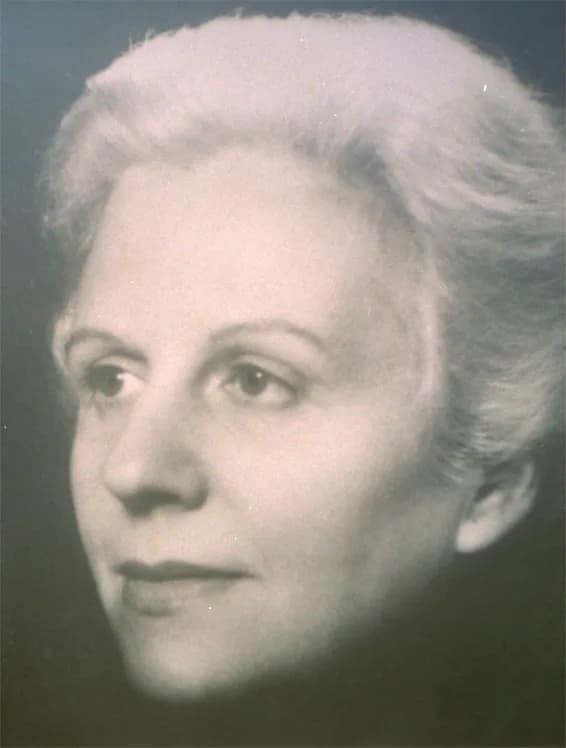
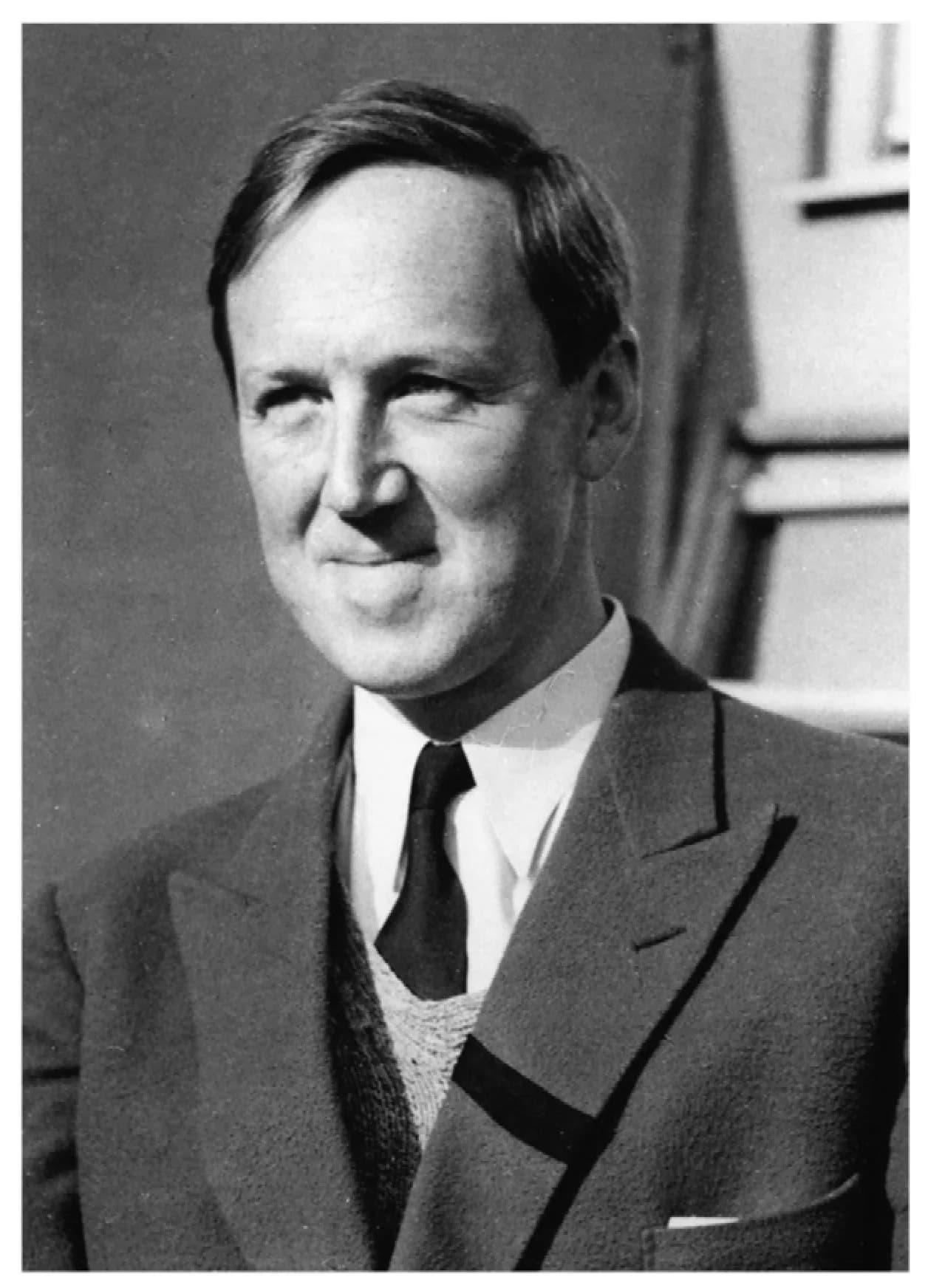
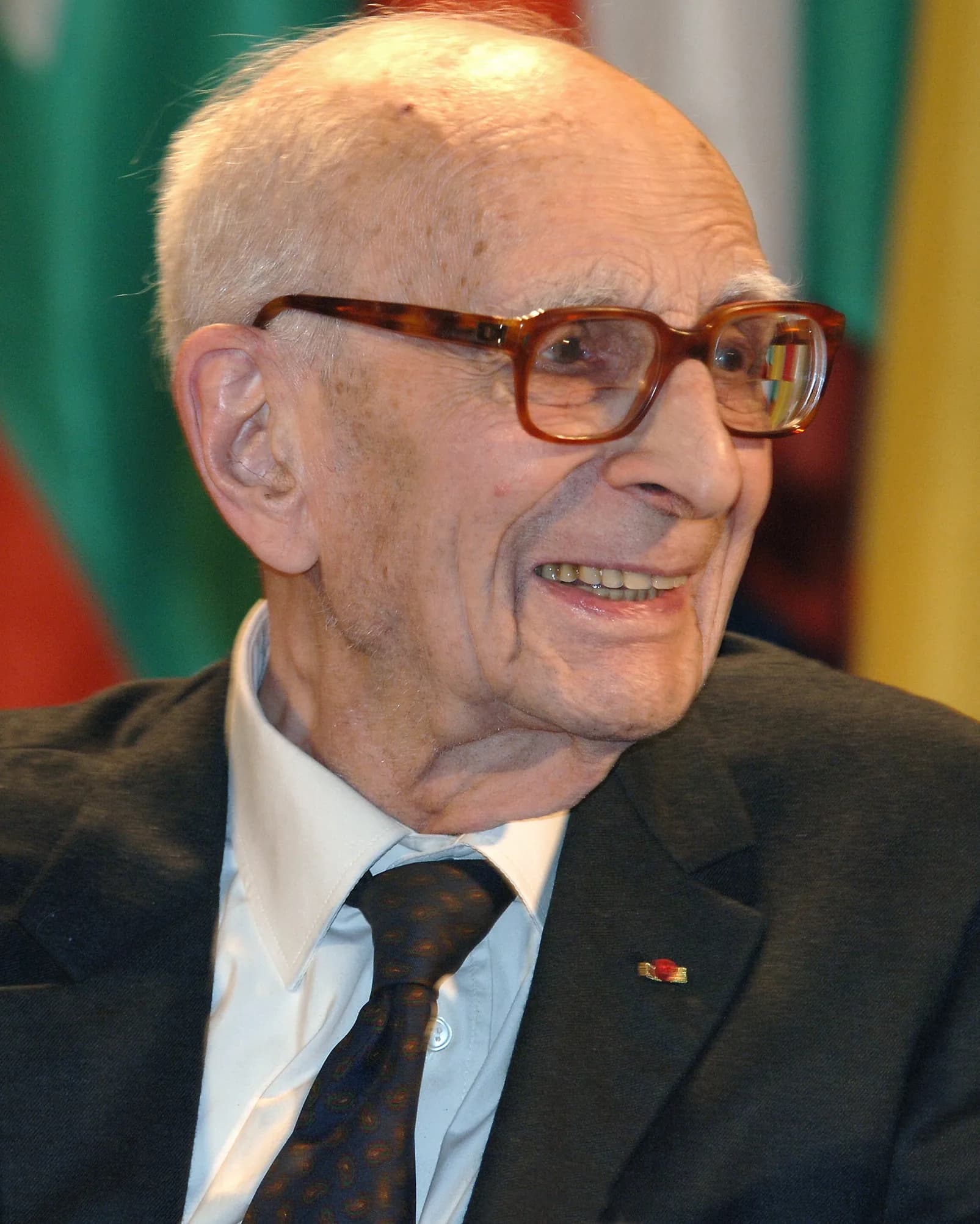
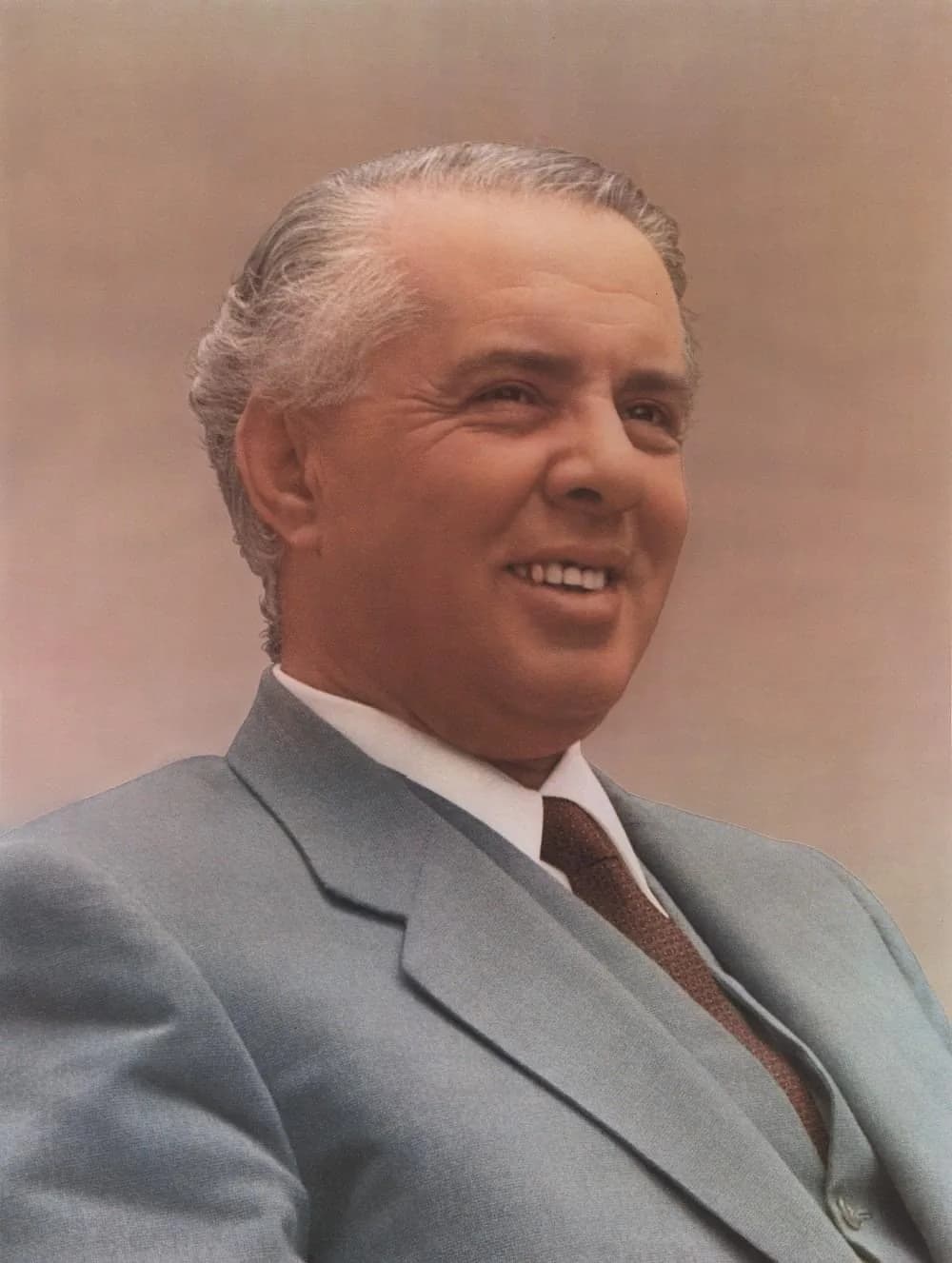
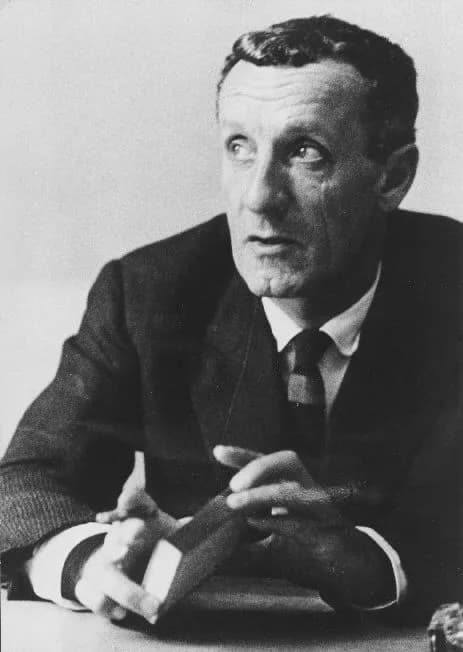
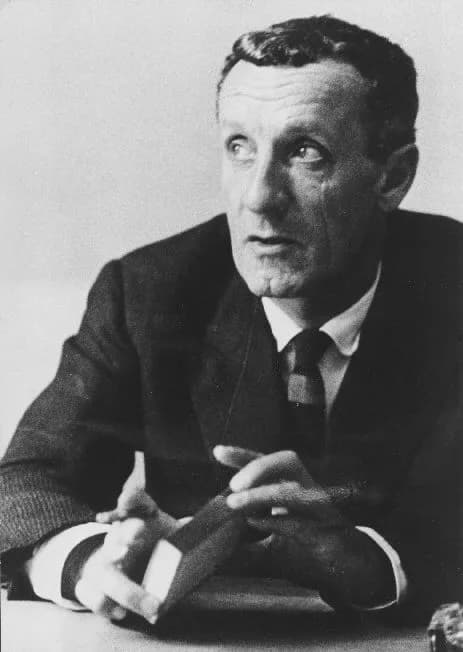
Maurice Jean Jacques Merleau-Ponty (March 14, 1908 – May 3, 1961) was a French phenomenological philosopher. He explored the constitution of meaning in human experience across perception, art, and politics. His work significantly influenced 20th-century thought, solidifying his philosophical legacy.
ცხოვრება მომენტებში
მომენტები, რომლებმაც ცხოვრება განსაზღვრა
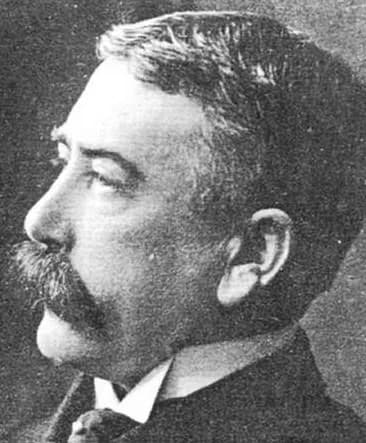
თავი
ცხოვრების თავები
თავი 1 · 1908· თავი 1 7-დან
Opening to a Life of Thought
Maurice Jean Jacques Merleau-Ponty, born on March 14, 1908, and who passed away on May 3, 1961, was a profoundly influential French phenomenological philosopher, art theorist, aesthetician, and professor. His intellectual contributions were dedicated to understanding the complex constitution of meaning within human experience, drawing heavily on his predecessors. He explored topics ranging from perception and art to politics, religion, and the very nature of language itself, establishing a lasting framework for philosophical inquiry.
თავი 2 · 1908· თავი 2 7-დან
Early Life and Origins
Maurice Merleau-Ponty began his life in Rochefort, France, where he was born on March 14, 1908. While specific details of his early family life and upbringing are not extensively documented in public records, his early education undoubtedly laid the groundwork for his eventual deep engagement with philosophy. The intellectual environment of France during his youth provided a fertile ground for the development of the rigorous analytical and critical thinking that would characterize his later academic career.
თავი 3 · 1945· თავი 3 7-დან
Career Beginnings and Editorial Leadership
Merleau-Ponty's professional journey quickly led him into academia and public intellectual life. He became a respected professor, dedicating himself to both teaching and philosophical research. A significant early highlight of his career was the co-establishment of the prominent leftist magazine, Les Temps modernes, in 1945.
Working alongside fellow intellectuals Jean-Paul Sartre and Simone de Beauvoir, Merleau-Ponty served as the lead editor of this influential publication. This role allowed him to shape contemporary discourse and engage directly with the pressing political and social issues of the post-war era, extending his philosophical reach beyond academic circles.
თავი 4· თავი 4 7-დან
Major Achievements and Philosophical Focus
Throughout his career, Maurice Merleau-Ponty’s primary intellectual interest revolved around the constitution of meaning in human experience, a central theme that pervaded his extensive writings. He was significantly influenced by the works of Edmund Husserl and Martin Heidegger, building upon their foundational ideas to develop his unique phenomenological perspective. His philosophical inquiries spanned a wide array of subjects, demonstrating the broad applicability of his core interests.
Merleau-Ponty's work delved into perception, art, politics, religion, biology, psychology, psychoanalysis, language, nature, and history, connecting these diverse fields through the lens of lived experience. His ability to synthesize complex ideas from various domains into a cohesive philosophical system stands as a reflection of his intellectual rigor and the expansive scope of his thought. His contributions established him as a leading voice in 20th-century French philosophy.
თავი 5 · 2020· თავი 5 7-დან
Notable Works and Enduring Contributions
Maurice Merleau-Ponty's intellectual output was substantial, evidenced by an h-index of 27 across 95 papers, reflecting the impact and reach of his scholarship. His writings continue to be studied and cited, many of them being published or gaining renewed attention posthumously. Among his most recognized works is The Sensible World and the World of Expression, which, though published in 2020, has garnered 27 citations, showing its continued relevance.
Other significant contributions include The Possibility of Philosophy, published in 2022 with 4 citations, and Humanism and Terror, also published in 2022, accumulating 3 citations. These works, along with others such as the 2019 Excerpt. Proust. A Theory, – and a Concordant Practice, – of Language, showcase his deep engagement with foundational philosophical questions and literary analysis, ensuring his ideas remain vital for contemporary thought.
თავი 6 · 1961· თავი 6 7-დან
Later Years and Sudden Passing
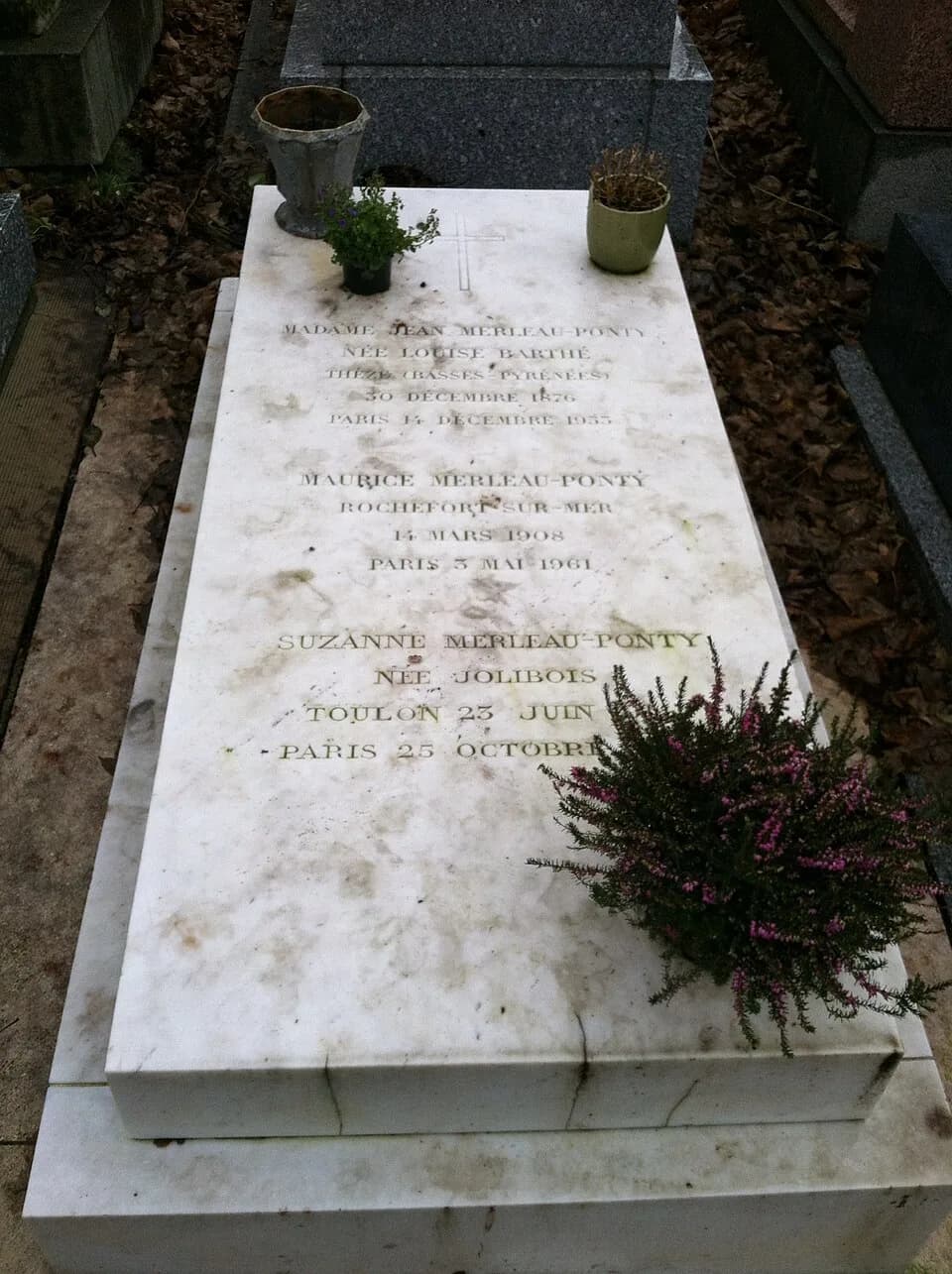
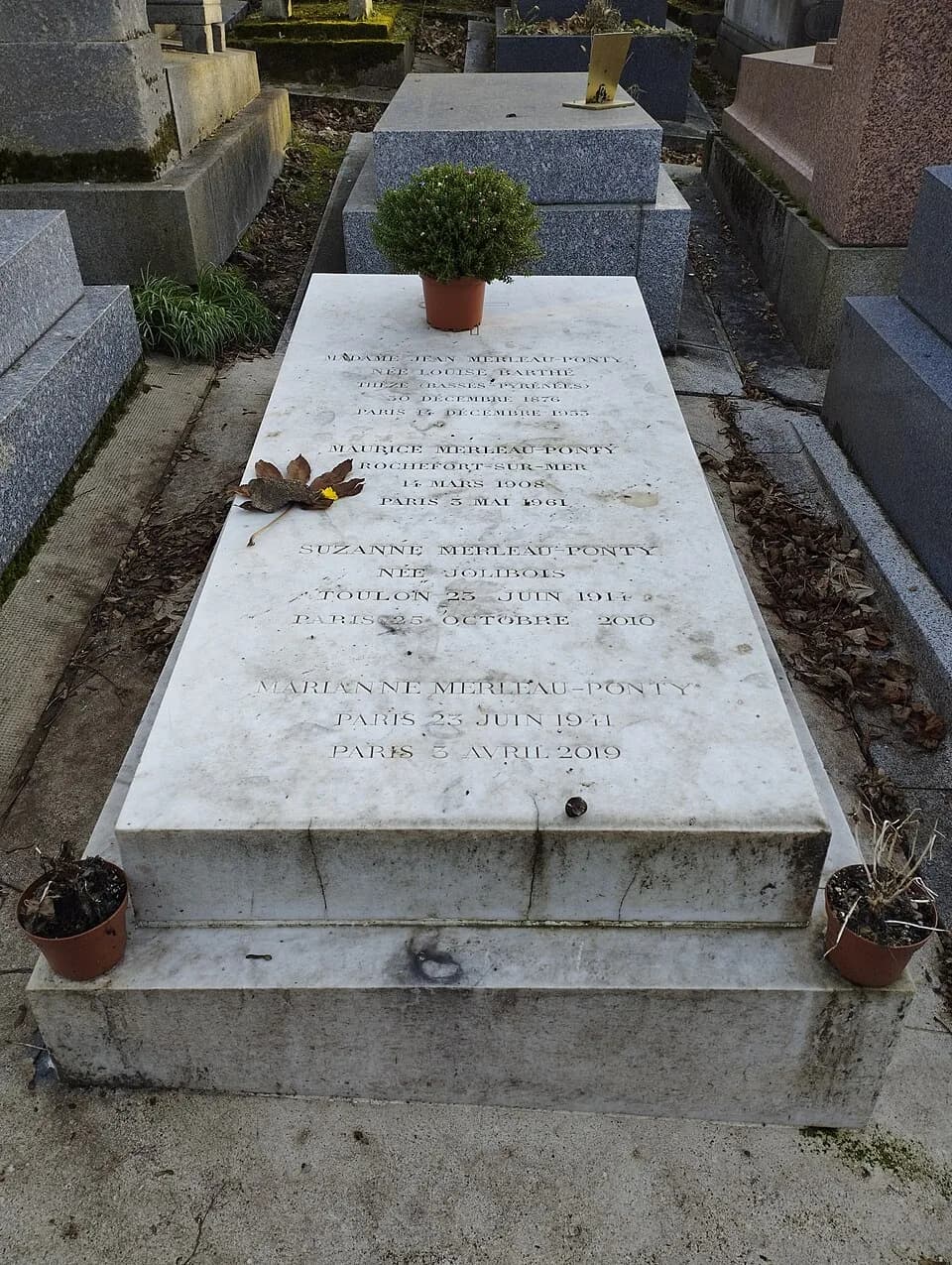
Maurice Merleau-Ponty's intellectual life, while incredibly rich and productive, was tragically cut short. He passed away prematurely on May 3, 1961, in the 6th arrondissement of Paris, France, at the age of 53. His untimely death meant that many of his ideas and projects were left incomplete, leaving subsequent generations to interpret and expand upon his extensive body of work.
Despite his relatively short lifespan, the philosophical legacy he built was immense, continuing to inspire scholars and thinkers worldwide. His final years were undoubtedly dedicated to the ongoing refinement of his philosophical system, even as he continued to influence students and colleagues through his teaching and editorial roles.
თავი 7· თავი 7 7-დან
Legacy and Lasting Impact
The philosophical work of Maurice Merleau-Ponty exerted a substantial influence on the trajectory of phenomenology and existentialism, extending far beyond his own lifetime. His emphasis on the body as the primary site of knowing and experiencing the world offered a powerful alternative to traditional Cartesian dualism. This perspective fundamentally altered how philosophers understood perception, consciousness, and the relationship between humans and their environment.
His explorations of art, politics, and language continue to inform contemporary debates in these fields, demonstrating the enduring relevance of his thought. Merleau-Ponty's commitment to understanding the lived world in its full complexity ensures his status as a key figure in 20th-century philosophy, whose insights continue to resonate with those seeking to understand the depths of human experience.
ხშირად დასმული კითხვები
ხშირად დასმული კითხვები
როდის გარდაიცვალა Maurice Merleau-Ponty?
Maurice Merleau-Ponty გარდაიცვალა 3 მაისი, 1961 6th arrondissement of Paris, France-ში, 53 წლის ასაკში.
სად დაიბადა Maurice Merleau-Ponty?
Maurice Merleau-Ponty დაიბადა Rochefort, France-ში 14 მარტი, 1908.
რითია ცნობილი Maurice Merleau-Ponty?
Maurice Merleau-Ponty ცნობილია French phenomenological philosopher-ით.
რამდენი წლის იყო Maurice Merleau-Ponty გარდაცვალებისას?
Maurice Merleau-Ponty გარდაცვალებისას 53 წლის იყო.
რა ეროვნების იყო Maurice Merleau-Ponty?
Maurice Merleau-Ponty იყო France-დან.
ქრონოლოგია
ცხოვრება ერთი შეხედვით
ფოტო გალერეა
ცხოვრება ფოტოებში
გადიდებისთვის დააჭირეთ ნებისმიერ პოლაროიდს · 18 ფოტო
QR კოდი
გააზიარეთ ეს ბიოგრაფია
ბეჭდვა და გაზიარება
დაასკანირეთ ამ ბიოგრაფიის გვერდის მოსანახულებლად. დაბეჭდეთ ღონისძიებებისთვის, გამოფენებისთვის ან საგანმანათლებლო მასალებისთვის.