დაბადებული
January 12, 1909
Bolotnia, Ukraine
გარდაცვლილი
August 18, 1997
Bolotnia, Ukraine
ცნობილია როგორც
Ukrainian folk art painter
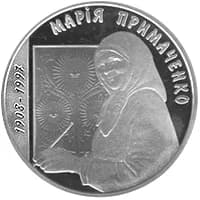
Maria Prymachenko (1909–1997) was Ukraine best known for Ukrainian folk art painter.
Maria Oksentiyivna Prymachenko (January 12, 1909 – August 18, 1997) was a Ukrainian folk art painter from Bolotnia, Ukraine. A self-taught visual artist, she worked in the naïve art style, creating vibrant paintings, embroidery, and ceramics. Her distinctive art continues to be celebrated.
ცხოვრება მომენტებში
მომენტები, რომლებმაც ცხოვრება განსაზღვრა
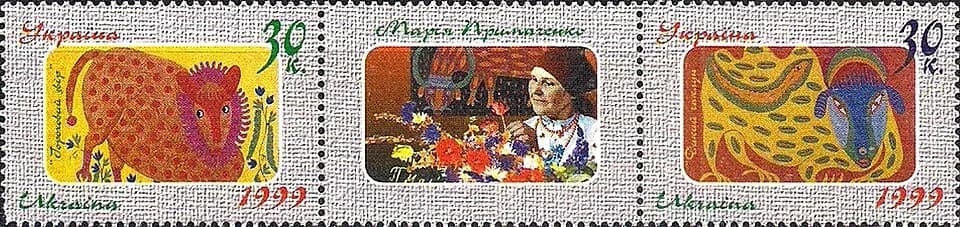
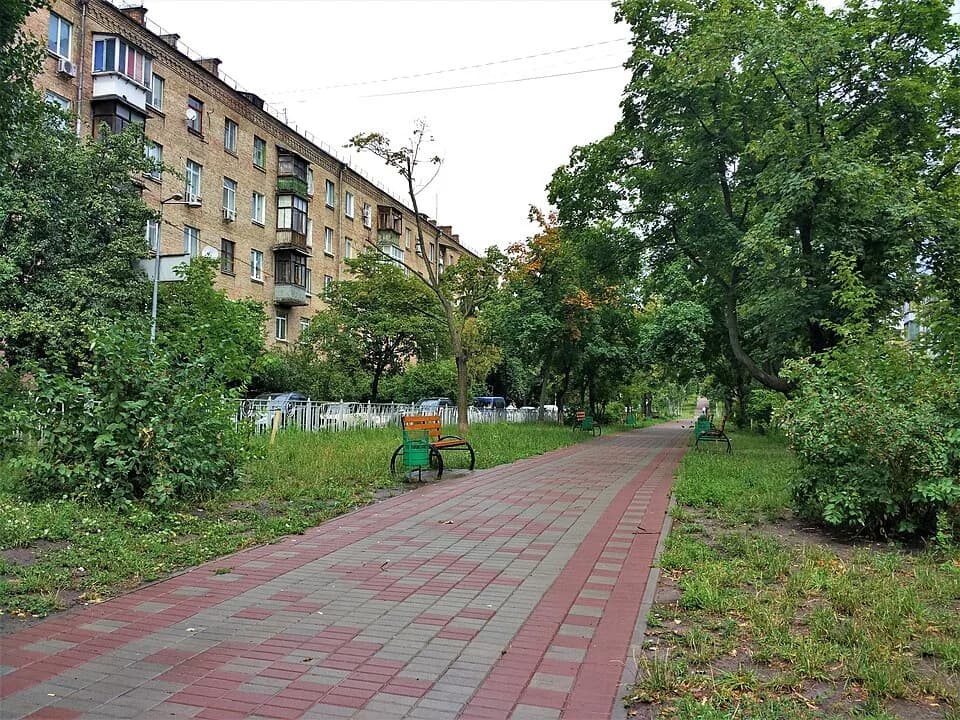
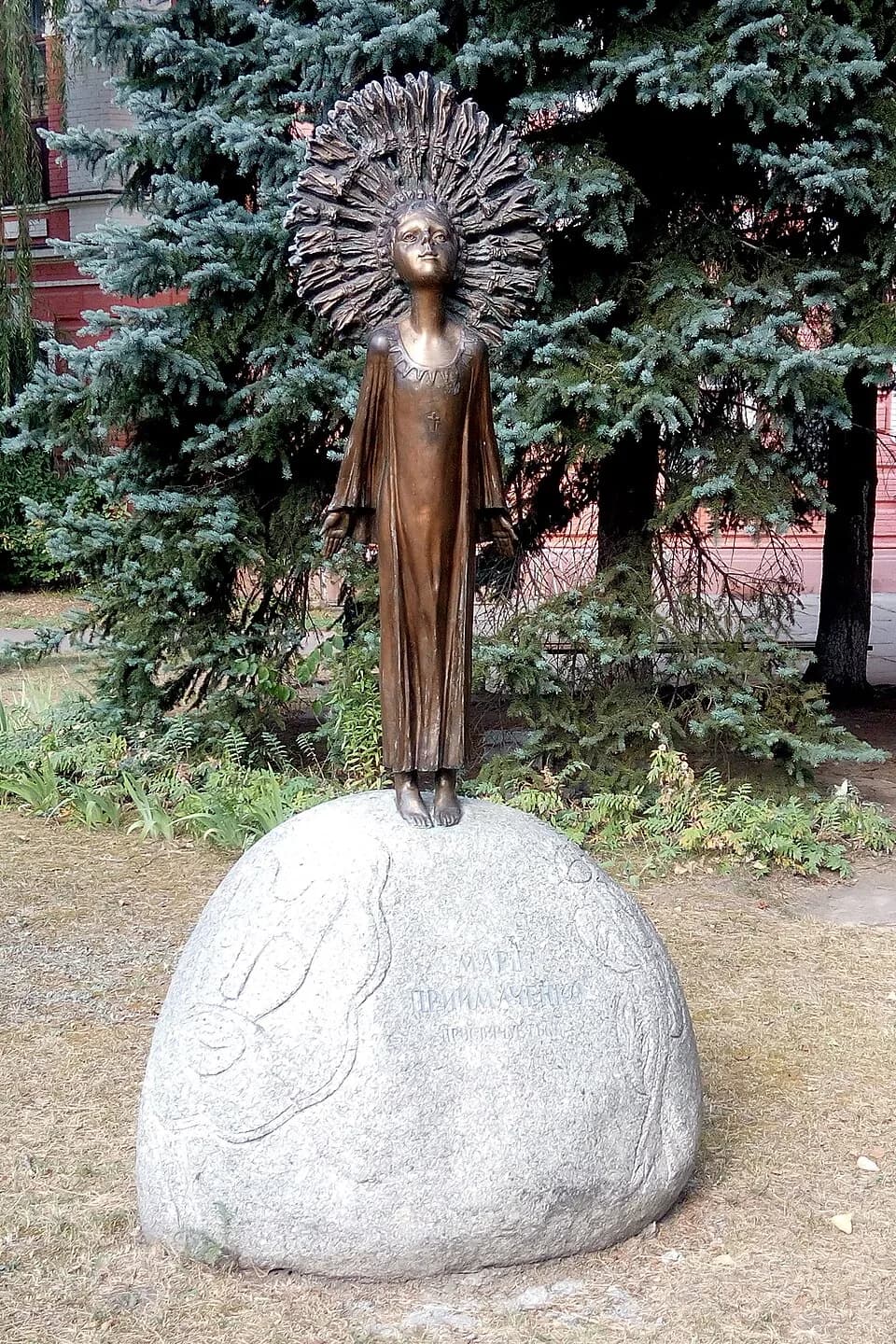
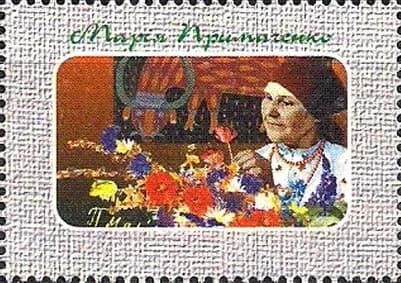
თავი
ცხოვრების თავები
თავი 1 · 1909· თავი 1 6-დან
Early Life and Origins
Maria Prymachenko was born on January 12, 1909, in the village of Bolotnia, located in Ukraine. She grew up within this community, which remained her lifelong home and the source of much artistic inspiration. As a self-taught artist, her unique artistic development was deeply rooted in her personal experiences and observations of her immediate environment.
თავი 2· თავი 2 6-დან
Career Beginnings
Without formal artistic training, Maria Prymachenko began her creative journey as a self-taught artist. Her multifaceted talents extended beyond painting to include skilled work in embroidery and ceramics. She developed a unique artistic voice early on, translating her inner world and the folklore of her region into compelling visual forms.
თავი 3· თავი 3 6-დან
Major Achievements and Career Highlights
Maria Prymachenko gained widespread recognition as a prominent Ukrainian folk art painter. Her distinctive work in the naïve art style set her apart from her contemporaries and garnered significant attention. She became well-known for her vibrant depictions and imaginative creatures, which blended reality with mythical elements.
თავი 4 · 2007· თავი 4 6-დან
Notable Works or Contributions
Among her extensive body of work, a notable piece is Metsänväki (Forest People). This specific artwork, which has been highlighted by various institutions, was noted in 2007 (AIC), reflecting the enduring interest in her artistic output. Her consistent style and unique vision are evident across her diverse artistic creations.
თავი 5 · 1997· თავი 5 6-დან
Later Years
Maria Prymachenko continued to create art through many decades of her life, enriching Ukrainian culture with her distinct perspective. She passed away on August 18, 1997, in her home village of Bolotnia, Ukraine. Her artistic contributions spanned most of the 20th century, leaving a substantial body of work for future generations.
თავი 6· თავი 6 6-დან
Legacy and Impact
Maria Prymachenko's unique contributions to Ukrainian folk art continue to resonate widely. Her distinctive naïve art style solidified her place as an important visual artist and a cultural icon. She remains a cherished figure in Ukrainian art history and an inspiration for artists worldwide.
ხშირად დასმული კითხვები
ხშირად დასმული კითხვები
როდის გარდაიცვალა Maria Prymachenko?
Maria Prymachenko გარდაიცვალა 18 აგვისტო, 1997 Bolotnia, Ukraine-ში, 88 წლის ასაკში.
სად დაიბადა Maria Prymachenko?
Maria Prymachenko დაიბადა Bolotnia, Ukraine-ში 12 იანვარი, 1909.
რითია ცნობილი Maria Prymachenko?
Maria Prymachenko ცნობილია Ukrainian folk art painter-ით.
რამდენი წლის იყო Maria Prymachenko გარდაცვალებისას?
Maria Prymachenko გარდაცვალებისას 88 წლის იყო.
რა ეროვნების იყო Maria Prymachenko?
Maria Prymachenko იყო Ukraine-დან.
ქრონოლოგია
ცხოვრება ერთი შეხედვით
ფოტო გალერეა
ცხოვრება ფოტოებში
გადიდებისთვის დააჭირეთ ნებისმიერ პოლაროიდს · 21 ფოტო
QR კოდი
გააზიარეთ ეს ბიოგრაფია
ბეჭდვა და გაზიარება
დაასკანირეთ ამ ბიოგრაფიის გვერდის მოსანახულებლად. დაბეჭდეთ ღონისძიებებისთვის, გამოფენებისთვის ან საგანმანათლებლო მასალებისთვის.