დაბადებული
March 2, 1900
Dessau, Germany
გარდაცვლილი
April 3, 1950
New York City, United States
ცნობილია როგორც
German composer
Kurt Weill (1900–1950) was Germany best known for German composer.
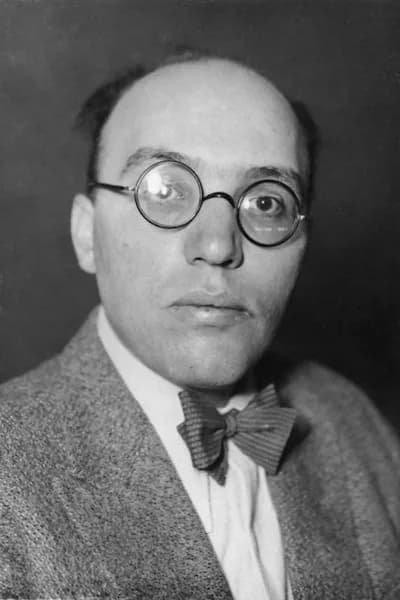
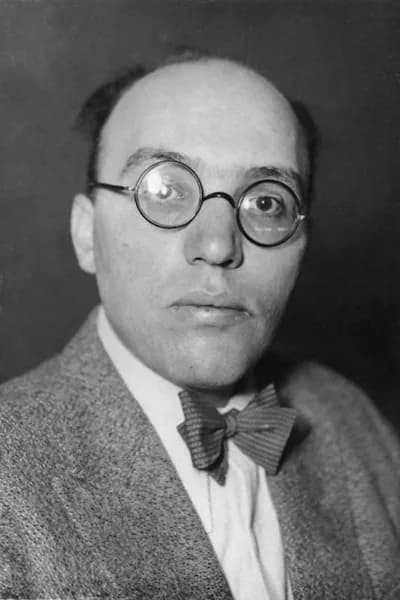
Kurt Julian Weill (March 2, 1900 – April 3, 1950) was a German composer. He was best known for his collaborations with Bertolt Brecht, including "The Threepenny Opera," and later for his contributions to American musical theater. His work embodied music for a socially useful purpose.
თავი
ცხოვრების თავები
თავი 1 · 1900· თავი 1 7-დან
Opening
Kurt Julian Weill (March 2, 1900 – April 3, 1950) was a distinguished German composer who later became an American citizen. Known for his powerful contributions to the stage, he crafted music that resonated deeply with social purpose. His career spanned two continents, leaving an enduring mark on both European and American musical theater.
თავი 2 · 1900· თავი 2 7-დან
Early Life and Origins
Kurt Weill was born on March 2, 1900, in Dessau, Germany. He grew up in an environment where music and culture were integral to daily life. His early life in Germany laid a strong foundation for his future musical endeavors, shaping his unique artistic voice and perspective.
თავი 3· თავი 3 7-დან
Career Beginnings
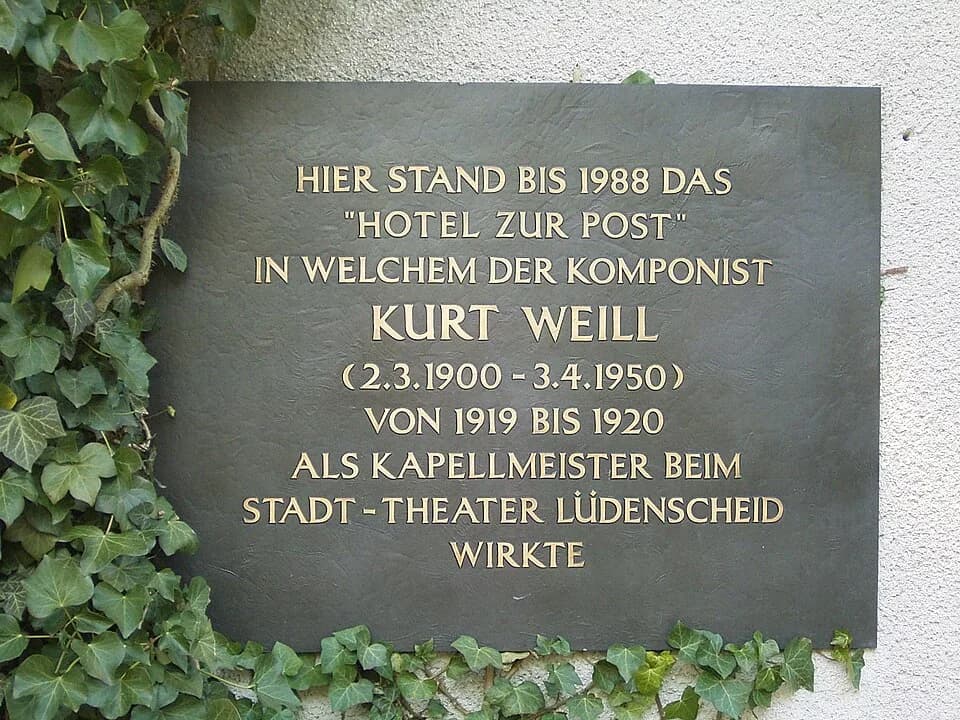
Weill began his professional life as a composer, quickly establishing himself in the vibrant German music scene of the 1920s. He also gained valuable experience as a musician and chapelmaster, roles that deepened his understanding of musical performance and direction. These early professional experiences were crucial in developing his distinctive style and theatrical sensibility.
თავი 4· თავი 4 7-დან
Major Achievements and Career Highlights
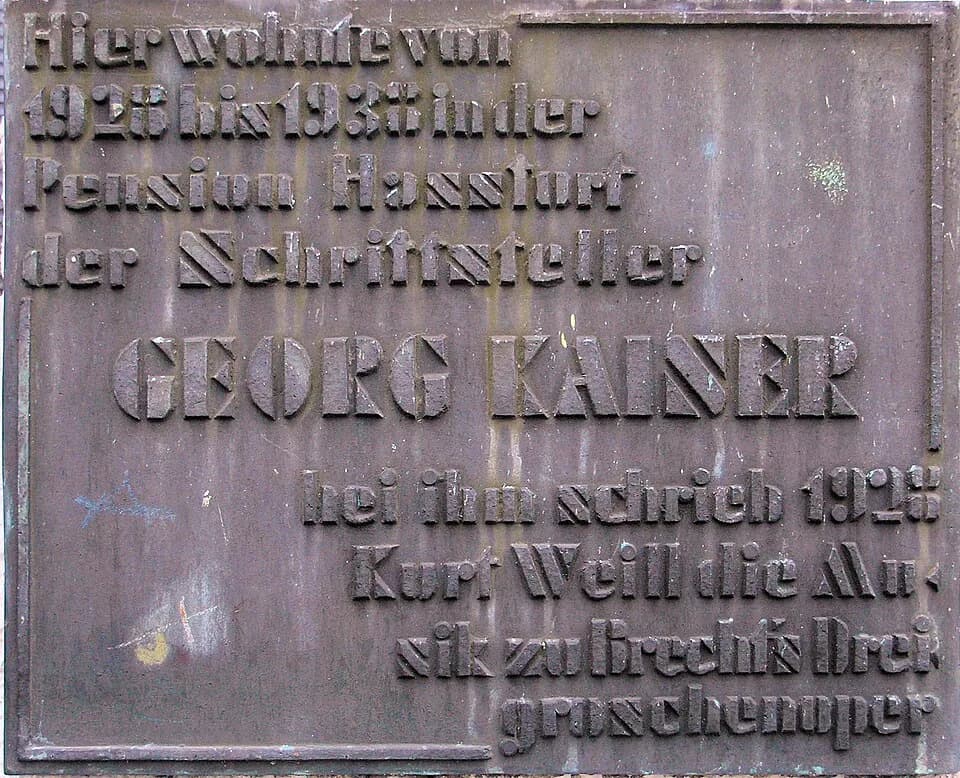
A leading composer for the stage, Weill achieved significant recognition for his fruitful collaborations with Bertolt Brecht. This partnership was a defining period in his career, yielding some of his most famous and impactful works. Together, they explored themes of social critique and justice through innovative musical forms.
Weill held a strong ideal of Gebrauchsmusik, which meant writing music that served a socially useful purpose. This philosophy guided much of his creative output, aiming to connect with broader audiences and address contemporary issues. His dedication to this principle ensured his music was not only artistically brilliant but also culturally relevant.
თავი 5 · 1958· თავი 5 7-დან
Notable Works or Contributions
His most celebrated collaboration with Brecht was “The Threepenny Opera,” which premiered to widespread acclaim. This iconic work features the widely recognized ballad “Mack the Knife,” a testament to Weill's ability to blend dramatic narrative with memorable melodies. The opera's continued popularity is reflected in numerous recordings, including “Die Dreigroschenoper” versions from 1958, 1968, and 1979, and “The Three Penny Opera” from 1968.
Beyond his stage works with Brecht, Weill also composed several pieces for the concert hall, showcasing his versatility across different musical forms. He explored Jewish themes in some of his compositions, demonstrating a depth of cultural and personal expression. Recordings like “Die sieben Todsünden” (1966) and “Die 7 Todsünden der Kleinbürger” (1967), along with “September Song and Other American Theatre Songs of Kurt Weill” (1958), highlight the breadth of his enduring works.
თავი 6 · 1933· თავი 6 7-დან
Later Years
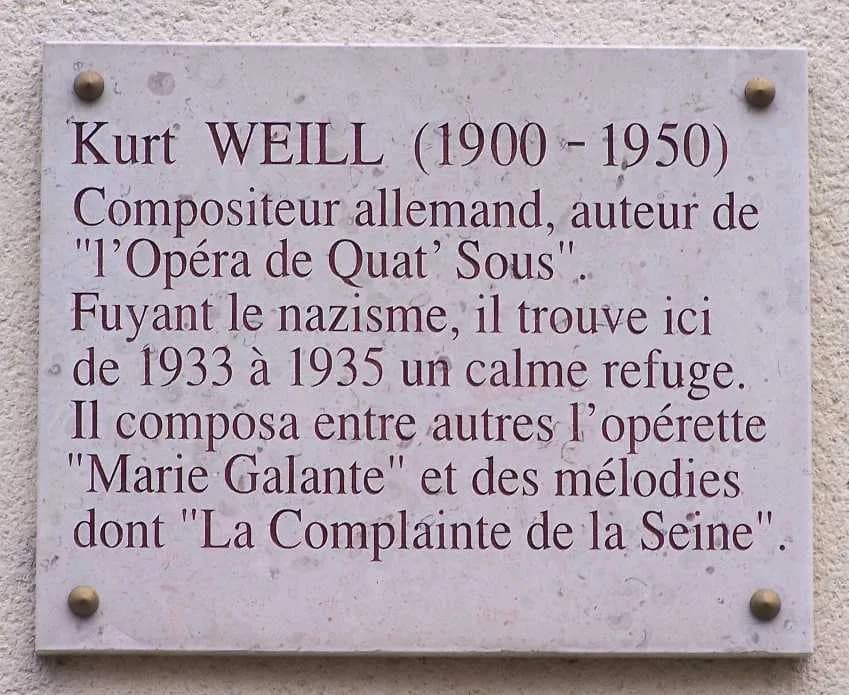
The rise of Nazi Germany tragically prompted Weill to flee his native country in 1933, a pivotal moment in his life and career. He arrived in the United States two years later, in 1935, finding a new home and artistic inspiration in New York City. Settling there, he made a substantial contribution to American musical theater, adapting his genius to a new cultural context and audience.
During his American period, Weill composed significant works such as “Lady in the Dark” and “Street Scene.” These compositions further demonstrated his adaptability and sustained creativity, solidifying his impact on the American stage. He continued to compose and shape the landscape of musical theater until his passing.
თავი 7 · 1950· თავი 7 7-დან
Legacy and Impact
Kurt Weill passed away on April 3, 1950, in New York City, United States, leaving behind a rich musical legacy. His influence on musical theater, both in Europe and America, remains profound and widely acknowledged. His dedication to music with social utility, Gebrauchsmusik, continues to inspire artists and audiences alike.
His music, a unique blend of classical, jazz, and modern classical genres, continues to be performed and studied across the globe. Weill's innovative approach and commitment to meaningful artistry cement his place as a pioneering and enduring composer whose works continue to resonate with their powerful messages and memorable melodies.
ცხოვრება მომენტებში
მომენტები, რომლებმაც ცხოვრება განსაზღვრა


ხშირად დასმული კითხვები
ხშირად დასმული კითხვები
როდის გარდაიცვალა Kurt Weill?
Kurt Weill გარდაიცვალა 3 აპრილი, 1950 New York City, United States-ში, 50 წლის ასაკში.
სად დაიბადა Kurt Weill?
Kurt Weill დაიბადა Dessau, Germany-ში 2 მარტი, 1900.
რითია ცნობილი Kurt Weill?
Kurt Weill ცნობილია German composer-ით.
რამდენი წლის იყო Kurt Weill გარდაცვალებისას?
Kurt Weill გარდაცვალებისას 50 წლის იყო.
რა ეროვნების იყო Kurt Weill?
Kurt Weill იყო Germany-დან.
ქრონოლოგია
ცხოვრება ერთი შეხედვით
ფოტო გალერეა
ცხოვრება ფოტოებში
გადიდებისთვის დააჭირეთ ნებისმიერ პოლაროიდს · 22 ფოტო
QR კოდი
გააზიარეთ ეს ბიოგრაფია
ბეჭდვა და გაზიარება
დაასკანირეთ ამ ბიოგრაფიის გვერდის მოსანახულებლად. დაბეჭდეთ ღონისძიებებისთვის, გამოფენებისთვის ან საგანმანათლებლო მასალებისთვის.