დაბადებული
January 9, 1902
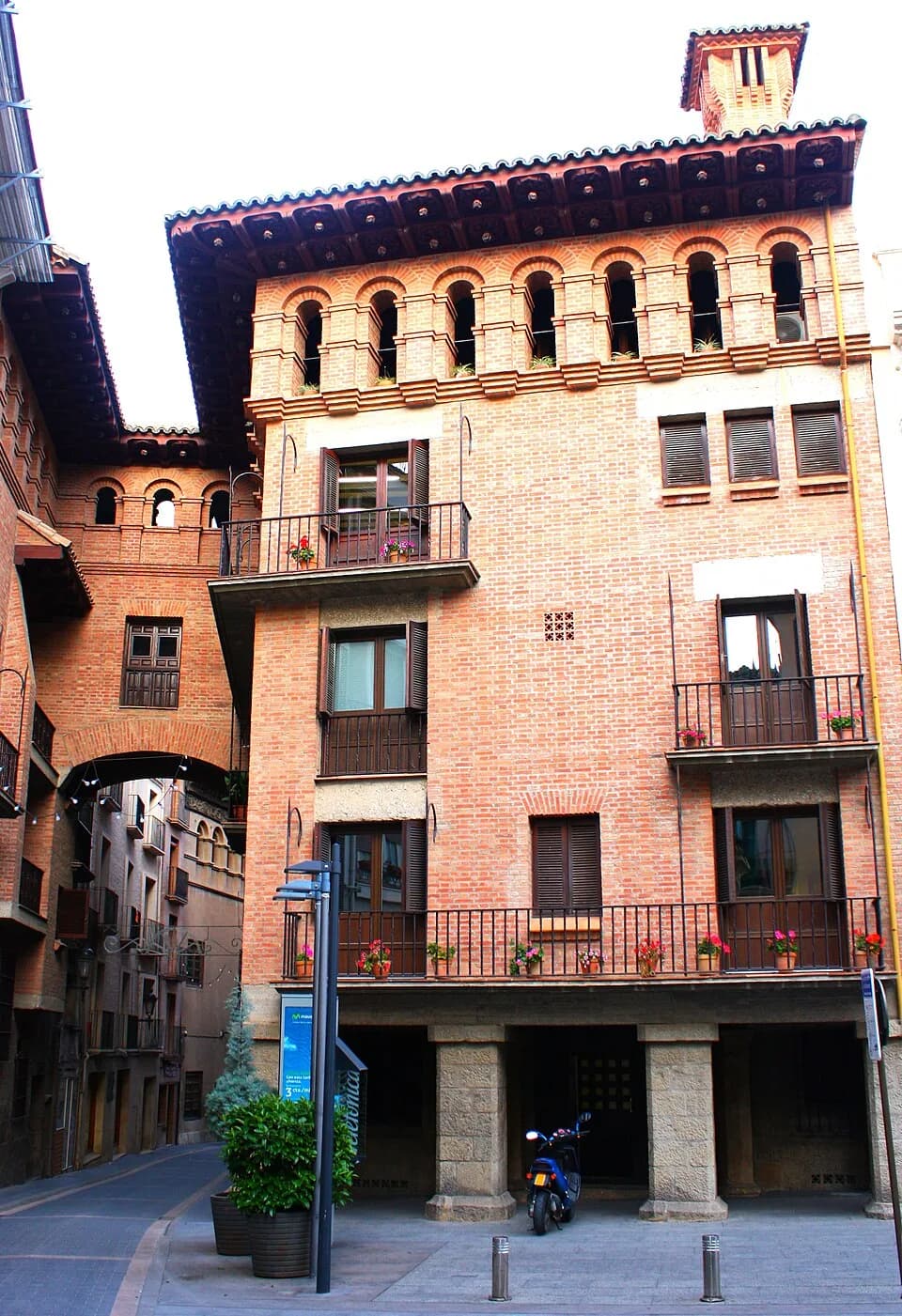
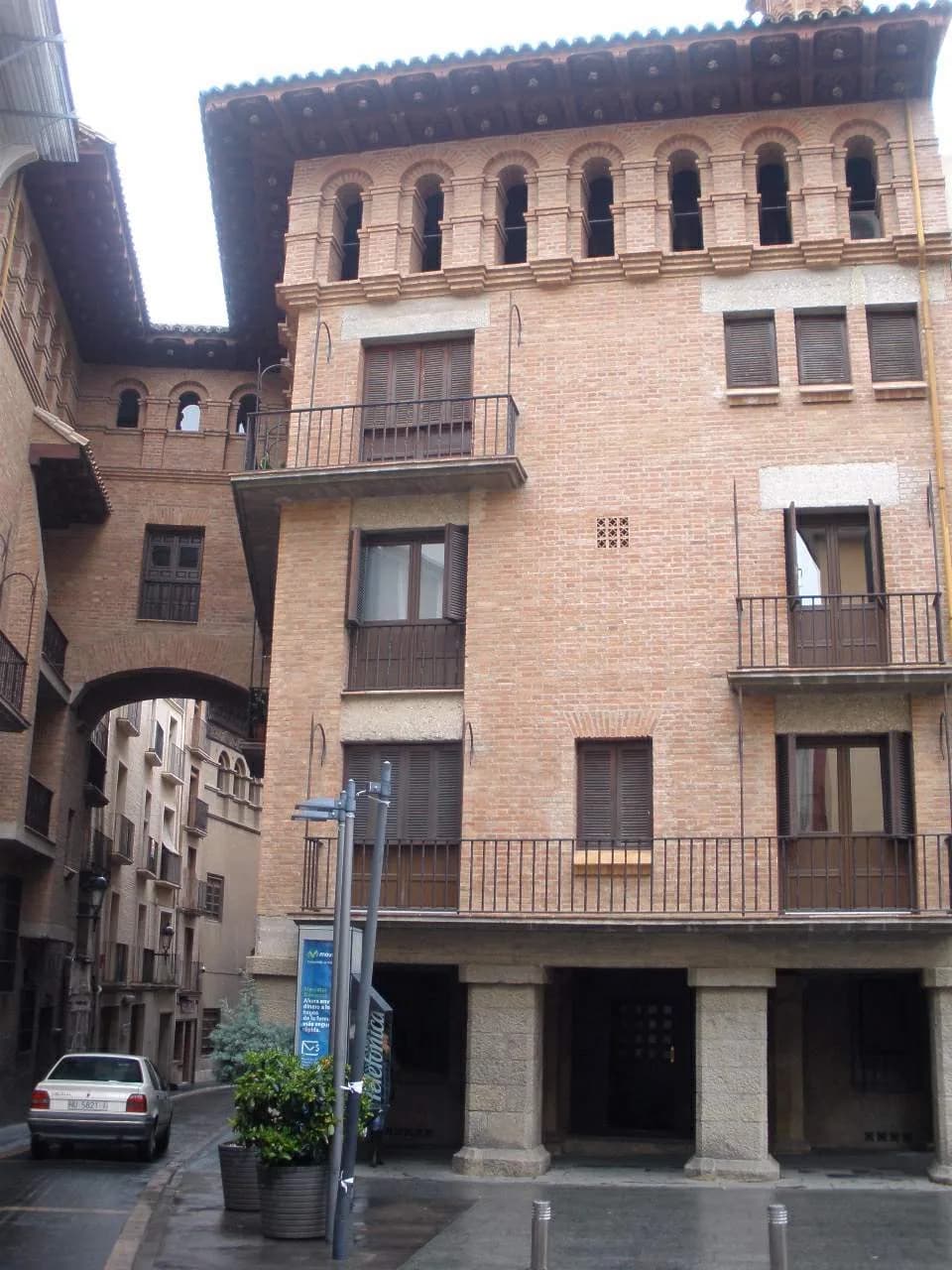
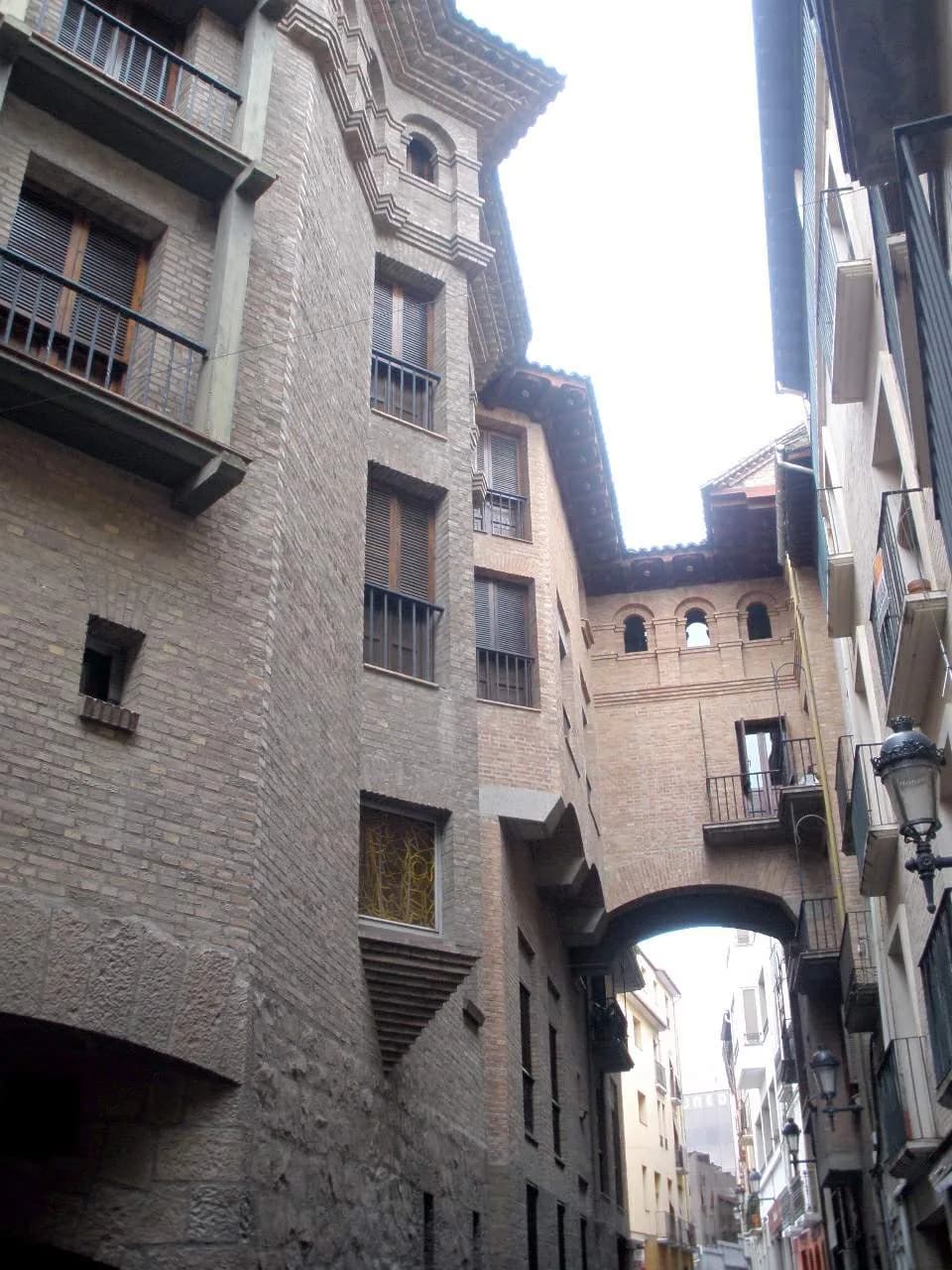
Barbastro city, Spain
გარდაცვლილი
June 26, 1975
Rome, Italy
ცნობილია როგორც
Spanish priest, writer and Catholic saint
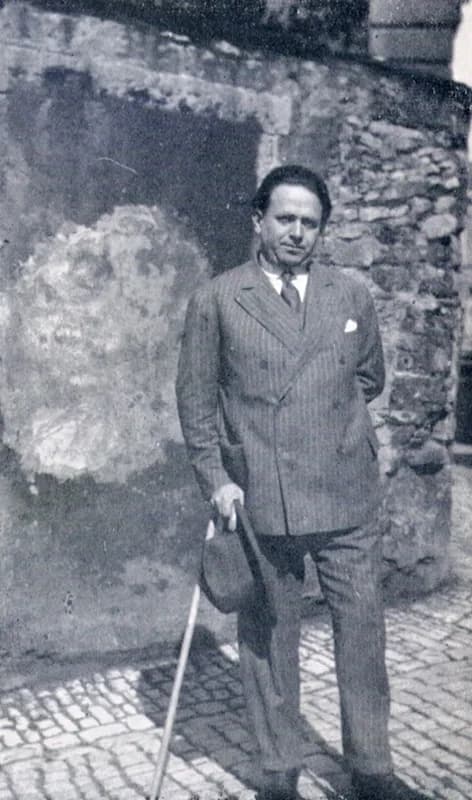
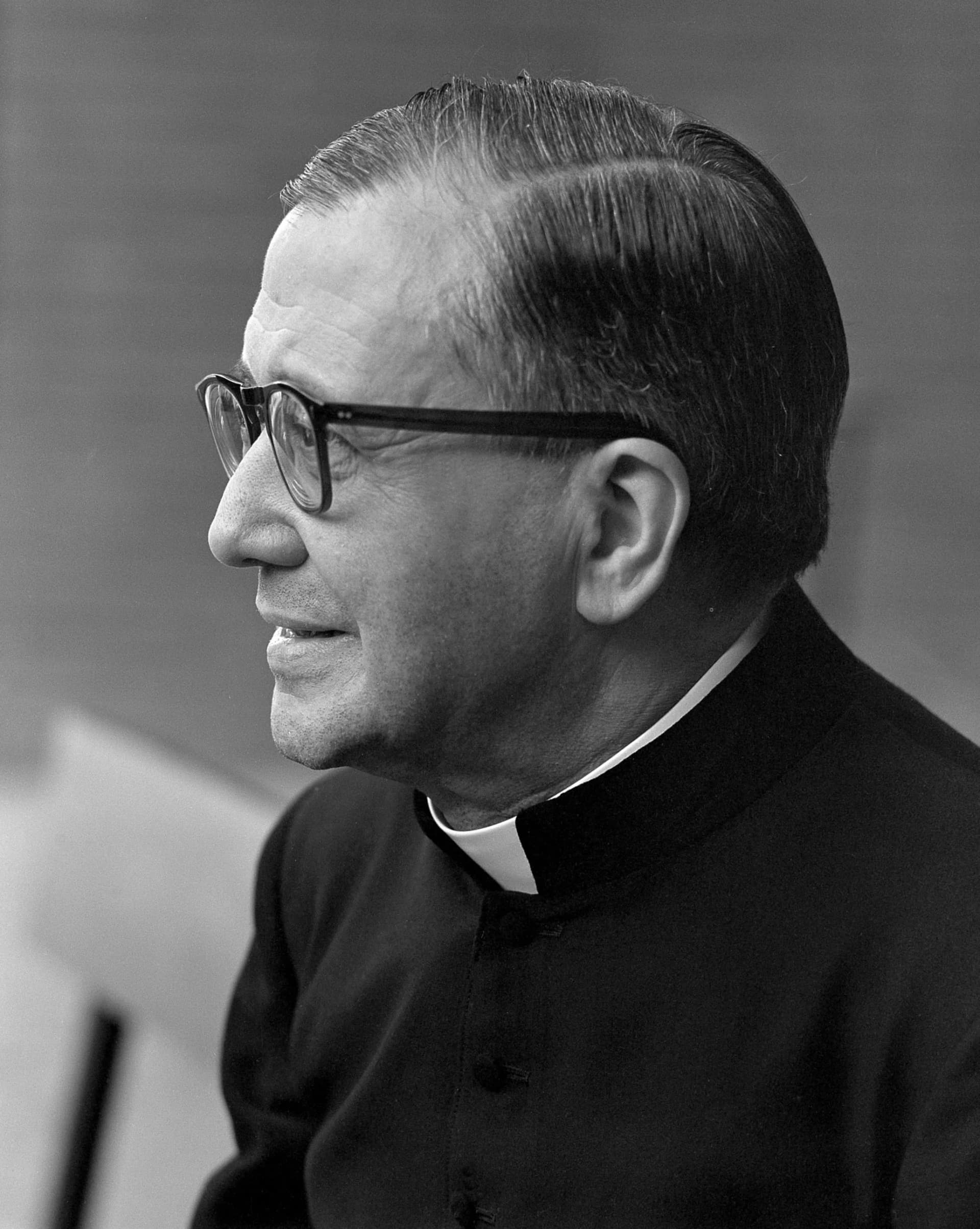
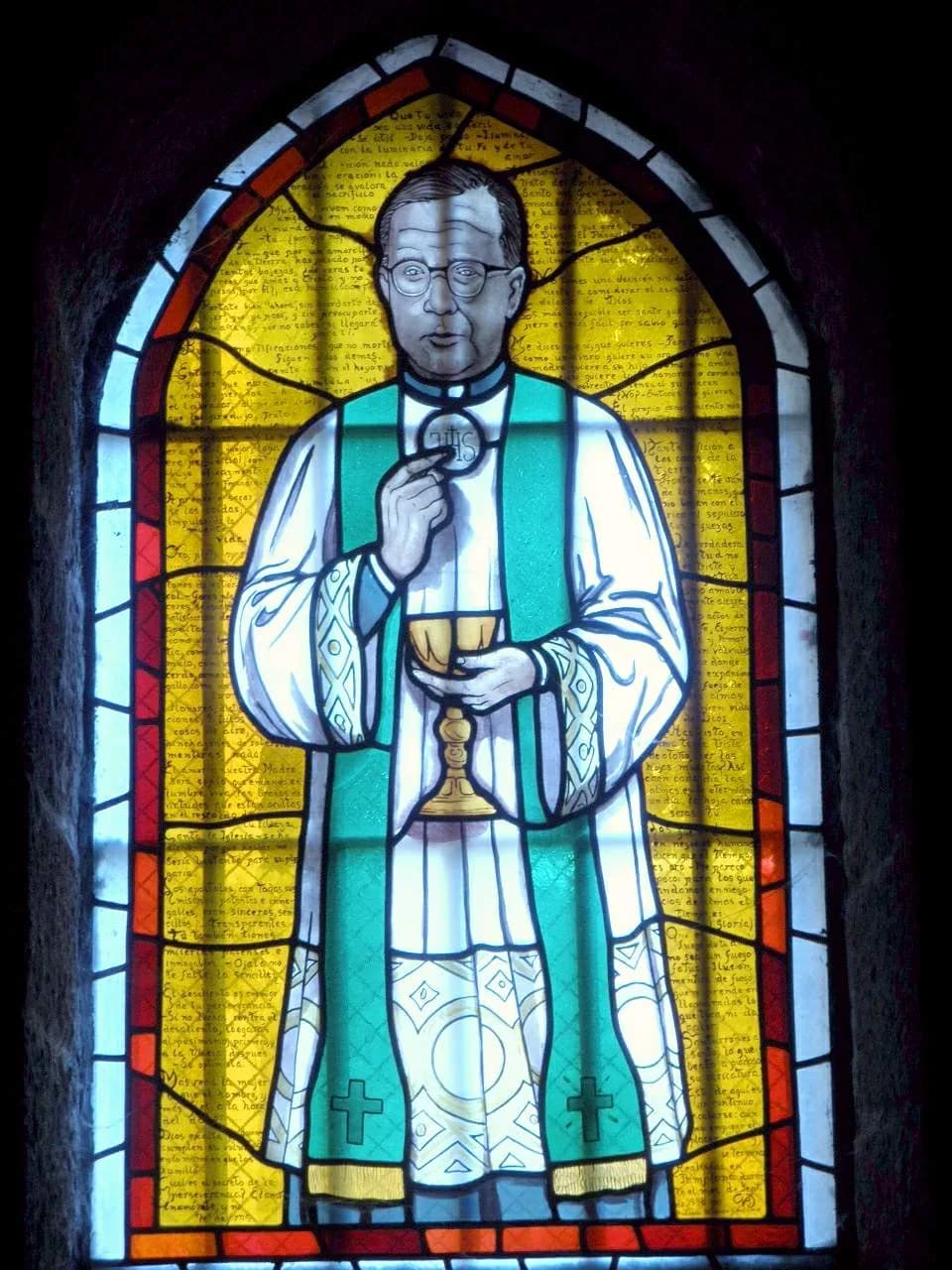
Josemaría Escrivá (1902–1975) was Spain best known for Spanish priest, writer and Catholic saint.
Josemaría Escrivá (January 9, 1902 – June 26, 1975) was a Spanish priest, writer, and Catholic saint. He founded Opus Dei, an organization dedicated to the principle of everyday holiness. Canonized in 2002, his teachings continue to inspire many.
ცხოვრება მომენტებში
მომენტები, რომლებმაც ცხოვრება განსაზღვრა
თავი
ცხოვრების თავები
თავი 1 · 1902· თავი 1 7-დან
Opening Paragraph
Josemaría Escrivá (1902–1975) was a Spanish priest, writer, and Catholic saint who founded Opus Dei. Born in Barbastro, Spain, and dying in Rome, Italy, his life was dedicated to fostering spiritual growth among laypeople and clergy alike. He championed the idea that holiness could be found within the ordinary activities of daily life.
თავი 2 · 1902· თავი 2 7-დან
Early Life and Origins
Born Josemaría Escrivá de Balaguer y Albás on January 9, 1902, in Barbastro city, Spain, his early years were marked by a devout family environment. This upbringing instilled in him a strong Catholic faith from a young age. His path soon led him towards an ecclesiastical vocation, preparing him for his future role as a Latin Catholic priest.
თავი 3 · 1928· თავი 3 7-დან
Career Beginnings
After his ordination as a Latin Catholic priest, Josemaría Escrivá embarked on his unique spiritual mission. He established Opus Dei, meaning “Work of God,” in Madrid on October 2, 1928. This organization was conceived as a path to holiness for laypeople and priests within the secular world, emphasizing the sanctification of work and family life.
თავი 4· თავი 4 7-დან
Major Achievements and Career Highlights
The establishment and growth of Opus Dei stands as Escrivá's primary achievement. He tirelessly propagated its message, which encouraged individuals to seek God and serve others through their daily duties and professional work. His spiritual guidance and writings drew numerous followers, expanding the organization's reach globally.
In recognition of his spiritual contributions, Josemaría Escrivá was canonized as a saint by Pope John Paul II in 2002. This official recognition solidified his place as a revered figure within the Catholic Church. His work laid foundational principles for Christian living in the modern world.
თავი 5· თავი 5 7-დან
Notable Works or Contributions
As a prolific writer, Josemaría Escrivá penned several influential spiritual books. These works disseminated his teachings and meditations, guiding many on their spiritual journeys. Among his notable bibliography is "PUNTOS de MEDITACIÓN Sobre la VIRGEN MARÍa de SAN JOSEMARÍa," a collection reflecting his deep devotion and insights.
His writings continue to be a source of inspiration for members of Opus Dei and Catholics worldwide. They provide practical guidance for living a devout life amidst everyday responsibilities. Through his written words, Escrivá's spiritual wisdom continues to resonate.
თავი 6 · 1975· თავი 6 7-დან
Later Years
Josemaría Escrivá continued to lead and guide Opus Dei throughout his life, tirelessly traveling and writing. He oversaw the initial expansion of the organization across various continents. He passed away peacefully on June 26, 1975, in Rome, Italy, leaving behind a vibrant and growing spiritual legacy.
თავი 7· თავი 7 7-დან
Legacy and Impact
The enduring legacy of Josemaría Escrivá is evident in the continued vitality of Opus Dei, an institution present in numerous countries. His core teaching that "everyday holiness" is attainable by all, regardless of their profession or state in life, remains highly influential. He is remembered as a Spanish Catholic saint whose vision continues to shape the spiritual lives of countless individuals within the Catholic Church.
ხშირად დასმული კითხვები
ხშირად დასმული კითხვები
როდის გარდაიცვალა Josemaría Escrivá?
Josemaría Escrivá გარდაიცვალა 26 ივნისი, 1975 Rome, Italy-ში, 73 წლის ასაკში.
სად დაიბადა Josemaría Escrivá?
Josemaría Escrivá დაიბადა Barbastro city, Spain-ში 9 იანვარი, 1902.
რითია ცნობილი Josemaría Escrivá?
Josemaría Escrivá ცნობილია Spanish priest, writer and Catholic saint-ით.
რამდენი წლის იყო Josemaría Escrivá გარდაცვალებისას?
Josemaría Escrivá გარდაცვალებისას 73 წლის იყო.
რა ეროვნების იყო Josemaría Escrivá?
Josemaría Escrivá იყო Spain-დან.
ქრონოლოგია
ცხოვრება ერთი შეხედვით
ფოტო გალერეა
ცხოვრება ფოტოებში
გადიდებისთვის დააჭირეთ ნებისმიერ პოლაროიდს · 39 ფოტო
QR კოდი
გააზიარეთ ეს ბიოგრაფია
ბეჭდვა და გაზიარება
დაასკანირეთ ამ ბიოგრაფიის გვერდის მოსანახულებლად. დაბეჭდეთ ღონისძიებებისთვის, გამოფენებისთვის ან საგანმანათლებლო მასალებისთვის.