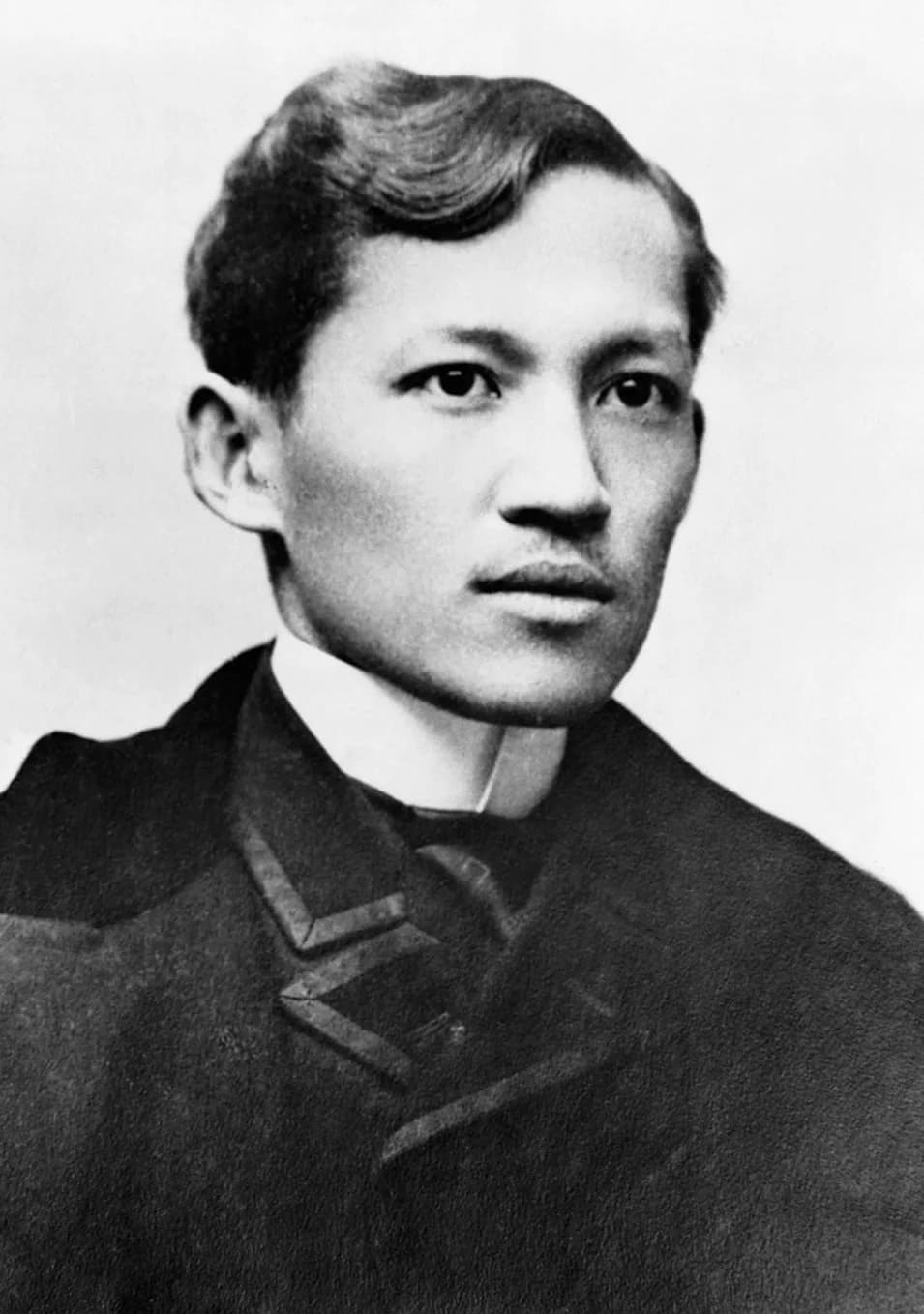
დაბადებული
June 19, 1861
Calamba, Philippines
გარდაცვლილი
December 30, 1896
Manila, Philippines
ცნობილია როგორც
Filipino nationalist, writer and polymath
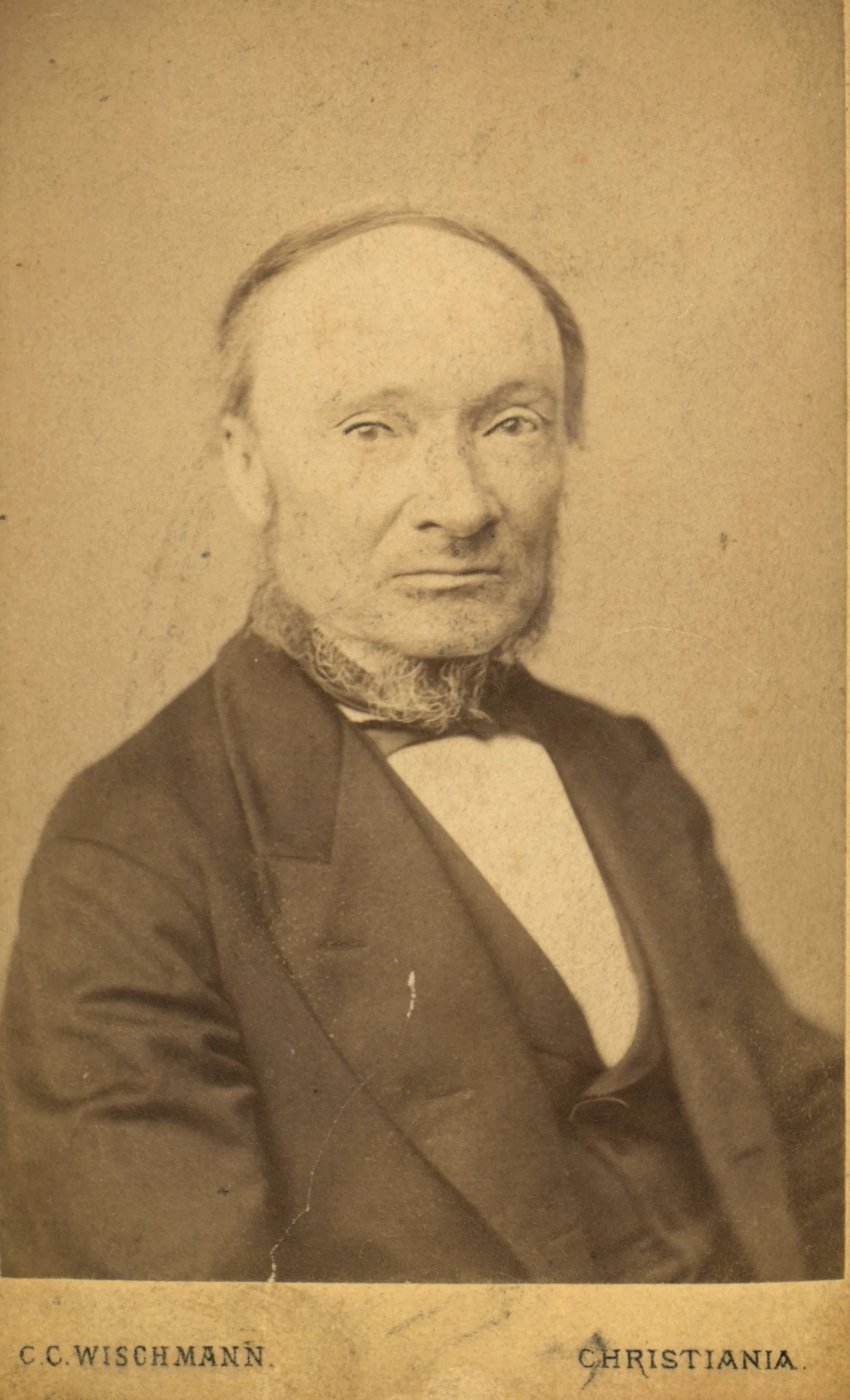
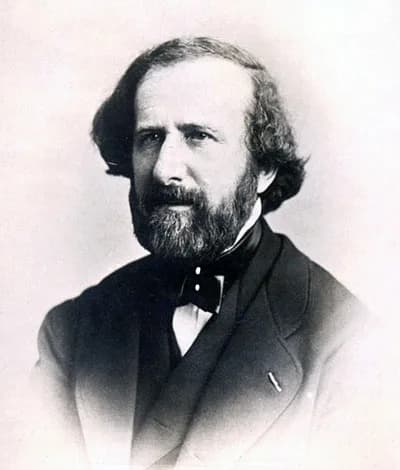
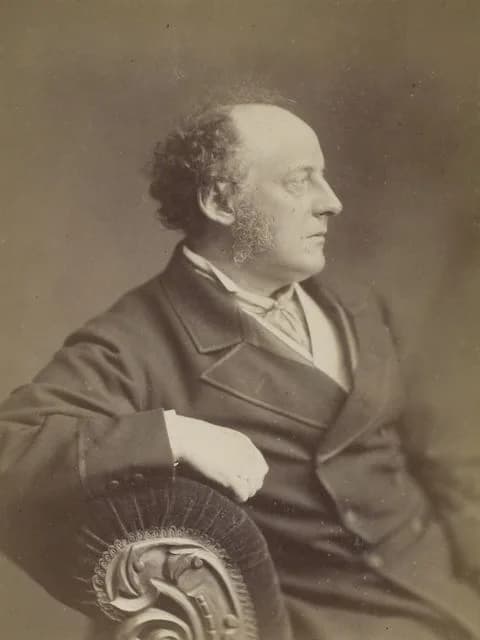
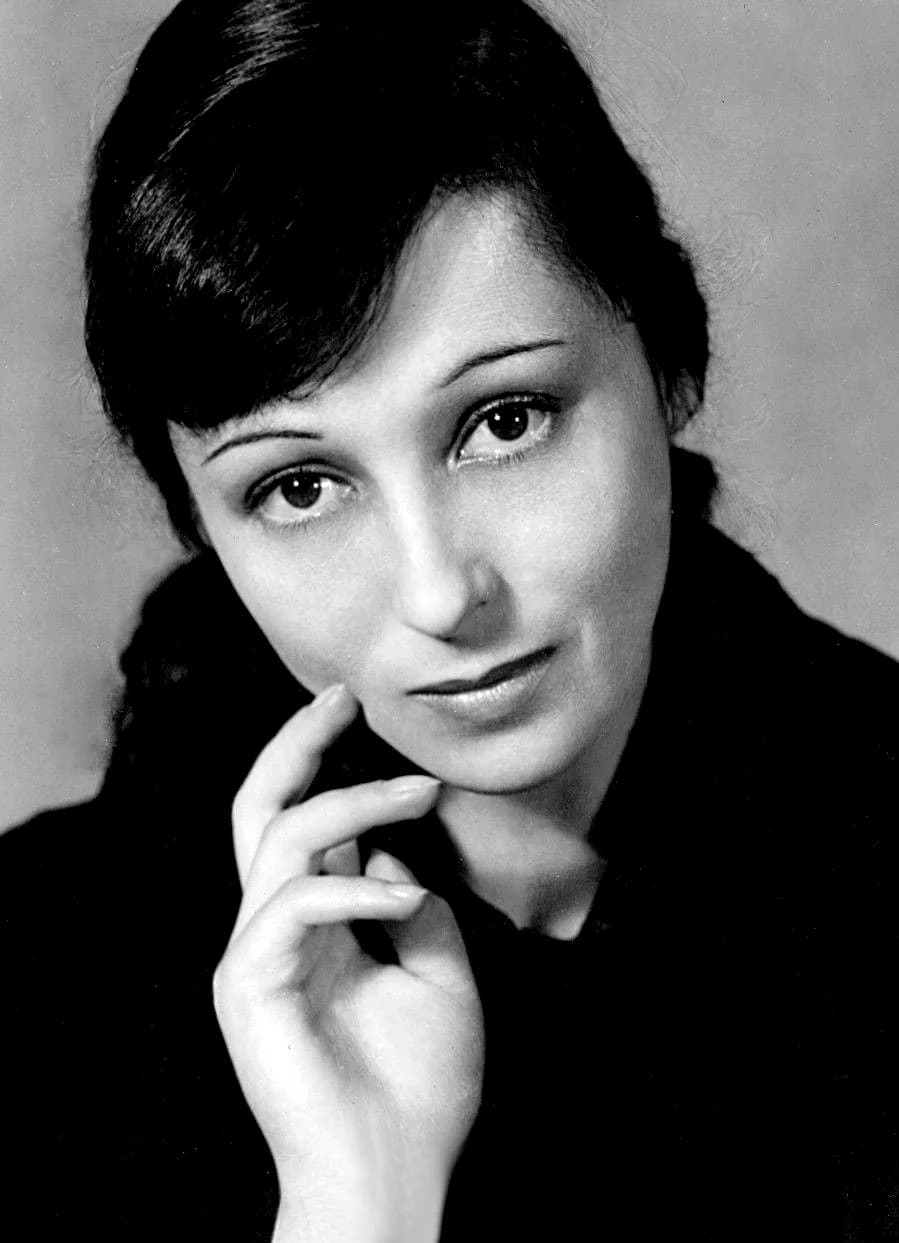
José Rizal (1861–1896) was Philippines best known for Filipino nationalist, writer and polymath.
José Rizal (June 19, 1861 – December 30, 1896) was a Filipino nationalist, writer, and polymath from Calamba, Philippines. He was a key member of the Filipino Propaganda Movement, advocating for political reforms under Spanish rule through his influential writings like Noli me tangere. His life and ultimate sacrifice made him a national hero, inspiring generations for freedom.
ცხოვრება მომენტებში
მომენტები, რომლებმაც ცხოვრება განსაზღვრა
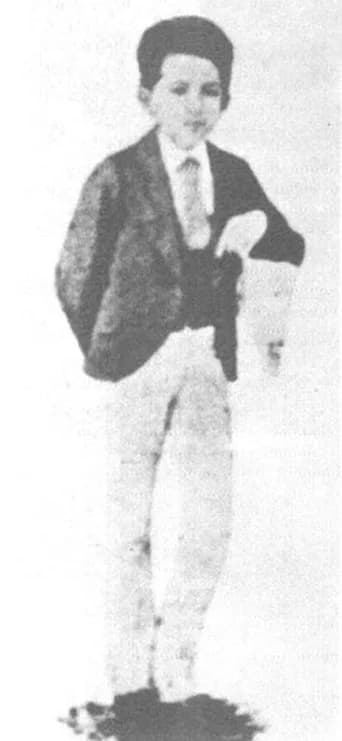
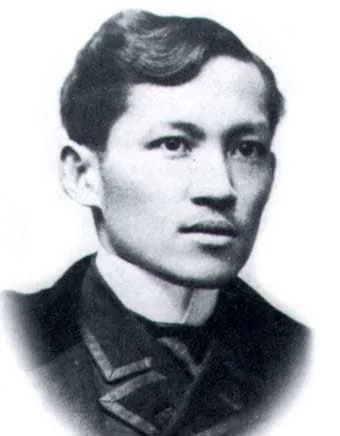
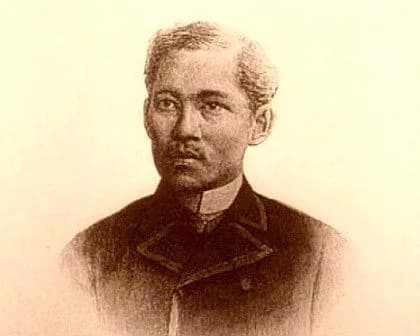
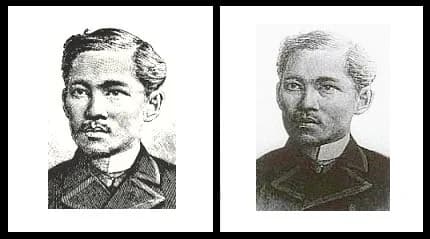
![José Rizal - "Execution of Rizal. The Philippine Joan of Arc."
From the book "The Philippine Islands" (New York : Continental Pub. Co., [1898]) Lala, RamonJose Rial Reyes, Author.](/_next/image?url=https%3A%2F%2Fcdn.whowasthisguy.com%2Fgallery_wikimedia_commons_1784295055836_5_3c04a5370d.webp&w=1920&q=75)
თავი
ცხოვრების თავები
თავი 1 · 1861· თავი 1 7-დან
Early Life and Origins
José Rizal was born on June 19, 1861, in the town of Calamba, situated in the Philippines, during a crucial period of Spanish colonial influence. He grew up in an environment that fostered intellectual curiosity and a deep appreciation for education, laying the foundation for his future endeavors. This early exposure to various forms of learning helped cultivate his remarkably keen intellect and contributed significantly to the development of his diverse talents from a very young age.
თავი 2· თავი 2 7-დან
Career Beginnings
After successfully completing his extensive professional studies, José Rizal initially pursued his chosen medical path as an ophthalmologist, providing care and applying his specialized surgical skills. However, his strong patriotic sentiments and an acute awareness of the injustices faced by his countrymen soon steered him towards a more public role as a prolific writer and political activist. He became a vital and active member of the Filipino Propaganda Movement in the 1880s, channeling his efforts towards advocating for significant political reforms within the Spanish colony. Through his powerful writings and dedicated activism, Rizal aimed to achieve peaceful yet fundamental changes and improve the societal conditions for the Filipino people.
თავი 3· თავი 3 7-დან
Major Achievements and Career Highlights
José Rizal was truly a polymath, demonstrating exceptional aptitude and expertise across a broad spectrum of disciplines, including medicine as a physician and surgeon, literature as a poet and novelist, and politics as an activist. His vast range of talents also encompassed roles as a painter, a linguist fluent in multiple languages, and a literary translator, highlighting his extraordinary intellectual capabilities. As a satirical novelist, he skillfully utilized his literary voice to critique prevalent social injustices and actively promote the necessity for societal change. His unwavering advocacy within the Filipino Propaganda Movement stands as a cornerstone of his career, where he championed political reforms and greater autonomy for the Philippines. This relentless and courageous pursuit of justice and freedom ultimately earned him a revered place in history, leading many to regard him popularly as a national hero, a powerful symbol of the Filipino struggle for self-determination.
თავი 4· თავი 4 7-დან
Personal Life
While extensive details concerning José Rizal's specific personal relationships, familial dynamics beyond his birth in Calamba, or daily interests are not explicitly provided in the available information, his life was undoubtedly shaped by an intense devotion to his homeland. His unwavering commitment to his ideals and the cause of Filipino freedom often placed him in challenging and precarious circumstances, requiring immense personal sacrifice. He meticulously channeled his intellectual passions and profound intellect into his vast body of literary and scientific work, as well as his dedicated political activism.
თავი 5· თავი 5 7-დან
Notable Works or Contributions
José Rizal's literary contributions form an essential part of his enduring legacy, particularly his two highly influential novels, Noli me tangere and Ang "Filibusterismo". These satirical yet deeply insightful works vividly depicted the societal injustices, abuses of power, and corruption inherent in the Spanish colonial rule, serving to awaken a strong sense of national consciousness among Filipinos. Beyond his fiction, he also authored significant "Rizal's political writings," which thoughtfully contributed to the broader discourse on Filipino rights, identity, and the urgent need for reform. His comprehensive bibliography further includes "The friars and the Filipinos," a powerful and direct critique of the religious orders, and "Huling pahimakas," his poignant final farewell poem penned before his execution. These, alongside his "Miscellaneous writings" and various other "Publications," underscore his prolific output and his unwavering commitment to enlightening and mobilizing his countrymen. Rizal’s works, including popular interpretations such as "Lolo José" and "The social cancer" (an alternative and widely recognized title for Noli me tangere), continue to stand as foundational cornerstones of Filipino literature and historical understanding, informing generations about their nation's past.
თავი 6 · 1896· თავი 6 7-დან
Later Years
José Rizal's later years were marked by his continued fervent political activism and the increasingly volatile tensions characterizing the end of the Spanish colonial period in the Philippines. His powerful writings and persistent calls for peaceful but fundamental reforms eventually led to his arrest and persecution by the Spanish colonial authorities, who viewed him as a dangerous revolutionary. Despite the immense personal risk, he steadfastly continued to advocate for justice and self-determination for his people until his final moments. His remarkable life culminated tragically on December 30, 1896, when he was executed in Manila, the capital of the Philippines. Rizal's untimely death, at the young age of 35, served not as an end, but as a catalyst, transforming him into a revered martyr whose sacrifice further ignited the burgeoning Philippine revolution against colonial rule. His final brave acts cemented his enduring status as a profound symbol of resistance, patriotism, and national identity.
თავი 7· თავი 7 7-დან
Legacy and Impact
José Rizal's legacy is absolutely foundational to the national identity of the Philippines, where he is universally regarded and celebrated as a national hero. His courageous and intellectual efforts as a nationalist and political activist were instrumental in fostering a collective sense of unity, purpose, and self-awareness among the Filipino people. His persistent advocacy for political reforms under Spanish rule, articulated through both his eloquent prose and his direct actions, laid crucial and enduring groundwork for the eventual independence movement and the formation of the modern Philippine nation. Through his compelling literary works, Rizal powerfully articulated the deepest aspirations and legitimate grievances of his people, thereby becoming an articulate and resonant voice for justice, freedom, and self-determination. His exemplary life as a polymath, demonstrating exceptional proficiency and dedication in diverse fields from medicine and ophthalmology to literature and linguistics, continues to inspire a broad spectrum of intellectual pursuits and civic engagement. The enduring influence of his ideals, his sacrifices, and his vision for a free Philippines continues to shape Philippine society, its cultural values, and its ongoing national narrative.
ხშირად დასმული კითხვები
ხშირად დასმული კითხვები
როდის გარდაიცვალა José Rizal?
José Rizal გარდაიცვალა 30 დეკემბერი, 1896 Manila, Philippines-ში, 35 წლის ასაკში.
სად დაიბადა José Rizal?
José Rizal დაიბადა Calamba, Philippines-ში 19 ივნისი, 1861.
რითია ცნობილი José Rizal?
José Rizal ცნობილია Filipino nationalist, writer and polymath-ით.
რამდენი წლის იყო José Rizal გარდაცვალებისას?
José Rizal გარდაცვალებისას 35 წლის იყო.
რა ეროვნების იყო José Rizal?
José Rizal იყო Philippines-დან.
ქრონოლოგია
ცხოვრება ერთი შეხედვით
ფოტო გალერეა
ცხოვრება ფოტოებში
გადიდებისთვის დააჭირეთ ნებისმიერ პოლაროიდს · 22 ფოტო
QR კოდი
გააზიარეთ ეს ბიოგრაფია
ბეჭდვა და გაზიარება
დაასკანირეთ ამ ბიოგრაფიის გვერდის მოსანახულებლად. დაბეჭდეთ ღონისძიებებისთვის, გამოფენებისთვის ან საგანმანათლებლო მასალებისთვის.