დაბადებული
May 24, 1870
Riebeek West, South Africa
გარდაცვლილი
September 11, 1950
Irene, South Africa
ცნობილია როგორც
South African statesman and military leader
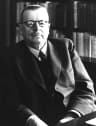
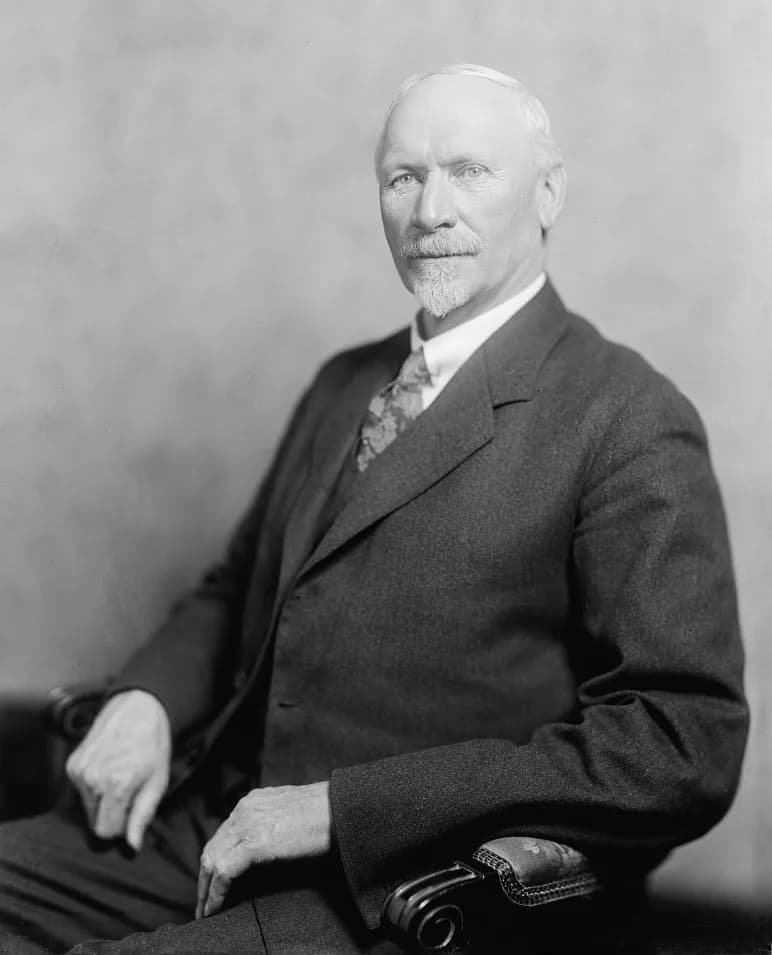
Jan Christiaan Smuts (1870–1950) was South Africa best known for South African statesman and military leader.
Jan Christiaan Smuts (May 24, 1870 – September 11, 1950) was a South African statesman and military leader. He served as Prime Minister of the Union of South Africa across two terms, from 1919 to 1924 and again from 1939 to 1948. Smuts also distinguished himself as an author, botanist, and philosopher, leaving a substantial intellectual and political legacy.
თავი
ცხოვრების თავები
თავი 1 · 1870· თავი 1 7-დან
Early Life and Origins
Jan Christiaan Smuts was born on May 24, 1870, in Riebeek West, South Africa. His early life unfolded against the backdrop of a developing nation, shaping his perspective and future leadership. Smuts demonstrated an early intellectual curiosity that would define his diverse career paths.
თავი 2· თავი 2 7-დან
A Budding Intellect and Early Career
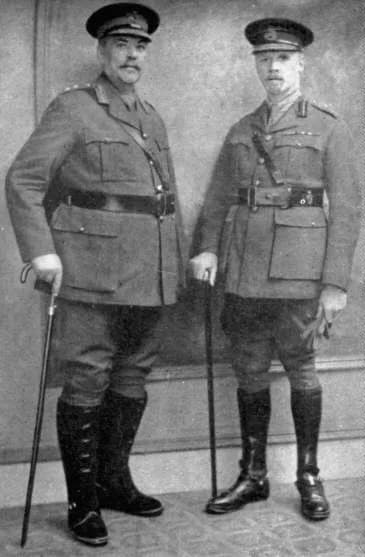
Educated as a lawyer, Smuts quickly moved into public service and military affairs. He became a prominent figure in South African politics, laying the groundwork for his eventual rise to national leadership. His skills as a military officer were also recognized early on, showcasing his strategic capabilities.
Before his prime ministership, Smuts served in various capacities within government and the military. These early experiences provided him with a deep understanding of governance, law, and defense, preparing him for the complex challenges he would later face. His initial work demonstrated a commitment to public life and the future of South Africa.
თავი 3 · 1919· თავი 3 7-დან
A Statesman's Ascent: Prime Ministership
Smuts first assumed the role of Prime Minister of the Union of South Africa from 1919 to 1924. During this period, he navigated the country through the post-World War I era, addressing both domestic issues and international relations. His leadership was crucial in shaping the young Union's identity on the world stage.
His second term as Prime Minister spanned from 1939 to 1948, a critical period encompassing the entirety of World War II. Smuts played a vital role in the Allied war effort, leveraging his military and political expertise. He became an internationally respected figure, contributing significantly to global discussions on peace and security.
თავი 4· თავი 4 7-დან
A Leader in Conflict and Peacetime
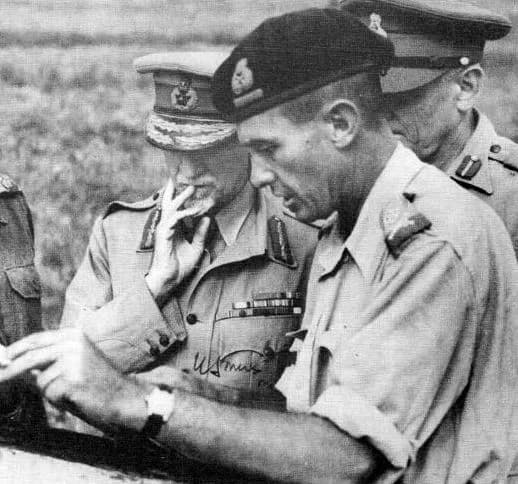
As a Field Marshal, Smuts commanded respect and authority within military circles. His strategic thinking influenced both national defense and international military cooperation during times of conflict. He balanced his military responsibilities with his duties as a head of government, demonstrating remarkable capacity.
Beyond his direct political and military roles, Smuts was deeply involved in establishing and developing international frameworks for cooperation. His vision extended to the creation of institutions that aimed to prevent future global conflicts. This commitment highlighted his enduring hope for a more peaceful world.
თავი 5· თავი 5 7-დან
Contributions to Thought and Science
Jan Christiaan Smuts was not only a politician and military officer but also an author, botanist, and philosopher. His intellectual pursuits were diverse, reflecting a mind that sought to understand the world through multiple lenses. His work in philosophy, particularly, gained academic attention.
Among his notable works, "Holism and evolution" stands out, reflecting his philosophical exploration of interconnectedness. Other significant writings include "The syndicalist conspiracy in South Africa" and "The future of the League," demonstrating his engagement with both domestic and international political thought. He also published "Selections from the Smuts papers" and "Walt Whitman: A Study in the Evolution of Personality."
თავი 6 · 1948· თავი 6 7-დან
Later Years and Final Contributions
After his second term as Prime Minister concluded in 1948, Smuts continued to influence public discourse. Though no longer in the highest office, his experience and wisdom remained valuable. He witnessed a changing world, one he had helped to shape through his decades of service.
Jan Christiaan Smuts passed away on September 11, 1950, in Irene, South Africa. His death marked the end of an era for a figure who had been central to South African politics and international affairs for half a century. His legacy, however, continued to inspire debate and study.
თავი 7· თავი 7 7-დან
Enduring Legacy
Smuts is remembered as a pivotal South African statesman and military leader whose influence extended far beyond his home country's borders. His contributions to the formation of international bodies and his philosophical writings ensured his place in history. He dedicated his life to public service, guiding his nation through complex periods.
His intellectual breadth, encompassing politics, military strategy, botany, and philosophy, illustrates a unique figure in the 20th century. The impact of Jan Christiaan Smuts's ideas and leadership continues to be studied and recognized globally. His life serves as a testament to the power of broad expertise in public life.
ცხოვრება მომენტებში
მომენტები, რომლებმაც ცხოვრება განსაზღვრა
ხშირად დასმული კითხვები
ხშირად დასმული კითხვები
როდის გარდაიცვალა Jan Christiaan Smuts?
Jan Christiaan Smuts გარდაიცვალა 11 სექტემბერი, 1950 Irene, South Africa-ში, 80 წლის ასაკში.
სად დაიბადა Jan Christiaan Smuts?
Jan Christiaan Smuts დაიბადა Riebeek West, South Africa-ში 24 მაისი, 1870.
რითია ცნობილი Jan Christiaan Smuts?
Jan Christiaan Smuts ცნობილია South African statesman and military leader-ით.
რამდენი წლის იყო Jan Christiaan Smuts გარდაცვალებისას?
Jan Christiaan Smuts გარდაცვალებისას 80 წლის იყო.
რა ეროვნების იყო Jan Christiaan Smuts?
Jan Christiaan Smuts იყო South Africa-დან.
ქრონოლოგია
ცხოვრება ერთი შეხედვით
ფოტო გალერეა
ცხოვრება ფოტოებში
გადიდებისთვის დააჭირეთ ნებისმიერ პოლაროიდს · 19 ფოტო
QR კოდი
გააზიარეთ ეს ბიოგრაფია
ბეჭდვა და გაზიარება
დაასკანირეთ ამ ბიოგრაფიის გვერდის მოსანახულებლად. დაბეჭდეთ ღონისძიებებისთვის, გამოფენებისთვის ან საგანმანათლებლო მასალებისთვის.