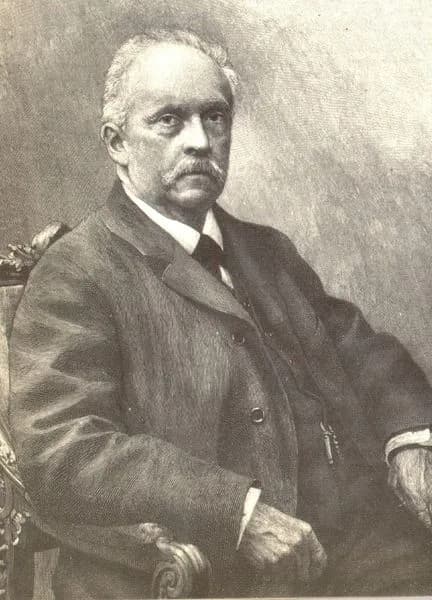
დაბადებული
August 31, 1821
Potsdam, Germany
გარდაცვლილი
September 8, 1894
Charlottenburg, Germany
ცნობილია როგორც
German physicist and physiologist
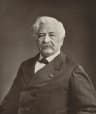
Hermann von Helmholtz (1821–1894) was Germany best known for German physicist and physiologist.
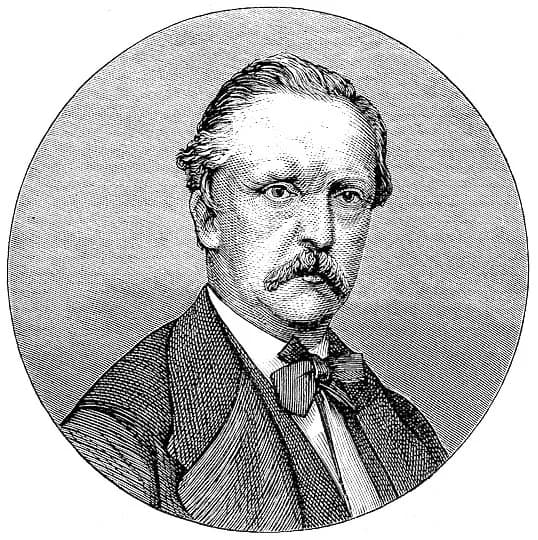
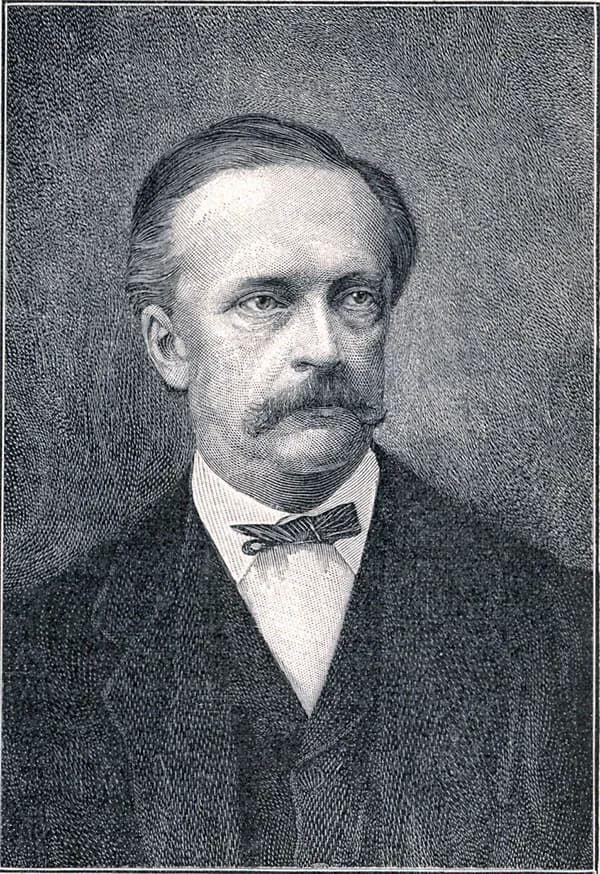
Hermann Ludwig Ferdinand von Helmholtz (August 31, 1821 – September 8, 1894) was a German physicist and physiologist from Potsdam. He made significant contributions, particularly in hydrodynamic stability, linking theory and practical research. His legacy is honored by the Helmholtz Association.
თავი
ცხოვრების თავები
თავი 1 · 1821· თავი 1 6-დან
Early Life and Origins
Hermann von Helmholtz first saw the light of day on August 31, 1821, in the historic city of Potsdam, Germany. This birthplace would serve as the initial setting for a life devoted to rigorous scientific exploration and profound intellectual achievement. His formative years undoubtedly cultivated the deep curiosity and comprehensive approach that would characterize his later contributions to science.
თავი 2· თავი 2 6-დან
Career Beginnings
Helmholtz's professional life began with a practical and essential role as a military physician. This early experience in medicine provided him with valuable insights into the workings of the human body and the principles of observation, laying a crucial foundation for his subsequent wide-ranging scientific endeavors.
From this initial post, his career rapidly expanded to encompass an astonishing array of professions, each reflecting his mastery and interest in diverse areas. He distinguished himself as a naturalist, physicist, and scientist, and also served as a respected university teacher. His intellect extended to psychology, anatomy, and philosophy, demonstrating a mind capable of comprehensive understanding.
Further showcasing his expansive expertise, Helmholtz was also recognized as a physiologist, pathologist, and ophthalmologist. He delved into biophysics, musicology, and music theory, embodying the ideal of the polymath. This extensive list of specializations underscores his unique capacity to contribute significantly to many distinct academic and scientific domains throughout his active life.
თავი 3· თავი 3 6-დან
Major Achievements and Career Highlights
Among his many significant contributions, Hermann von Helmholtz made particularly notable advancements in the field of hydrodynamic stability. His research in this area highlighted his exceptional skill in applying theoretical physics to complex natural phenomena, solidifying his reputation as a leading scientific mind of his era.
He is especially remembered for his pioneering approach to natural science, which was unique for its time in successfully linking abstract theory with practical, empirical research work. This synergy between conceptual understanding and experimental validation became a hallmark of his scientific method and influence.
In recognition of his substantial achievements and standing, Emperor William II personally bestowed upon him the honorific "von," integrating it into his surname. This esteemed designation was a clear testament to his elevated status within German society and the scientific community.
Today, his enduring legacy is powerfully commemorated through the Helmholtz Association. As the largest German association of research institutions, its very existence and naming pay tribute to the profound and lasting impact of Hermann von Helmholtz on scientific progress and institutionalized research.
თავი 4· თავი 4 6-დან
Notable Works or Contributions
Hermann von Helmholtz was a prolific author of academic publications, with his influential body of work earning him an h-index of 2 based on 12 papers. His published research reflects the depth and breadth of his scientific inquiries and his ability to articulate complex ideas.
One of his most significant literary contributions is "Théorie physiologique de la musique : fondée sur l'étude des sensations auditives." This seminal work, though seeing modern editions such as one published in 2015 with 10 citations, showcases his meticulous investigation into the physiological underpinnings of musical perception and auditory sensations, bridging physics, physiology, and music theory.
Another important publication from his collection is "Sur l’ambition de vulgariser la science (1874)," a work that explores the crucial role of disseminating scientific knowledge to a broader audience. Published in 1874, and later appearing in a 2005 edition, it provides insight into his philosophy regarding public engagement with science.
His intellectual reach also extended to foundational philosophical and mathematical questions, exemplified by works like "De l'origine et de la signification des axiomes géometriques." This particular work, which also appeared in a translated edition by Jean-Baptiste Fournier in 2017, delved into the fundamental nature and meaning of geometric axioms.
Further demonstrating his diverse interests, he also contributed "Un rapport inédit sur divers travaux d’Angelo Mosso," published in 2013. This range of academic outputs, from detailed scientific theories to philosophical inquiries and reports on contemporaries' work, highlights the comprehensive scope of his intellectual pursuits.
თავი 5 · 1894· თავი 5 6-დან
Later Years
Hermann von Helmholtz’s remarkable life concluded on September 8, 1894, in Charlottenburg, Germany. His final years were undoubtedly filled with continued influence, as his established reputation and vast body of work continued to inspire and guide scientific thought until his passing.
თავი 6· თავი 6 6-დან
Legacy and Impact
The enduring legacy of Hermann von Helmholtz lies significantly in his pioneering methodology of linking scientific theory with practical research. This approach not only yielded critical discoveries but also established a paradigm for future scientific investigation, influencing generations of researchers.
His name lives on powerfully through the Helmholtz Association, an institution that stands as the largest German association of research institutions. The existence of such a prominent scientific body named in his honor speaks volumes about the lasting respect and profound influence he commands within the international scientific community.
Through his roles as a physicist, physiologist, and an extensive list of other specialized fields, Helmholtz enriched human knowledge in countless ways. His contributions shaped disciplines from ophthalmology and acoustics to thermodynamics and electromagnetism, truly leaving an indelible mark on the scientific understanding of his age and beyond.
ცხოვრება მომენტებში
მომენტები, რომლებმაც ცხოვრება განსაზღვრა
ხშირად დასმული კითხვები
ხშირად დასმული კითხვები
როდის გარდაიცვალა Hermann von Helmholtz?
Hermann von Helmholtz გარდაიცვალა 8 სექტემბერი, 1894 Charlottenburg, Germany-ში, 73 წლის ასაკში.
სად დაიბადა Hermann von Helmholtz?
Hermann von Helmholtz დაიბადა Potsdam, Germany-ში 31 აგვისტო, 1821.
რითია ცნობილი Hermann von Helmholtz?
Hermann von Helmholtz ცნობილია German physicist and physiologist-ით.
რამდენი წლის იყო Hermann von Helmholtz გარდაცვალებისას?
Hermann von Helmholtz გარდაცვალებისას 73 წლის იყო.
რა ეროვნების იყო Hermann von Helmholtz?
Hermann von Helmholtz იყო Germany-დან.
ქრონოლოგია
ცხოვრება ერთი შეხედვით
ფოტო გალერეა
ცხოვრება ფოტოებში
გადიდებისთვის დააჭირეთ ნებისმიერ პოლაროიდს · 50 ფოტო
QR კოდი
გააზიარეთ ეს ბიოგრაფია
ბეჭდვა და გაზიარება
დაასკანირეთ ამ ბიოგრაფიის გვერდის მოსანახულებლად. დაბეჭდეთ ღონისძიებებისთვის, გამოფენებისთვის ან საგანმანათლებლო მასალებისთვის.