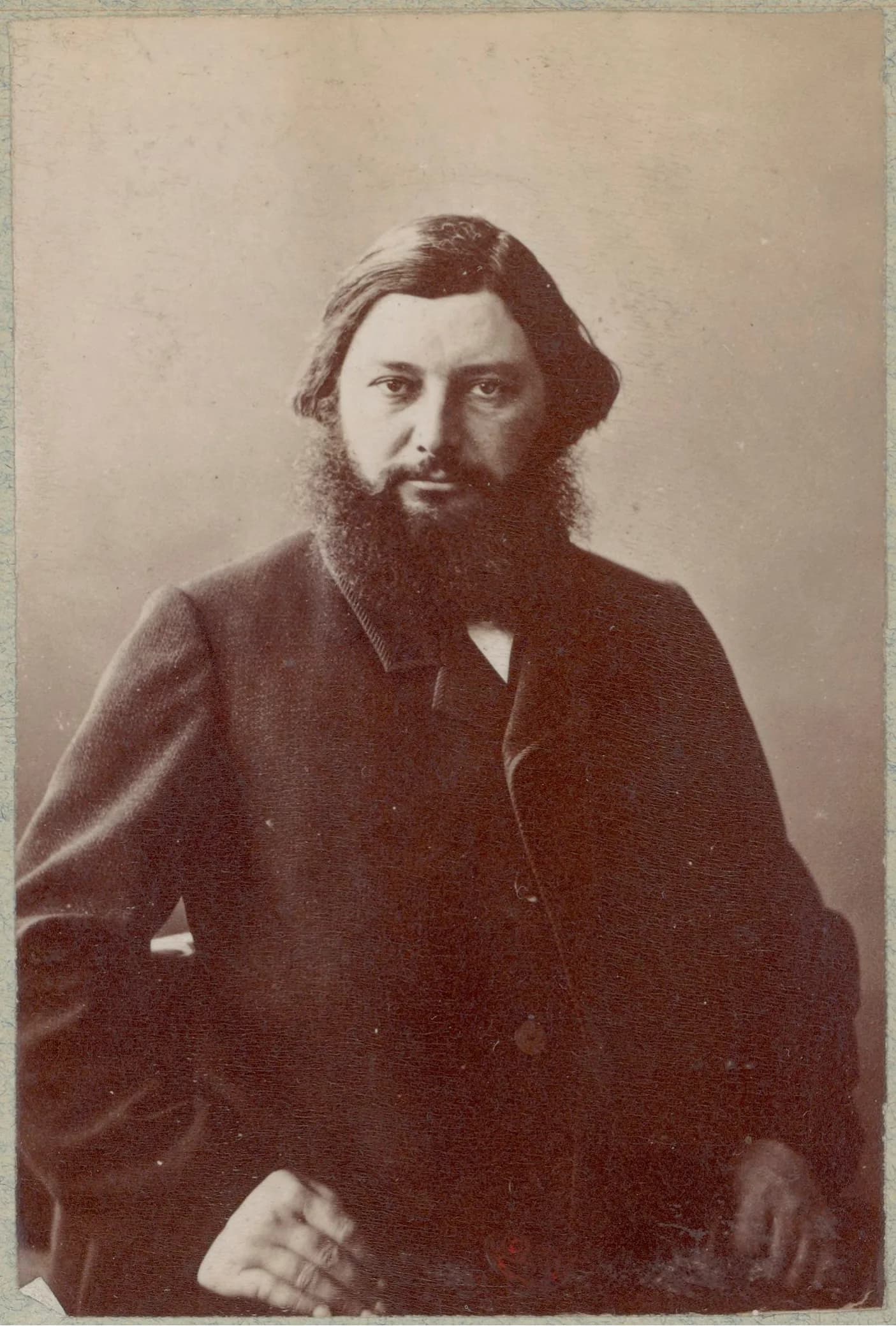
დაბადებული
June 10, 1819
Ornans, France
გარდაცვლილი
December 31, 1877
La Tour-de-Peilz, Switzerland
ცნობილია როგორც
French painter
Gustave Courbet (1819–1877) was France best known for French painter.
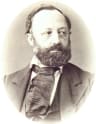
Gustave Courbet (June 10, 1819 – December 31, 1877) was a French painter from Ornans, France. He led the Realism movement, rejecting academic conventions to paint only what he could see. His independent spirit influenced later artists like the Impressionists.
თავი
ცხოვრების თავები
თავი 1 · 1819· თავი 1 6-დან
Early Life and Origins
Gustave Courbet was born on June 10, 1819, in Ornans, France, a picturesque town that would frequently appear in his artwork. His upbringing in this provincial setting provided him with a direct connection to the everyday life and landscapes that would define his artistic focus. Courbet’s early experiences likely instilled in him a grounded perspective, which later manifested as his dedication to realism. This rootedness contrasted sharply with the more idealized subjects popular in academic circles.
თავი 2· თავი 2 6-დან
Career Beginnings
Courbet's artistic journey began with a clear rejection of the prevailing artistic norms. He committed himself to painting only what he could personally observe, a philosophy that stood in direct opposition to the fantastical themes of Romanticism and the strictures of the academic tradition. This independent stance marked him as an innovator from the outset, setting him apart from his contemporaries. He quickly established himself as a visual artist and draftsperson eager to forge a new path in French painting.
თავი 3· თავი 3 6-დან
Major Achievements and Career Highlights
As the leader of the Realism movement, Courbet achieved significant milestones that redefined artistic purpose. His work was not merely observational but often served as a vehicle for bold social statements, challenging societal norms and artistic conventions. This willingness to engage with contemporary life and critique it through his art solidified his position as a crucial figure in 19th-century French painting. His example of artistic autonomy provided inspiration that resonated with future generations of artists.
თავი 4 · 1864· თავი 4 6-დან
Notable Works or Contributions
Courbet's extensive body of work includes numerous iconic pieces that exemplify his commitment to realism and his diverse artistic skills. Among these are "The Source of the Loue" (1864) and "Jo, La Belle Irlandaise" (1865–66), both housed at the Met Museum, showcasing his mastery of landscape and portraiture. His remarkable portraits, like "Madame Frederic Breyer (Fanny Hélène Van Bruyssel, 1830–1894)" (1858) and "Madame Auguste Cuoq (Mathilde Desportes, 1827–1910)" (ca. 1852–57), also reside at the Met. The museum further features "After the Hunt" (ca. 1859), highlighting his ability to depict rural life with realism.
The Art Institute of Chicago (AIC) holds a significant collection of his works, including the evocative "Mère Grégoire" (1855, reworked 1857–59) and the powerful "The Rock of Hautepierre" (c. 1869). His landscapes like "An Alpine Scene" (1874) and "The Valley of Les Puits-Noir" (1868) demonstrate his profound connection to natural environments. Other notable pieces at the AIC include "Rêverie (Portrait of Gabrielle Borreau)" (1862), "Cliffs on the Sea Coast: Small Beach, Sunrise (Falaise au bord de la mer, vu Petite Plage, soleil levant)" (1865), and "The Brook of Les Puits-Noir" (c. 1855). Courbet also explored genre scenes like "Model Reading in the Studio" (c. 1849) and portrayed figures such as "The Apostle Jean Journet" (n.d. and 1850), showcasing his range as a visual artist.
თავი 5 · 1871· თავი 5 6-დან
Later Years
Gustave Courbet's later life saw him continue his artistic pursuits, though not without challenges. His involvement as a communard, a profession listed alongside his artistic roles, suggests a period of political engagement and turmoil, likely associated with the Paris Commune of 1871. This involvement led to his eventual exile from France. He spent his final years in La Tour-de-Peilz, Switzerland, where he died on December 31, 1877, far from his native Ornans.
თავი 6· თავი 6 6-დან
Legacy and Impact
Gustave Courbet's legacy in art history is profound and enduring. He holds an exceptionally important place in 19th-century French painting as an innovator who dared to break with tradition. His unwavering commitment to realism and his use of art for social commentary inspired a generation of artists and critics. The independence he championed became a model for later avant-garde movements, influencing the visual language of artists such as the Impressionists and Cubists, who continued to push the boundaries of artistic expression.
ცხოვრება მომენტებში
მომენტები, რომლებმაც ცხოვრება განსაზღვრა
ხშირად დასმული კითხვები
ხშირად დასმული კითხვები
როდის გარდაიცვალა Gustave Courbet?
Gustave Courbet გარდაიცვალა 31 დეკემბერი, 1877 La Tour-de-Peilz, Switzerland-ში, 58 წლის ასაკში.
სად დაიბადა Gustave Courbet?
Gustave Courbet დაიბადა Ornans, France-ში 10 ივნისი, 1819.
რითია ცნობილი Gustave Courbet?
Gustave Courbet ცნობილია French painter-ით.
რამდენი წლის იყო Gustave Courbet გარდაცვალებისას?
Gustave Courbet გარდაცვალებისას 58 წლის იყო.
რა ეროვნების იყო Gustave Courbet?
Gustave Courbet იყო France-დან.
ქრონოლოგია
ცხოვრება ერთი შეხედვით
ფოტო გალერეა
ცხოვრება ფოტოებში
გადიდებისთვის დააჭირეთ ნებისმიერ პოლაროიდს · 49 ფოტო
QR კოდი
გააზიარეთ ეს ბიოგრაფია
ბეჭდვა და გაზიარება
დაასკანირეთ ამ ბიოგრაფიის გვერდის მოსანახულებლად. დაბეჭდეთ ღონისძიებებისთვის, გამოფენებისთვის ან საგანმანათლებლო მასალებისთვის.