დაბადებული
March 28, 1750
Caracas, Venezuela
გარდაცვლილი
July 14, 1816
Cádiz, Spain
ცნობილია როგორც
Venezuelan military leader
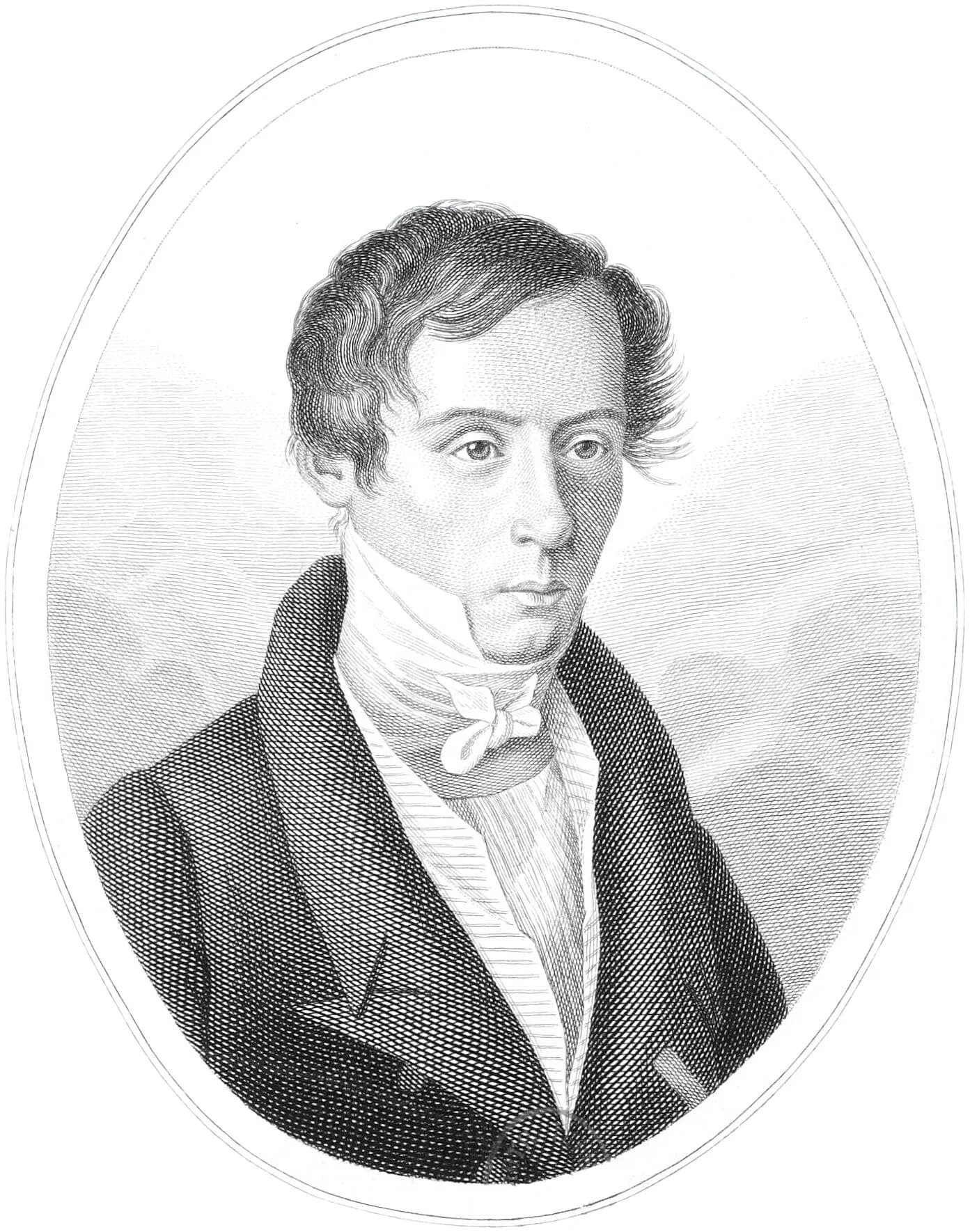
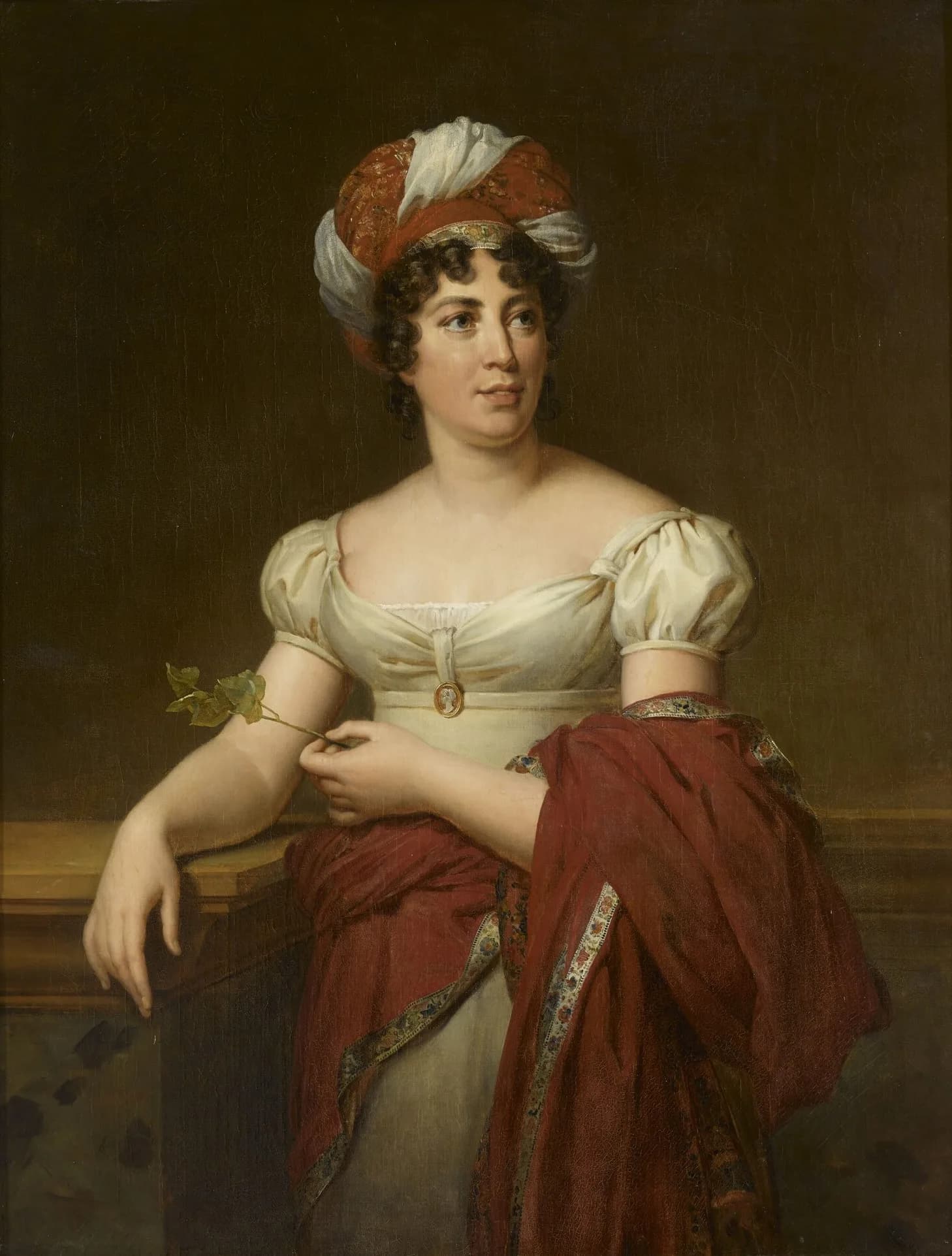
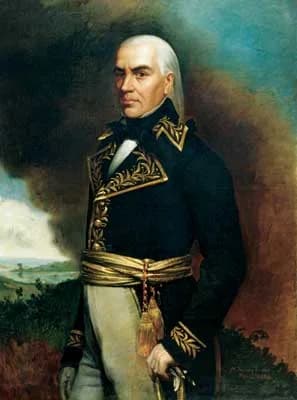
Francisco de Miranda (1750–1816) was Venezuela best known for Venezuelan military leader.
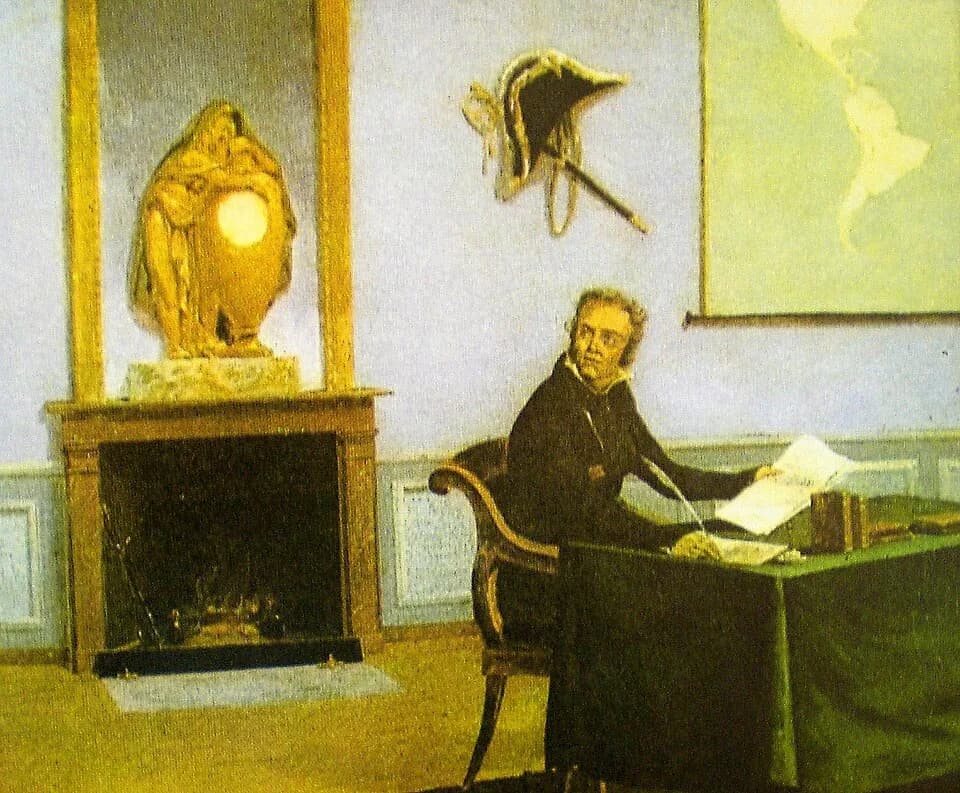
Francisco de Miranda (March 28, 1750 – July 14, 1816) was a Venezuelan military leader, writer, and politician. He fought in the American Revolutionary War, the French Revolution, and the South American wars of independence. Miranda is regarded as a precursor of South America's liberation from the Spanish Empire, leaving a lasting influence on the continent's history.
ცხოვრება მომენტებში
მომენტები, რომლებმაც ცხოვრება განსაზღვრა
თავი
ცხოვრების თავები
თავი 1 · 1750· თავი 1 7-დან
Early Life and Origins
Sebastián Francisco de Miranda y Rodríguez de Espinoza was born in Caracas, Venezuela, on March 28, 1750. His formative years in Caracas were set against a backdrop of colonial rule and burgeoning Enlightenment ideas, which likely influenced his future revolutionary path. Although specific details of his family and early education are not provided in the summary, his later intellectual pursuits suggest a thorough upbringing during the mid-18th century.
თავი 2· თავი 2 7-დან
Career Beginnings
Miranda's career as a soldier laid the foundation for his expansive contributions to global revolutionary movements. His early experiences led him to participate in the American Revolutionary War, demonstrating his commitment to the cause of liberty far from his Venezuelan homeland. This initial involvement set a precedent for his future engagements in international struggles for independence.
თავი 3· თავი 3 7-დან
Major Achievements and Career Highlights
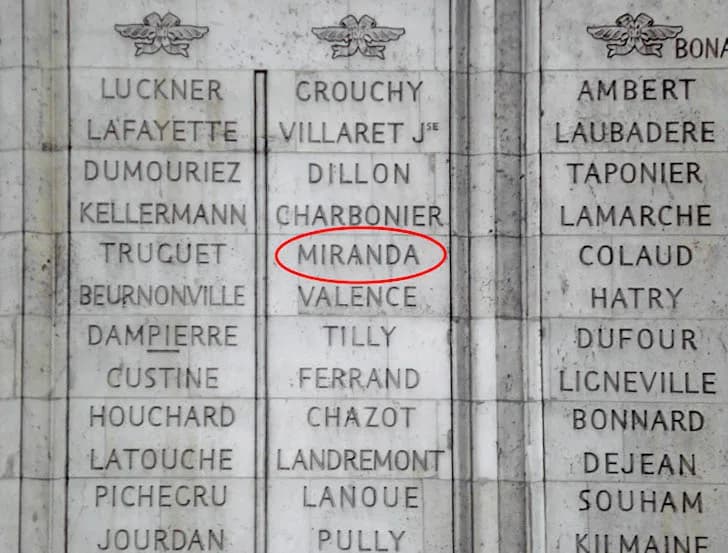
Francisco de Miranda became a military leader of international renown, actively fighting in three major revolutionary conflicts. He participated significantly in the American Revolutionary War, supporting colonial independence efforts. Later, he joined the French Revolution, contributing to the radical changes sweeping across Europe. Crucially, he also dedicated himself to the South American wars of independence, earning his reputation as a vital precursor to the continent's liberation from the Spanish Empire. His strategic thinking and leadership were instrumental in shaping the early stages of these movements.
თავი 4· თავი 4 7-დან
Personal Life
While detailed aspects of Francisco de Miranda's personal life, relationships, or specific hobbies are not extensively documented in the provided information, his life was undoubtedly shaped by continuous engagement in political and military affairs. As a writer and translator, he maintained an intellectual life that complemented his revolutionary activities. His extensive travels and involvement in international movements suggest a life deeply committed to his ideals rather than a sedentary private existence.
თავი 5 · 1783· თავი 5 7-დან
Notable Works or Contributions
As a prolific writer and intellectual, Francisco de Miranda left behind a substantial body of work that reflects his revolutionary spirit and broad interests. Among his significant publications are "Miranda a ses concitoyens" and "A general account of Miranda's expedition," which detail his perspectives and experiences. He also authored "Venezuela'lı General Miranda'nın Türkiye'ye dair hâtıratı," suggesting a keen interest in diverse cultures and regions. Other works such as "Hundrað nætur í Höfn," "Fragments from an XVIII century diary," "Peregrinaje por el pais de la libertad racional, 1783-1784," "Hoy, en casa, leyendo," and "Ho Miranta stēn Hellada" further illustrate his wide-ranging intellectual curiosity and literary output. These writings are invaluable for understanding his thoughts on liberty, governance, and his extraordinary travels.
თავი 6 · 1816· თავი 6 7-დან
Later Years
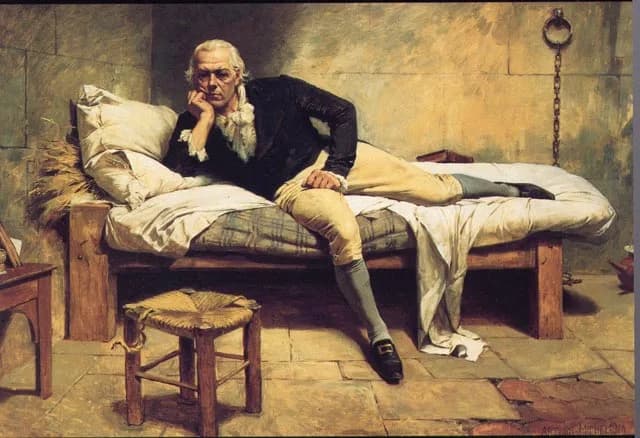
Francisco de Miranda's life concluded on July 14, 1816, in Cádiz, Spain, following years of relentless struggle for independence. His later years were marked by imprisonment, a challenging end for a man who championed freedom for so long. Despite the adversities faced in Cádiz, his influence and the ideals he propagated continued to inspire those who followed in his footsteps.
თავი 7· თავი 7 7-დან
Legacy and Impact
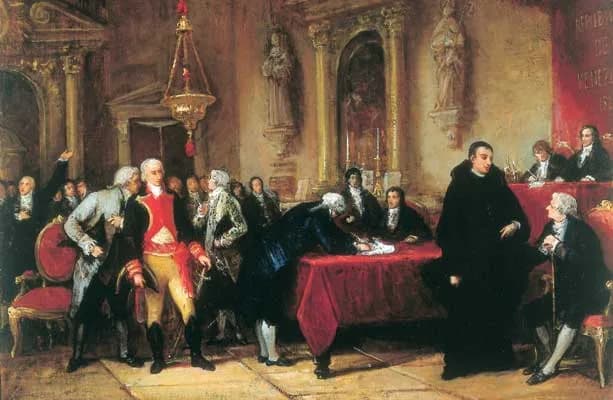
Francisco de Miranda's lasting legacy is firmly cemented as a precursor of South America's liberation from the Spanish Empire. His experiences in the American Revolutionary War and the French Revolution provided a unique perspective, allowing him to apply global revolutionary principles to the cause of South American independence. He envisioned a united and free Latin America, a dream that inspired Simón Bolívar and other liberators. His courage and intellectual contributions continue to be honored, particularly in his native Venezuela, where he remains a symbol of liberty and self-determination.
ხშირად დასმული კითხვები
ხშირად დასმული კითხვები
როდის გარდაიცვალა Francisco de Miranda?
Francisco de Miranda გარდაიცვალა 14 ივლისი, 1816 Cádiz, Spain-ში, 66 წლის ასაკში.
სად დაიბადა Francisco de Miranda?
Francisco de Miranda დაიბადა Caracas, Venezuela-ში 28 მარტი, 1750.
რითია ცნობილი Francisco de Miranda?
Francisco de Miranda ცნობილია Venezuelan military leader-ით.
რამდენი წლის იყო Francisco de Miranda გარდაცვალებისას?
Francisco de Miranda გარდაცვალებისას 66 წლის იყო.
რა ეროვნების იყო Francisco de Miranda?
Francisco de Miranda იყო Venezuela-დან.
ქრონოლოგია
ცხოვრება ერთი შეხედვით
ფოტო გალერეა
ცხოვრება ფოტოებში
გადიდებისთვის დააჭირეთ ნებისმიერ პოლაროიდს · 19 ფოტო
QR კოდი
გააზიარეთ ეს ბიოგრაფია
ბეჭდვა და გაზიარება
დაასკანირეთ ამ ბიოგრაფიის გვერდის მოსანახულებლად. დაბეჭდეთ ღონისძიებებისთვის, გამოფენებისთვის ან საგანმანათლებლო მასალებისთვის.