დაბადებული
July 8, 1885
Ludwigshafen, Germany
გარდაცვლილი
August 4, 1977
Tübingen, Germany
ცნობილია როგორც
German philosopher
Ernst Bloch (1885–1977) was Germany best known for German philosopher.
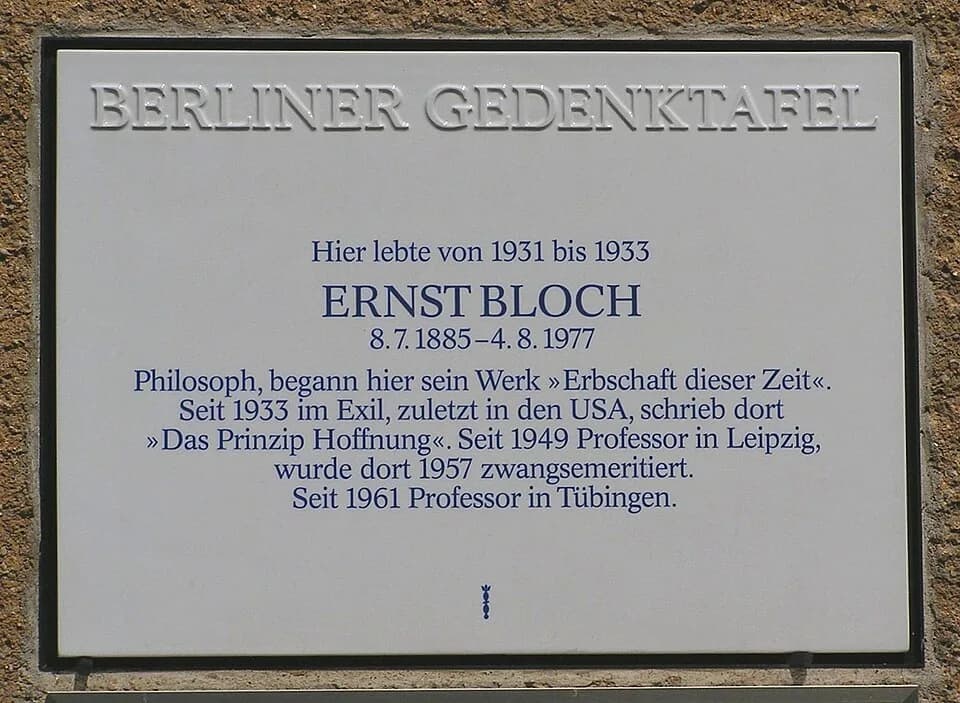
Ernst Bloch (July 8, 1885 – August 4, 1977) was a German philosopher, university teacher, and theologian from Ludwigshafen, Germany. He was known for his Marxist philosophy, deeply influenced by Hegel and Marx, focusing on an optimistic teleology of mankind's history. His work includes influential books such as "THE PRINCIPLE OF HOPE Volume One."
თავი
ცხოვრების თავები
თავი 1 · 1885· თავი 1 8-დან
Opening Paragraph
We gather to honor the life and work of Ernst Bloch, a distinguished German philosopher. Born on July 8, 1885, he dedicated his life to profound thought and intellectual exploration until his passing on August 4, 1977. Bloch was a university teacher, theologian, and philosopher whose ideas left a significant mark on twentieth-century philosophy. His contributions as a Marxist philosopher continue to resonate with scholars and thinkers today.
თავი 2 · 1885· თავი 2 8-დან
Early Life and Origins
Ernst Simon Bloch began his life in Ludwigshafen, Germany, on July 8, 1885. His formative years in Germany laid the groundwork for a deeply philosophical mind. His intellectual curiosity emerged early, shaping the path he would follow throughout his distinguished career. The cultural and political environment of Germany at the turn of the century certainly influenced his later Marxist views and philosophical approach.
თავი 3· თავი 3 8-დან
Career Beginnings
Bloch's philosophical journey was significantly shaped by the towering figures of Georg Wilhelm Friedrich Hegel and Karl Marx. He drew inspiration from their ideas, blending them with insights from apocalyptic and religious thinkers like Thomas Müntzer, Paracelsus, and Jacob Böhme. These diverse influences formed the unique tapestry of his thought. During this period, Bloch also formed crucial intellectual friendships with notable figures such as György Lukács, Bertolt Brecht, Kurt Weill, Walter Benjamin, and Theodor W. Adorno, enriching his academic and personal life.
თავი 4· თავი 4 8-დან
Major Achievements and Career Highlights
As a university teacher, theologian, and philosopher, Ernst Bloch's career was marked by his consistent dedication to exploring the depths of human existence and history. His central philosophical focus revolved around an optimistic teleology of the history of mankind. This particular outlook distinguished his work among his contemporaries and followers. He developed a reputation for challenging conventional thought and proposing forward-thinking ideas throughout his tenure.
თავი 5· თავი 5 8-დან
Personal Life
While detailed information about Ernst Bloch's personal relationships beyond his intellectual circle is not extensively provided, his friendships with György Lukács, Bertolt Brecht, Kurt Weill, Walter Benjamin, and Theodor W. Adorno were clearly important. These connections suggest a life rich in intellectual discourse and shared artistic and philosophical pursuits. Bloch's collaborations and conversations with these influential individuals undoubtedly contributed to the development of his unique philosophical perspective.
თავი 6 · 2015· თავი 6 8-დან
Notable Works or Contributions
Ernst Bloch's scholarly output was considerable, evidenced by an h-index of 15 across 34 published papers. Among his most influential works is "THE PRINCIPLE OF HOPE Volume One," published in 2015, which has garnered 27 citations. Another key contribution, "Heritage of Our Times" (2020), received 24 citations, demonstrating its lasting academic relevance. His analytical prowess was also displayed in "A Philosophical View of the Detective Novel," published in 2016 with 18 citations. Bloch further explored complex philosophical themes in "Avicenna and the Aristotelian Left" (2018, 14 citations) and "Non-Simultaneity and the Obligation to Its Dialectics," which dates back to May 1932 and was published in 2021 with 1 citation.
თავი 7 · 1977· თავი 7 8-დან
Later Years
Ernst Bloch continued his intellectual pursuits and teaching throughout his life. He passed away on August 4, 1977, in Tübingen, Germany. His death marked the end of a long and impactful career dedicated to philosophical inquiry. Even in his final years, his ideas continued to inspire and challenge those around him, solidifying his place in philosophical history.
თავი 8· თავი 8 8-დან
Legacy and Impact
Ernst Bloch's legacy as a German Marxist philosopher remains significant. His unique synthesis of Hegelian and Marxist thought with apocalyptic and religious ideas offered a fresh perspective on historical progression. Bloch's emphasis on an optimistic teleology of the history of mankind provided a hopeful framework for understanding human development and future possibilities. His influence is still felt through the continued study and discussion of his many publications and his distinctive philosophical approach.
ცხოვრება მომენტებში
მომენტები, რომლებმაც ცხოვრება განსაზღვრა





ხშირად დასმული კითხვები
ხშირად დასმული კითხვები
როდის გარდაიცვალა Ernst Bloch?
Ernst Bloch გარდაიცვალა 4 აგვისტო, 1977 Tübingen, Germany-ში, 92 წლის ასაკში.
სად დაიბადა Ernst Bloch?
Ernst Bloch დაიბადა Ludwigshafen, Germany-ში 8 ივლისი, 1885.
რითია ცნობილი Ernst Bloch?
Ernst Bloch ცნობილია German philosopher-ით.
რამდენი წლის იყო Ernst Bloch გარდაცვალებისას?
Ernst Bloch გარდაცვალებისას 92 წლის იყო.
რა ეროვნების იყო Ernst Bloch?
Ernst Bloch იყო Germany-დან.
ქრონოლოგია
ცხოვრება ერთი შეხედვით
ფოტო გალერეა
ცხოვრება ფოტოებში
გადიდებისთვის დააჭირეთ ნებისმიერ პოლაროიდს · 24 ფოტო
QR კოდი
გააზიარეთ ეს ბიოგრაფია
ბეჭდვა და გაზიარება
დაასკანირეთ ამ ბიოგრაფიის გვერდის მოსანახულებლად. დაბეჭდეთ ღონისძიებებისთვის, გამოფენებისთვის ან საგანმანათლებლო მასალებისთვის.