დაბადებული
May 28, 1884
Kožlany, Czech Republic
გარდაცვლილი
September 3, 1948
Sezimovo Ústí, Czech Republic
ცნობილია როგორც
Czechoslovak politician
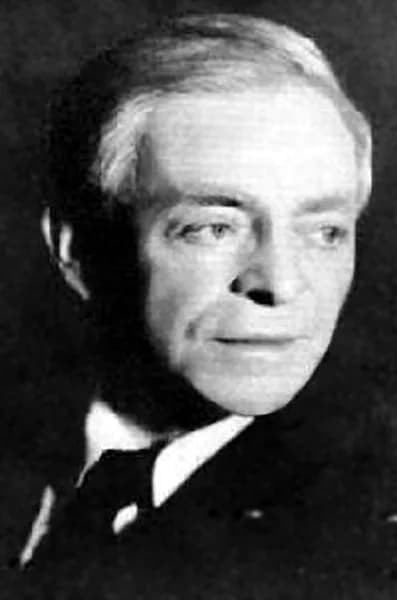
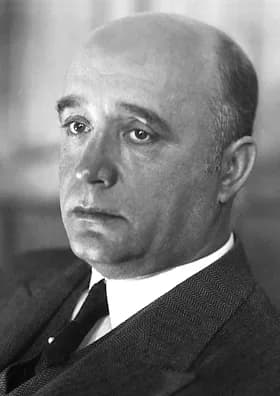
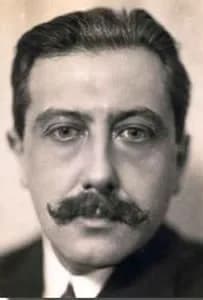
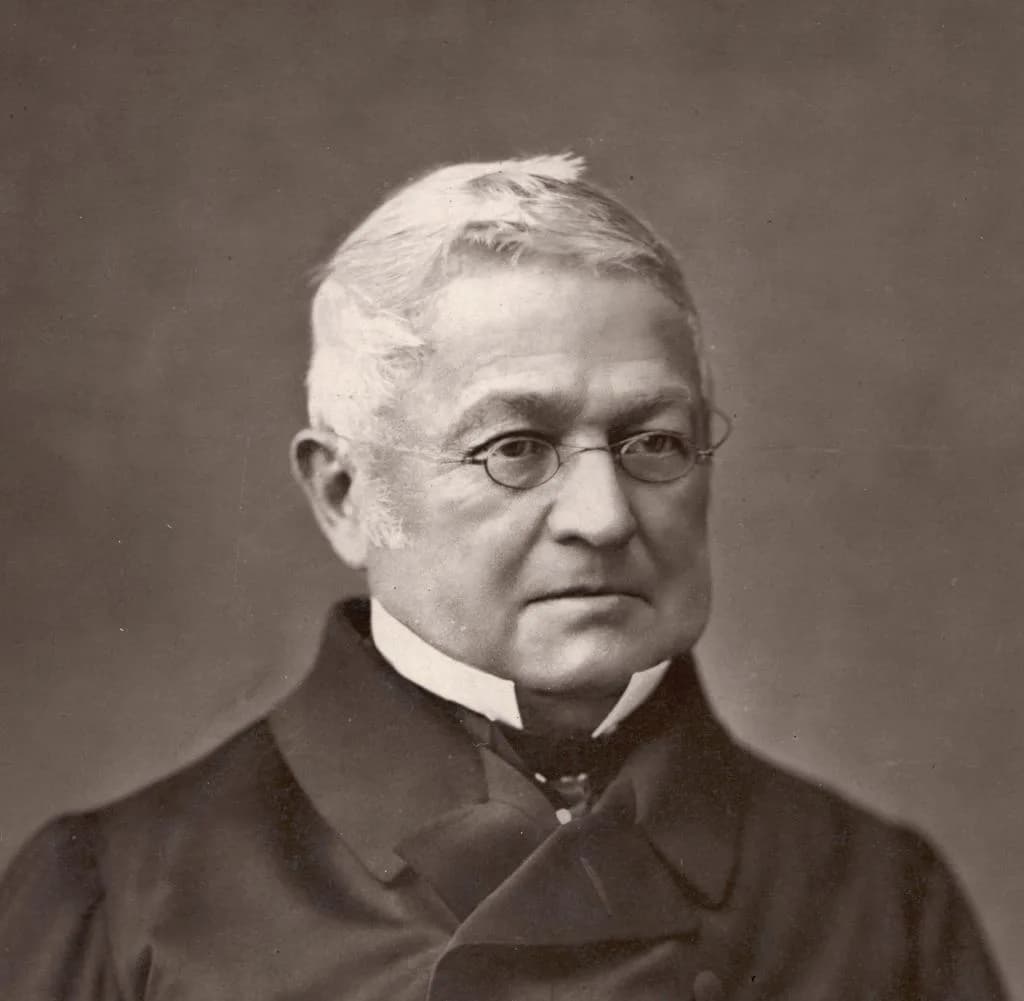
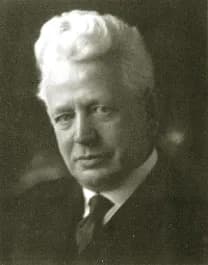
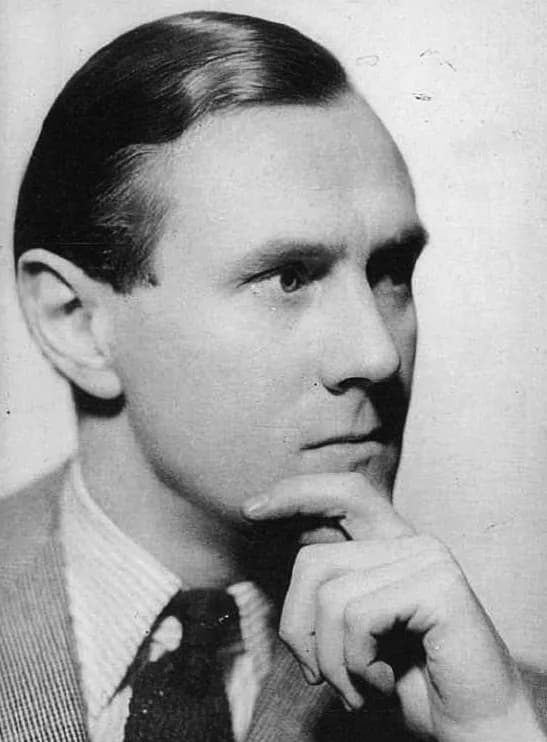
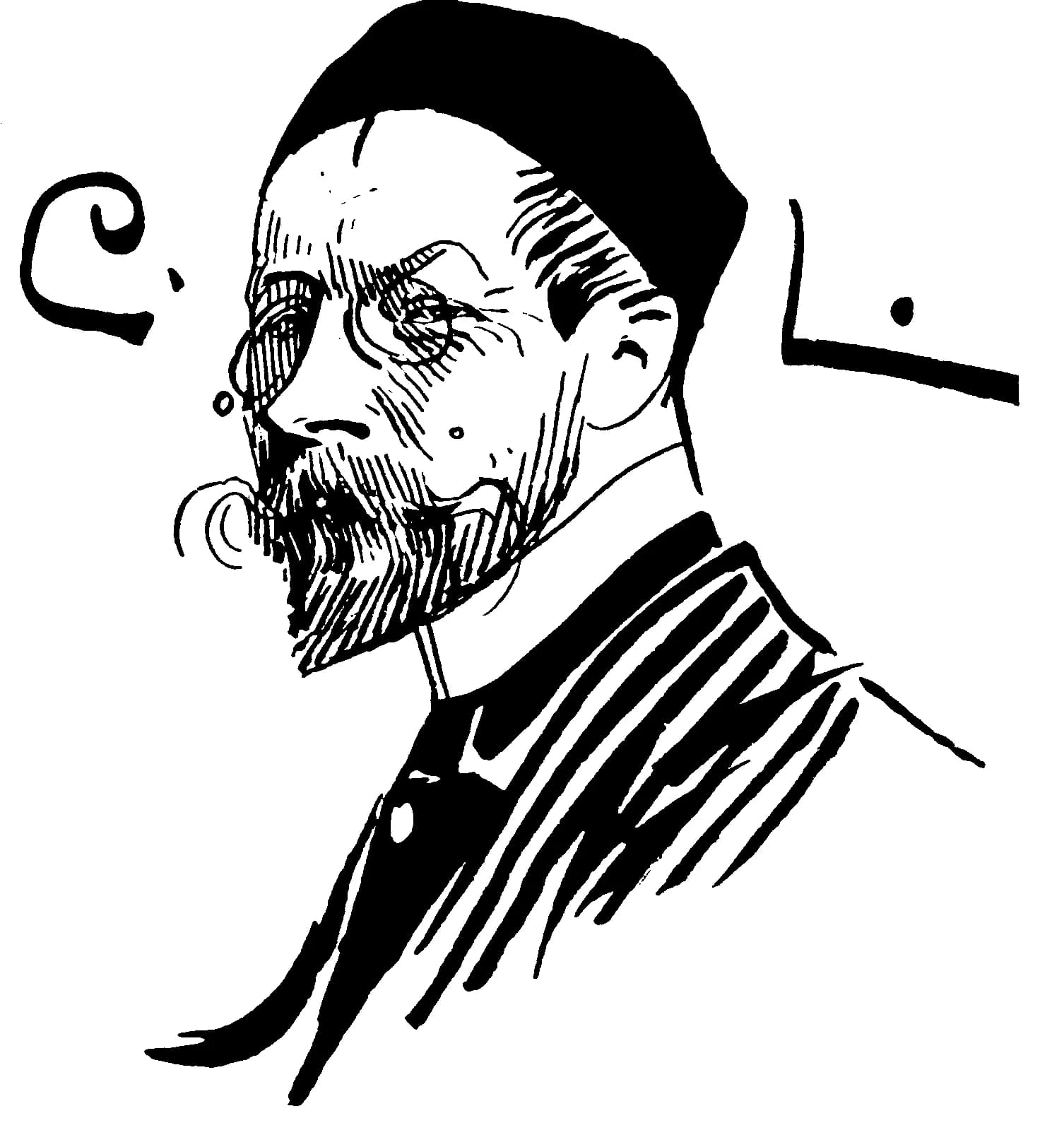
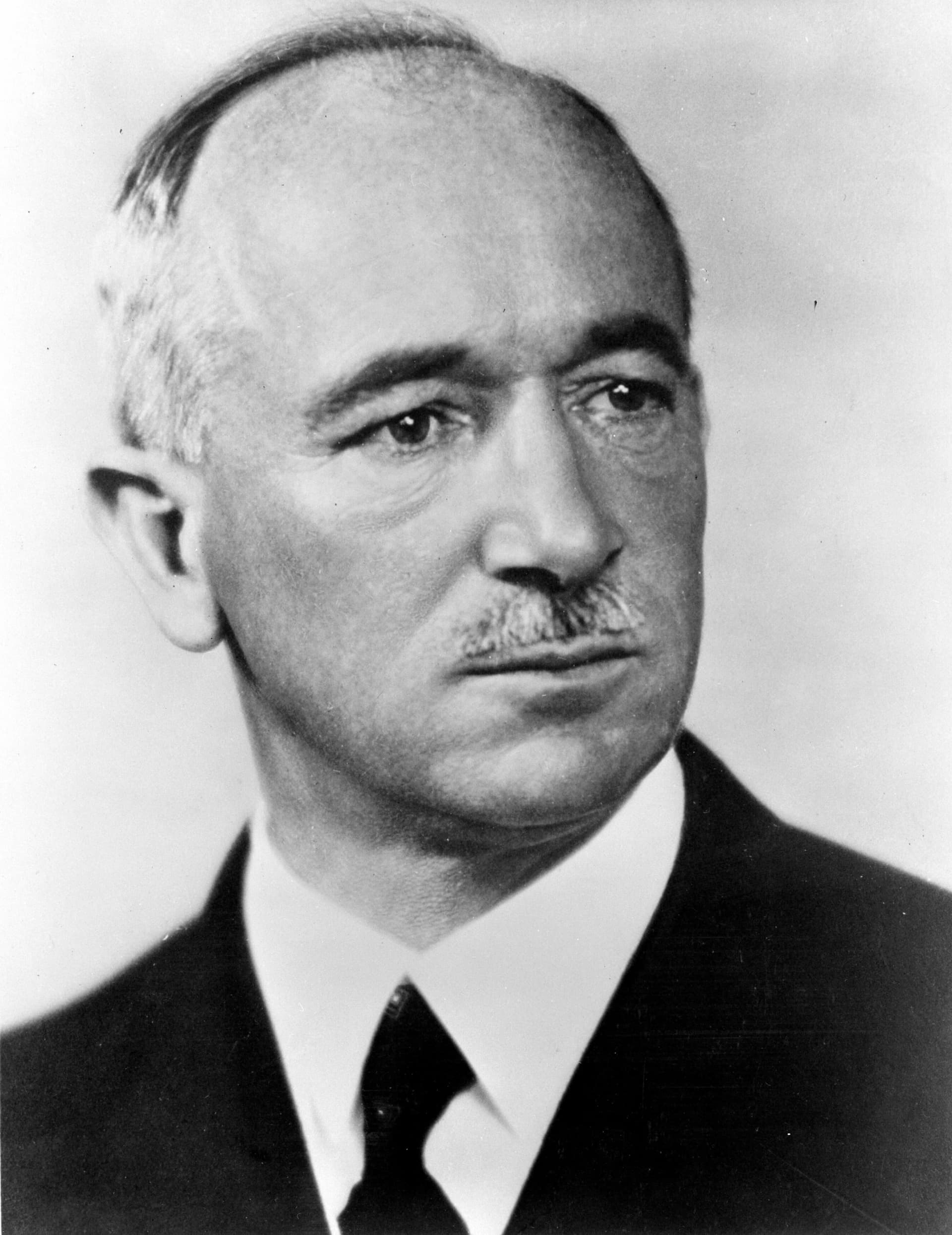
Edvard Beneš (1884–1948) was Czech Republic best known for Czechoslovak politician.
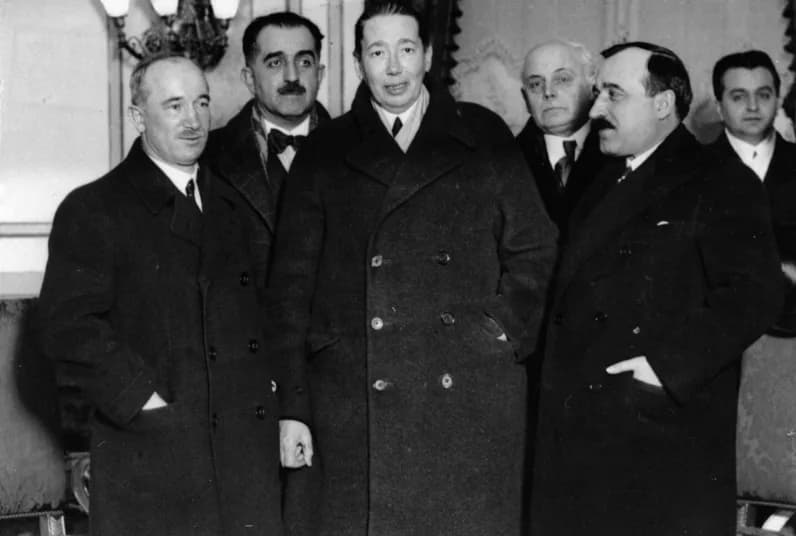
Edvard Beneš (May 28, 1884 – September 3, 1948) was a Czechoslovak politician and statesman from the Czech Republic. He served as President of Czechoslovakia, notably leading the government-in-exile during World War II. His leadership was crucial in navigating his nation through periods of immense global upheaval.
ცხოვრება მომენტებში
მომენტები, რომლებმაც ცხოვრება განსაზღვრა
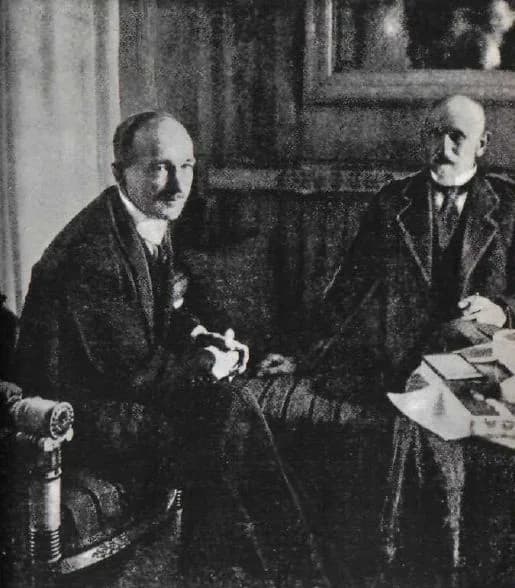
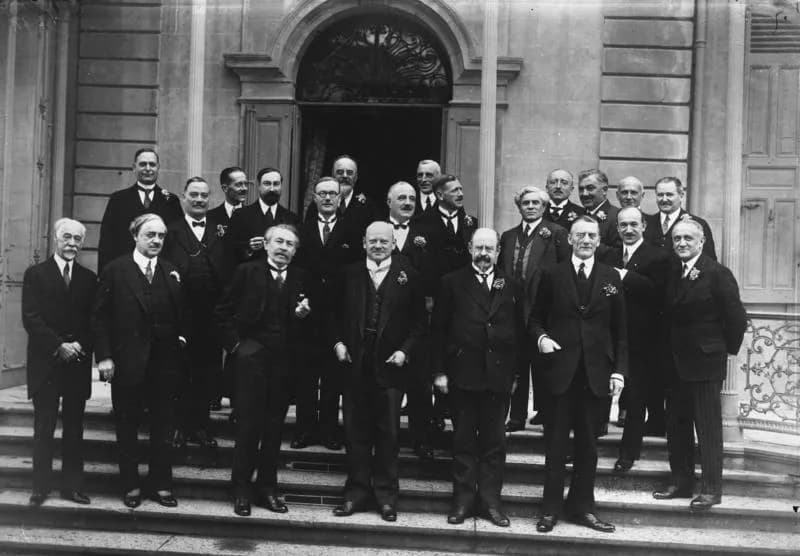
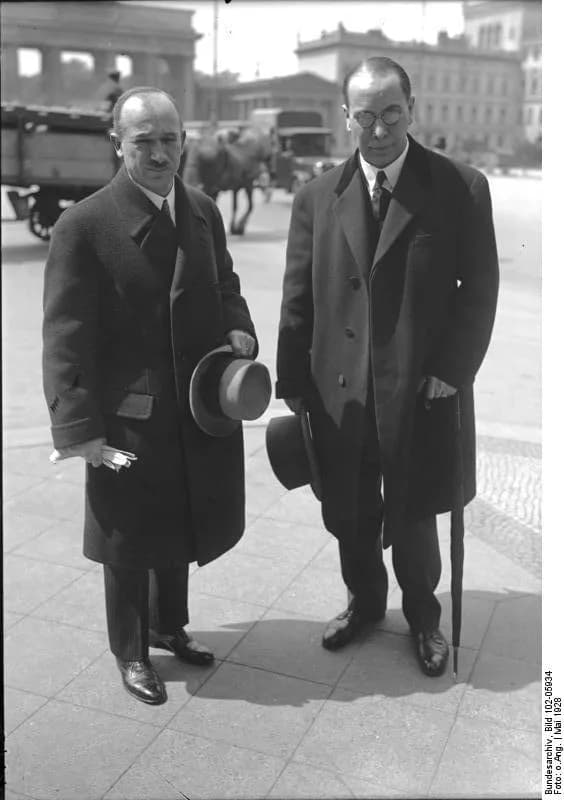
თავი
ცხოვრების თავები
თავი 1 · 1884· თავი 1 7-დან
Early Life and Origins
Edvard Beneš began his life on May 28, 1884, in Kožlany, a town now part of the Czech Republic. While specific details of his family background are not provided, his journey from this provincial birthplace to the highest office of his nation suggests an early period of significant intellectual development and ambition. His later professional versatility hints at a robust education and a formative environment that encouraged diverse interests and rigorous study.
თავი 2· თავი 2 7-დან
Career Beginnings
Beneš embarked on a multifaceted professional path early in his career, laying a strong foundation for his future leadership roles. He initially served as a teacher and subsequently as a university teacher, indicating a dedication to academia and intellectual pursuits. His early professional life also encompassed positions as a sociologist, minister, and diplomat, showcasing a broad range of expertise and a capacity for engagement in various public sectors. Interestingly, he was also an association football player, illustrating a balance between scholarly rigor and recreational engagement.
თავი 3 · 1935· თავი 3 7-დან
Major Achievements and Career Highlights
Edvard Beneš's political career was defined by his instrumental leadership during periods of intense national and international crisis. He first served as the President of Czechoslovakia from 1935 to 1938, navigating the complex geopolitical landscape leading up to World War II. During this initial presidential term, he was a crucial figure in national governance, having also previously held significant roles as a foreign minister and head of government, demonstrating his profound understanding of state affairs.
His second tenure as president, from 1939 to 1948, was particularly impactful, as he led the Czechoslovak government-in-exile throughout World War II. From abroad, Beneš tirelessly championed his nation's sovereignty, guiding resistance efforts and maintaining diplomatic relations amidst Nazi occupation. His steadfast leadership ensured the symbolic and political continuity of Czechoslovakia, playing a vital role in the country's eventual liberation and post-war reconstruction.
თავი 4· თავი 4 7-დან
Personal Life
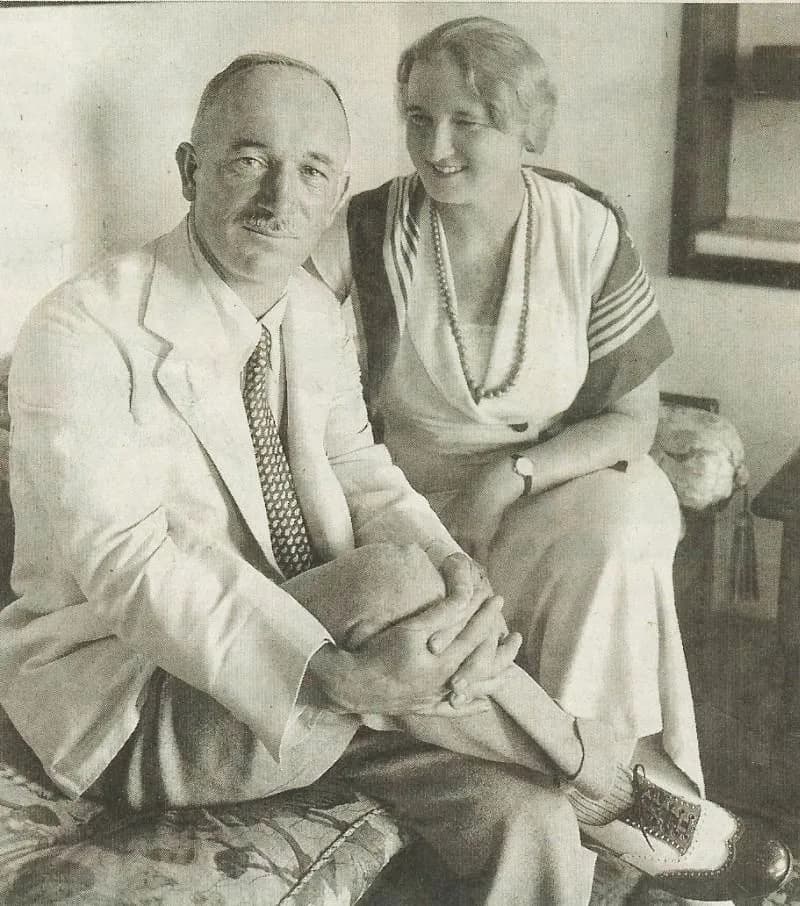
While detailed insights into Edvard Beneš's personal life are not extensively documented, his varied professions offer glimpses into his broader character. His involvement as an association football player suggests an individual with diverse interests beyond the demanding world of politics and academia. This aspect of his life reveals a potential for balancing intellectual pursuits with physical activity, contributing to a well-rounded and resilient personality capable of enduring the pressures of statesmanship.
თავი 5· თავი 5 7-დან
Notable Works or Contributions
Edvard Beneš was not only a statesman but also a prolific author and lecturer, contributing significantly to political thought and historical discourse. His bibliography includes important works such as "La République Tchéco-Slovaque" and "Náš boj o osbovození republiky," reflecting his deep engagement with national identity and liberation. He explored critical international relations in "La lutte pour la sécurité collective en Europe et la guerre italo-abyssine" and offered his perspectives on global challenges in "The world crisis."
Beneš chronicled pivotal national events in "Mnichovské dny" and articulated his personal reflections in "My fears & my hopes." His scholarship also extended to examining the historical position of his people in "La place des Tchécoslovaques parmi les Slaves." Additionally, he authored numerous academic papers, with a notable h-index of 3 from 22 publications, including collections like "Odsun Němců z Československa - výbor z Pamětí, projevů a dokumentů 1940-1947" and "Demokracie dnes a zítra," underscoring his lasting intellectual legacy.
თავი 6 · 1948· თავი 6 7-დან
Later Years
Following his successful leadership of the government-in-exile during World War II, Edvard Beneš returned to Czechoslovakia to resume his presidential duties. He guided the nation through the immediate post-war period, facing new challenges as Central Europe entered a rapidly changing political era. He continued his dedicated service as President until his death on September 3, 1948.
Beneš passed away in Sezimovo Ústí, Czech Republic, concluding a life of unwavering commitment to his country. His final years were spent grappling with the profound geopolitical shifts of the late 1940s, a testament to his enduring dedication to Czechoslovakia's future even in the face of complex international dynamics.
თავი 7· თავი 7 7-დან
Legacy and Impact
Edvard Beneš's legacy as a politician, diplomat, and intellectual remains central to the history of Czechoslovakia and the broader European narrative of the 20th century. His leadership during two world wars and the challenging interwar period indelibly shaped the course of his nation. Beneš's unwavering commitment to an independent and sovereign Czechoslovak state, particularly through his effective leadership of the government-in-exile, was crucial for its survival and eventual restoration.
His extensive body of writings and lectures continues to provide valuable insights into the geopolitical complexities of his time and the aspirations of a democratic nation striving for self-determination. Beneš is remembered as a resilient and determined leader who dedicated his life to the stability and sovereignty of Czechoslovakia, even when confronted with immense external pressures.
ხშირად დასმული კითხვები
ხშირად დასმული კითხვები
როდის გარდაიცვალა Edvard Beneš?
Edvard Beneš გარდაიცვალა 3 სექტემბერი, 1948 Sezimovo Ústí, Czech Republic-ში, 64 წლის ასაკში.
სად დაიბადა Edvard Beneš?
Edvard Beneš დაიბადა Kožlany, Czech Republic-ში 28 მაისი, 1884.
რითია ცნობილი Edvard Beneš?
Edvard Beneš ცნობილია Czechoslovak politician-ით.
რამდენი წლის იყო Edvard Beneš გარდაცვალებისას?
Edvard Beneš გარდაცვალებისას 64 წლის იყო.
რა ეროვნების იყო Edvard Beneš?
Edvard Beneš იყო Czech Republic-დან.
ქრონოლოგია
ცხოვრება ერთი შეხედვით
ფოტო გალერეა
ცხოვრება ფოტოებში
გადიდებისთვის დააჭირეთ ნებისმიერ პოლაროიდს · 23 ფოტო
QR კოდი
გააზიარეთ ეს ბიოგრაფია
ბეჭდვა და გაზიარება
დაასკანირეთ ამ ბიოგრაფიის გვერდის მოსანახულებლად. დაბეჭდეთ ღონისძიებებისთვის, გამოფენებისთვის ან საგანმანათლებლო მასალებისთვის.