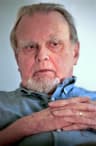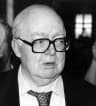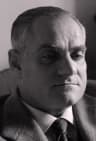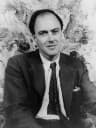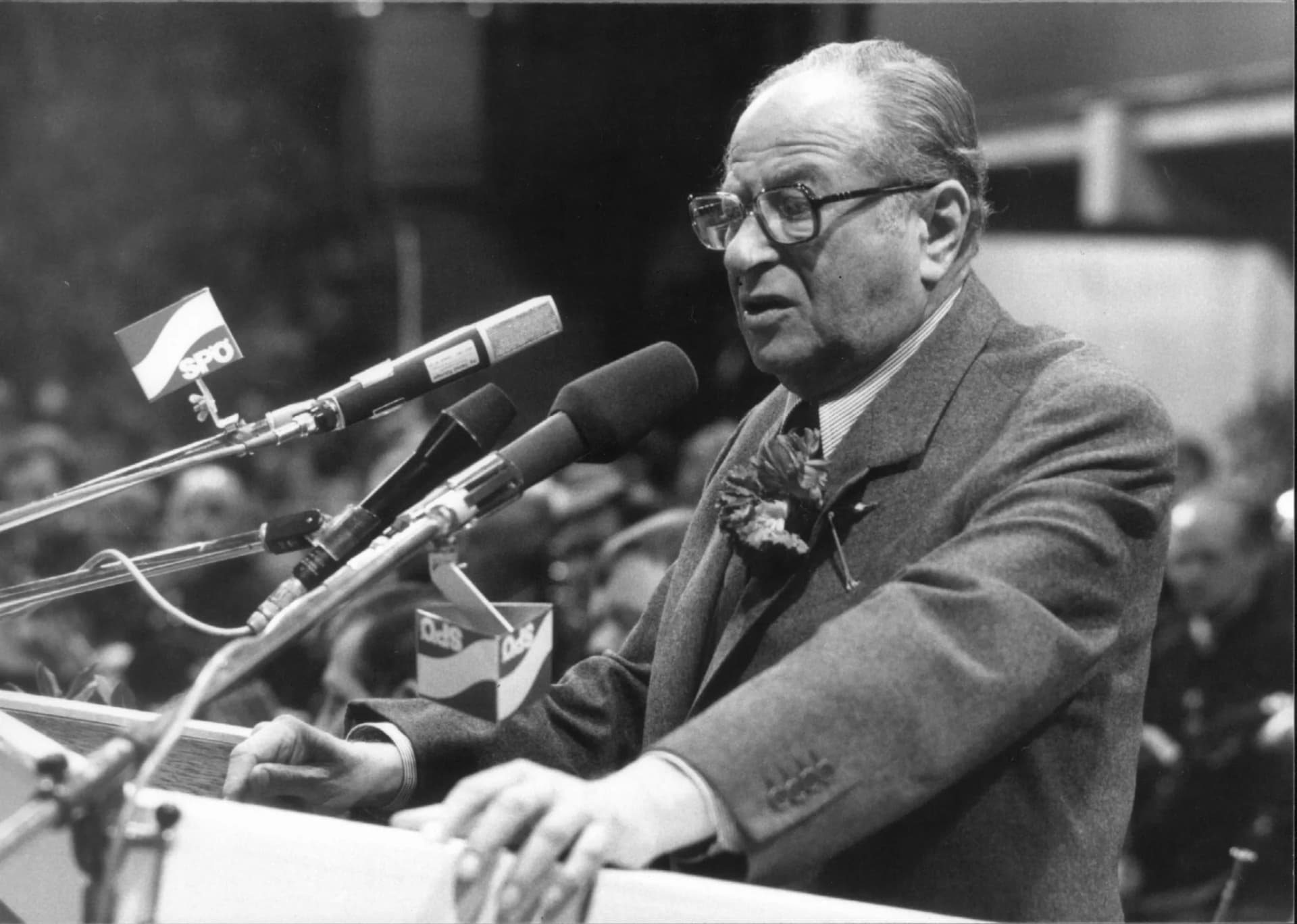
დაბადებული
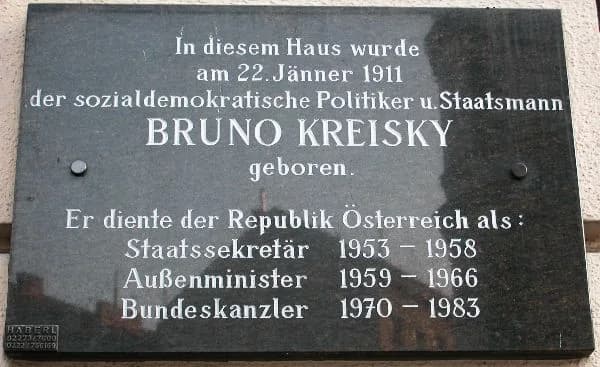
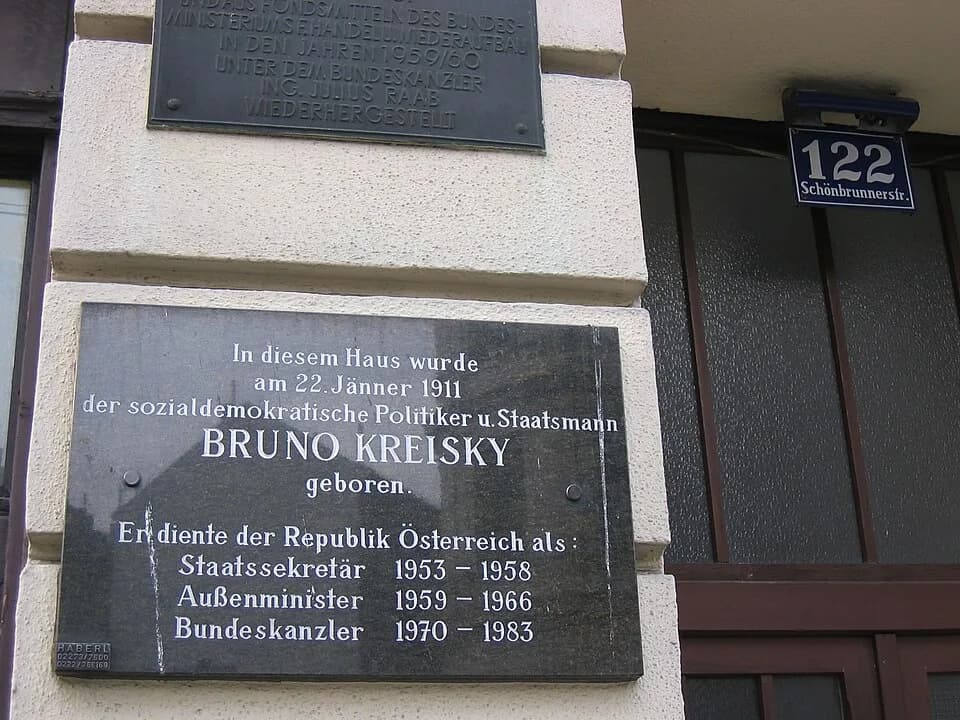
January 22, 1911
Vienna, Austria
გარდაცვლილი
July 29, 1990
Vienna, Austria
ცნობილია როგორც
Austrian diplomat and chancellor
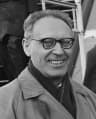
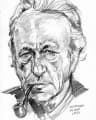
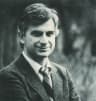
Bruno Kreisky (1911–1990) was Austria best known for Austrian diplomat and chancellor.
Bruno Kreisky (January 22, 1911 – July 29, 1990) was an Austrian diplomat and chancellor. He notably served as Austria's foreign minister from 1959 to 1966 and as chancellor from 1970 to 1983, becoming the oldest chancellor after World War II at 72. His legacy includes significant contributions to Austrian social democracy.
თავი
ცხოვრების თავები
თავი 1 · 1911· თავი 1 8-დან
Opening Paragraph
Bruno Kreisky (January 22, 1911 – July 29, 1990) was an Austrian lawyer, politician, war correspondent, and diplomat, renowned for his significant contributions to his nation's political landscape. He served prominently as Austria's foreign minister and later as its long-serving chancellor. Kreisky's distinguished career, spanning several decades, deeply shaped Austria's post-World War II identity and its role on the international stage. His unwavering commitment to social democratic principles guided his political actions throughout his life.
თავი 2 · 1911· თავი 2 8-დან
Early Life and Background
Born on January 22, 1911, in Vienna, Austria, Bruno Kreisky's early life unfolded in the vibrant, yet often tumultuous, environment of the Austrian capital. Vienna, a major European hub of intellectual and political activity during the early 20th century, undoubtedly influenced his burgeoning social democratic views. His upbringing in this historically rich city laid a crucial foundation for his future dedication to public service and political reform. These formative years in Austria provided the essential context for his later rise as a national and international figure.
თავი 3· თავი 3 8-დან
Formative Political Engagement
Kreisky embarked on a diverse professional path early in his career, first establishing himself as a lawyer. This background in legal studies provided him with a rigorous analytical framework and a deep understanding of governance, which would prove invaluable in his later political endeavors. He also gained experience as a war correspondent, a role that likely exposed him to the stark realities of global conflicts and international relations. These early, varied professional experiences were instrumental in shaping his diplomatic and political acumen.
თავი 4 · 1959· თავი 4 8-დან
Rise to Diplomatic and Executive Leadership
Bruno Kreisky's political ascent saw him take on increasingly influential roles within the Austrian government. He notably served as Austria's foreign minister from 1959 to 1966, a pivotal period during which he honed his diplomatic skills on the international stage. His tenure as foreign minister established him as a key figure in Austrian foreign policy, skillfully navigating complex global dynamics. This extensive experience at the heart of international relations prepared him for the highest executive office in the land.
თავი 5 · 1970· თავი 5 8-დან
Chancellorship and Major Achievements
In 1970, Bruno Kreisky achieved the highest political office when he became the Chancellor of Austria, a position he held for an impressive thirteen years until 1983. This long tenure marked a period of significant social and political reform in Austria under his social democratic leadership. At 72 years old when his chancellorship concluded, he was recognized as the oldest chancellor after World War II, a testament to his enduring political career and profound influence. His time as chancellor is widely regarded as a defining era for modern Austria.
თავი 6· თავი 6 8-დან
Impact and Key Policies
As chancellor, Kreisky was a leading figure in Austrian social democracy, implementing policies that reflected his deep commitment to social welfare and progressive ideals. His administration focused on initiatives designed to improve the lives of ordinary Austrians, emphasizing social justice and equality. These efforts solidified his reputation as a champion of his citizens and left a lasting imprint on the fabric of Austrian society. His leadership demonstrated a consistent dedication to the principles of social democracy.
თავი 7 · 1983· თავი 7 8-დან
Later Life and Enduring Influence
After concluding his chancellorship in 1983, Bruno Kreisky remained a respected and influential figure in Austrian public life. He passed away peacefully on July 29, 1990, in his birth and death place of Vienna, Austria. His life's work as a diplomat and chancellor left an enduring legacy on both domestic governance and international affairs. Kreisky's steadfast dedication to his profession and his country continues to inspire future generations of leaders.
თავი 8· თავი 8 8-დან
Legacy and Commemoration
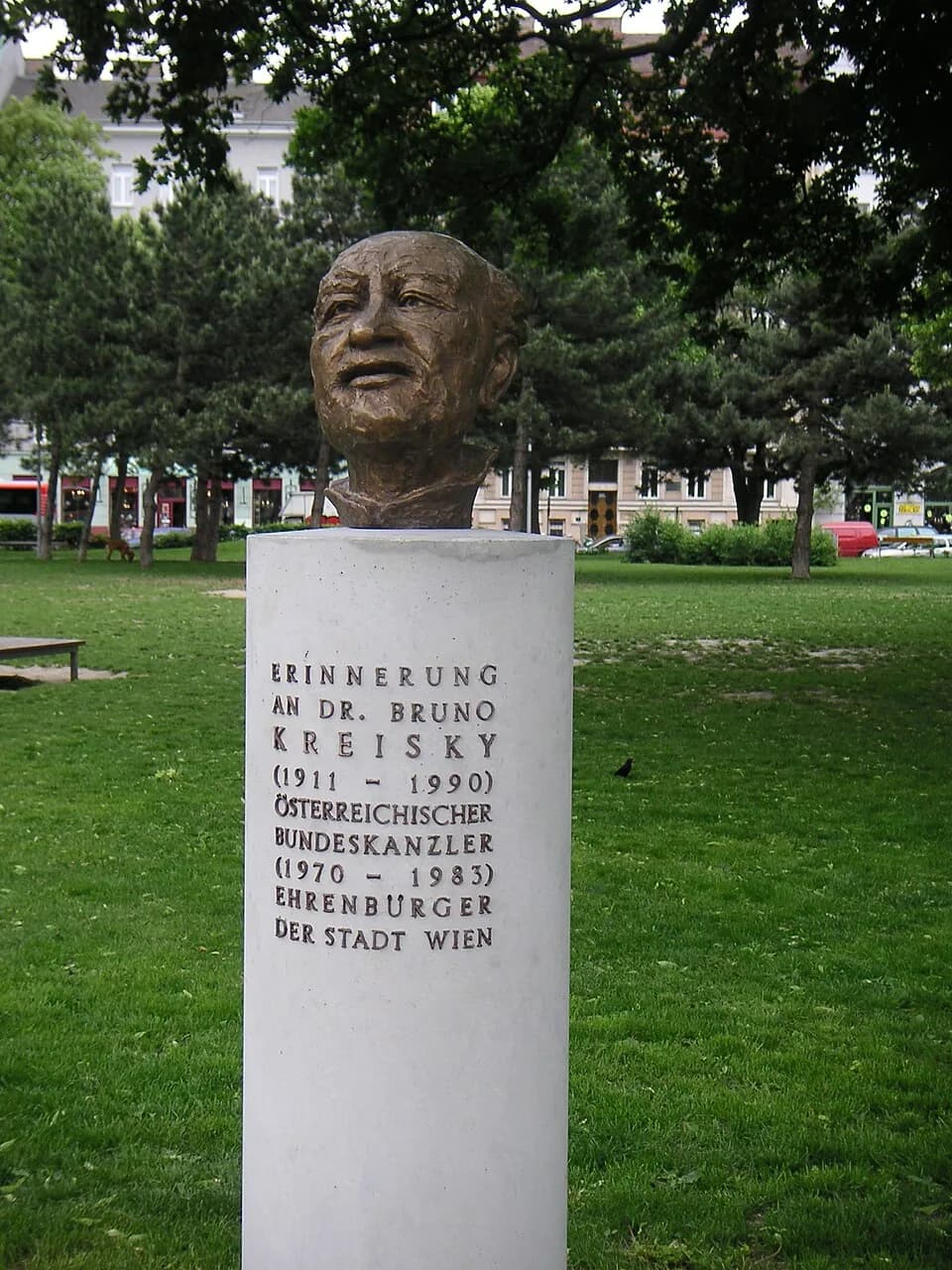
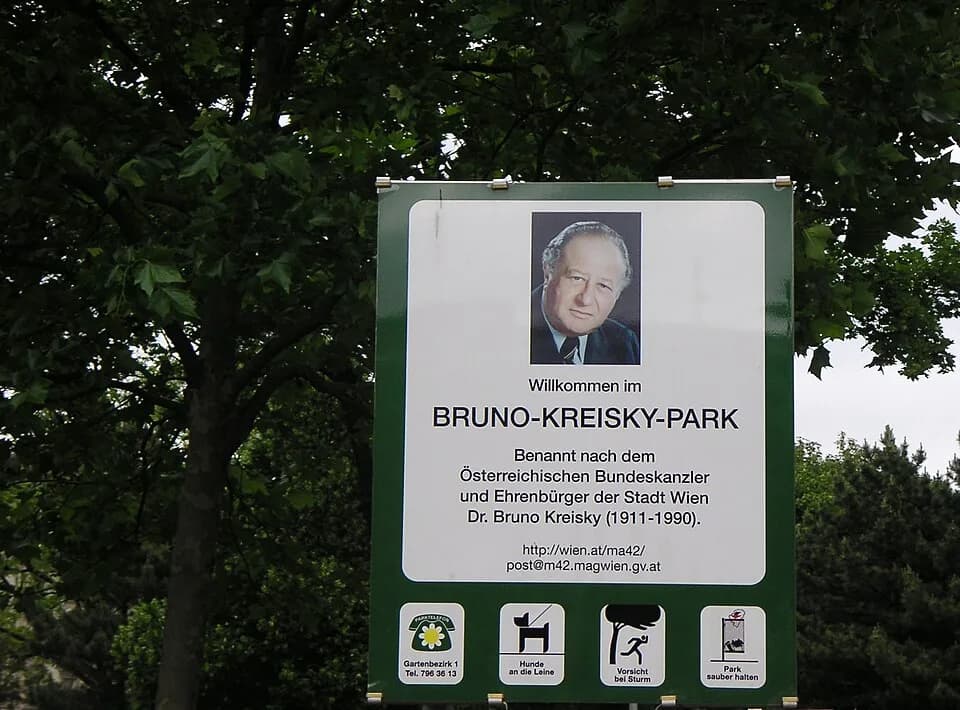
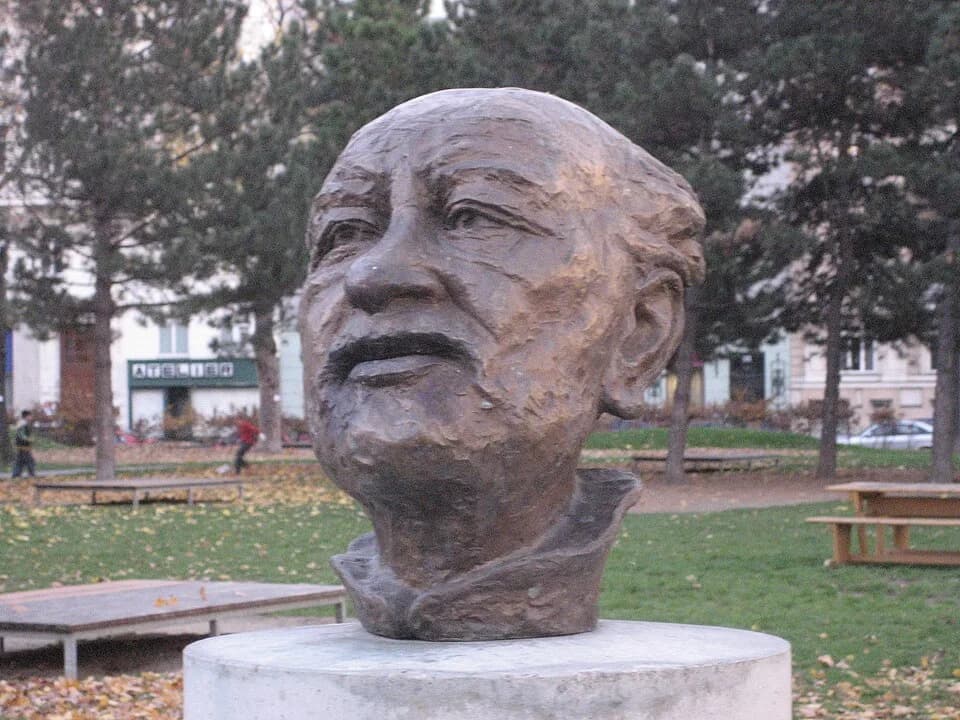
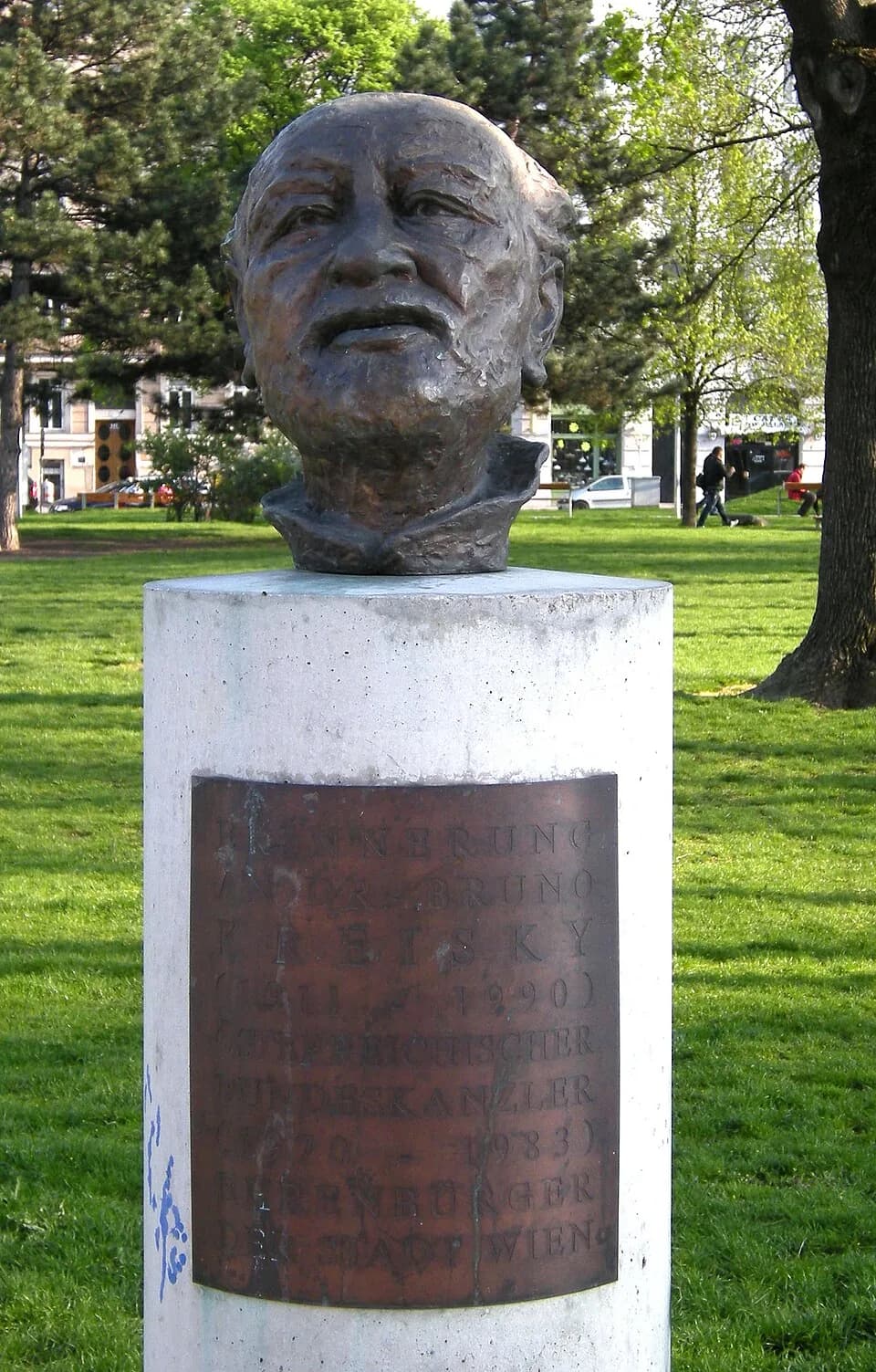
Bruno Kreisky is remembered as a pivotal figure in 20th-century Austrian history, celebrated for his statesmanship and his unwavering commitment to social democratic ideals. His lengthy service as foreign minister and, particularly, as chancellor profoundly influenced Austria's development in the post-war era. He is honored for his political skill, his significant diplomatic achievements, and his tireless dedication to public service throughout his distinguished career. His contributions continue to be studied and appreciated by historians and political scientists alike.
ცხოვრება მომენტებში
მომენტები, რომლებმაც ცხოვრება განსაზღვრა
ხშირად დასმული კითხვები
ხშირად დასმული კითხვები
როდის გარდაიცვალა Bruno Kreisky?
Bruno Kreisky გარდაიცვალა 29 ივლისი, 1990 Vienna, Austria-ში, 79 წლის ასაკში.
სად დაიბადა Bruno Kreisky?
Bruno Kreisky დაიბადა Vienna, Austria-ში 22 იანვარი, 1911.
რითია ცნობილი Bruno Kreisky?
Bruno Kreisky ცნობილია Austrian diplomat and chancellor-ით.
რამდენი წლის იყო Bruno Kreisky გარდაცვალებისას?
Bruno Kreisky გარდაცვალებისას 79 წლის იყო.
რა ეროვნების იყო Bruno Kreisky?
Bruno Kreisky იყო Austria-დან.
ქრონოლოგია
ცხოვრება ერთი შეხედვით
ფოტო გალერეა
ცხოვრება ფოტოებში
გადიდებისთვის დააჭირეთ ნებისმიერ პოლაროიდს · 25 ფოტო
QR კოდი
გააზიარეთ ეს ბიოგრაფია
ბეჭდვა და გაზიარება
დაასკანირეთ ამ ბიოგრაფიის გვერდის მოსანახულებლად. დაბეჭდეთ ღონისძიებებისთვის, გამოფენებისთვის ან საგანმანათლებლო მასალებისთვის.