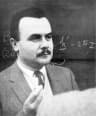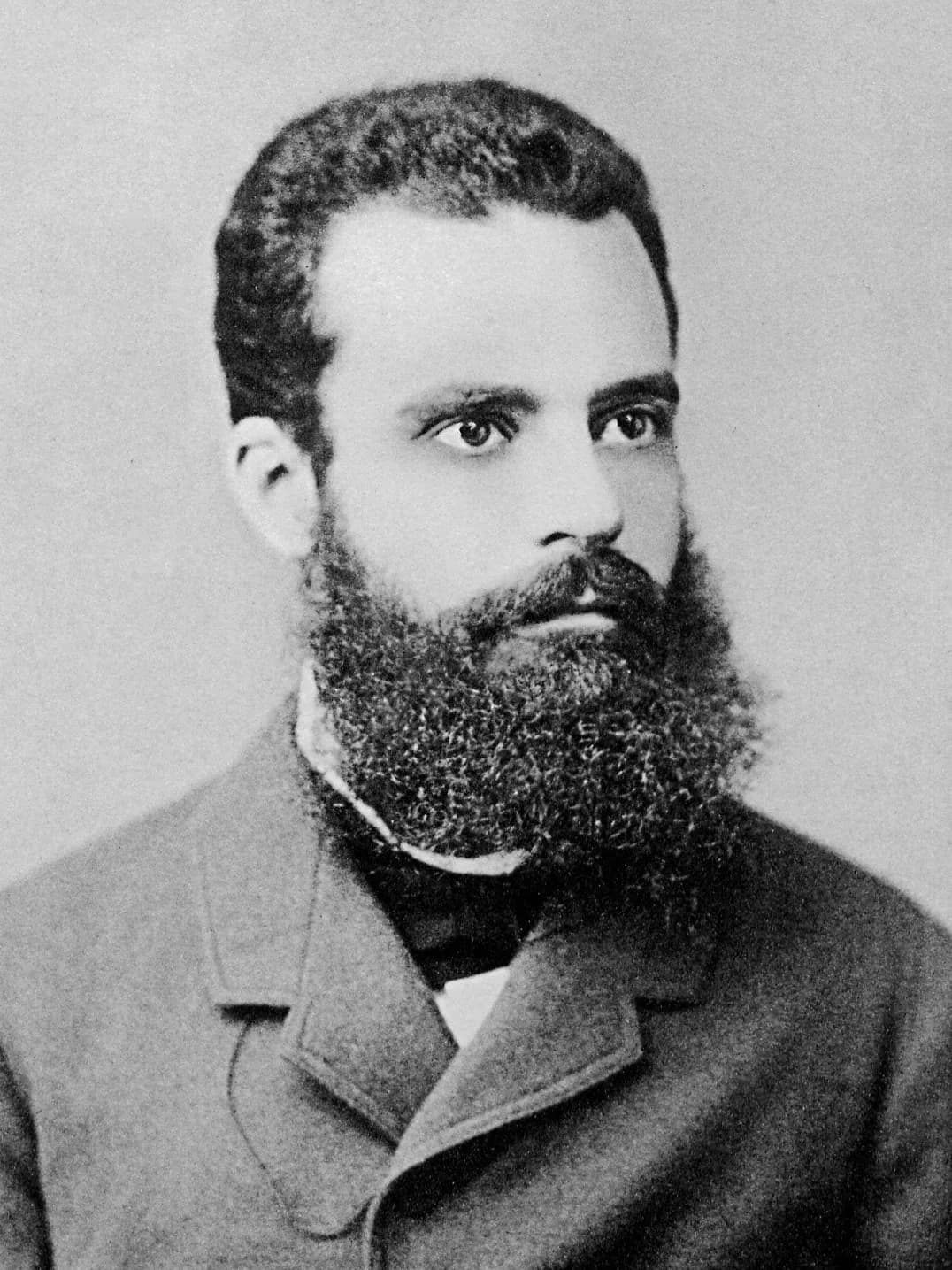
誕生
July 15, 1848
Paris, France
永眠
August 19, 1923
Céligny, Switzerland
知られていること
Italian economist and sociologist
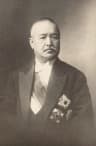
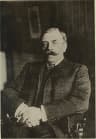
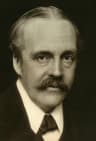
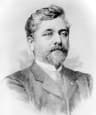
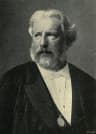
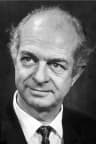
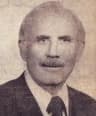
Vilfredo Pareto (1848–1923) was France best known for Italian economist and sociologist.
Vilfredo Federico Damaso Pareto (1848-1923) was an Italian polymath and economist who revolutionized social science through mathematical analysis. He made groundbreaking contributions to income distribution theory and elite analysis while helping establish the influential Lausanne School of economics.
第0章
人生の章
第1章 · 1848年· 全6章中第1章
Early Life and Origins
Born on July 15, 1848, in Paris, France, Vilfredo Pareto came into the world during a period of significant political and intellectual upheaval in Europe. Despite his birth in France, Pareto maintained strong Italian heritage throughout his life. His early education was grounded in the rigorous mathematical and scientific traditions of the mid-19th century. Pareto received formal training in physics and mathematics, disciplines that would later prove foundational to his revolutionary approach to economic and social analysis.
第2章· 全6章中第2章
Career Beginnings
Pareto began his professional career as an engineer, applying his mathematical training to practical problems in civil engineering. This technical background distinguished him from many of his contemporaries in economics and sociology, as he brought quantitative precision to fields that had previously relied heavily on qualitative analysis. His engineering experience taught him to approach complex systems methodically, a skill that would later revolutionize his analysis of economic markets and social structures.
第3章· 全6章中第3章
Major Achievements and Career Highlights
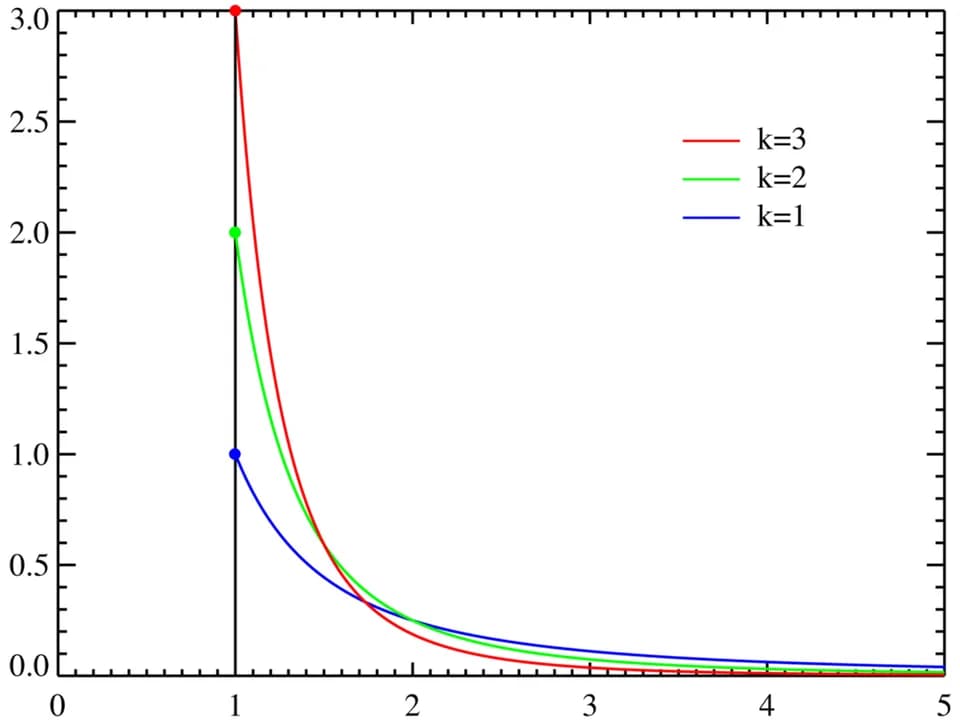
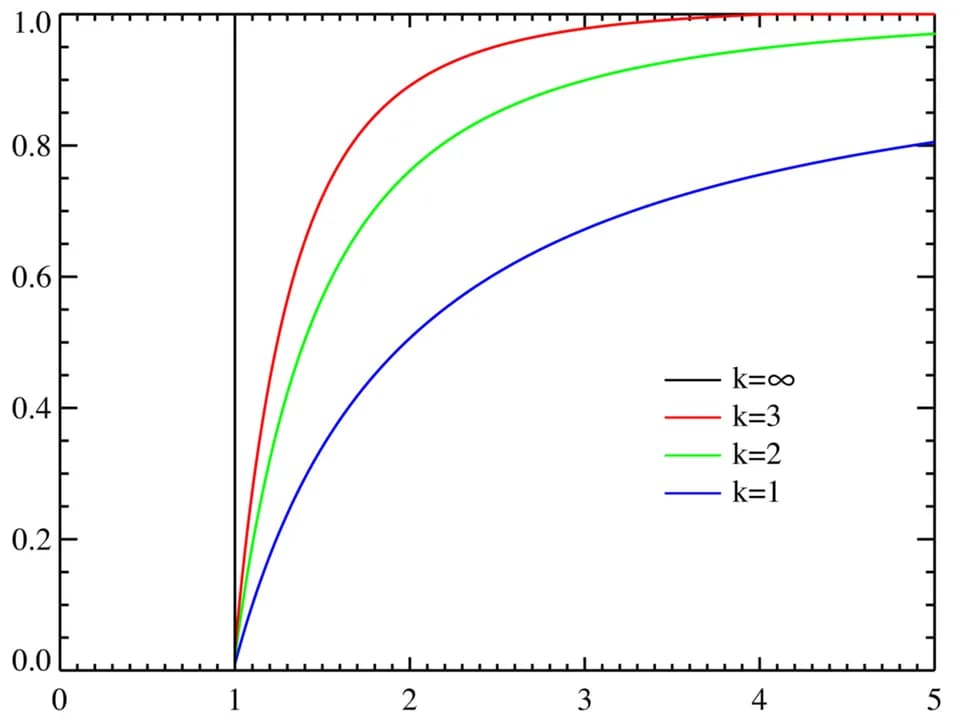
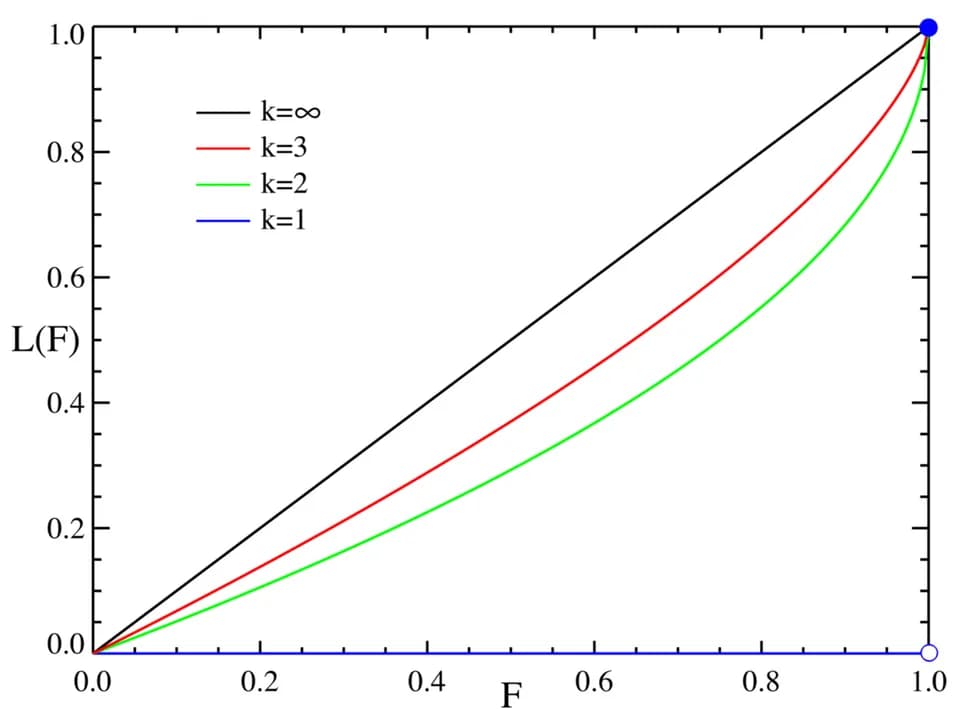
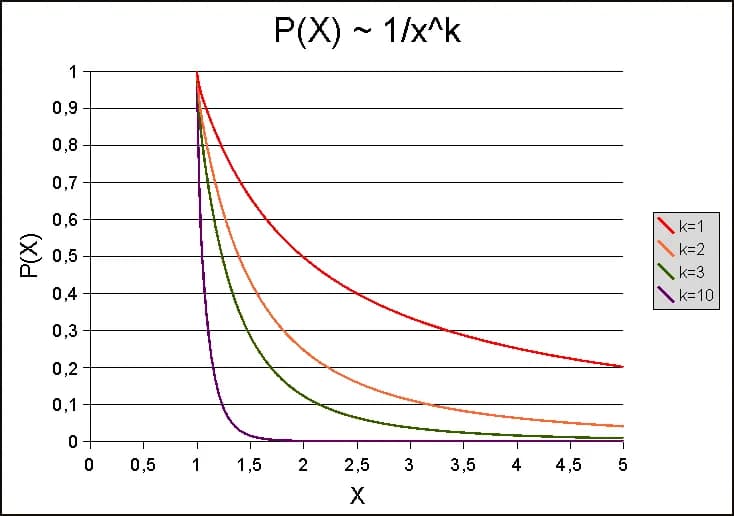
Pareto made several groundbreaking contributions to economics, particularly in the study of income distribution and individual choice analysis. He became a central figure in the Lausanne School of economics, where he developed mathematical models for understanding economic behavior. His work on income distribution led to what is now known as the Pareto distribution, a mathematical relationship that describes wealth concentration in societies. Pareto was also responsible for popularizing the term "elite" in social analysis and made significant contributions to elite theory, examining how small groups maintain power and influence in larger societies.
His academic career included a position as a university teacher, where he influenced a generation of economists and sociologists. Pareto's mathematical approach to social phenomena represented a major shift in how scholars understood human behavior and social organization. His analysis of individuals' choices laid groundwork for modern microeconomic theory and behavioral economics.
第4章 · 1903年· 全6章中第4章
Notable Works and Contributions
Among Pareto's most significant publications was his contribution to the "Encyklopadie der Mathematischen Wissenschaften" in 1903, specifically his work on "Anwendungen der Mathematik auf Nationalokonomie" (Applications of Mathematics to Economics). This work demonstrated how mathematical principles could be systematically applied to economic analysis, bridging the gap between theoretical mathematics and practical economic understanding. His approach to applying probability theory to statistics also influenced how economists and social scientists approached empirical research.
Pareto's later works, including "Hauptströmungen des soziologischen Denkens" and "Vilfredo Paretos System der allgemeinen Soziologie," became foundational texts in sociology. These publications established his reputation not only as an economist but as a comprehensive social theorist. His work "Die Struktur des sozialen Handelns" further explored the mathematical structures underlying social behavior and interaction patterns.
第5章· 全6章中第5章
Later Years
In his final decades, Pareto continued his intellectual pursuits from Switzerland, where he had established residence. His later work increasingly focused on the intersection of economics, sociology, and political philosophy. He spent considerable time refining his theories about elite circulation and the mathematical patterns governing social change. Pareto's later writings reflected a mature synthesis of his engineering background, economic insights, and sociological observations.
Pareto passed away on August 19, 1923, in Céligny, Switzerland, leaving behind a vast intellectual legacy that would influence multiple academic disciplines for generations. His final years were marked by continued scholarly productivity and recognition from international academic communities.
第6章· 全6章中第6章
Legacy and Impact
Pareto's influence extends far beyond his immediate contributions to economics and sociology. His mathematical approach to social analysis helped establish the foundation for modern social science methodology. The Pareto distribution remains a crucial concept in economics, statistics, and complexity theory, with applications ranging from wealth inequality analysis to network theory and natural phenomena. His work on elite theory continues to influence political science and sociology, providing frameworks for understanding power structures in contemporary societies.
The Lausanne School of economics, which Pareto helped establish, became a major center of economic thought that influenced policy-making and academic research throughout the 20th century. Modern economists still reference Pareto's work on individual choice and market behavior when developing theories about consumer preferences and market efficiency. His integration of mathematical rigor with social analysis established methodological standards that continue to guide interdisciplinary research in the social sciences.
瞬間の中の人生
人生を形作った瞬間
FAQ
よくある質問
Vilfredo Paretoはいつ亡くなりましたか?
Vilfredo Paretoは1923年8月19日にCéligny, Switzerlandで亡くなりました(享年75歳)。
Vilfredo Paretoはどこで生まれましたか?
Vilfredo Paretoは1848年7月15日にParis, Franceで生まれました。
Vilfredo Paretoは何で最もよく知られていますか?
Vilfredo ParetoはItalian economist and sociologistで最もよく知られています。
Vilfredo Paretoは何歳で亡くなりましたか?
Vilfredo Paretoは亡くなった時75歳でした。
Vilfredo Paretoの国籍はどこですか?
Vilfredo ParetoはFranceの出身です。
年表
人生の概要
写真ギャラリー
写真の中の人生
ポラロイドをクリックして拡大 · 48枚の写真
QRコード
この経歴を共有
印刷して共有
スキャンしてこの経歴ページを訪問。イベント、展示会、教育資料に印刷してご利用ください。