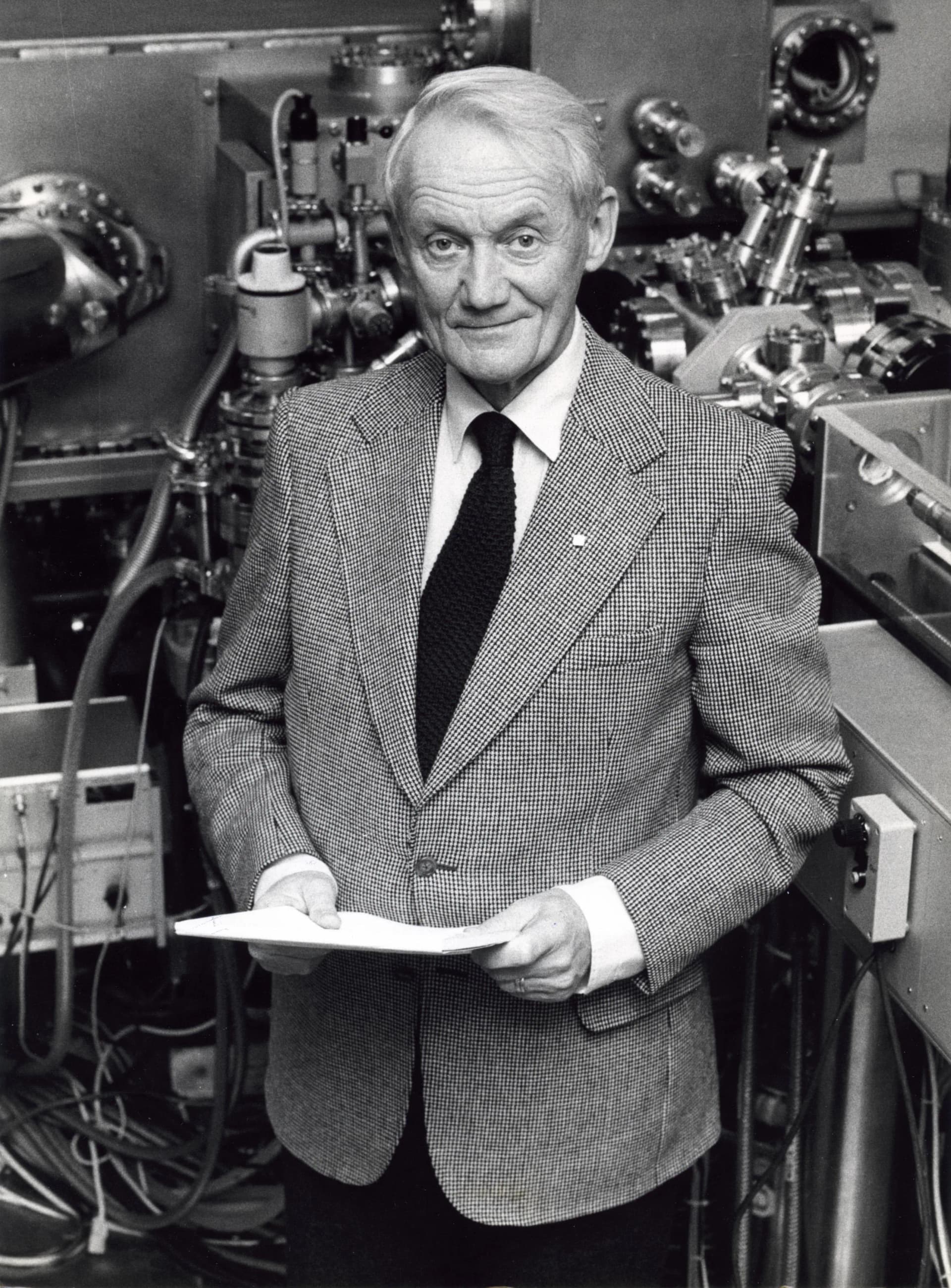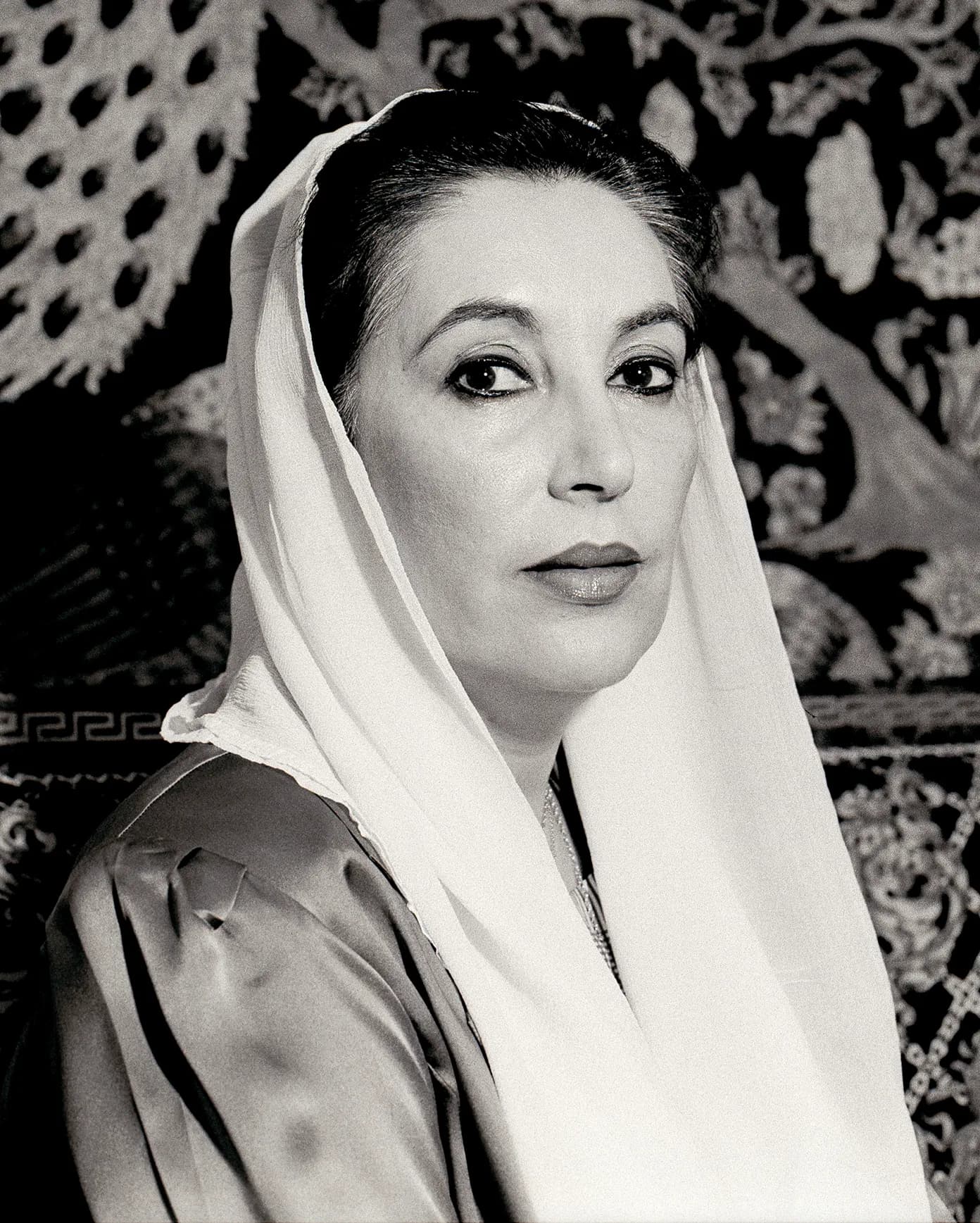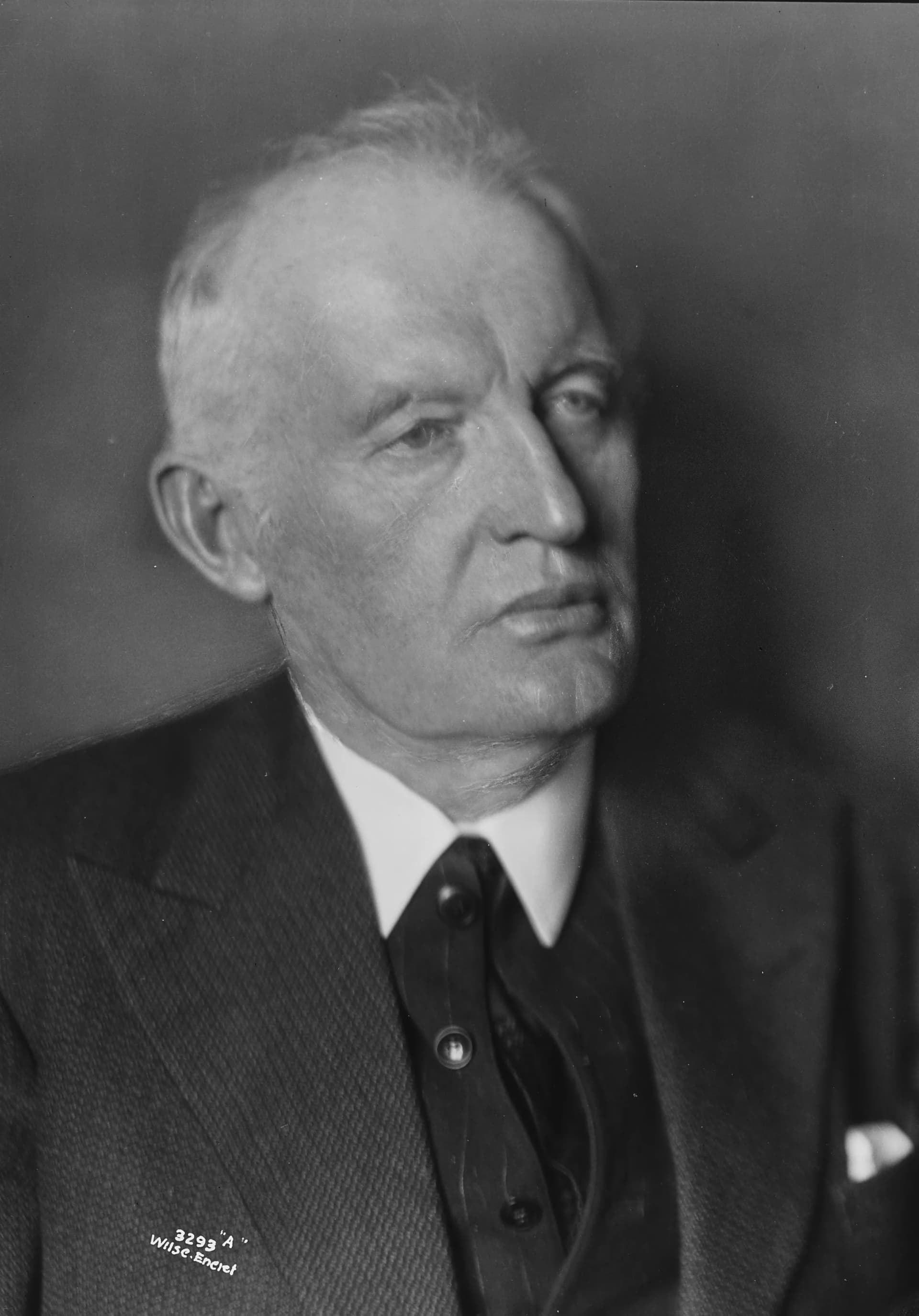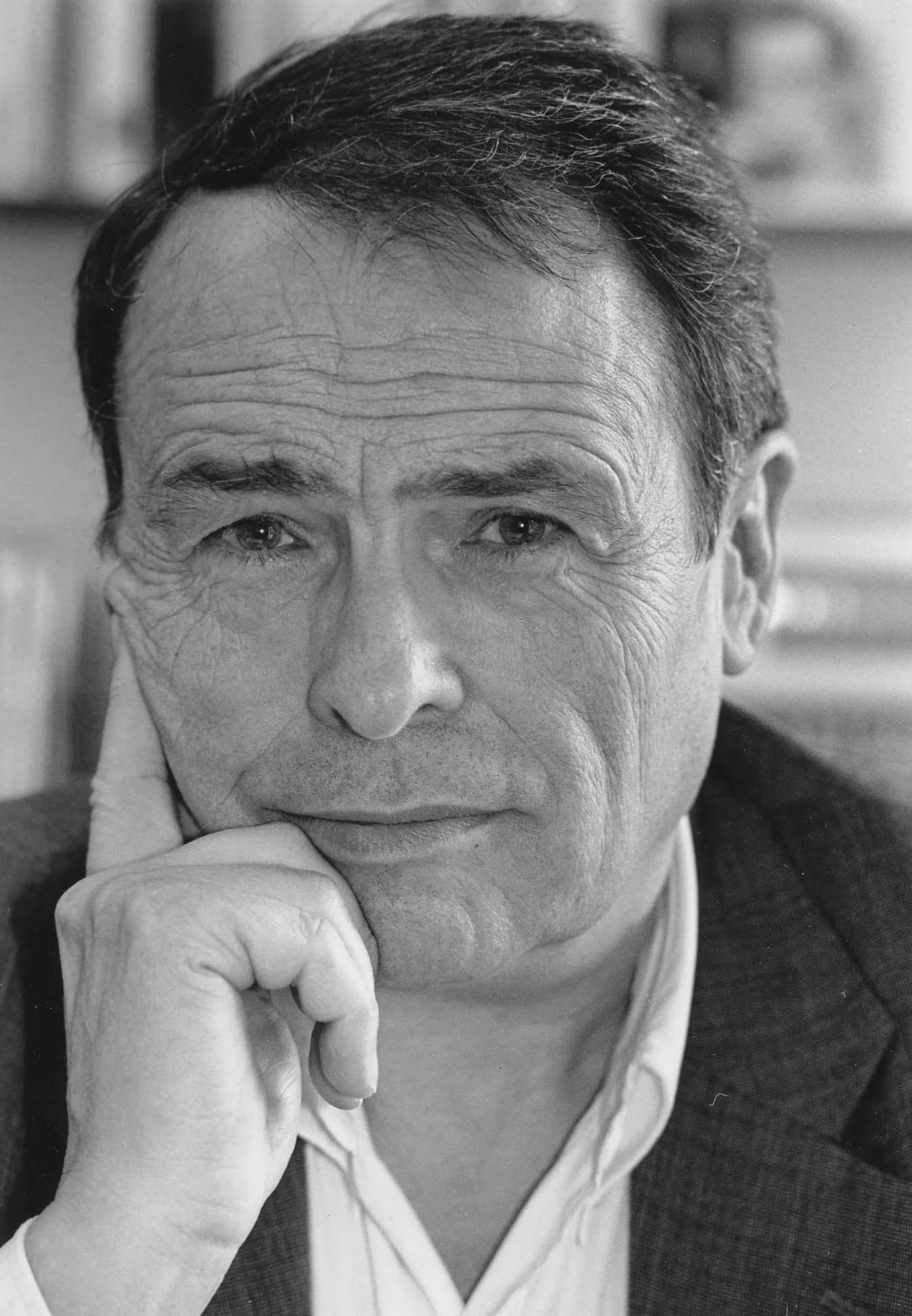
誕生
March 4, 1932
Pinsk, Belarus
永眠
January 23, 2007
Warsaw, Poland
知られていること
Polish journalist, photographer, poet and author
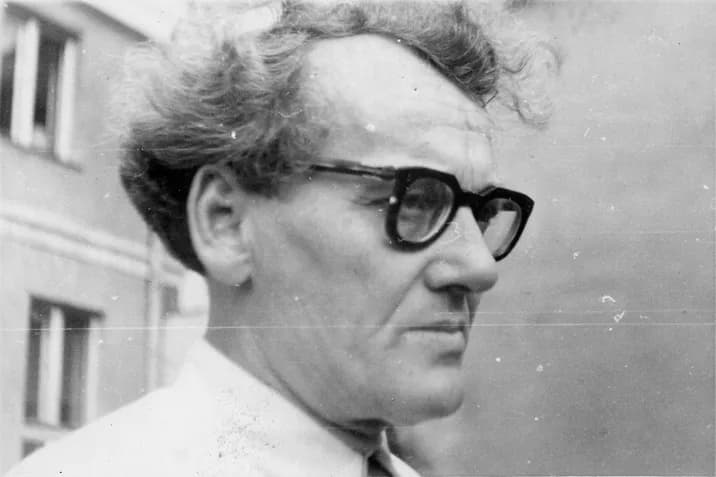
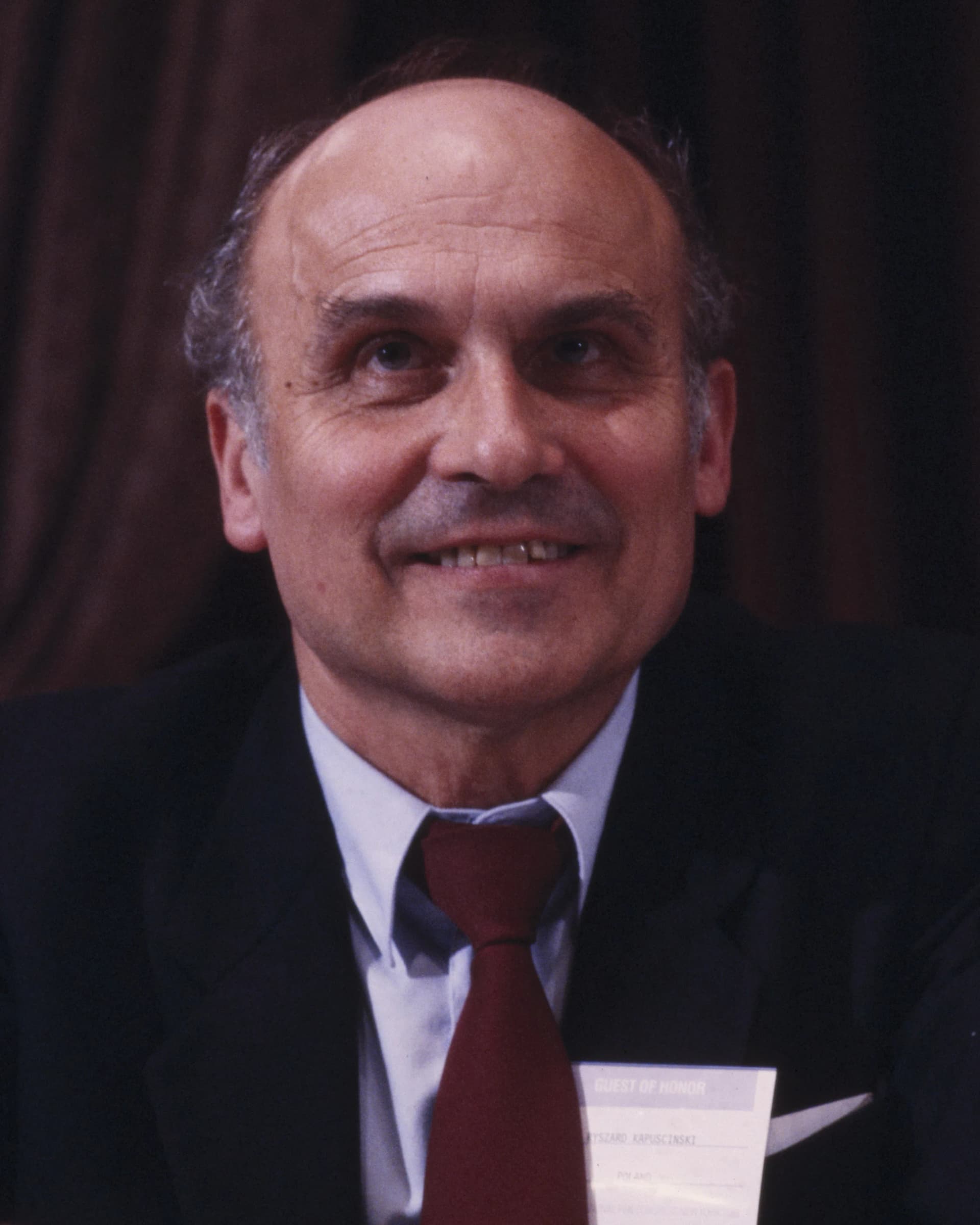
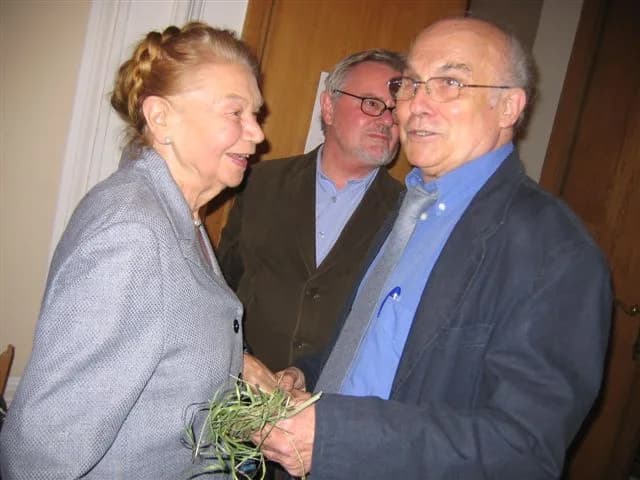
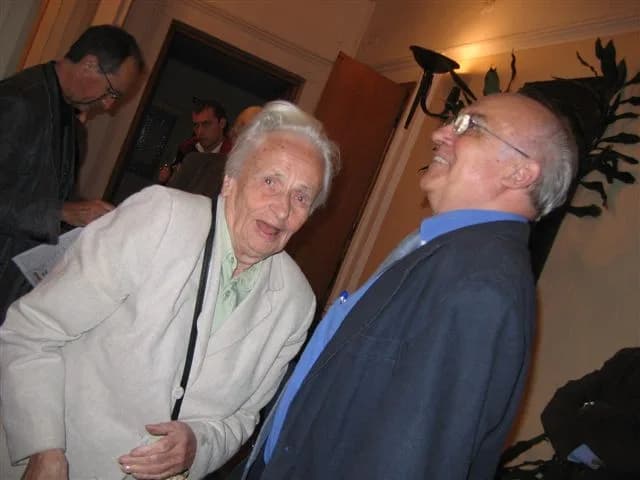
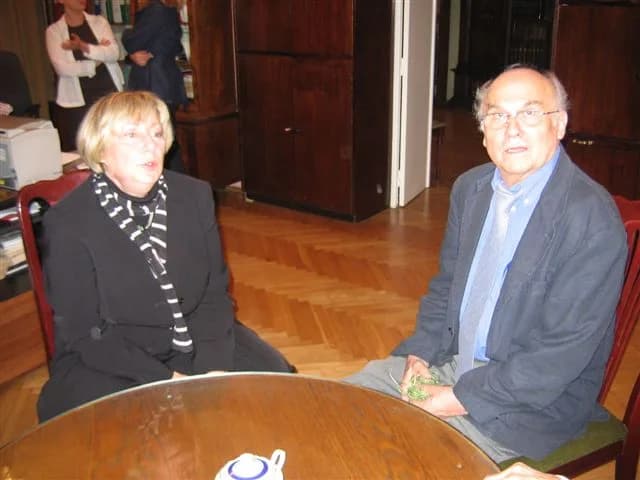
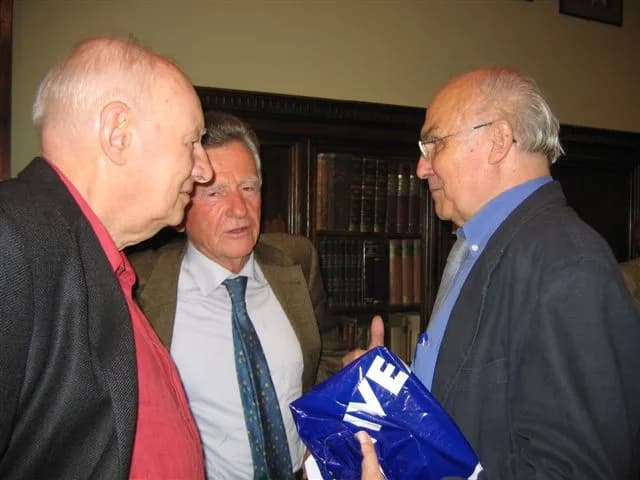
Ryszard Kapuściński (1932–2007) was Belarus best known for Polish journalist, photographer, poet and author.
Ryszard Kapuściński (March 4, 1932 – January 23, 2007) was a Polish journalist, photographer, and author from Pinsk, Belarus. He redefined reportage by blending factual accounts with literary allegory and magical realism, covering 27 revolutions worldwide. His unique contributions earned him a Nobel Prize consideration and the title of "Maestro" from his peers.
瞬間の中の人生
人生を形作った瞬間
第0章
人生の章
第1章 · 1932年· 全8章中第1章
An Enduring Voice in Global Journalism
Ryszard Kapuściński (March 4, 1932 – January 23, 2007) was a distinguished Polish journalist, photographer, poet, and author whose unique approach to reportage profoundly influenced both journalism and literature. He was widely celebrated for his ability to blend factual reporting with the evocative power of literary allegory and magical realism, a style that earned him international acclaim. His extensive travels and fearless reporting from the front lines of numerous global conflicts cemented his reputation as one of the twentieth century's most significant chroniclers of historical change, leading to his consideration as a candidate for the Nobel Prize in Literature.
第2章 · 1932年· 全8章中第2章
Early Life and Origins
Born on March 4, 1932, in Pinsk, a city then located within the borders of Poland but now part of modern-day Belarus, Ryszard Kapuściński’s early life was shaped by the geopolitical complexities of Central and Eastern Europe. This regional background arguably provided him with an innate sensitivity to historical shifts and cultural dynamics that would later define his global reporting. The diverse cultural milieu of his birthplace likely contributed to his empathetic and nuanced understanding of the world's various peoples and their struggles. While specific details of his family and early upbringing remain largely private, the foundational experience of growing up in Pinsk undoubtedly influenced his later journalistic pursuits and his deep engagement with the human condition.
第3章· 全8章中第3章
Career Beginnings and International Correspondent
Ryszard Kapuściński commenced his illustrious career with the Communist-era Polish Press Agency, quickly establishing himself as a diligent and adventurous reporter. A defining period began when he was assigned as the agency's sole correspondent in Africa during the continent's profound era of decolonization. This unprecedented assignment provided him with a unique vantage point to witness and document the birth of new nations and the struggles accompanying independence movements across various African countries. Beyond Africa, his early work also took him to distant lands in South America and Asia, where he diligently reported on political upheavals and societal transformations, laying the groundwork for his legendary immersive journalism.
第4章 · 1956年· 全8章中第4章
Major Achievements and Career Highlights
Between 1956 and 1981, Ryszard Kapuściński chronicled an astonishing 27 revolutions and coups across various continents, demonstrating an unparalleled commitment to witnessing history unfold firsthand. His courageous dedication to reporting from the heart of these tumultuous events allowed him to offer profound insights into global political transformations and human resilience. This extraordinary body of work not only garnered him numerous prestigious awards throughout his career but also led to him being considered a prominent candidate for the highly coveted Nobel Prize in Literature. Such widespread recognition affirmed his stature as one of the most significant literary journalists of his era, earning him the affectionate title of "Maestro" from esteemed contemporaries like Tiziano Terzani, Gabriel García Márquez, and Luis Sepúlveda.
第5章· 全8章中第5章
Unique Journalistic Style and Its Impact
Kapuściński's journalism attracted both controversy and immense admiration for its distinctive blurring of traditional reportage with the rich literary elements of allegory and magical realism. His personal journals, transformed into book form, became the vehicle for this innovative style, where objective observation intertwined with subjective experience and deeper symbolic meanings. This approach allowed him to convey not just the facts of a situation but also its emotional and cultural essence, making his narratives resonate with a universal human experience. Through this unique fusion, he challenged conventional notions of journalistic objectivity, creating a new literary genre that enriched readers' understanding of complex global events and individual lives affected by them.
第6章· 全8章中第6章
Notable Works and Contributions
Throughout his prolific career, Ryszard Kapuściński authored numerous acclaimed works that continue to be studied and celebrated for their depth and literary merit. Among his most well-known titles are Heban (meaning "Ebony"), which offers profound reflections on his experiences in Africa, and Lapidaria, a collection of aphorisms and observations showcasing his philosophical insights. Other significant contributions include Gorzki smak wody (The Bitter Taste of Water), Rwący nurt historii (The Rushing Current of History), and collections of his poetry like Wiersze zebrane (Collected Poems) and Poesía completa (Complete Poetry). His unique literary voice also found expression in works such as Encuentro con el Otro (Encountering the Other) and O książkach, ludziach i sztuce (On Books, People, and Art), each piece further illustrating his profound engagement with global narratives and human encounters.
第7章 · 1981年· 全8章中第7章
Later Years and Political Stance
The latter part of Ryszard Kapuściński’s career saw him navigate the political shifts within his native Poland, demonstrating his unwavering commitment to democratic principles. In 1981, he was notably fired from the Polish Press Agency due to his outspoken support for the pro-democracy Solidarity movement, a crucial moment in Poland's struggle against communist rule. Despite this professional setback, he continued to write and remained an influential figure, his integrity and convictions undimmed. He passed away on January 23, 2007, in Warsaw, Poland, leaving behind a monumental body of work that continues to inspire and inform readers worldwide.
第8章· 全8章中第8章
Legacy and Impact
Ryszard Kapuściński’s legacy endures as a powerful testament to the potential of journalism as a profound literary art form. His distinctive reportage, which seamlessly wove together factual observation with the evocative storytelling of literature, redefined the genre and opened new pathways for future generations of writers. He is remembered not merely as a reporter but as an astute interpreter of history and human nature, whose works remain essential reading for understanding the complexities of the post-colonial world. His influence continues to resonate among practitioners and scholars, solidifying his place as an unforgettable "Maestro" whose narratives transcended mere news to become timeless works of human insight and reflection.
FAQ
よくある質問
Ryszard Kapuścińskiはいつ亡くなりましたか?
Ryszard Kapuścińskiは2007年1月23日にWarsaw, Polandで亡くなりました(享年74歳)。
Ryszard Kapuścińskiはどこで生まれましたか?
Ryszard Kapuścińskiは1932年3月4日にPinsk, Belarusで生まれました。
Ryszard Kapuścińskiは何で最もよく知られていますか?
Ryszard KapuścińskiはPolish journalist, photographer, poet and authorで最もよく知られています。
Ryszard Kapuścińskiは何歳で亡くなりましたか?
Ryszard Kapuścińskiは亡くなった時74歳でした。
Ryszard Kapuścińskiの国籍はどこですか?
Ryszard KapuścińskiはBelarusの出身です。
写真ギャラリー
写真の中の人生
ポラロイドをクリックして拡大 · 25枚の写真
QRコード
この経歴を共有
印刷して共有
スキャンしてこの経歴ページを訪問。イベント、展示会、教育資料に印刷してご利用ください。