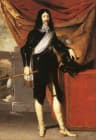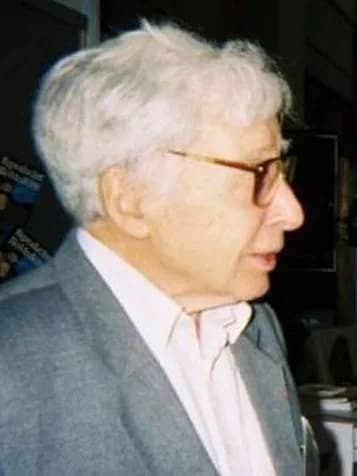
誕生
September 27, 1925
Batley, United Kingdom
永眠
April 10, 2013
Cambridge, United Kingdom
知られていること
English physiologist and pioneer in reproductive medicine and in-vitro fertilisation
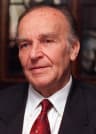
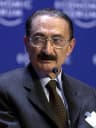
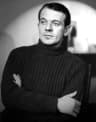
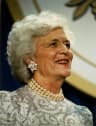
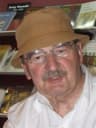
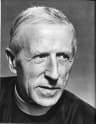
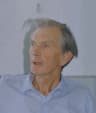
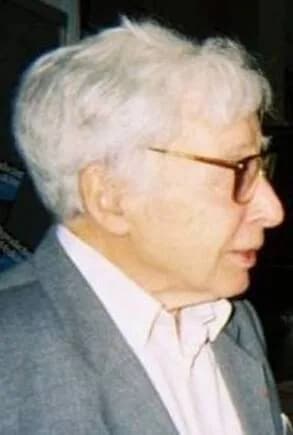
Robert Edwards (1925–2013) was United Kingdom best known for English physiologist and pioneer in reproductive medicine and in-vitro fertilisation.
Sir Robert Edwards (September 27, 1925 – April 10, 2013) was an English physiologist and pioneer in reproductive medicine. He successfully developed in-vitro fertilisation, leading to the birth of Louise Brown in 1978. His work earned him the Nobel Prize in 2010 and transformed fertility treatment for millions worldwide.
第0章
人生の章
第1章 · 1925年· 全7章中第1章
Early Life and Origins
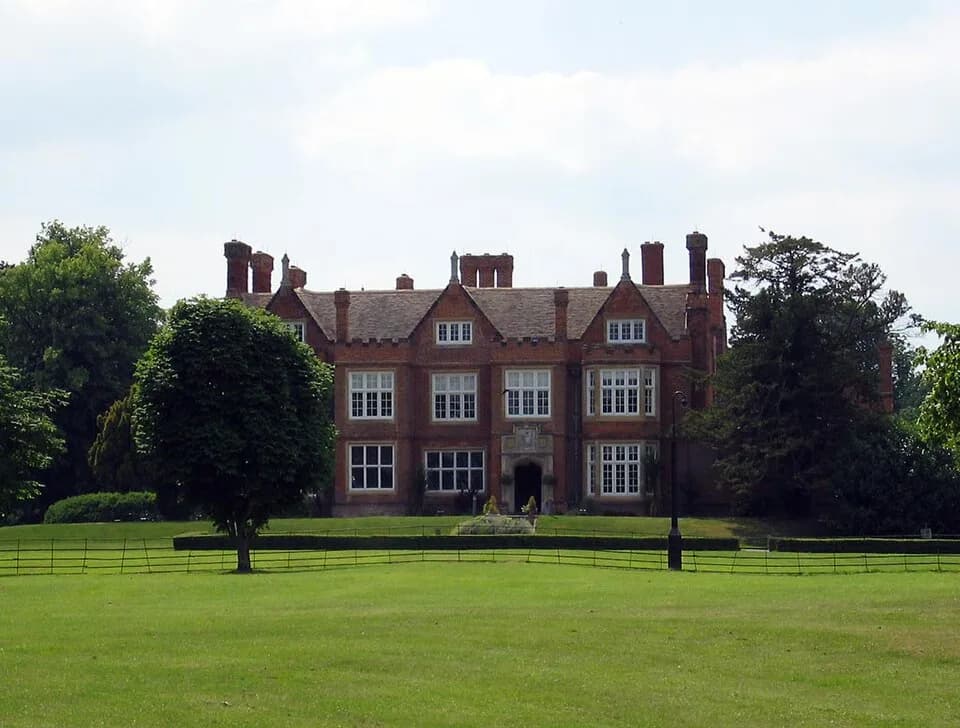
Robert Edwards was born in Batley, United Kingdom, on September 27, 1925, where he spent his early years. Details of his early family life and specific upbringing are not extensively documented in his public biography. He pursued his education with a keen interest in biology and physiology, laying the groundwork for his eventual accomplished career in medicine. His foundational studies provided him with the scientific rigor and understanding necessary to tackle complex biological challenges.
第2章· 全7章中第2章
Career Beginnings
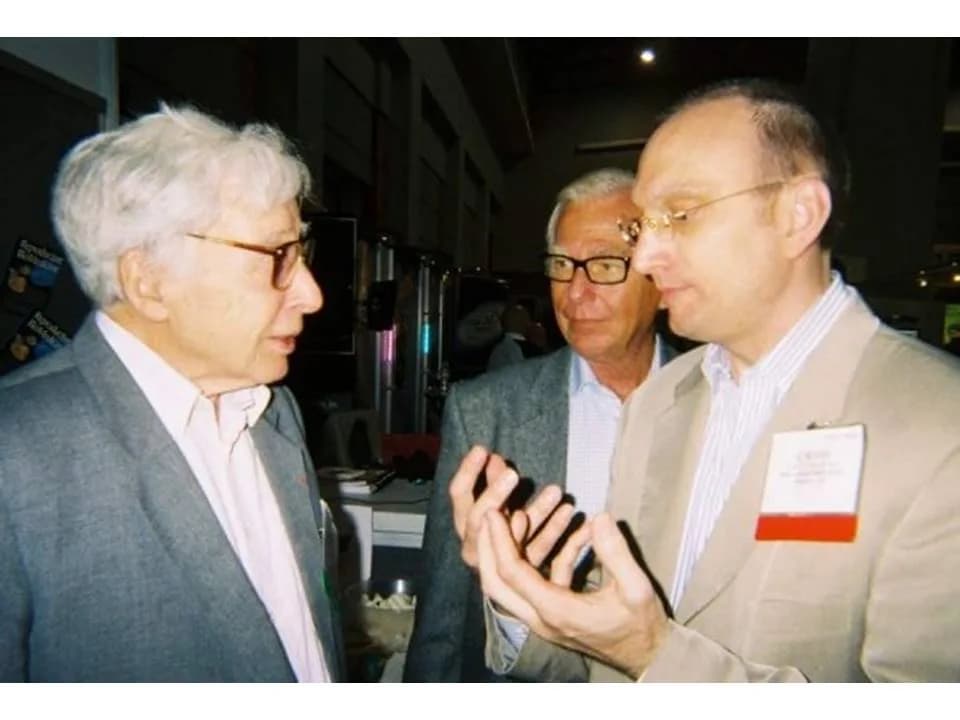
Edwards began his professional journey as a biologist and researcher, focusing on the intricate processes of human reproduction. Early in his career, he recognized the potential of in-vitro techniques to address infertility. This ambitious pursuit led him to collaborate with obstetrician and gynaecologist Patrick Steptoe and nurse and embryologist Jean Purdy, forming a formidable team dedicated to overcoming infertility. Together, they started on the challenging path of developing viable in-vitro fertilisation methods.
第3章 · 1978年· 全7章中第3章
Major Achievements and Career Highlights
The most significant achievement in Sir Robert Edwards' career was the successful pioneering of conception through in-vitro fertilisation. This monumental work led to the birth of Louise Brown on July 25, 1978, a milestone that captured global attention and offered new hope to countless infertile couples. Following this success, Edwards, Steptoe, and Purdy established the world's first IVF program specifically for infertile patients. They were also instrumental in training other scientists, widely disseminating their revolutionary techniques and knowledge.
In addition to his direct research, Edwards contributed significantly to the academic community by founding the journal Human Reproduction in 1986, where he served as its first editor-in-chief. His decades of dedicated research and clinical application were formally recognized in 2010 when he was awarded the Nobel Prize in Physiology or Medicine "for the development of in vitro fertilization". This prestigious award acknowledged the significant impact of his work on human health and society.
第4章· 全7章中第4章
Personal Life
While Sir Robert Edwards' professional life was extensively documented through his scientific contributions and public recognition, specific details about his personal life beyond his professional collaborations are not provided in the available information. His dedication to his research and the advancement of reproductive medicine appears to have been a central focus throughout his life. He worked closely with his colleagues, forming strong professional bonds during his career.
第5章 · 1986年· 全7章中第5章
Notable Works or Contributions
Beyond the initial breakthrough of Louise Brown's birth, Sir Robert Edwards' enduring contribution lies in establishing a reliable and accessible methodology for IVF. His work allowed for the systematic study and refinement of techniques for egg retrieval, fertilisation outside the body, and embryo transfer. He also contributed significantly to the ethical discussions surrounding these new reproductive technologies. His role as the founding editor-in-chief of Human Reproduction in 1986 further solidified his commitment to advancing scientific discourse in the field of reproductive medicine.
第6章 · 2010年· 全7章中第6章
Later Years
In his later years, Sir Robert Edwards continued to witness the growing impact of his life's work as IVF became a widespread and accepted medical procedure. His efforts were finally recognized with the highest honor in science, the Nobel Prize in Physiology or Medicine, awarded in 2010. This award came relatively late in his life, underscoring the long-term significance and validation of his scientific endeavors. Sir Robert Edwards passed away on April 10, 2013, in Cambridge, United Kingdom, at the age of 87, leaving behind a monumental legacy.
第7章· 全7章中第7章
Legacy and Impact
The legacy of Sir Robert Edwards is immeasurable, directly affecting millions of lives by providing solutions for infertility that were once unimaginable. His pioneering work with Patrick Steptoe and Jean Purdy opened doors for countless individuals to experience parenthood. IVF has evolved into a standard medical practice globally, with an estimated eight million babies born through the technology he helped create. Edwards' scientific courage and persistence fundamentally reshaped reproductive medicine, cementing his place as one of the most influential medical scientists of the 20th century.
瞬間の中の人生
人生を形作った瞬間
FAQ
よくある質問
Robert Edwardsはいつ亡くなりましたか?
Robert Edwardsは2013年4月10日にCambridge, United Kingdomで亡くなりました(享年87歳)。
Robert Edwardsはどこで生まれましたか?
Robert Edwardsは1925年9月27日にBatley, United Kingdomで生まれました。
Robert Edwardsは何で最もよく知られていますか?
Robert EdwardsはEnglish physiologist and pioneer in reproductive medicine and in-vitro fertilisationで最もよく知られています。
Robert Edwardsは何歳で亡くなりましたか?
Robert Edwardsは亡くなった時87歳でした。
Robert Edwardsの国籍はどこですか?
Robert EdwardsはUnited Kingdomの出身です。
写真ギャラリー
写真の中の人生
ポラロイドをクリックして拡大 · 47枚の写真
QRコード
この経歴を共有
印刷して共有
スキャンしてこの経歴ページを訪問。イベント、展示会、教育資料に印刷してご利用ください。