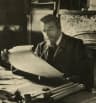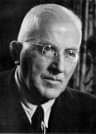
誕生
June 11, 1864
Munich, Germany
永眠
September 8, 1949
Garmisch-Partenkirchen, Germany
知られていること
German composer and orchestra director
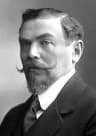
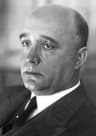
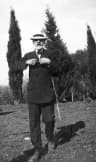
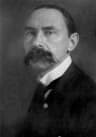
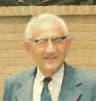
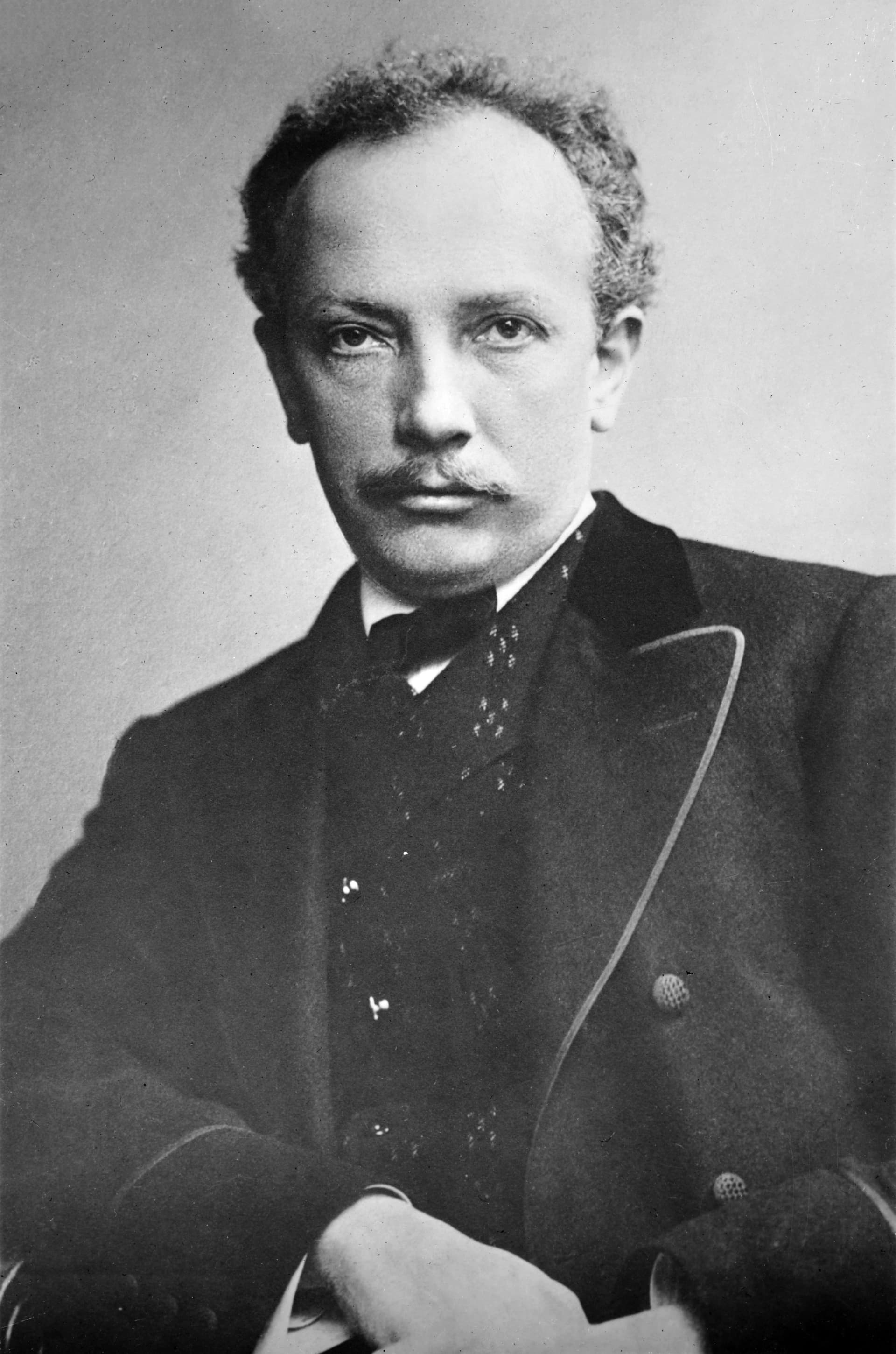
Richard Strauss (1864–1949) was Germany best known for German composer and orchestra director.
Richard Georg Strauss (June 11, 1864 – September 8, 1949) was a German composer, conductor, and musician. He was renowned for his innovative tone poems and dramatic operas, becoming a leading figure of the late Romantic and early Modern eras. His unique blend of subtle orchestration and advanced harmony left a lasting impact on classical music.
第0章
人生の章
第1章 · 1864年· 全6章中第1章
Early Life and Origins
Richard Strauss began his remarkable musical journey in a culturally rich environment, born on June 11, 1864, in Munich, Germany. His formative years in his birthplace, a significant center for the arts, undoubtedly fostered his early appreciation and innate talent for both composition and musical performance. While specific details regarding his family life are not provided, his early origins in Munich undeniably laid the foundational groundwork for what would become an extraordinarily distinguished career.
第2章· 全6章中第2章
Career Beginnings
Strauss quickly established himself as a prominent figure in the musical world, embarking on his professional path as both a skilled musician and an adept conductor. This unique dual role afforded him a deep, comprehensive understanding of both the intricate creative process and the dynamic execution of musical works. His early endeavors involved conducting various orchestras, which meticulously honed his interpretive skills and profoundly informed his distinct compositional voice.
第3章· 全6章中第3章
Major Achievements and Career Highlights
Throughout his extensive career, Richard Strauss ascended to international prominence, excelling as both a prolific composer and an esteemed orchestra director. He became particularly renowned for his innovative tone poems, which were expansive orchestral works designed to tell vivid stories or depict intricate scenes through music, and for his powerful, emotionally charged operas. Recognized as a significant successor to the grand compositional styles of Richard Wagner and Franz Liszt, Strauss masterfully expanded upon the rich Romantic tradition, pushing its expressive boundaries. Furthermore, alongside his contemporary and friend Gustav Mahler, he pioneered a unique style that harmoniously blended subtle, sophisticated orchestration techniques with an advanced harmonic language, thus further extending the frontiers of classical music.
第4章 · 1988年· 全6章中第4章
Notable Works or Contributions
Strauss’s extensive discography showcases his remarkable versatility across several classical genres, including classical music, lied, opera, and a broader scope of western classical traditions. Among his most celebrated tone poems is "Also Sprach Zarathustra," a monumental work whose enduring power is captured in recordings such as the 1988 rendition. Another pivotal tone poem, "Tod und Verklärung" (Death and Transfiguration), saw a notable recording release in 1984, deeply moving audiences with its profound narrative. His operas, such as the compelling "Arabella," recorded in 1997, powerfully demonstrated his exceptional dramatic flair and lyrical prowess, which captivated audiences worldwide. Other significant orchestral pieces include the majestic "Eine Alpensinfonie" (An Alpine Symphony), featured in a 1998 recording alongside works by Mahler, and the grand "Ein Heldenleben" (A Hero's Life), released in 1999. His personal interpretations as a conductor were immortalized in recordings like "R. Strauss conducts R. Strauss" (1990), which offered definitive insights into his own compositions. Collections such as "The Great Composers Series" (1990) and "R. Strauss: Theatrical Inspirations" (2004) further solidify his immense and lasting legacy.
第5章 · 1949年· 全6章中第5章
Later Years
Richard Strauss continued his dedicated work as a prolific composer and conductor throughout his later life, maintaining an active and influential presence in the musical world. He peacefully passed away on September 8, 1949, in Garmisch-Partenkirchen, Germany, leaving behind an immense and influential catalog of music that continues to inspire. His final years were spent in his cherished homeland, a place where his extraordinary contributions had blossomed and forever altered the trajectory of classical music.
第6章· 全6章中第6章
Legacy and Impact
The profound legacy of Richard Strauss continues to resonate through his monumental contributions to classical music. As a leading figure who masterfully bridged the late Romantic and early Modern eras, he fundamentally redefined the very essence of orchestral and operatic composition. His innovative use of orchestration and his advanced harmonic language, developed in parallel with the distinct vision of Gustav Mahler, influenced countless subsequent composers and conductors. Today, his timeless works continue to be performed and cherished by audiences worldwide, firmly solidifying his indelible position as one of Germany's most influential and revered musical artists.
瞬間の中の人生
人生を形作った瞬間


FAQ
よくある質問
Richard Straussはいつ亡くなりましたか?
Richard Straussは1949年9月8日にGarmisch-Partenkirchen, Germanyで亡くなりました(享年85歳)。
Richard Straussはどこで生まれましたか?
Richard Straussは1864年6月11日にMunich, Germanyで生まれました。
Richard Straussは何で最もよく知られていますか?
Richard StraussはGerman composer and orchestra directorで最もよく知られています。
Richard Straussは何歳で亡くなりましたか?
Richard Straussは亡くなった時85歳でした。
Richard Straussの国籍はどこですか?
Richard StraussはGermanyの出身です。
年表
人生の概要
写真ギャラリー
写真の中の人生
ポラロイドをクリックして拡大 · 50枚の写真
QRコード
この経歴を共有
印刷して共有
スキャンしてこの経歴ページを訪問。イベント、展示会、教育資料に印刷してご利用ください。