誕生
February 7, 1906
Prince Chun Mansion, People's Republic of China
永眠
October 17, 1967
Peking Union Medical College Hospital, People's Republic of China
知られていること
Last Emperor of Qing dynasty and Manchukuo
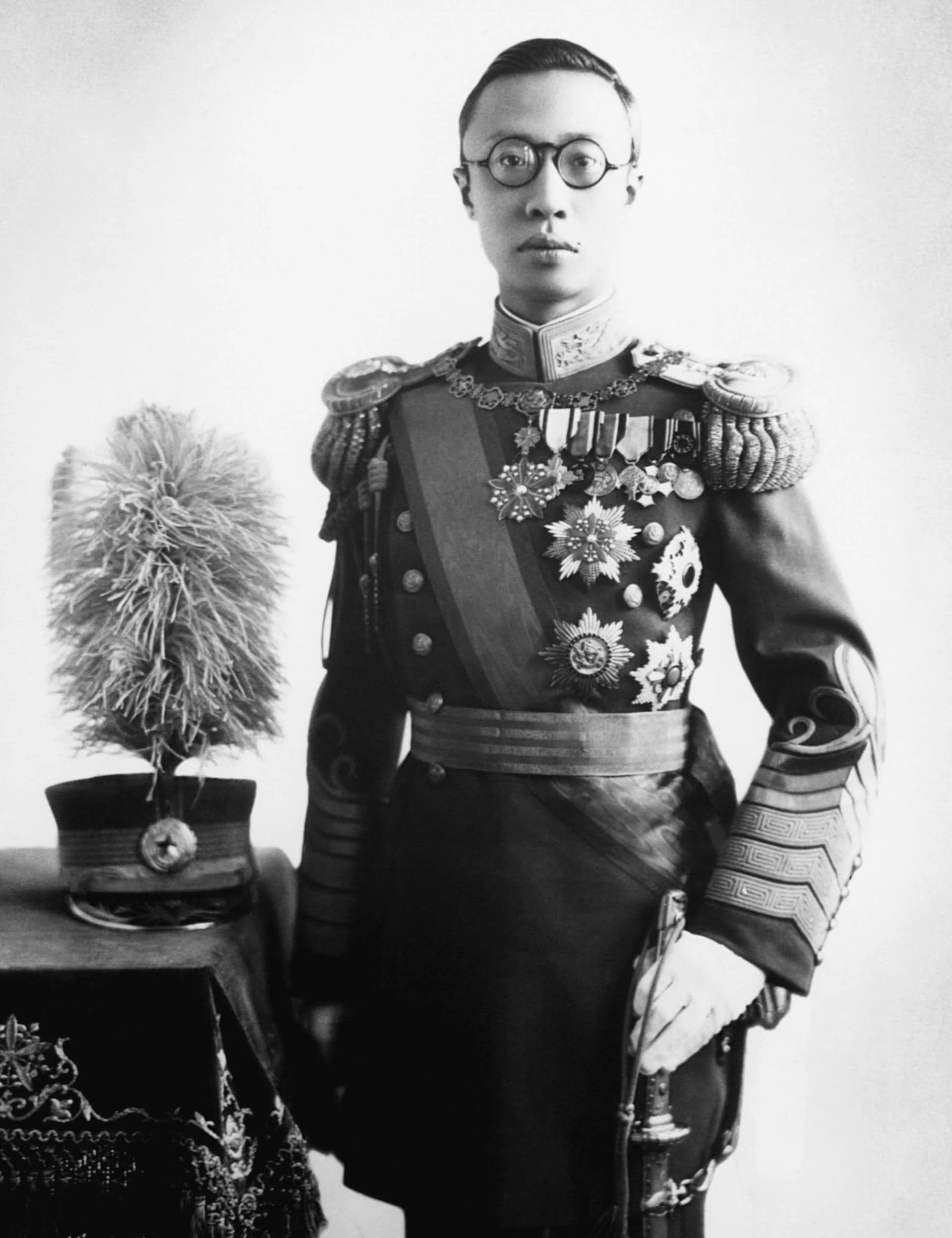
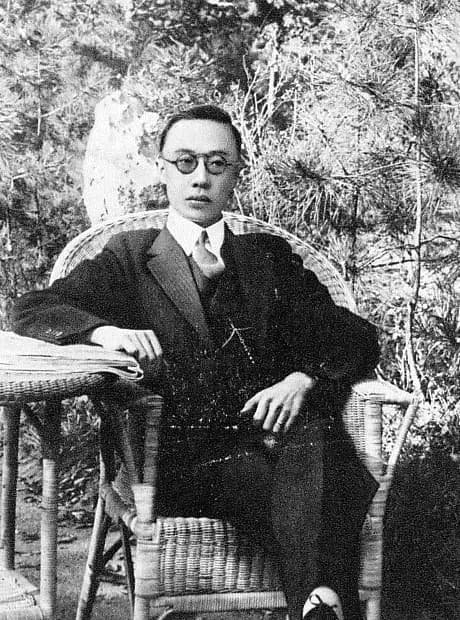
Puyi (February 7, 1906 – October 17, 1967) was the last Emperor of China, a writer, and an archivist. He reigned as the Xuantong Emperor and later as the Kangde Emperor of Manchukuo, chronicling his unique life in his autobiography, "我的前半生." His life story reflects a century of profound change in China.
瞬間の中の人生
人生を形作った瞬間
第0章
人生の章
第1章 · 1906年· 全8章中第1章
Opening
Puyi (February 7, 1906 – October 17, 1967) was an aristocrat, writer, archivist, and gardener, primarily known as the last Emperor of the Qing dynasty and Manchukuo. Born at Prince Chun Mansion in the People's Republic of China, his life journey was marked by profound historical shifts and personal transformations. He passed away at Peking Union Medical College Hospital, also in the People's Republic of China, leaving behind a legacy deeply intertwined with modern Chinese history.
第2章 · 1906年· 全8章中第2章
Early Life and Origins
Born on February 7, 1906, Puyi entered the world at Prince Chun Mansion in what is now the People's Republic of China. As a member of the Qing imperial family, he was thrust into a position of immense historical significance at a very young age. His early life was defined by the opulence and rigid traditions of the imperial court, though this world was already on the brink of collapse.
He was officially known as the Xuantong Emperor, a regnal title used in accordance with Chinese imperial conventions. This early period of his life, though brief, set the stage for a tumultuous existence marked by political upheaval and personal reinvention. His upbringing was one of privilege, contrasted sharply with the later chapters of his life.
第3章 · 1908年· 全8章中第3章
Career Beginnings
Puyi began his imperial reign in 1908 as the eleventh monarch of the Qing dynasty. He held the throne, officially as the Xuantong Emperor, until 1912 when the Xinhai Revolution led to his forced abdication. This event marked the end of over two millennia of imperial rule in China.
Despite his initial abdication, Puyi experienced a brief and temporary return to power in 1917, an attempt at imperial restoration that ultimately failed. This short-lived resurgence underscored the persistent but fading influence of monarchical aspirations in a rapidly changing nation. His early experiences thus defined a period of transition from an ancient imperial system to a modern republic.
第4章· 全8章中第4章
Major Achievements and Career Highlights
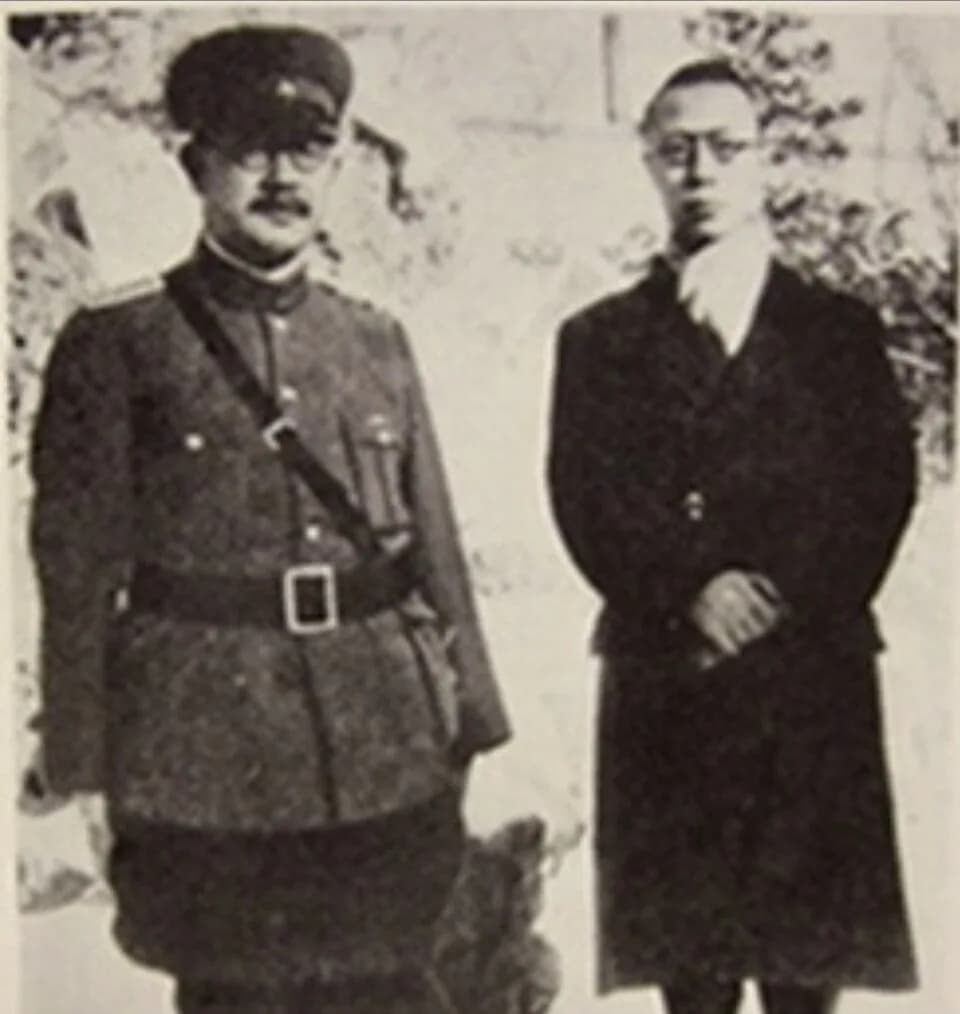
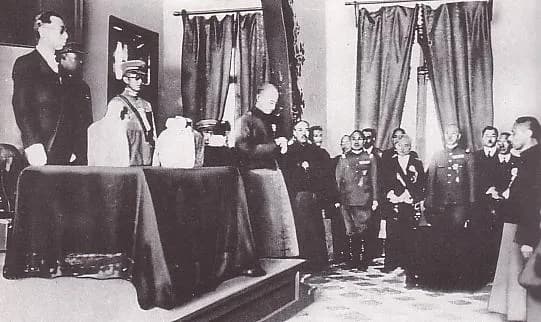
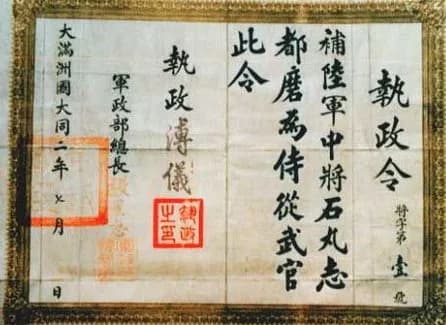
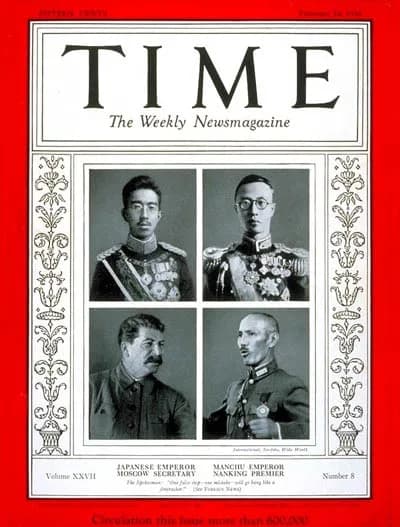
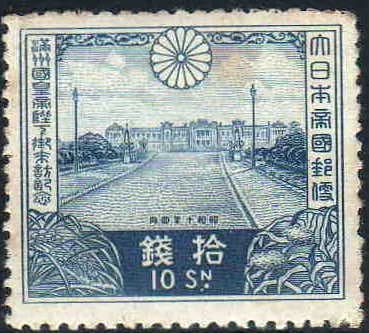
Puyi's most historically significant role was that of the last emperor of China, a position he held at a critical juncture in the nation's history. Beyond his initial reign, he later became known as the Kangde Emperor during his tenure as ruler of Manchukuo. This state was established in Japanese-occupied Manchuria.
His decision to side with Imperial Japan and accept the Manchukuo throne was driven by the hope of regaining his former power as China's emperor. This alliance, however, placed him at the center of international conflict, marking a controversial chapter in his public life. It ultimately led to his post-World War II imprisonment for war crimes.
第5章· 全8章中第5章
Personal Life
Following the end of World War II, Puyi faced over 10 years of imprisonment for war crimes, a stark contrast to his earlier imperial existence. This period of incarceration brought about a dramatic personal transformation, far removed from the lavish court life he once knew. He navigated this challenging time, eventually emerging into a new phase of his life.
Upon his release, Puyi embarked on a quiet life in Beijing, China, where he worked as a gardener for four years. This profession, along with later roles as an archivist and writer, illustrates his re-integration into ordinary society. His personal journey from emperor to citizen became a subject of great public interest and historical scrutiny.
第6章· 全8章中第6章
Notable Works or Contributions
As an autobiographer, Puyi provided invaluable historical insight through his memoir, titled "我的前半生" (Wǒdè Qián Bànshēng). This work, commonly known in English as "From Emperor to Citizen," offers a unique first-person account of a tumultuous era in Chinese history. It is a vital source for understanding the end of imperial rule and the birth of modern China.
The autobiography has been published under various names, including "溥儀日記," "Puyi zi zhuan," "Waga hansei," "Wo de qian ban sheng," "Ma vie," "Mo dai huang di zi zhuan," and "Wo di qian ban sheng," and "Mo tai huang ti." These numerous titles reflect the global interest and diverse translations of his singular life story. Through his writing, Puyi solidified his contribution as a chronicler of his own extraordinary experiences.
第7章· 全8章中第7章
Later Years
After his release from imprisonment, Puyi commenced a quieter existence, notably working as a gardener in Beijing, China. This period, lasting four years, marked a significant departure from his imperial past, allowing him to experience a more ordinary life. He later transitioned into professions as an archivist and writer, utilizing his unique perspective for historical record-keeping.
His final years were spent in the People's Republic of China, until his death on October 17, 1967, at Peking Union Medical College Hospital. These years were characterized by his efforts to adapt to the new political and social realities, far removed from the power struggles that defined his youth. Puyi's life closed in a world completely transformed from the one he was born into.
第8章· 全8章中第8章
Legacy and Impact
Puyi's legacy is inextricably linked to the conclusion of China's imperial era and the dramatic transformations of the 20th century. As the last emperor, he symbolizes the end of a dynastic system that had governed China for millennia. His story reflects the profound challenges and shifts in identity faced by individuals caught in monumental historical changes.
His collaboration with Imperial Japan, his subsequent imprisonment for war crimes, and his later work as a gardener and archivist illustrate a complex historical narrative. Puyi's autobiography, "我的前半生," remains a crucial primary source, offering personal insights into China's journey from empire to republic. His life continues to offer a unique lens through which to view a pivotal period in global history.
年表
人生の概要
- 1906
Opening
- 1906
Early Life and Origins
- 1908
Career Beginnings
写真ギャラリー
写真の中の人生
ポラロイドをクリックして拡大 · 49枚の写真
QRコード
この経歴を共有
印刷して共有
スキャンしてこの経歴ページを訪問。イベント、展示会、教育資料に印刷してご利用ください。