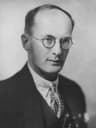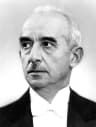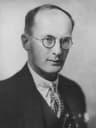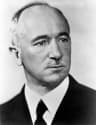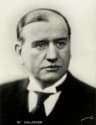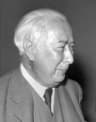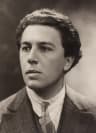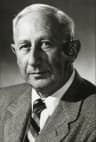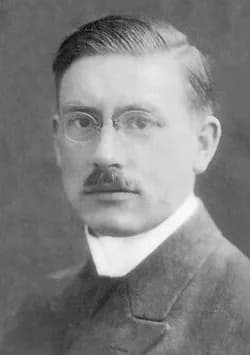
誕生
March 24, 1884
Maastricht, Netherlands
永眠
November 2, 1966
Ithaca, United States
知られていること
Dutch-American physicist and physical chemist
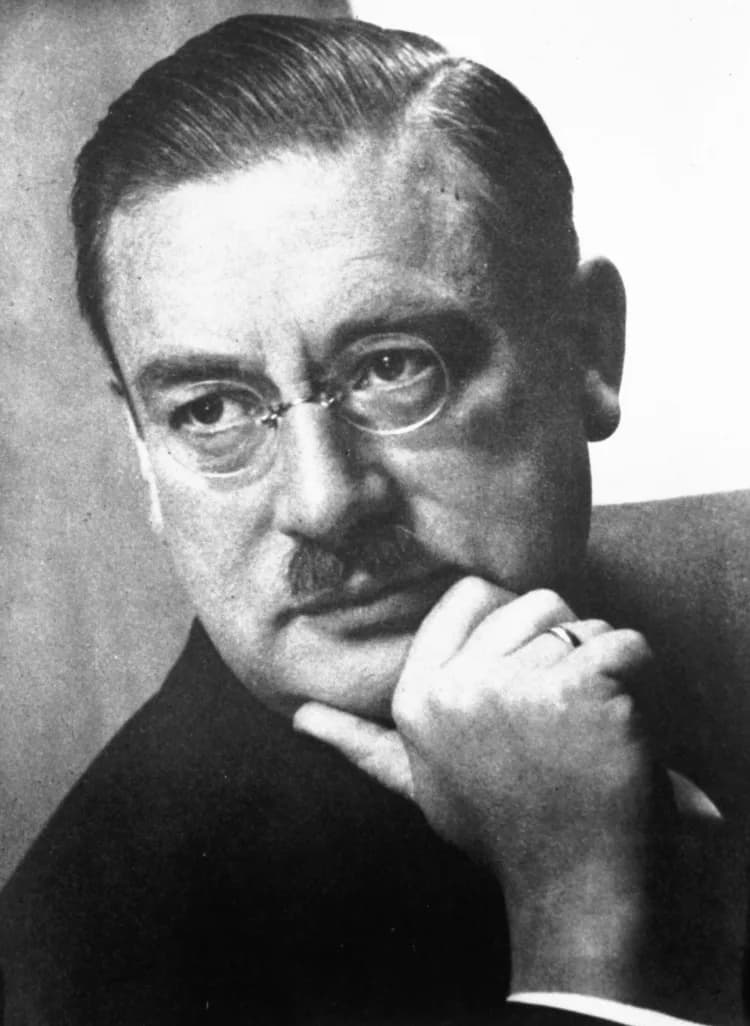
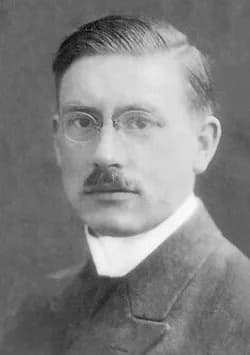
Peter Debye (1884–1966) was Netherlands best known for Dutch-American physicist and physical chemist.
Peter Joseph William Debye (March 24, 1884 – November 2, 1966) was a Dutch-American physicist and physical chemist. He received the 1936 Nobel Prize in Chemistry for his work on molecular structure, particularly dipole moments and X-ray diffraction. His research profoundly advanced the understanding of how molecules are built.
第0章
人生の章
第1章 · 1884年· 全7章中第1章
Opening Tribute
Peter Joseph William Debye (March 24, 1884 – November 2, 1966) was a distinguished Dutch-American physicist and physical chemist whose groundbreaking work profoundly shaped our understanding of molecular structure. A Nobel laureate in Chemistry, his contributions illuminated the intricate world of molecules through innovative experimental and theoretical approaches. His illustrious career spanned multiple scientific disciplines, leaving an enduring legacy in physics and chemistry.
第2章 · 1884年· 全7章中第2章
Early Life and Origins
Born on March 24, 1884, in Maastricht, Netherlands, Peter Debye’s formative years were spent in his native country. This early environment likely fostered the intellectual curiosity and rigorous scientific discipline that would define his later achievements. His Dutch origins provided a foundation for a career that would eventually take him across continents and into the forefront of international scientific discovery.
第3章· 全7章中第3章
Career Beginnings
Debye embarked on a prolific professional journey that saw him recognized across many scientific fields. He was not only a scientist and engineer but also a renowned physicist, chemist, and university teacher. His early endeavors laid the groundwork for his eventual specialization in areas such as crystallography, plasma physics, and theoretical physics, showcasing a truly interdisciplinary mind dedicated to fundamental scientific inquiry.
第4章 · 1936年· 全7章中第4章
Major Achievements and Career Highlights
One of Peter Debye’s most significant recognitions came in 1936 when he was awarded the Nobel Prize in Chemistry. This prestigious honor celebrated his pioneering contributions to our knowledge of molecular structure. Specifically, the Nobel Committee recognized his investigations on dipole moments and on the diffraction of X-rays and electrons in gases.
His work on dipole moments provided crucial insights into the electrical properties of molecules, revealing how charge distribution influences molecular behavior. Concurrently, his research into the diffraction patterns produced by X-rays and electrons passing through gases offered a powerful method for determining the atomic arrangements within molecules. These advancements collectively revolutionized the study of molecular architecture, enabling scientists to visualize and understand the microscopic world with unprecedented clarity.
第5章· 全7章中第5章
Notable Works or Contributions
Peter Debye's extensive scientific output is reflected in his academic publications, which include at least 19 papers. His h-index of 3 indicates the significant influence and citation of his primary research. These works collectively demonstrated his commitment to exploring the physical and chemical properties of matter at a fundamental level.
Among his significant contributions were his 1963 work, “Lectures in materials science,” which served as an important resource for students and researchers. Another key publication from the same year was “STRUCTURE DETERMINATION BY RADIATION SCATTERING: Based on the Priestley Medal Address given before the 144th National Meeting of the American Chemical Society, April 1, 1963,” showcasing his continued engagement with foundational methods in chemistry. Additionally, his 1957 paper, “How Giant Molecules are Measured,” further highlighted his expertise in polymer science and the characterization of large molecules.
第6章 · 1966年· 全7章中第6章
Later Years
Peter Debye transitioned to the United States later in his life, where he continued his scientific pursuits and left an impact on the academic community. He passed away on November 2, 1966, in Ithaca, United States, at the age of 82. His passing marked the end of a prolific career that spanned several decades and contributed immeasurably to the scientific understanding of his era.
第7章· 全7章中第7章
Legacy and Impact
The legacy of Peter Debye is firmly established through his foundational theories and experimental techniques. His work on dipole moments and radiation scattering remains central to modern physical chemistry and materials science. The methods he pioneered are still routinely employed today to unravel the complexities of molecular architecture and behavior.
As a Dutch-American physicist and physical chemist, Debye's intellectual contributions continue to inspire new generations of scientists. His insights provided the groundwork for numerous subsequent discoveries and represent a lasting contribution to scientific knowledge, underscoring his permanent place in the annals of chemistry and physics.
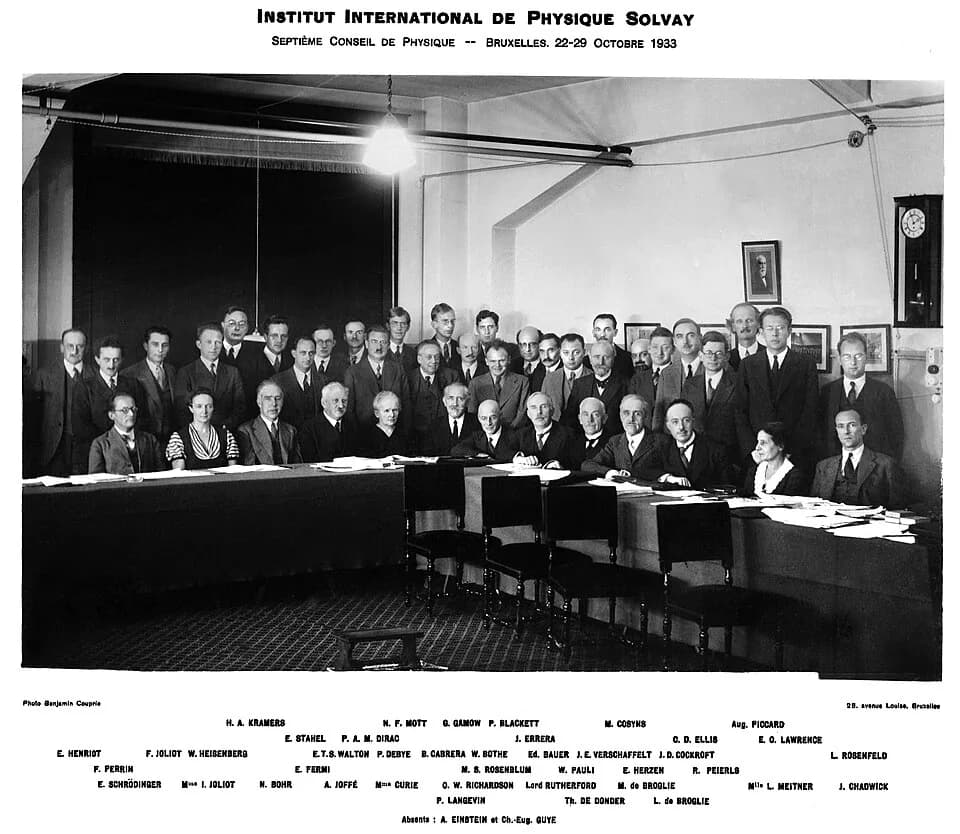
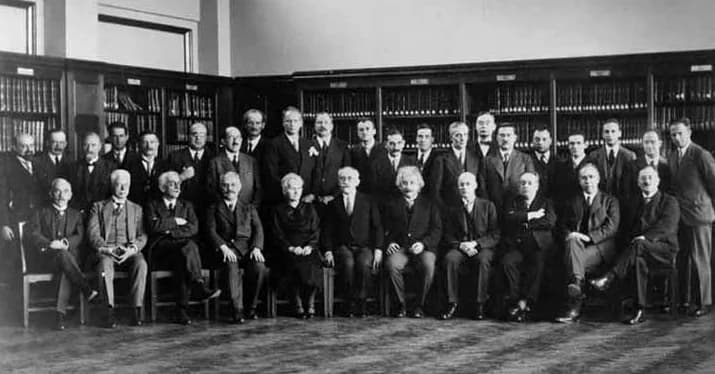
瞬間の中の人生
人生を形作った瞬間
FAQ
よくある質問
Peter Debyeはいつ亡くなりましたか?
Peter Debyeは1966年11月2日にIthaca, United Statesで亡くなりました(享年82歳)。
Peter Debyeはどこで生まれましたか?
Peter Debyeは1884年3月24日にMaastricht, Netherlandsで生まれました。
Peter Debyeは何で最もよく知られていますか?
Peter DebyeはDutch-American physicist and physical chemistで最もよく知られています。
Peter Debyeは何歳で亡くなりましたか?
Peter Debyeは亡くなった時82歳でした。
Peter Debyeの国籍はどこですか?
Peter DebyeはNetherlandsの出身です。
年表
人生の概要
写真ギャラリー
写真の中の人生
ポラロイドをクリックして拡大 · 22枚の写真
QRコード
この経歴を共有
印刷して共有
スキャンしてこの経歴ページを訪問。イベント、展示会、教育資料に印刷してご利用ください。