誕生
January 7, 1916
Narva, Estonia
永眠
June 5, 1975
Helsinki, Finland
知られていること
Estonian chess player and sportsperson
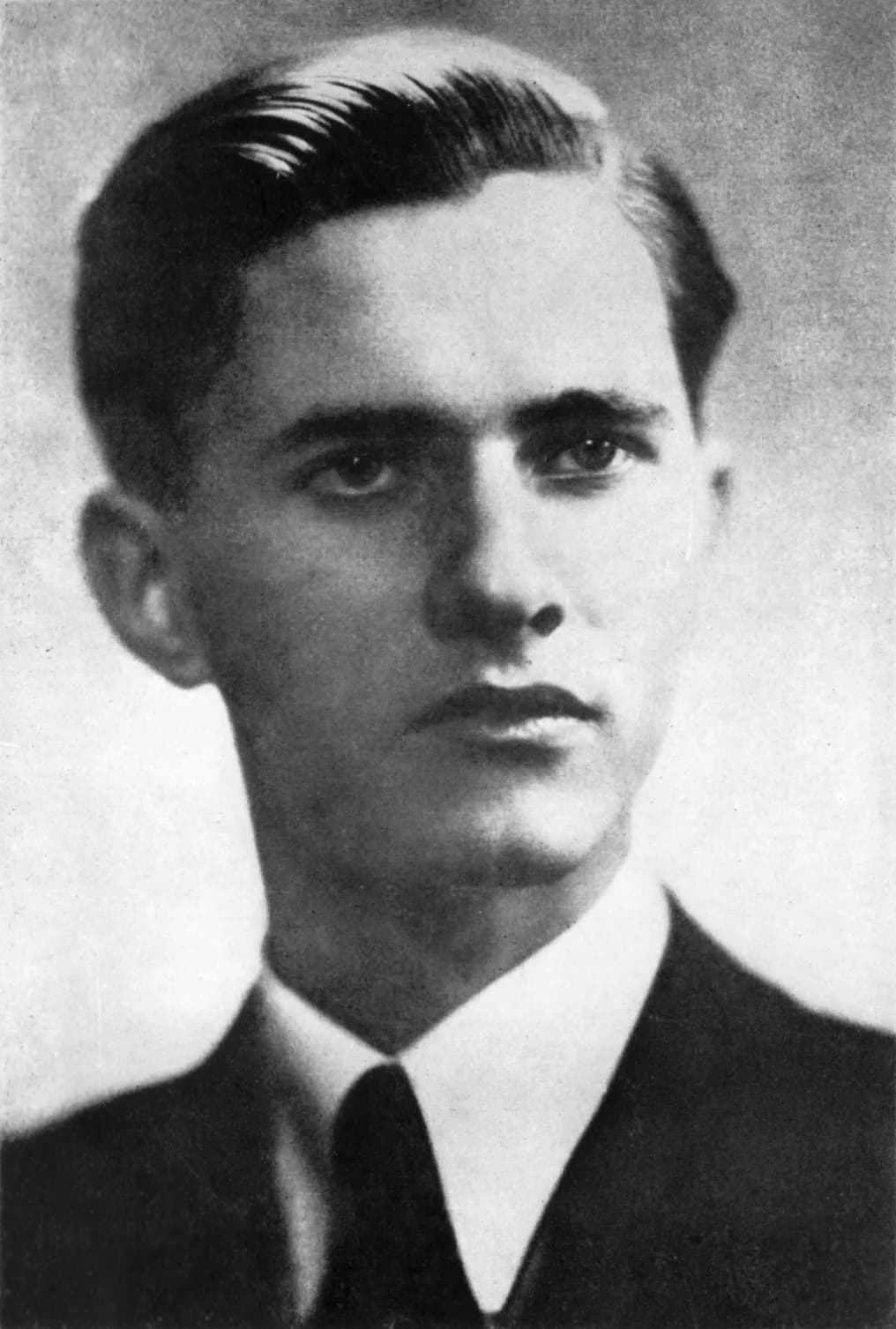
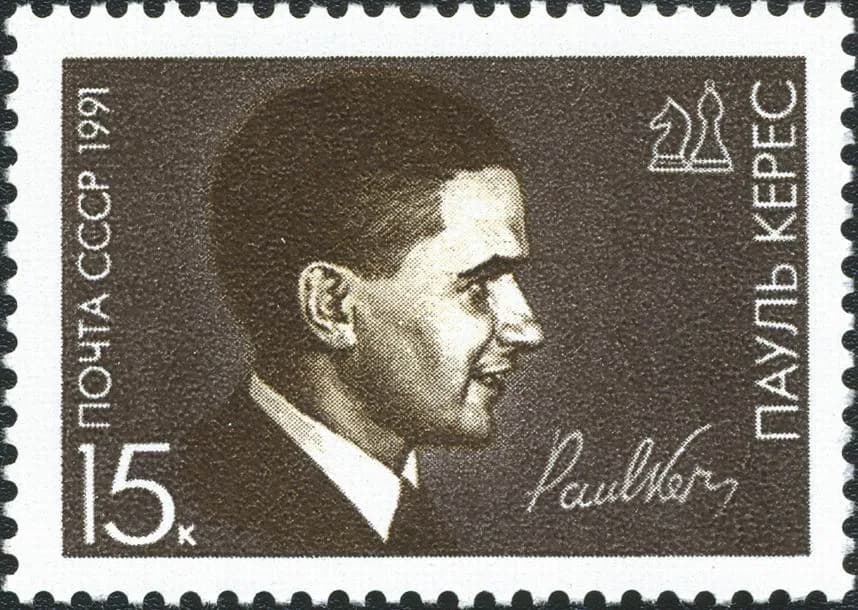
Paul Keres (1916–1975) was Estonia best known for Estonian chess player and sportsperson.
Paul Keres (January 7, 1916 – June 5, 1975) was an Estonian chess grandmaster and sportsperson. He was a top player globally for thirty years and a prolific writer on chess. Keres famously missed a World Championship match five times, leaving a lasting impact on the game and inspiring generations of players.
第0章
人生の章
第1章 · 1916年· 全8章中第1章
Opening
Paul Keres (January 7, 1916 – June 5, 1975) was an esteemed Estonian chess player and sportsperson, also recognized as a talented chess composer and a prolific non-fiction writer. He stood among the world's leading chess players for an impressive three decades, dominating the competitive scene from the mid-1930s through the mid-1960s. Keres left an enduring mark on the global chess community, often celebrated for his brilliant play, even as he famously and narrowly missed a World Chess Championship match on five distinct occasions.
第2章 · 1916年· 全8章中第2章
Early Life and Origins
Paul Keres was born on January 7, 1916, in Narva, Estonia, a historic city that provided the backdrop for his formative years. His early life unfolded during a period of significant political and social transformation for Estonia, influencing the environment in which he grew. It was in this setting that Keres cultivated his extraordinary passion for chess, a pursuit that would ultimately define his entire life and global career.
第3章· 全8章中第3章
Career Beginnings
Keres rapidly ascended through the demanding ranks of the chess world, quickly establishing himself as an exceptionally formidable talent by the mid-1930s. His early career was characterized by remarkable skill, innovative strategic depth, and a competitive drive that propelled him into the global elite. This swift and impressive rise marked the auspicious beginning of what would become a long, distinguished, and internationally recognized career in professional chess.
第4章 · 1941年· 全8章中第4章
Major Achievements and Career Highlights
Paul Keres maintained his status as a dominant figure in chess for an impressive span of three decades, consistently performing at the highest echelons of the sport from the mid-1930s to the mid-1960s. He demonstrated unparalleled consistency and strategic brilliance, proving his immense skill against the most formidable players worldwide. Despite his sustained top-tier performance, a poignant aspect of his career was his fate of narrowly missing a chance at the coveted World Chess Championship match on five separate occasions, a truly unique and often discussed distinction in the annals of chess history. The tumultuous circumstances of World War II presented profoundly difficult and unique challenges for Keres, as Estonia endured repeated invasions and occupations. These geopolitical realities regrettably forced him, by circumstance, to represent both the Soviet Union and Nazi Germany between 1941 and 1944 in various international tournaments, highlighting the extraordinary pressures he faced while pursuing his passion for the game.
第5章· 全8章中第5章
Personal Life
Information specifically concerning Paul Keres's personal life, beyond his unparalleled professional commitments and celebrated chess achievements, is not extensively detailed within the provided biographical materials. His life's journey and public identity were predominantly shaped and defined by his extraordinary dedication to his multifaceted career as a world-class chess player, a respected composer of chess problems, and an influential writer on the subject. Therefore, insights into his family life, personal relationships, or non-chess interests remain largely outside the scope of the available records.
第6章 · 1939年· 全8章中第6章
Notable Works or Contributions
Beyond his celebrated prowess at the chessboard, Paul Keres was a remarkably prolific and influential chess writer and composer, making substantial and lasting contributions to chess literature and theory. His extensive bibliography includes several highly regarded and insightful titles, such as "How to Open a Chess Game," which has long served as an invaluable foundational resource for countless aspiring and seasoned players alike. He meticulously chronicled specific historical matches, notably exemplified by his detailed work, "The 14 games played in the match between Paul Keres and Max Euwe (Holland, 1939/40) with notes from various sources," offering a historical perspective on significant encounters. Keres also provided profound insights into his own strategic genius and tactical artistry with "Keres' best games of chess, 1931-1948," allowing readers a unique window into his playing philosophy. His seminal work "Art of the Middle Game" stands as a cornerstone for deep tactical and strategic instruction, guiding players through this crucial phase of a chess game. Other significant publications by Keres include "Maleaabits," an essential primer, and "Schönheit der Kombination" (Beauty of Combination), showcasing his appreciation for tactical elegance. He further documented major events with "Match-turnir na pervenstvo mira po shakhmatam, Gaaga-Moskva, 1948 g." and explored contemporary giants in "4 x 25 : Robert Fischer, Boriss Spasski, Viktor Korts̄noi, Bent Larsen." His literary output also extended to historical analyses such as "The early games of Paul Keres - grand masters of chess" and practical instructional guides like "El Camino Hacia La Cumbre" (The Road to the Summit), collectively demonstrating his comprehensive and enduring impact on chess education, theory, and historical documentation.
第7章 · 1975年· 全8章中第7章
Later Years
Paul Keres continued to maintain a significant and respected presence within the international chess community through the mid-1960s, a testament to his enduring skill and passion for the game. Although he had already cemented his reputation as a top player for many decades, the later part of his distinguished career saw him persist in contributing valuable insights to the game, both through continued competitive play and through his influential writings. He ultimately passed away on June 5, 1975, in Helsinki, Finland, leaving behind a truly profound and indelible legacy in the sport to which he had so passionately dedicated his extraordinary life.
第8章· 全8章中第8章
Legacy and Impact
Paul Keres's legacy as an iconic Estonian chess grandmaster is undeniably immense, far-reaching, and enduringly celebrated across the globe. He is fondly remembered not only for his exceptional skill and strategic brilliance as a player, who consistently contended at the very highest levels of competitive chess for an unparalleled thirty years, but also for his equally significant and invaluable literary contributions to chess theory, education, and instruction. His remarkable consistency, his captivating playing style, and his poignant near-championship success served as a powerful inspiration for countless generations of chess players worldwide, firmly solidifying his revered place among the game's true and legendary figures. Furthermore, the unique and challenging geopolitical circumstances he bravely navigated during World War II, where he was compelled by circumstance to represent different nations, further underscore a distinctive and complex aspect of his storied career, highlighting his extraordinary resilience, adaptability, and unwavering commitment to the strategic art of chess.
瞬間の中の人生
人生を形作った瞬間
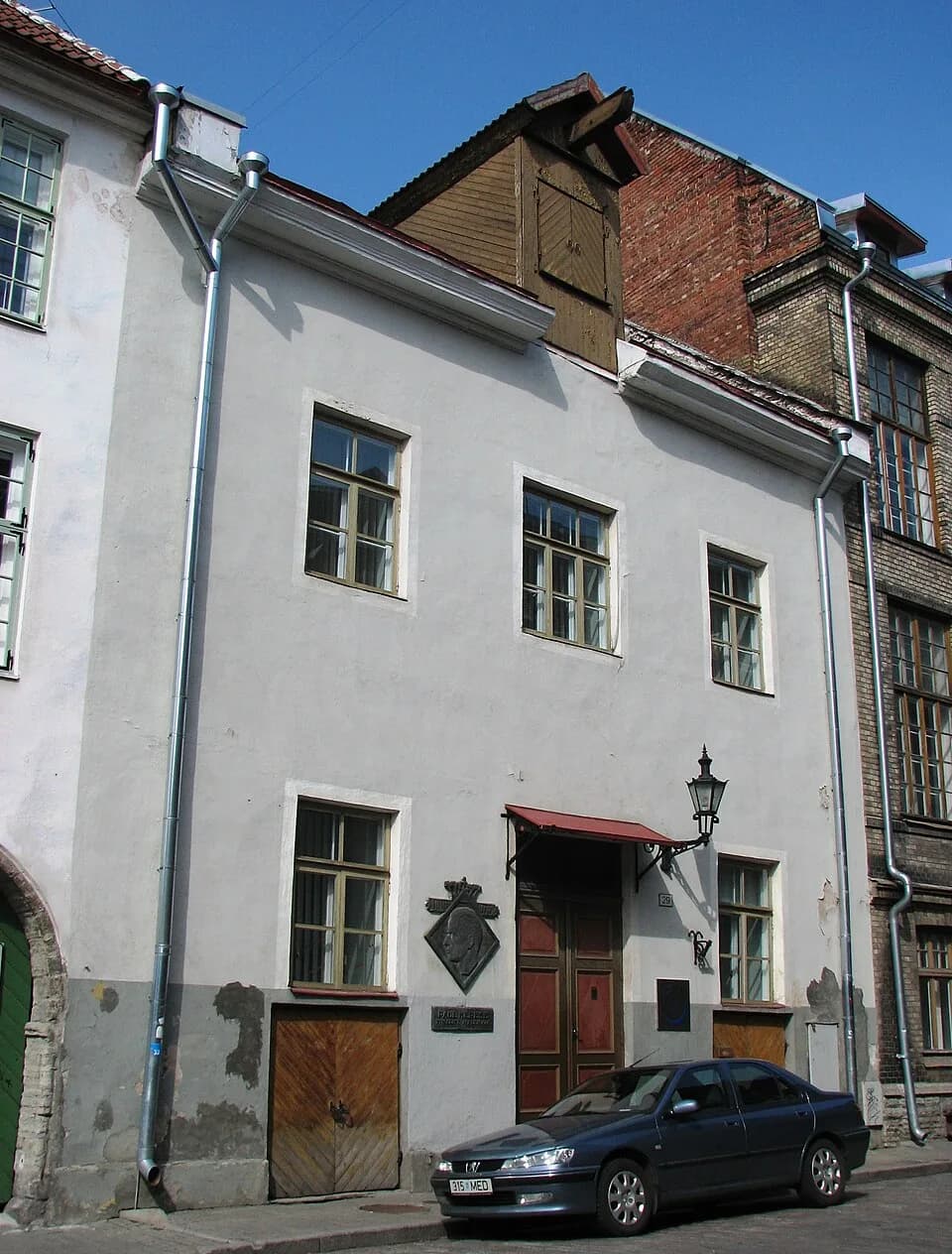
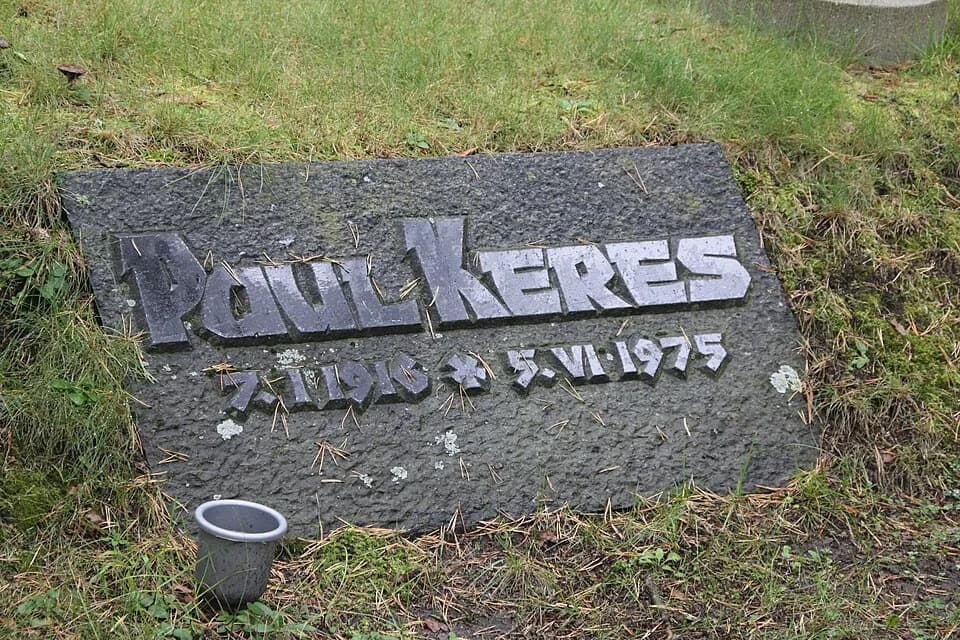
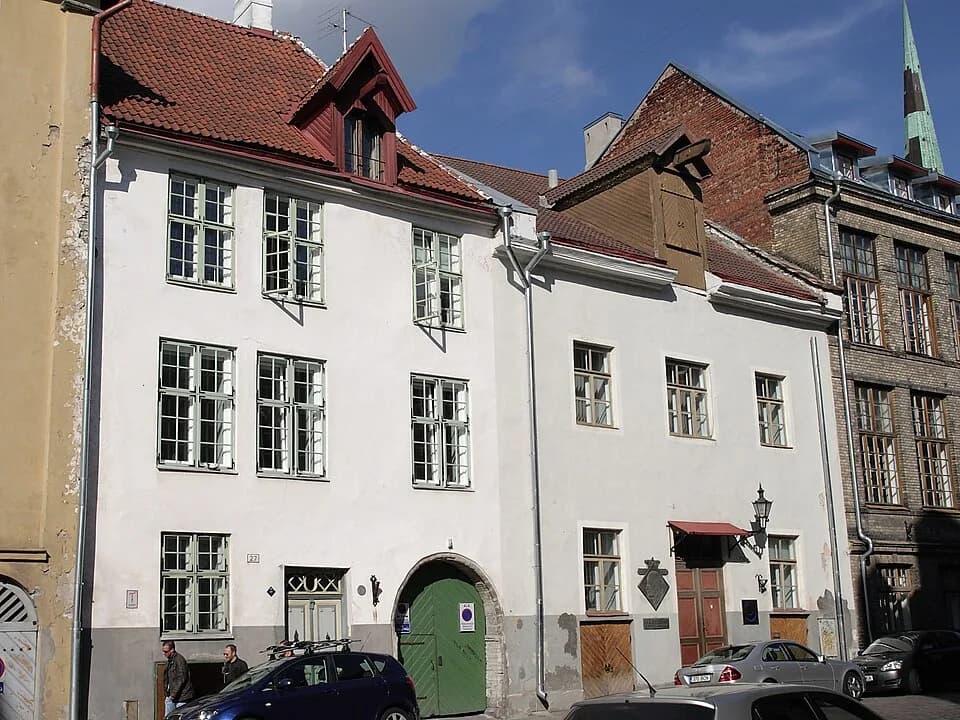
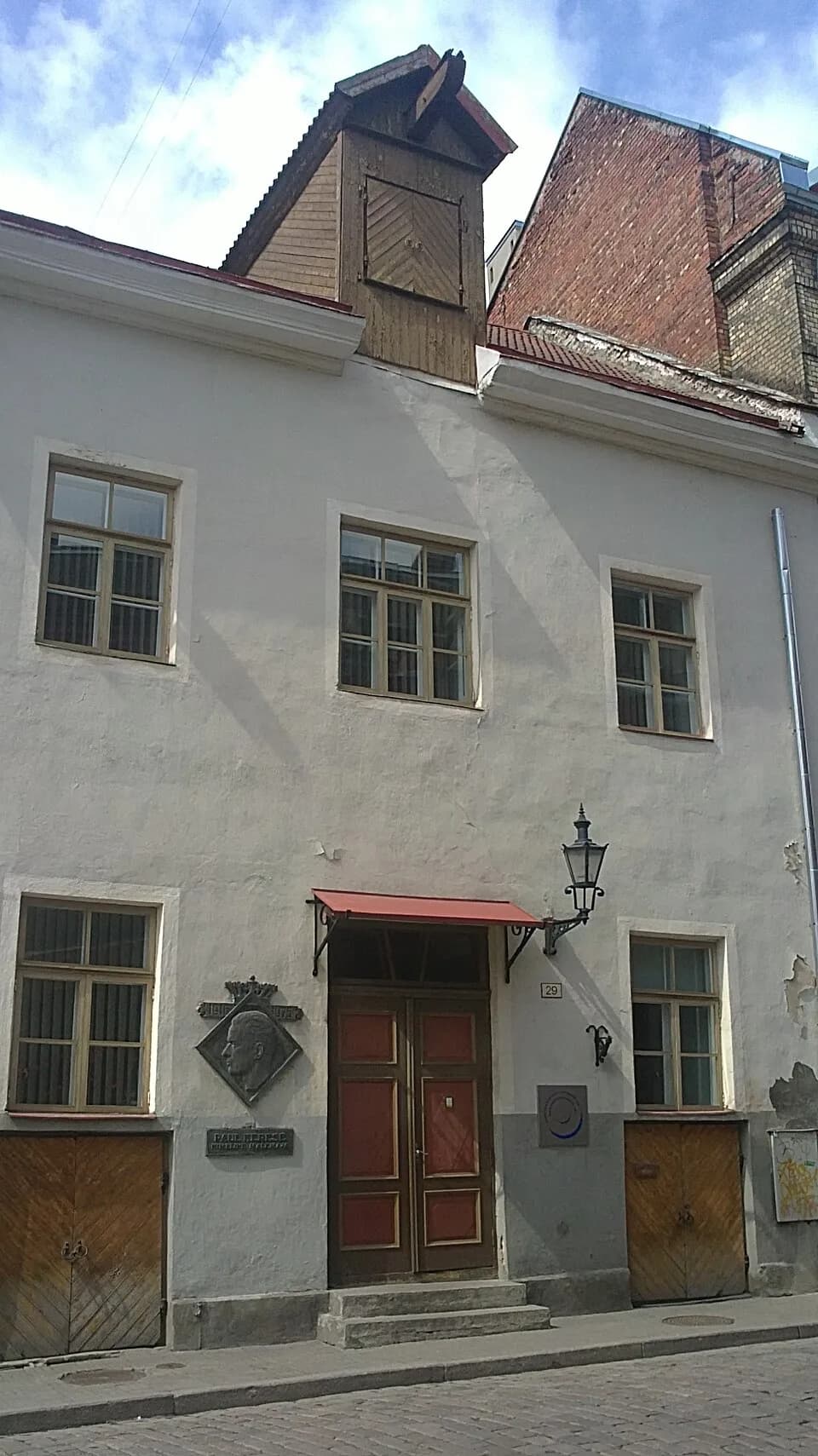
FAQ
よくある質問
Paul Keresはいつ亡くなりましたか?
Paul Keresは1975年6月5日にHelsinki, Finlandで亡くなりました(享年59歳)。
Paul Keresはどこで生まれましたか?
Paul Keresは1916年1月7日にNarva, Estoniaで生まれました。
Paul Keresは何で最もよく知られていますか?
Paul KeresはEstonian chess player and sportspersonで最もよく知られています。
Paul Keresは何歳で亡くなりましたか?
Paul Keresは亡くなった時59歳でした。
Paul Keresの国籍はどこですか?
Paul KeresはEstoniaの出身です。
写真ギャラリー
写真の中の人生
ポラロイドをクリックして拡大 · 25枚の写真
QRコード
この経歴を共有
印刷して共有
スキャンしてこの経歴ページを訪問。イベント、展示会、教育資料に印刷してご利用ください。