誕生
December 26, 1872
Holbeach, United Kingdom
永眠
October 7, 1967
Croydon, United Kingdom
知られていること
British politician
Norman Angell (1872–1967) was United Kingdom best known for British politician.
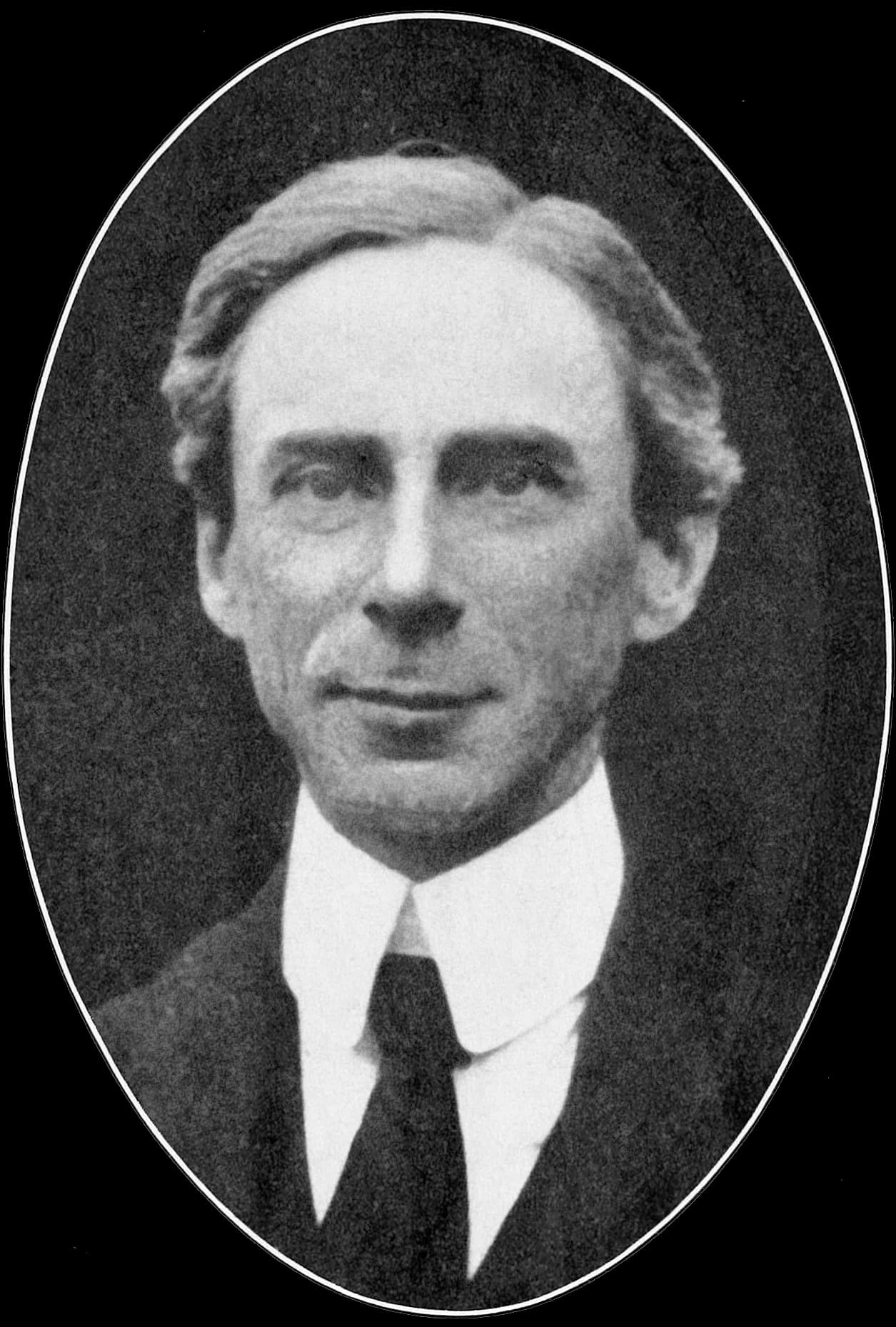
Sir Ralph Norman Angell (December 26, 1872 – October 7, 1967) was a British politician, writer, and Nobel Peace Prize laureate. He was known for his arguments that modern economic interdependence made war irrational and self-defeating. His profound insights significantly shaped discussions on international cooperation and peace.
瞬間の中の人生
人生を形作った瞬間
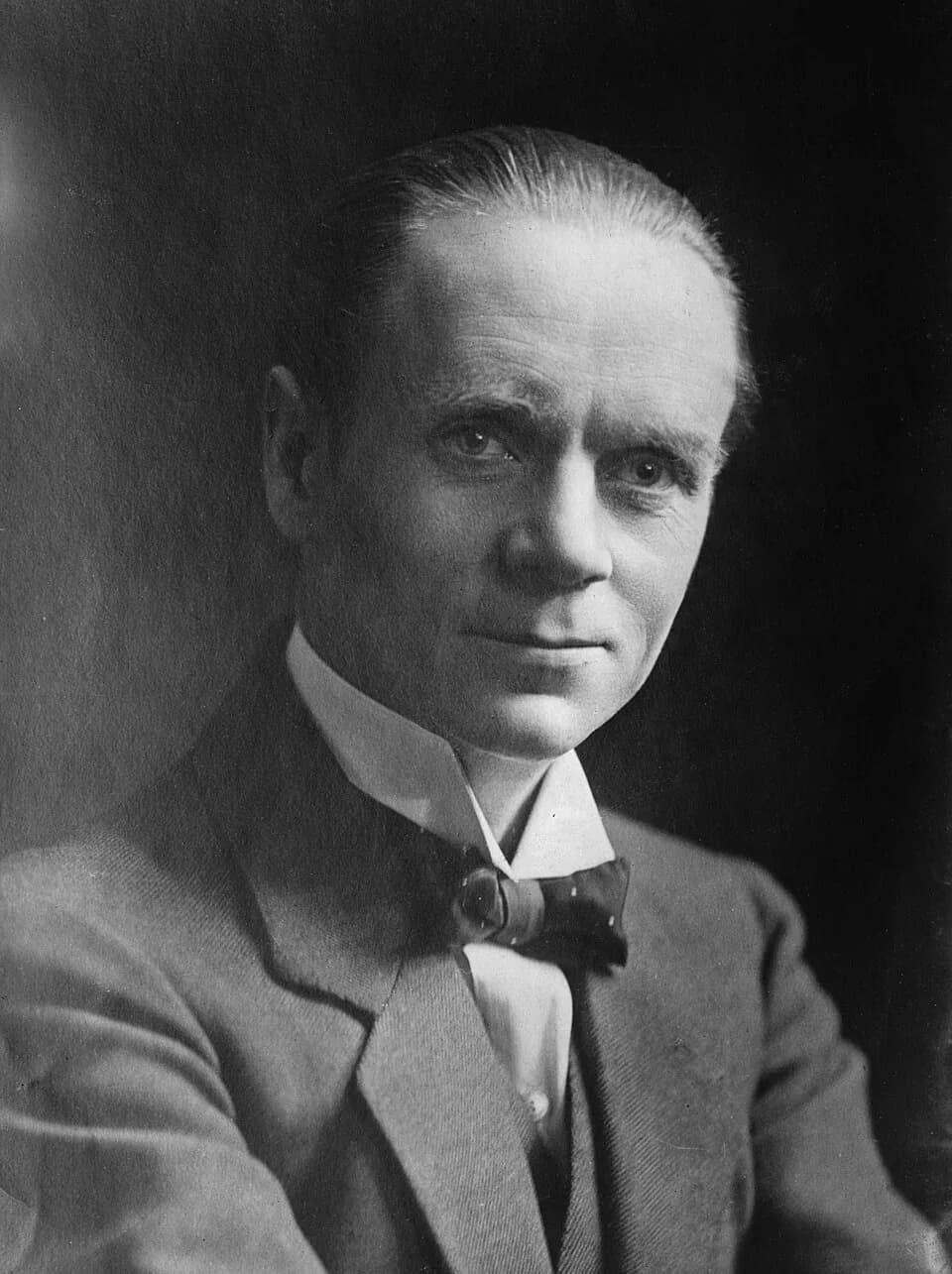
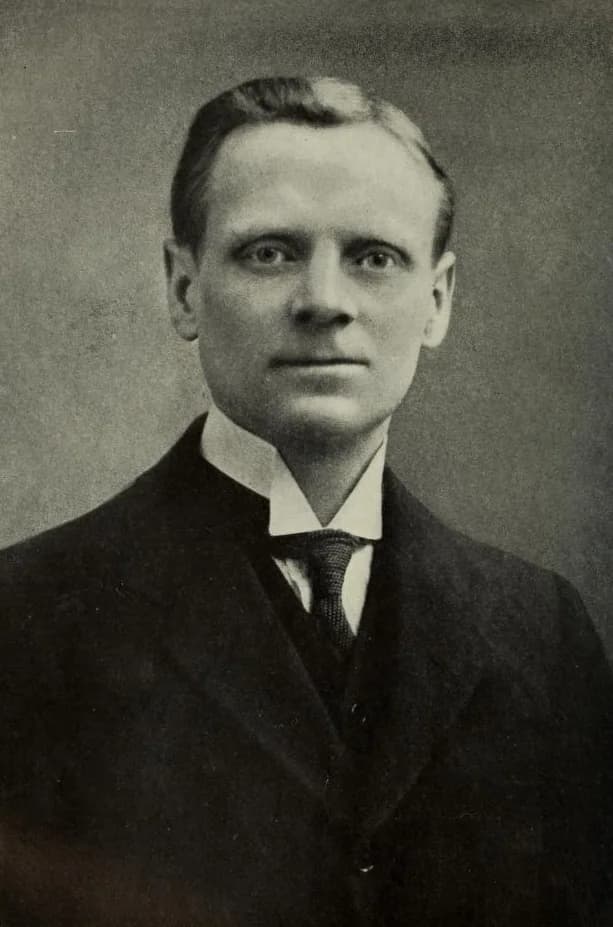

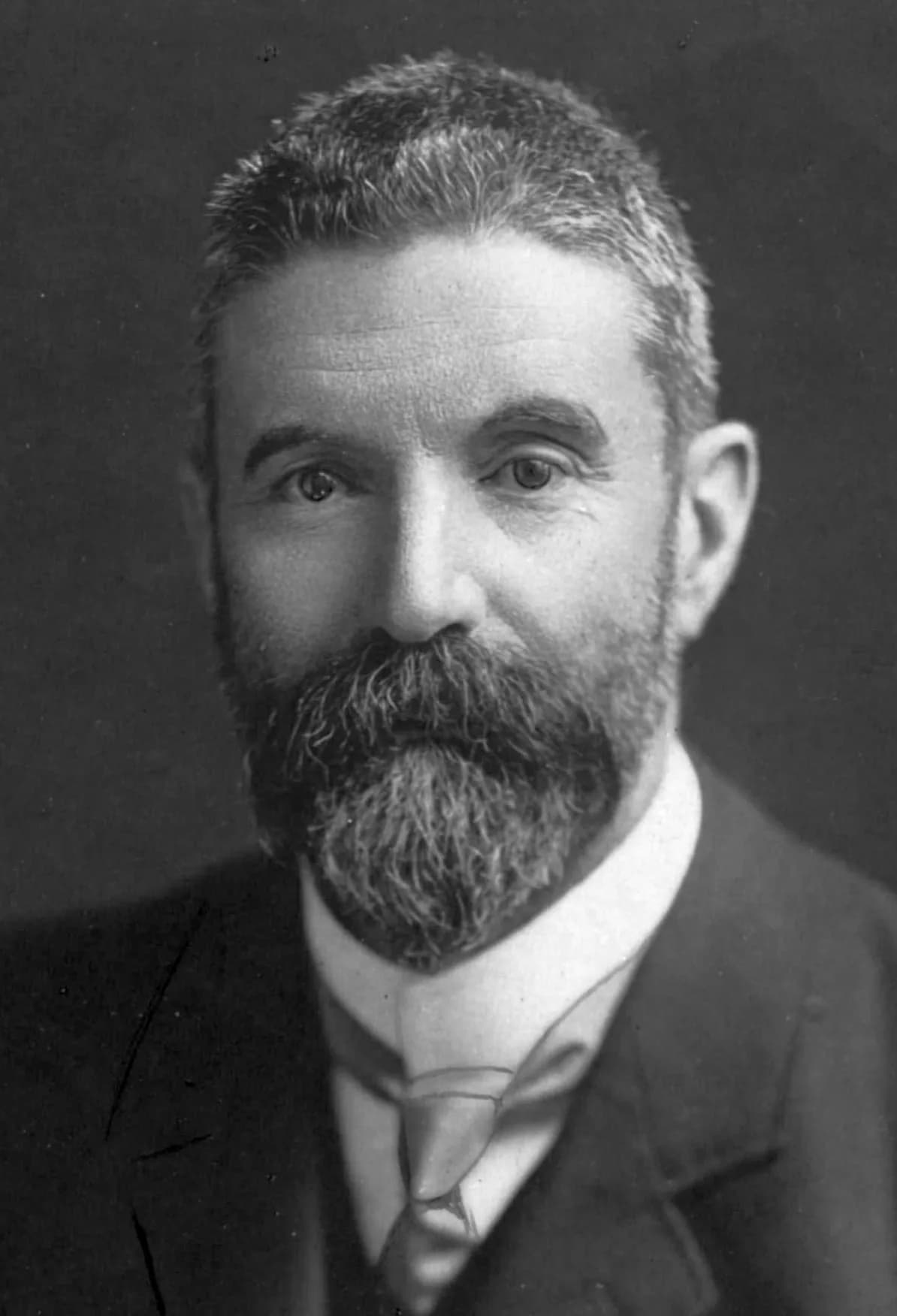
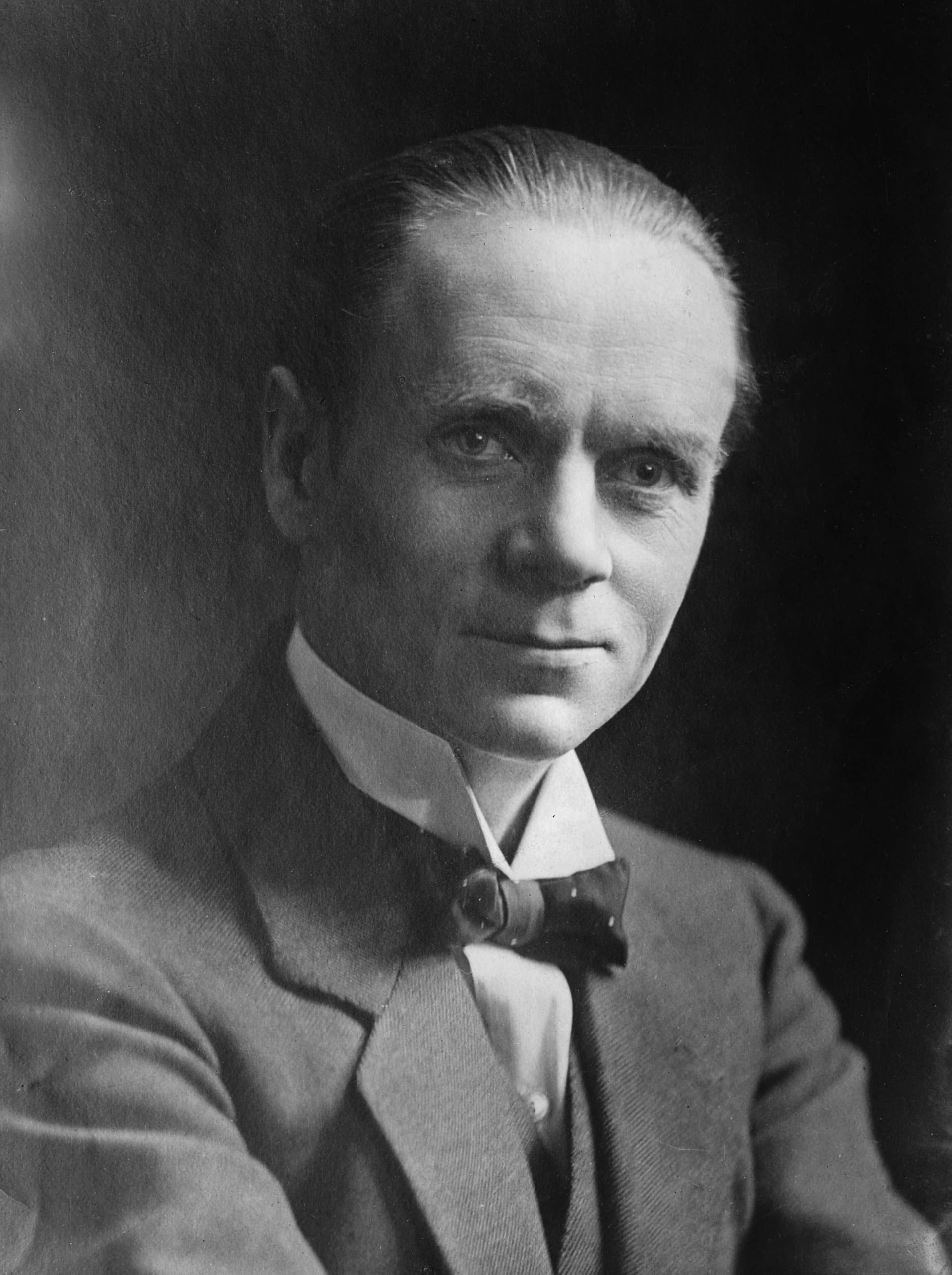
![Norman Angell - Bain News Service,, publisher.
Norman Angell
[between ca. 1915 and ca. 1920]
1 negative : glass ; 5 x 7 in. or smaller.
Notes:
Title from unverified data provided by the Bain News Ser](/_next/image?url=https%3A%2F%2Fcdn.whowasthisguy.com%2Fgallery_wikimedia_commons_1779972366373_4_6be6a72913.webp&w=1920&q=75)
第0章
人生の章
第1章 · 1872年· 全7章中第1章
Opening Paragraph
Sir Ralph Norman Angell (1872 – 1967) was a distinguished British figure, renowned as a writer, politician, economist, pedagogue, political scientist, lecturer, and journalist. Born in Holbeach and later passing in Croydon, Angell dedicated his intellectual prowess to dissecting the mechanisms of international relations and advocating for peace. His profound insights into the economic realities of the modern world earned him the Nobel Peace Prize in 1933, marking him as a pivotal voice in the early 20th-century peace movement.
Angell's lifelong pursuit of peace was anchored in his powerful writings, which consistently argued that modern economic interdependence rendered war irrational and ultimately self-defeating. His work challenged prevailing assumptions about national power and conflict, illuminating how globalized economies meant that military conquest offered no true economic advantage. Instead, he persuasively demonstrated that conflict led to widespread detriment for all involved, a message that profoundly influenced international thought.
第2章 · 1872年· 全7章中第2章
Early Life and Origins
Norman Angell was born Ralph Norman Angell on December 26, 1872, in the town of Holbeach, located in the United Kingdom. His early life in Holbeach provided the initial backdrop for a career that would ultimately span decades and significantly influence international thought. While specific details of his upbringing are not extensively documented, his intellectual journey clearly prepared him for his diverse professional roles, laying the foundation for his future contributions to global peace.
The turn of the century brought immense change and mounting international tensions, circumstances that undoubtedly shaped Angell's emerging worldview. His early experiences likely instilled in him a keen sense of observation and a desire to understand the underlying forces driving societal and political structures. These formative years, though not widely detailed, were instrumental in cultivating the analytical mind that would later produce such influential works on international relations.
第3章· 全7章中第3章
Career Beginnings
Angell began his illustrious career as a journalist, a profession that allowed him to articulate complex ideas to a broad audience. This role honed his ability to communicate compelling arguments with clarity and precision, a skill he would later employ with great effect as a lecturer and author. His early engagements in journalism provided a crucial platform for developing his distinct views on international policy and the nature of conflict, enabling him to reach a wide readership.
Through his journalistic endeavors, Angell transitioned into a lecturer, sharing his insights directly with various groups and further refining his arguments. This period saw him evolve into an economist and political scientist, deeply engrossed in understanding the intricate connections between nations. His early professional path laid the groundwork for his later work, allowing him to seamlessly integrate his findings into a powerful narrative for peace.
第4章· 全7章中第4章
Major Achievements and Career Highlights
A defining achievement in Angell's career was his election as a Member of Parliament for the Labour Party, where he brought his intellectual rigor directly to the political arena. His parliamentary service allowed him to advocate for his principles of peace and cooperation within the British government itself, influencing policy discussions from within. This role provided a unique opportunity to translate his theoretical arguments into practical political action, working towards a more stable international environment.
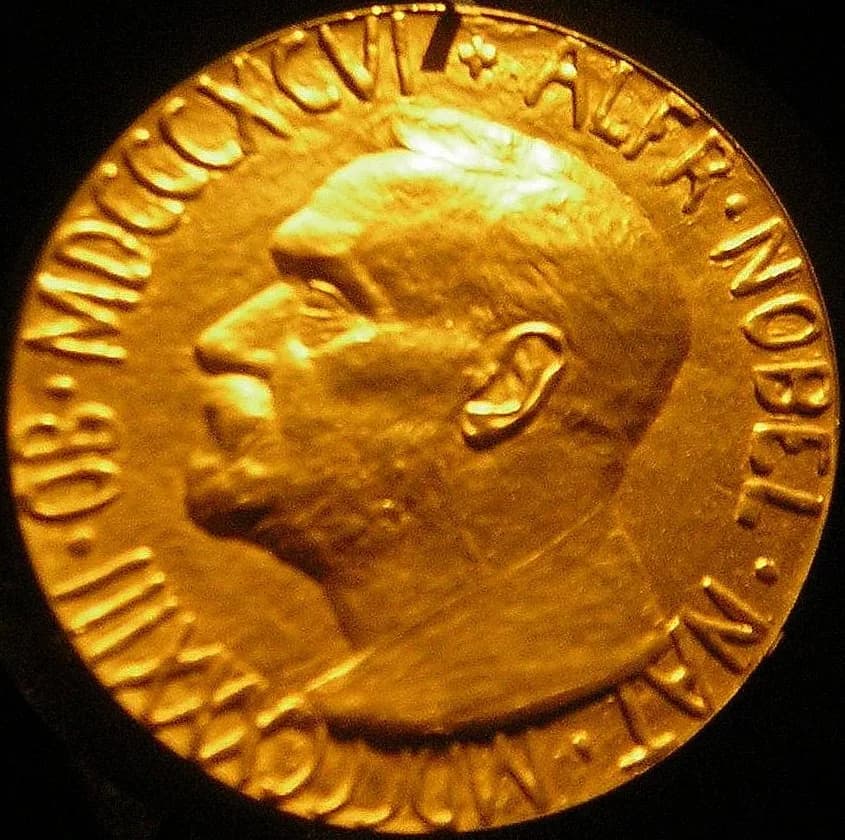
The pinnacle of his recognition came in 1933 when he was awarded the Nobel Peace Prize for his sustained and impactful efforts to promote peace. The Nobel Committee specifically honored him for "having exposed by his pen the illusion of war and presented a convincing plea for international cooperation and peace." This prestigious award underscored the global significance of his work and the profound influence of his written contributions to the cause of peace.
Angell’s arguments, particularly those emphasizing that modern economic interdependence made war irrational and self-defeating, represented a paradigm shift in international thought. He consistently argued that military conquest offered no true economic advantage in an age of intricate global trade and finance, instead leading to universal economic disruption. This message, disseminated through countless writings and lectures, challenged deeply entrenched militaristic viewpoints and championed a new era of understanding and collaboration among nations.
第5章 · 1909年· 全7章中第5章
Notable Works or Contributions
Sir Norman Angell's literary output was extensive and profoundly influential, with his core ideas often encapsulated in his numerous books and articles. His most celebrated work, 'The Great Illusion: A Study of the Relation of Military Power in Nations to Their Economic and Social Advantage,' originally published in 1909 and later re-issued in 2010, became a cornerstone of the burgeoning peace movement of the early 20th century. This seminal text meticulously laid out the argument that war, particularly among industrialized nations, was a fundamentally futile endeavor, offering no genuine long-term benefits to the aggressor.
In 'The Great Illusion,' Angell challenged the deeply ingrained belief that military power was the ultimate guarantor of national prosperity and security. He asserted that in an increasingly interconnected global economy, the traditional spoils of war—territory, resources, and tribute—no longer translated into meaningful economic advantage. Instead, conflict invariably disrupted trade, credit, and industrial production, leading to widespread economic detriment for all parties involved, including the supposed victors.
Angell contended that the prosperity of one nation was inextricably linked to the prosperity of others, rendering military conquest economically destructive for all participants. He argued that the financial systems of European nations were so interdependent that any major conflict would inevitably trigger a collapse from which no nation could truly benefit. This analysis provided a rational, rather than purely moral, basis for advocating against war, appealing directly to the self-interest of nations.
The profound impact of 'The Great Illusion' stemmed from its clear, logical exposition of these complex economic realities. It was not merely an emotional plea for peace, but a rigorous, evidence-based argument that resonated with many who sought an alternative to the prevailing militaristic thinking of the time. The book's thesis significantly contributed to the intellectual framework for understanding international cooperation and the futility of armed conflict in a globalized world, making it a foundational text for peace studies.
Beyond this foundational work, Angell produced a substantial bibliography addressing various facets of international relations and peace. Titles such as 'Europas synvilla' and 'Die Grosse Täuschung' (The Great Deception) translated his core ideas for different audiences, extending his influence across continents and diverse linguistic communities. He also engaged with specific geopolitical issues, demonstrated by works like 'Germany and the Rhineland,' showing his commitment to applying his theories to real-world challenges and ongoing political debates.
His writings continually evolved with the times, as seen in 'The great illusion--now,' a later revisiting of his initial argument in light of contemporary events, and 'Shall this war end German militarism?,' which tackled urgent questions of his era. Angell's dedication to practical solutions for peace was evident in books like 'From Chaos to Control' and 'The intelligent man's way to prevent war,' which offered frameworks for achieving lasting stability. These works positioned him not just as a theorist but as a guide for public understanding and policy formulation, making his insights accessible to a broader audience.
As a dedicated pedagogue and political scientist, Angell also made significant contributions to academic discourse. His h-index of 10, supported by 98 papers, reflects a consistent engagement with scholarly inquiry and a measurable impact within his field. Among his top academic works was 'Europe's Optical Illusion' (re-issued 2015), a precursor to his most famous book, which garnered 13 citations and explored similar themes regarding the economic irrationality of war.
Further exemplifying his academic depth were 'The foundations of international polity' (re-issued 2010), which received 11 citations, and 'The press and the organisation of society' (re-issued 2010), with 10 citations, both demonstrating his analytical approach to political structures and media influence. He also contributed to educational resources, such as 'The Problems of the War--& the Peace; A Handbook for Students' (re-issued 2011), which, while receiving 2 citations, aimed to equip learners with critical insights into global conflicts. Through these diverse publications, Sir Norman Angell solidified his position as a prominent and influential voice across both popular and academic spheres.
第6章· 全7章中第6章
Later Years
Norman Angell continued to write and lecture, sustaining his advocacy for peace and international cooperation throughout his later life. His commitment to these ideals remained unwavering, even as the world grappled with renewed conflicts and significant geopolitical shifts. He persistently offered his perspective on how nations could navigate these changes peacefully, maintaining a consistent intellectual presence.
He passed away on October 7, 1967, in Croydon, United Kingdom, at the venerable age of 94. His long life allowed him to witness immense transformations in international politics, from the pre-World War I era to the height of the Cold War. Even in his twilight years, Angell's voice remained a clear call for reason and mutual understanding among nations, leaving a deep imprint on public discourse. His death marked the end of an era for a dedicated and influential proponent of global peace.
第7章· 全7章中第7章
Legacy and Impact
The legacy of Sir Norman Angell is enduring, primarily rooted in his tireless work to expose the 'illusion of war' and his compelling arguments for international cooperation. His Nobel Peace Prize recognized not just a single achievement, but a lifetime of intellectual dedication to the cause of peace and rational thought in international relations. Angell’s insights into economic interdependence continue to resonate in contemporary discussions about globalization, trade, and the potential for peaceful resolution of international disputes.
He fundamentally altered the way many people perceived war, shifting the discourse from one of heroic glory and national gain to one of economic futility and immense human cost. His meticulous analysis provided a rational basis for pursuing peace, emphasizing shared economic interests over imagined antagonisms and outdated notions of military advantage. This perspective remains highly relevant in today's complex global landscape, offering a framework for understanding modern conflicts and their far-reaching economic repercussions.
Norman Angell's persistent advocacy and intellectual rigor ensured that his arguments for a peaceful, cooperative world would echo far beyond his lifetime, influencing generations of policymakers, economists, and thinkers. His work serves as a powerful reminder of the importance of critical thinking in challenging entrenched beliefs and of the enduring power of reason in the pursuit of a more peaceful international order. His contributions continue to inspire those who believe in the power of cooperation over conflict.
FAQ
よくある質問
Norman Angellはいつ亡くなりましたか?
Norman Angellは1967年10月7日にCroydon, United Kingdomで亡くなりました(享年94歳)。
Norman Angellはどこで生まれましたか?
Norman Angellは1872年12月26日にHolbeach, United Kingdomで生まれました。
Norman Angellは何で最もよく知られていますか?
Norman AngellはBritish politicianで最もよく知られています。
Norman Angellは何歳で亡くなりましたか?
Norman Angellは亡くなった時94歳でした。
Norman Angellの国籍はどこですか?
Norman AngellはUnited Kingdomの出身です。
年表
人生の概要
写真ギャラリー
写真の中の人生
ポラロイドをクリックして拡大 · 23枚の写真
QRコード
この経歴を共有
印刷して共有
スキャンしてこの経歴ページを訪問。イベント、展示会、教育資料に印刷してご利用ください。