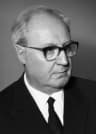
誕生
August 12, 1924
Jalandhar, India
永眠
August 17, 1988
Bahawalpur, Pakistan
知られていること
President of Pakistan from 1978 to 1988 Of Saudi origin
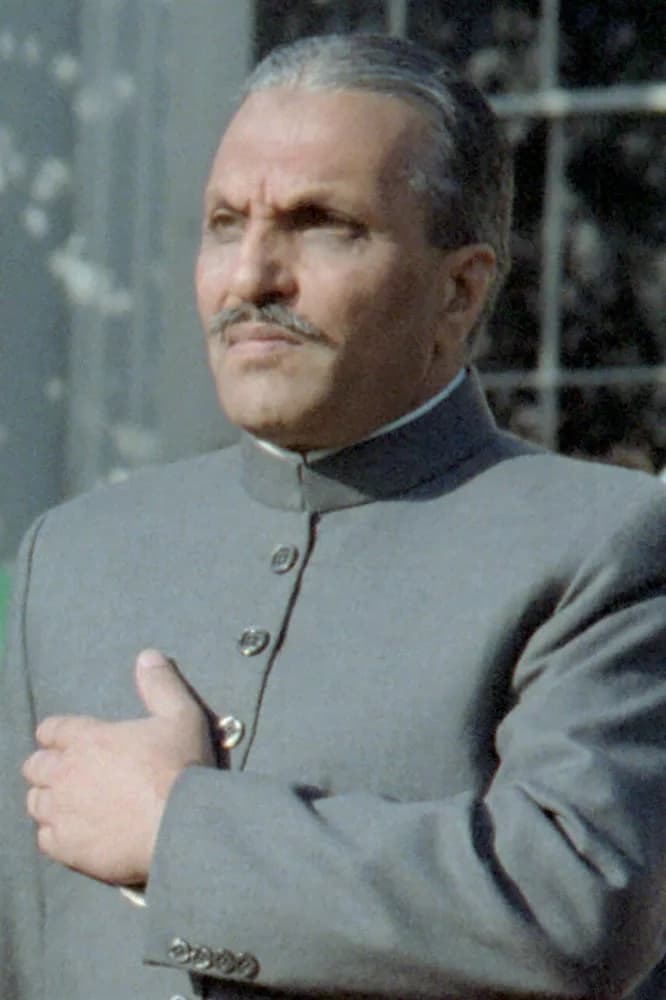
Muhammad Zia-ul-Haq (1924–1988) was India best known for President of Pakistan from 1978 to 1988 Of Saudi origin.
Muhammad Zia-ul-Haq (August 12, 1924 – August 17, 1988) was a Pakistani military officer and politician. He served as the sixth president of Pakistan and the second chief of the army staff, becoming the nation's longest-serving de facto head of state. His political ideology is known as Ziaism.
第0章
人生の章
第1章 · 1924年· 全7章中第1章
Introduction
Muhammad Zia-ul-Haq (August 12, 1924 – August 17, 1988) was a Pakistani politician and military officer whose leadership significantly shaped the nation for over a decade. He served as the sixth President of Pakistan from 1978 until his death in 1988, concurrently holding the position of the second Chief of the Army Staff from 1976. His tenure marked a significant period in Pakistan's history, establishing him as the country's longest-serving de facto head of state.
第2章 · 1924年· 全7章中第2章
Early Life and Origins
Born on August 12, 1924, in Jalandhar, India, Muhammad Zia-ul-Haq came from a family of Saudi origin. His early life unfolded in a region that would soon undergo monumental change with the partition of British India. This background in Jalandhar, an important city in undivided India, provided the initial setting for his later career.
第3章 · 1976年· 全7章中第3章
Career Beginnings
Muhammad Zia-ul-Haq embarked on a distinguished career as a military officer, dedicating himself to service within the Pakistan Army. His dedication and strategic acumen saw him rise through the ranks. In 1976, he was appointed as the second Chief of the Army Staff of the Pakistan Army, a crucial leadership role that positioned him at the forefront of the nation's defense establishment.
第4章 · 1978年· 全7章中第4章
Major Achievements and Career Highlights
A significant turning point in Muhammad Zia-ul-Haq's career came in 1978 when he assumed the presidency, becoming the sixth President of Pakistan. He held this high office for a decade, serving continuously until his death in 1988. This extended period of leadership established him as Pakistan's longest-serving de facto head of state.
During his dual role as President and Chief of the Army Staff, he exerted considerable influence over national policy and direction. His administration oversaw major shifts in domestic and foreign affairs. His long tenure is a defining characteristic of his political career and an important chapter in Pakistan's history.
第5章· 全7章中第5章
Notable Contributions
Beyond his military and political roles, Muhammad Zia-ul-Haq's impact is also remembered through his distinctive political philosophy, known as Ziaism. This ideology guided many of the policies and decisions made during his presidency. Ziaism became synonymous with his approach to governance and national identity, leaving a clear imprint on the country's trajectory.
第6章 · 1988年· 全7章中第6章
Later Years
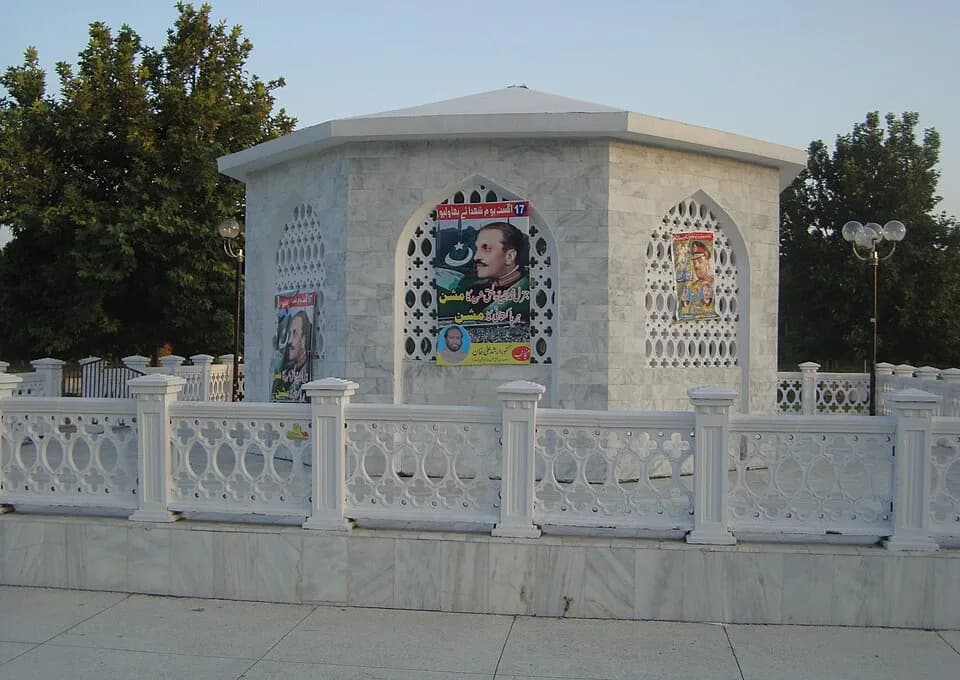
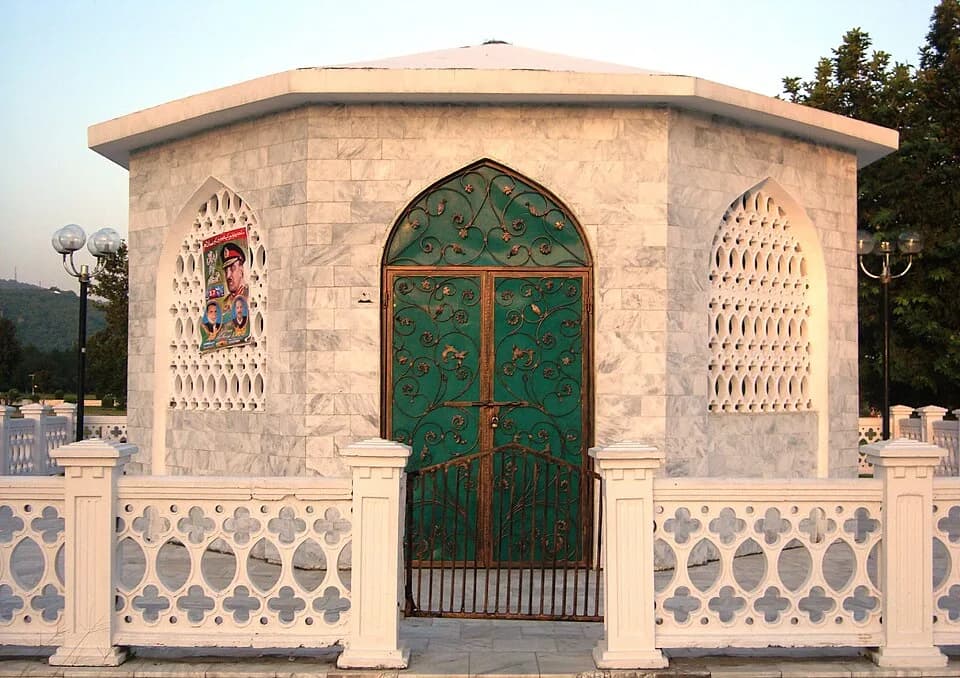
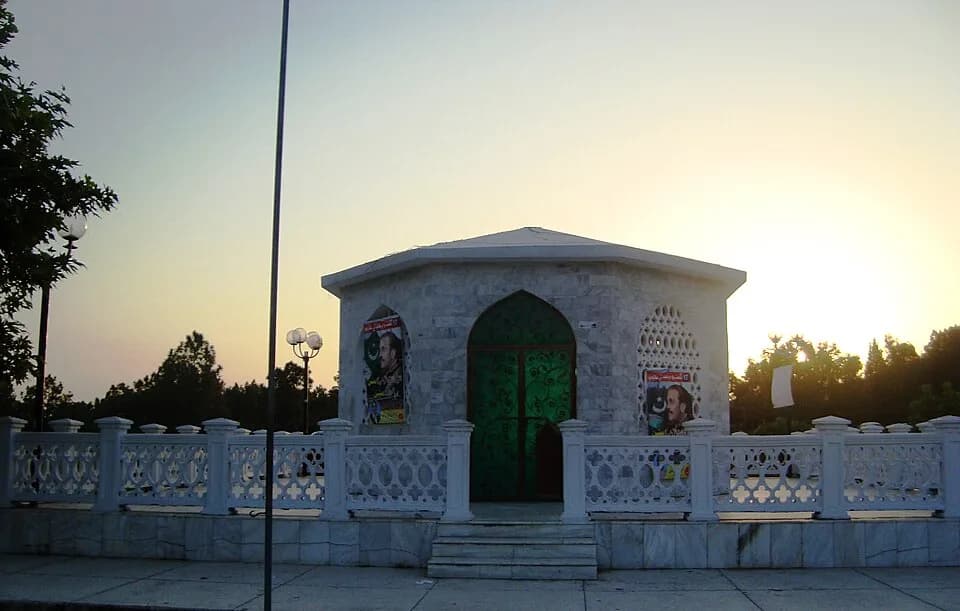
Muhammad Zia-ul-Haq's presidency continued uninterrupted until August 17, 1988. Tragically, his life ended in an airplane crash that year, near Bahawalpur, Pakistan. He was still serving as President and Chief of the Army Staff at the time of his untimely death, marking the sudden conclusion of his extensive period in power.
第7章· 全7章中第7章
Legacy and Impact
The legacy of Muhammad Zia-ul-Haq is deeply etched into Pakistan's historical narrative. As the nation's longest-serving de facto head of state, his decade-long leadership brought about significant and lasting changes. His political ideology, Ziaism, continues to be a subject of historical and political analysis, reflecting its enduring influence.
His death marked the end of an era in Pakistani politics, leaving behind a complex record of governance and societal transformation. Muhammad Zia-ul-Haq's influence shaped various aspects of Pakistani society and statecraft during his time in power, ensuring his place in the nation's memory.
瞬間の中の人生
人生を形作った瞬間
FAQ
よくある質問
Muhammad Zia-ul-Haqはいつ亡くなりましたか?
Muhammad Zia-ul-Haqは1988年8月17日にBahawalpur, Pakistanで亡くなりました(享年64歳)。
Muhammad Zia-ul-Haqはどこで生まれましたか?
Muhammad Zia-ul-Haqは1924年8月12日にJalandhar, Indiaで生まれました。
Muhammad Zia-ul-Haqは何で最もよく知られていますか?
Muhammad Zia-ul-HaqはPresident of Pakistan from 1978 to 1988 Of Saudi originで最もよく知られています。
Muhammad Zia-ul-Haqは何歳で亡くなりましたか?
Muhammad Zia-ul-Haqは亡くなった時64歳でした。
Muhammad Zia-ul-Haqの国籍はどこですか?
Muhammad Zia-ul-HaqはIndiaの出身です。
年表
人生の概要
写真ギャラリー
写真の中の人生
ポラロイドをクリックして拡大 · 28枚の写真
QRコード
この経歴を共有
印刷して共有
スキャンしてこの経歴ページを訪問。イベント、展示会、教育資料に印刷してご利用ください。