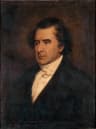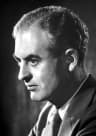
誕生
July 28, 1887
Blainville-Crevon, France
永眠
October 2, 1968
Neuilly-sur-Seine, France
知られていること
French painter, sculptor, and chess player
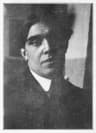
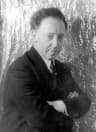
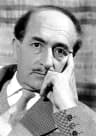
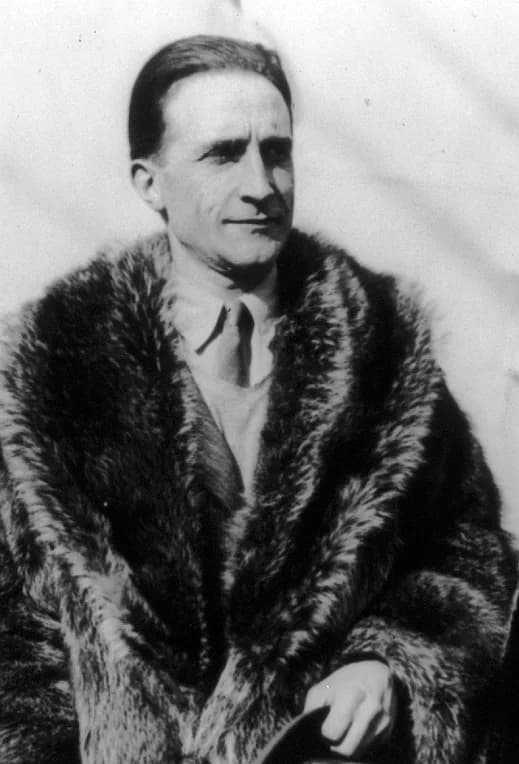
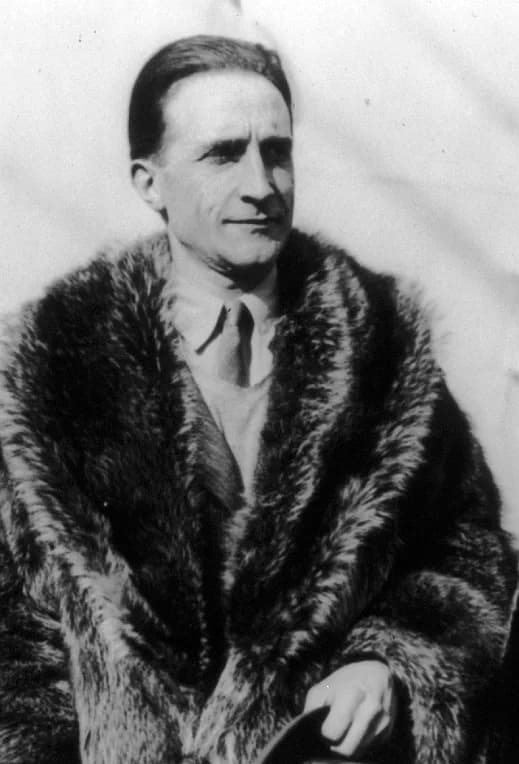
Marcel Duchamp (1887–1968) was France best known for French painter, sculptor, and chess player.
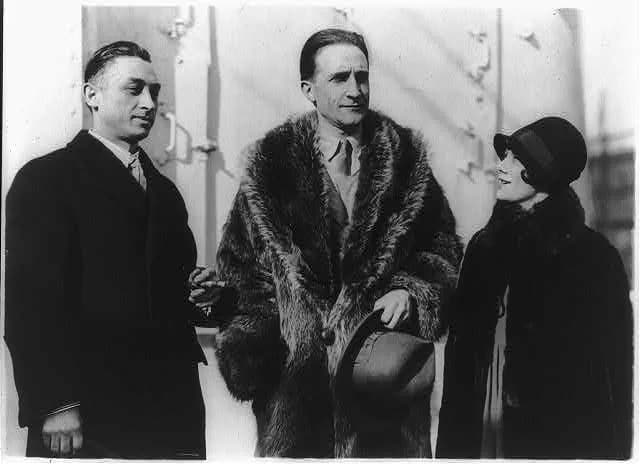
Marcel Duchamp (July 28, 1887 – October 2, 1968) was a French American artist, chess player, and inventor. He played a key role in the development of the avant-garde in the United States and New York City. His innovative work encompassed painting, sculpture, and the pioneering concept of readymades.
第0章
人生の章
第1章 · 1887年· 全8章中第1章
Opening Tribute
Marcel Duchamp (July 28, 1887 – October 2, 1968) was a French American artist, inventor, and a dedicated chess player. His profound influence on 20th-century art, particularly in the development of the avant-garde movement, remains widely recognized. Duchamp redefined artistic boundaries through his innovative concepts and diverse professional roles, challenging traditional notions of creation and aesthetics.
第2章 · 1887年· 全8章中第2章
Early Life and Origins
Born on July 28, 1887, in Blainville-Crevon, France, Henri-Robert-Marcel Duchamp's early life was rooted in French culture. His birthplace provided the initial setting for what would become an extraordinarily varied artistic journey. While specific details of his upbringing are not extensively provided, his origins in France undeniably shaped his initial artistic sensibilities.
第3章 · 1909年· 全8章中第3章
Career Beginnings
Marcel Duchamp began his artistic career exploring traditional forms, as evidenced by early works such as "At the Bar" (1909) and "Nude Seated in a Bathtub" (1910), both found in institutional collections like the Art Institute of Chicago. These pieces mark his initial engagement with painting before he embarked on his revolutionary path. He swiftly moved beyond conventional approaches, beginning a journey of artistic innovation that would challenge the very definition of art.
第4章· 全8章中第4章
Major Achievements and Career Highlights
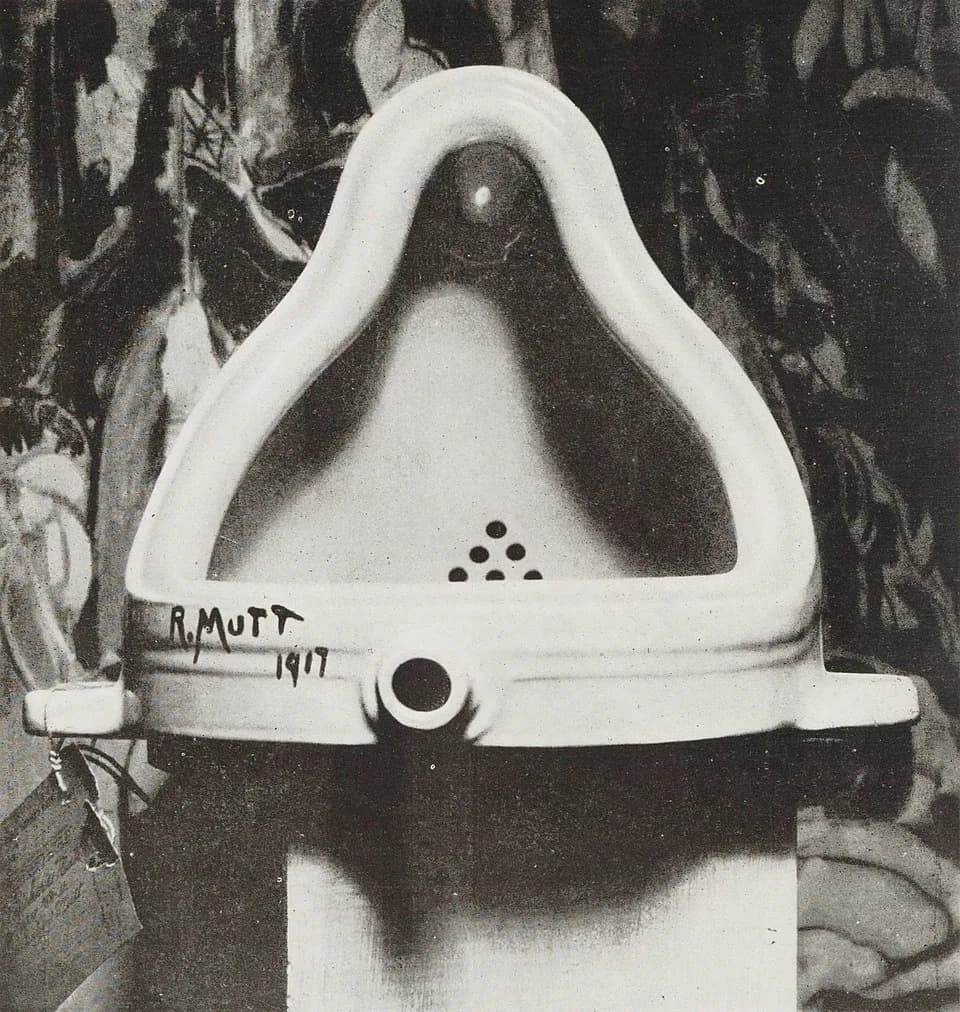
Marcel Duchamp played a pivotal role in the development of the avant-garde in the United States, especially during the last 25 years of his life spent in New York City. His wide array of professions included photographer, actor, poet, librarian, artist, painter, sculptor, graphic artist, film director, visual artist, philosopher, designer, and architectural draftsperson. He was also recognized as an assemblage artist, readymade artist, chess player, printmaker, and non-fiction writer, illustrating his refusal to be confined by any single artistic discipline.
第5章 · 1944年· 全8章中第5章
Personal Life and Interests
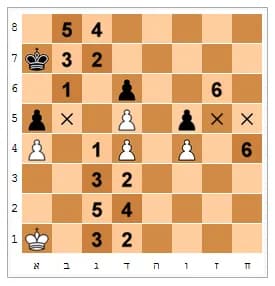
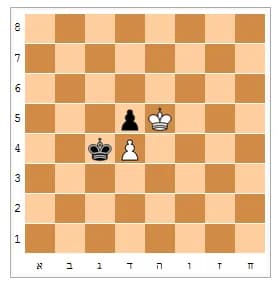
Beyond his prolific artistic output, Marcel Duchamp was notably an ardent chess player, a passion that was integral to his identity and sometimes intertwined with his art. This deep interest is exemplified by works like his "Pocket Chess Set" (1944) and his professional identification as a chess player. While extensive details about his personal relationships are not provided, his intellectual pursuits and engagement with the strategic complexities of chess offer a glimpse into his thoughtful nature.
第6章 · 1917年· 全8章中第6章
Notable Works and Contributions
Marcel Duchamp's artistic contributions span various mediums and concepts. Among his notable artworks are "The blind man" (1917) and "Self-Portrait in Profile" (1957) housed at the Met Museum, alongside "At the Bar" (1909).
The Art Institute of Chicago holds a significant collection of his pieces, including the pioneering "Hat Rack" (1916/1964), "Nude Seated in a Bathtub" (1910), "Pocket Chess Set" (1944), and "Bottle Rack (Porte-Bouteilles)" (1914/1959). Other works there include "Composition with Circles" (1919/50), "The Kiss (Poster for Man Ray exhibition, Julien Levy Gallery)" (April 1945), "Nous Nous Cajolions" (1943), "The Artist's Grandmother Sewing (recto); Suzanne Duchamp, the Artist's Sister (verso)" (1907), "Surrealism in 1947 (Le Surréalisme en 1947)" (1947), and "Study for Mary Louise Reynolds Collection Label" (c. 1951).
His involvement extended to cinema, where he appeared in films such as "Lafayette, We Come" (1918) and "Entr'acte" (1924). Duchamp's bibliography includes contributions like "Dokumentation über Marcel Duchamp," "Marcel Duchamp : drawings, etchings for the Large Glass, ready-mades," and "Duchamp readymades," reflecting his philosophical and written engagements with art. Academic publications like "Le grand déchiffreur : Richard Hamilton sur Marcel Duchamp" (2009) and "Correspondance Brancusi, Duchamp : histoire d'une amitié" (2017) further examine his influence.
第7章 · 1968年· 全8章中第7章
Later Years
Marcel Duchamp spent the final quarter-century of his life based in New York City, where he continued to shape the American art scene and avant-garde thought. His presence in the city solidified its position as a hub for artistic innovation. Marcel Duchamp passed away on October 2, 1968, in Neuilly-sur-Seine, France, bringing to a close a life dedicated to artistic exploration and intellectual inquiry.
第8章· 全8章中第8章
Legacy and Impact
Marcel Duchamp's legacy is characterized by his fundamental challenge to the traditional definitions of art, particularly through his revolutionary concept of readymades. His work significantly altered perceptions of artistic creation, authorship, and the very essence of an art object. As a philosopher and visual artist, his influence continues to resonate throughout contemporary art, demonstrating that art could be primarily conceptual and intellectual. He remains a central and enduring figure in modern art history, continually inspiring new generations of artists and thinkers to question and innovate.
瞬間の中の人生
人生を形作った瞬間
FAQ
よくある質問
Marcel Duchampはいつ亡くなりましたか?
Marcel Duchampは1968年10月2日にNeuilly-sur-Seine, Franceで亡くなりました(享年81歳)。
Marcel Duchampはどこで生まれましたか?
Marcel Duchampは1887年7月28日にBlainville-Crevon, Franceで生まれました。
Marcel Duchampは何で最もよく知られていますか?
Marcel DuchampはFrench painter, sculptor, and chess playerで最もよく知られています。
Marcel Duchampは何歳で亡くなりましたか?
Marcel Duchampは亡くなった時81歳でした。
Marcel Duchampの国籍はどこですか?
Marcel DuchampはFranceの出身です。
年表
人生の概要
写真ギャラリー
写真の中の人生
ポラロイドをクリックして拡大 · 49枚の写真
QRコード
この経歴を共有
印刷して共有
スキャンしてこの経歴ページを訪問。イベント、展示会、教育資料に印刷してご利用ください。