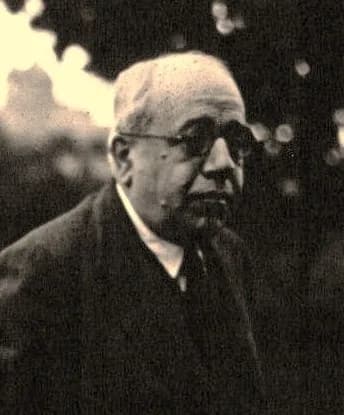
誕生
January 10, 1880
Alcalá de Henares, Spain
永眠
November 3, 1940
Montauban, France
知られていること
prime minister of Spain, president of Spain
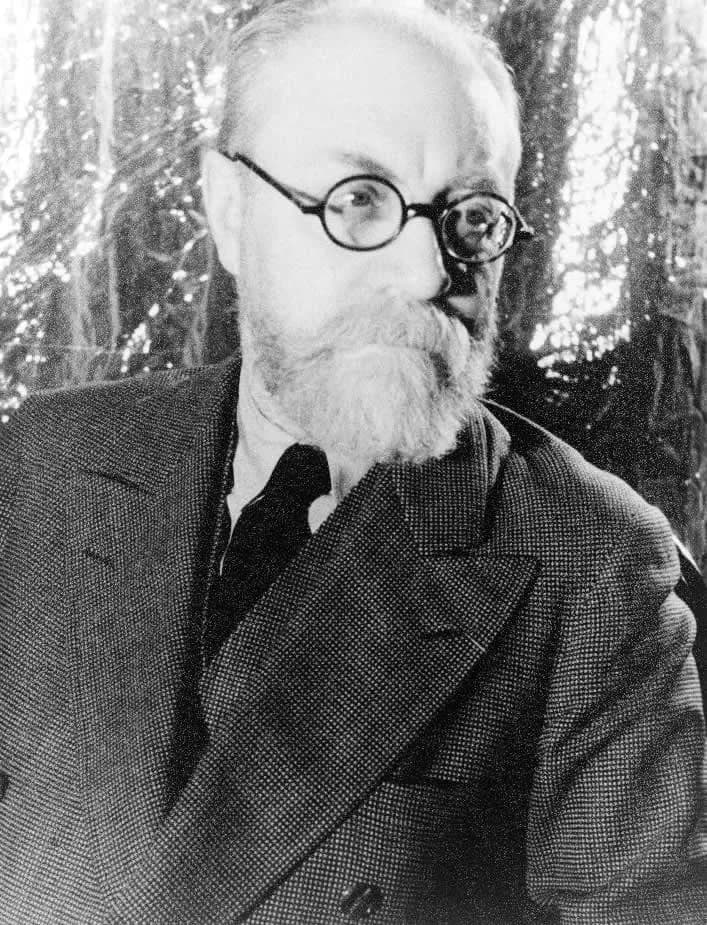
Manuel Azaña (1880–1940) was Spain best known for prime minister of Spain, president of Spain.
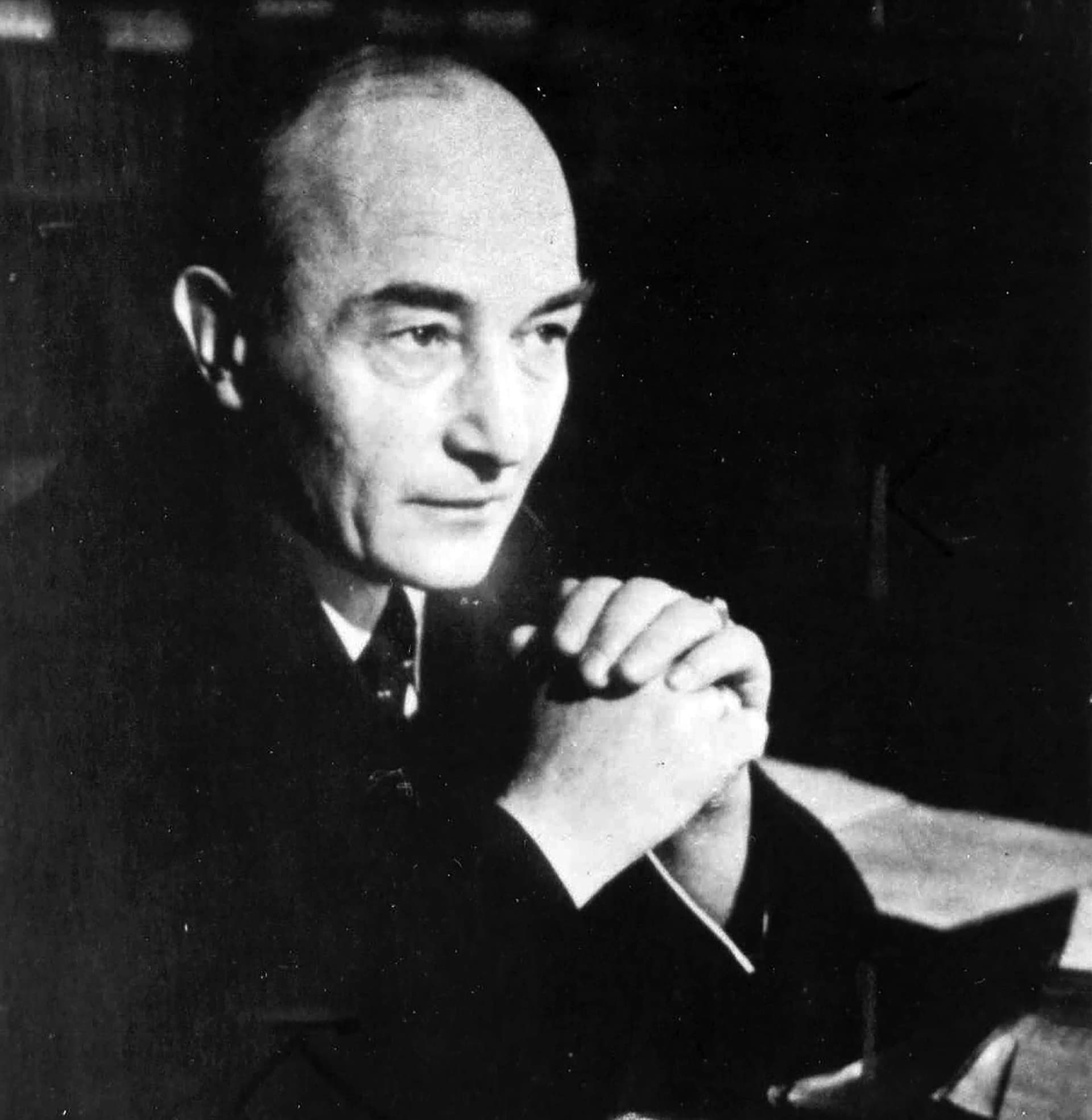
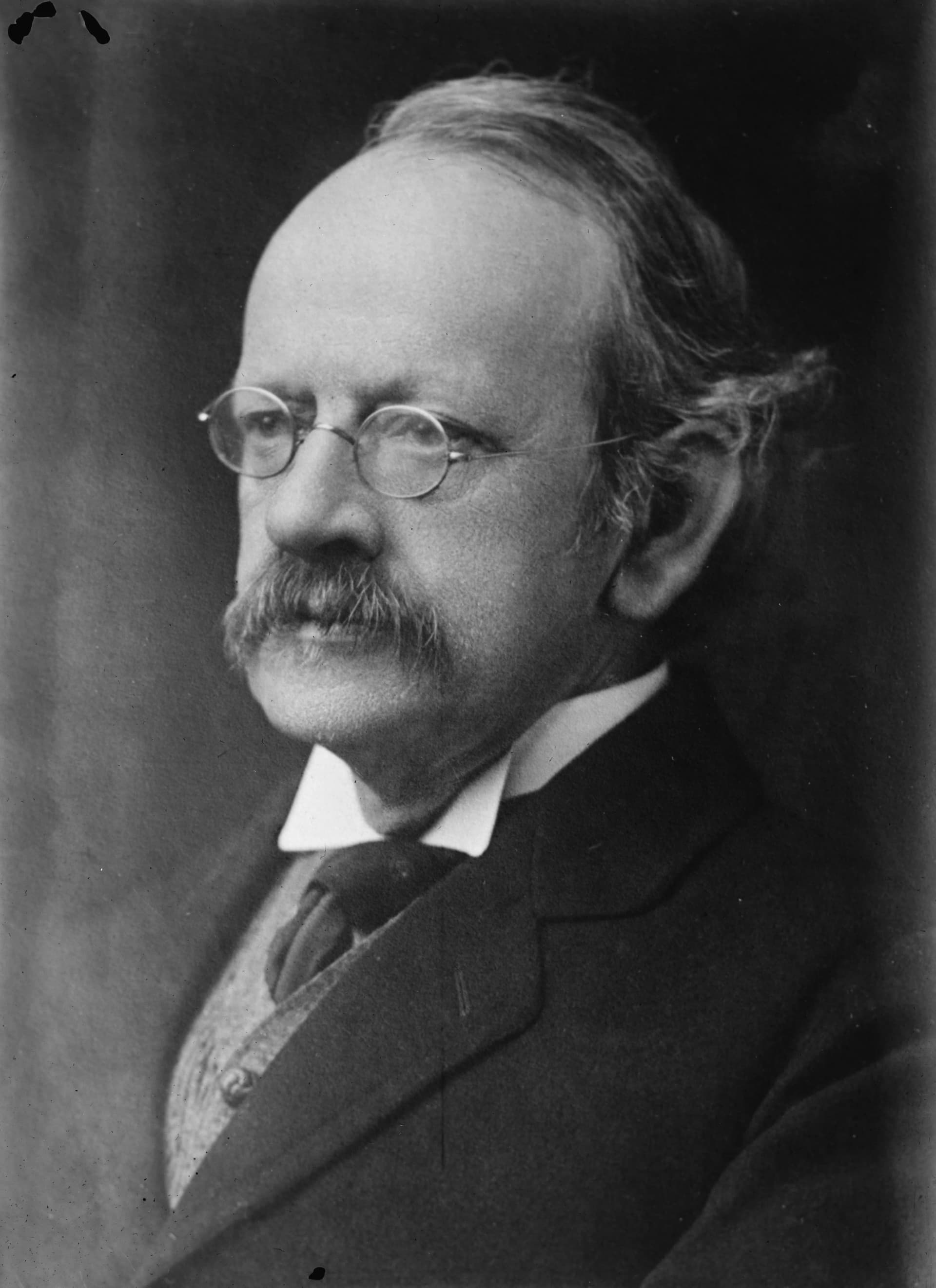
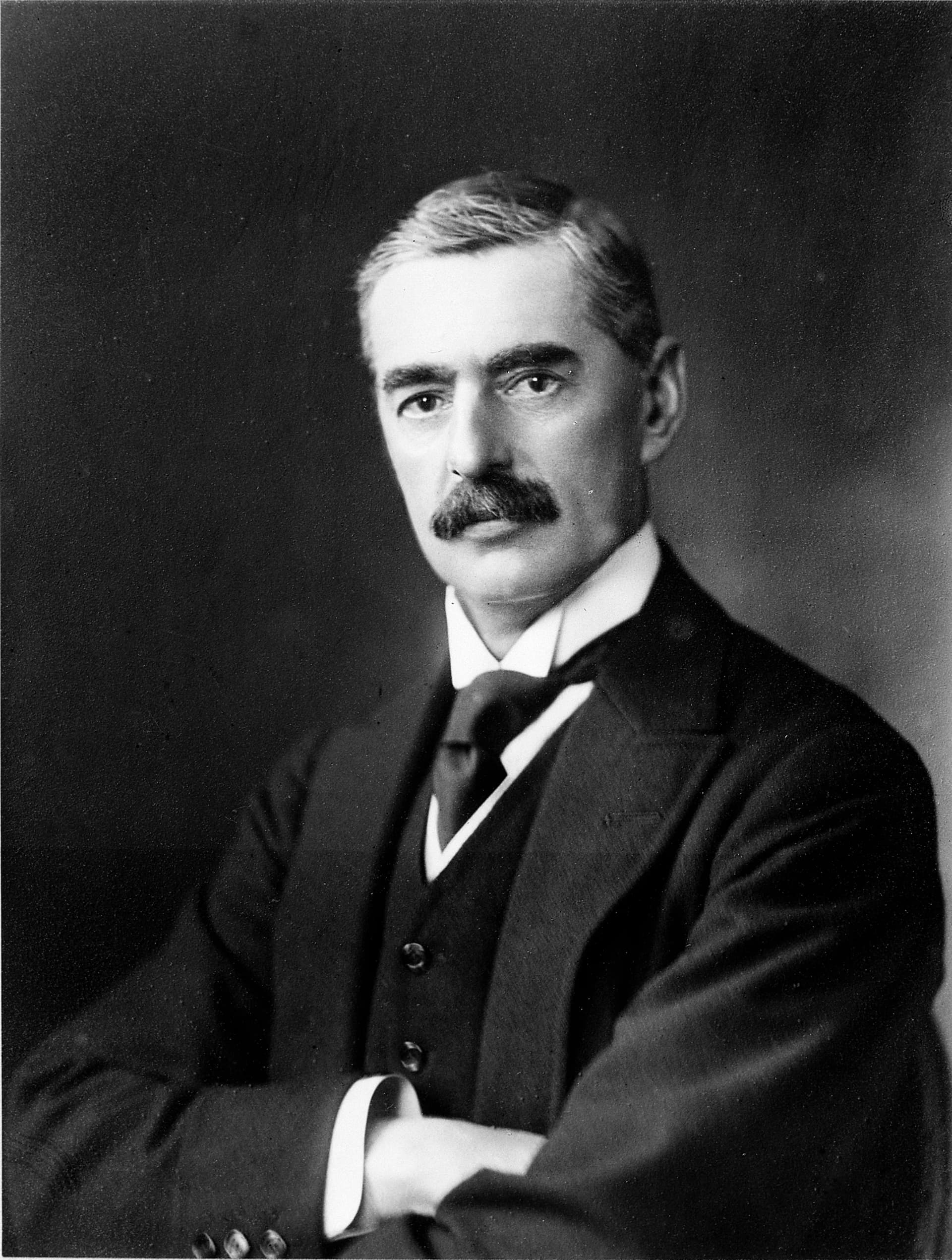
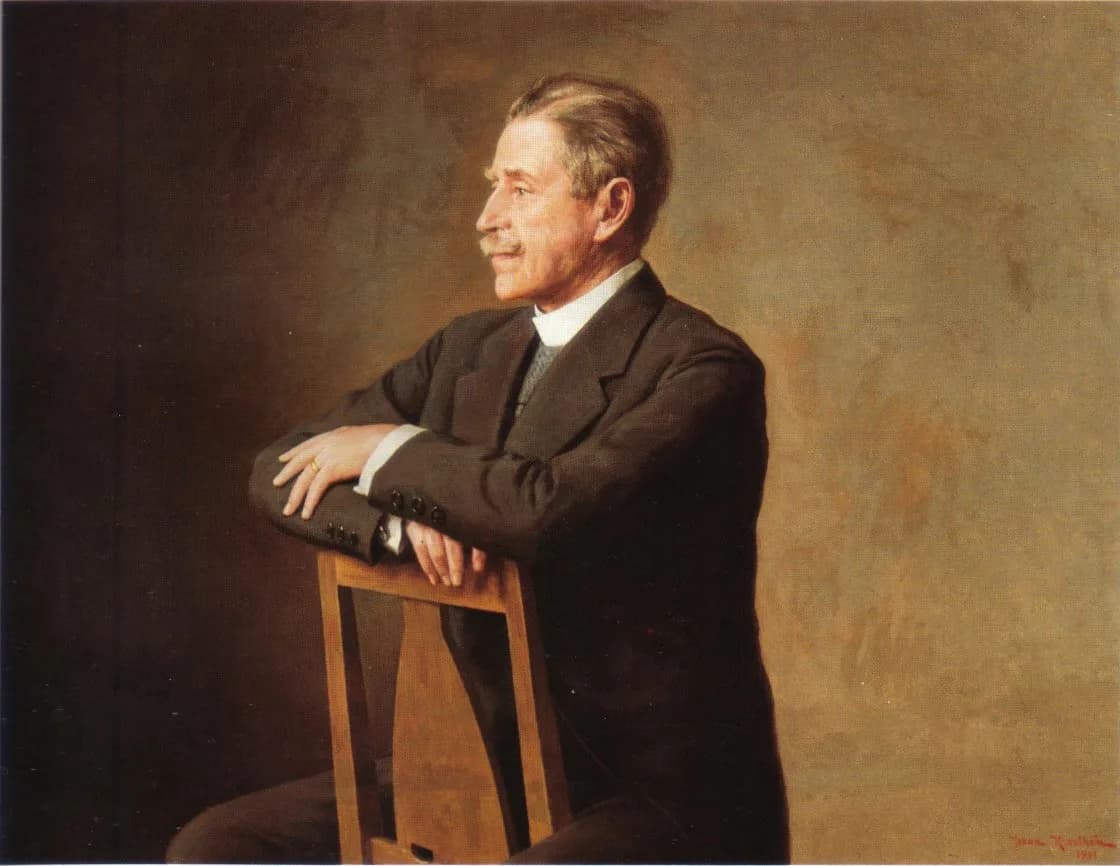
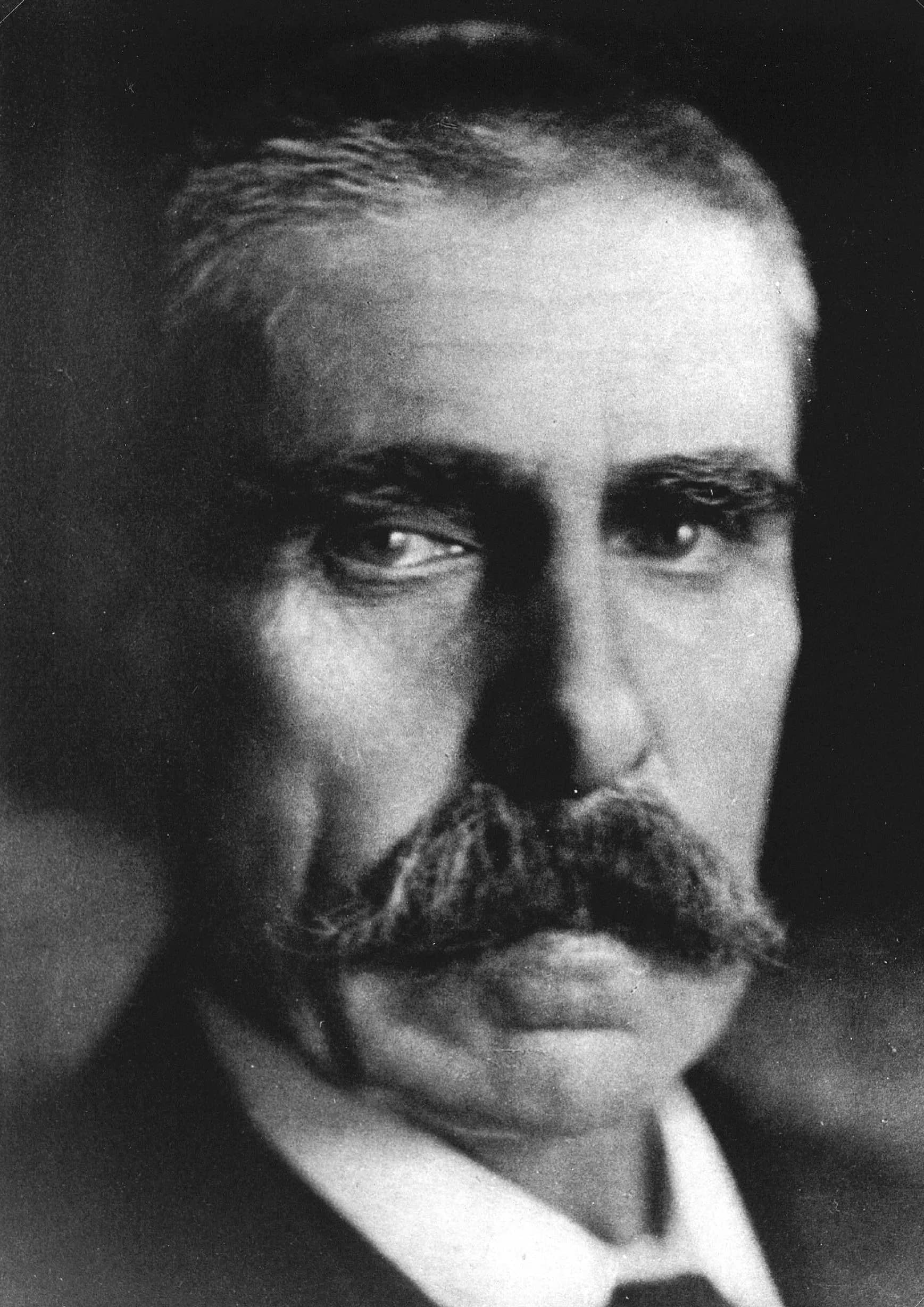
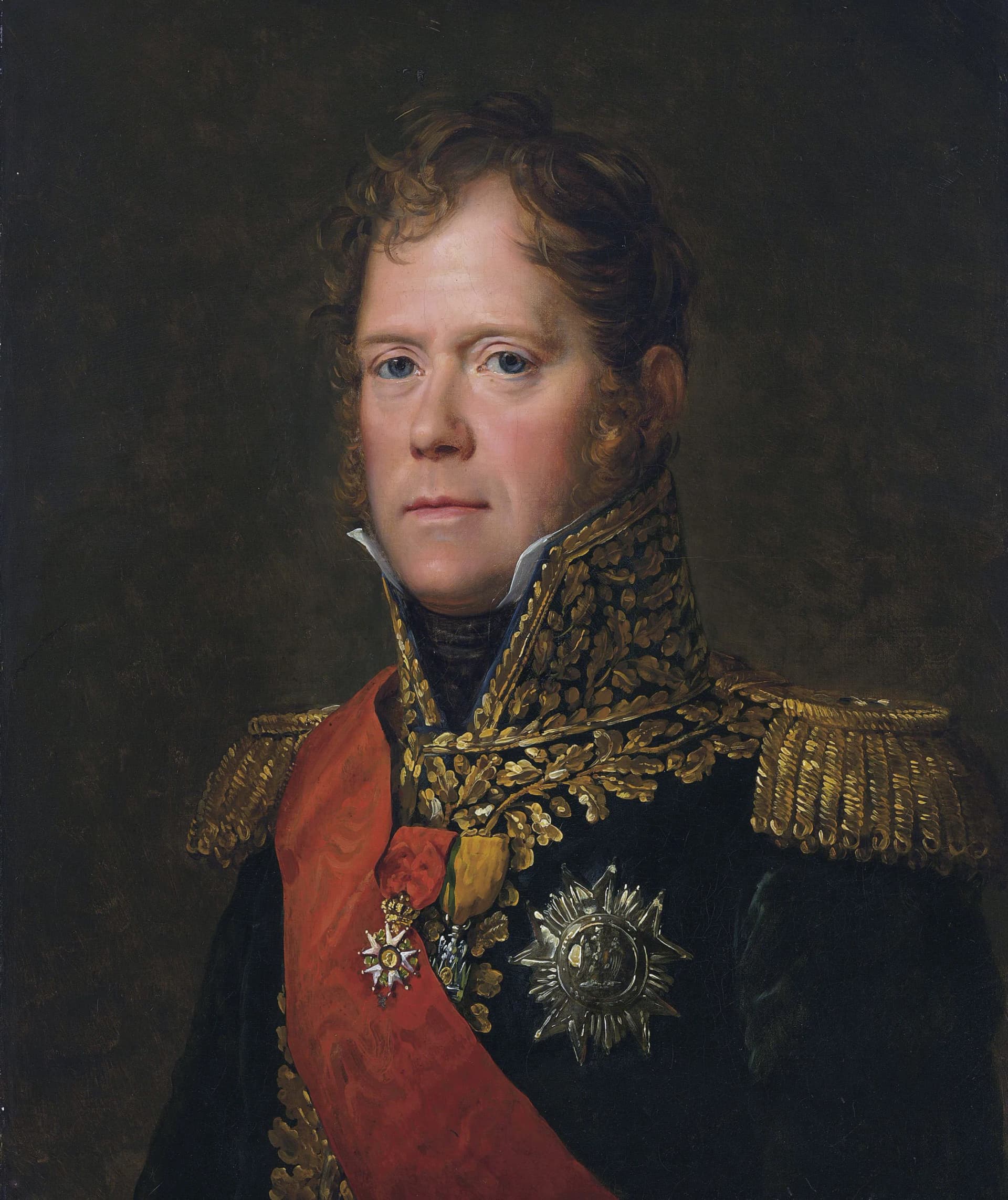
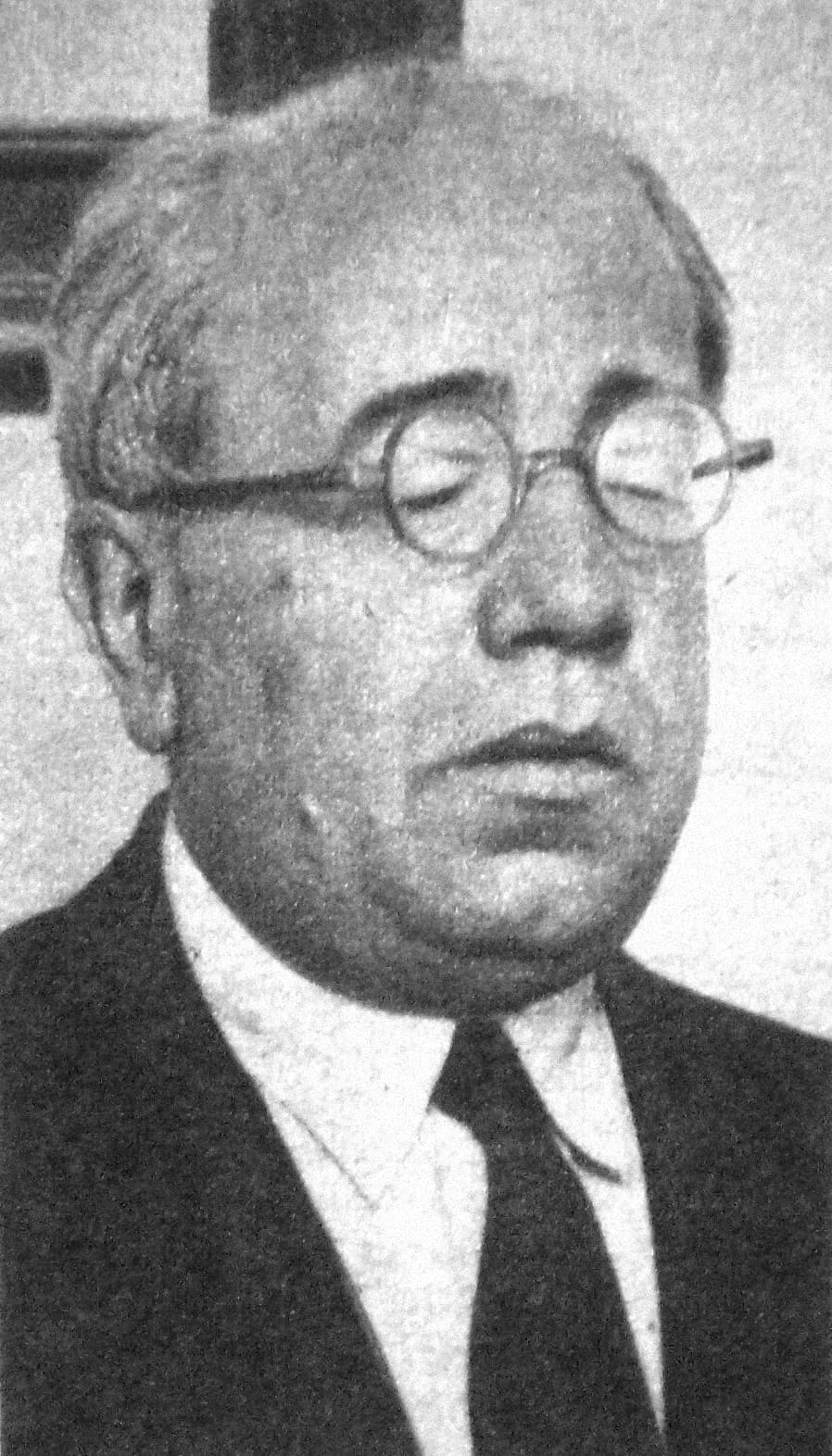
Manuel Azaña (January 10, 1880 – November 3, 1940) was a writer, lawyer, and politician from Spain. He served as Prime Minister and later as the last President of the Second Spanish Republic. Azaña is remembered as the father of the Republic and a key leader during the Spanish Civil War.
瞬間の中の人生
人生を形作った瞬間

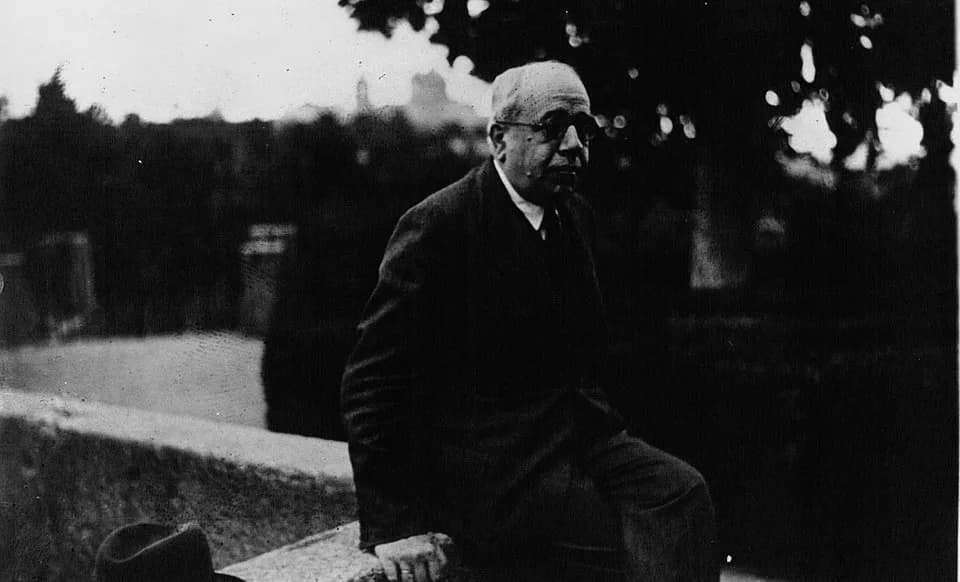
第0章
人生の章
第1章 · 1880年· 全6章中第1章
Early Life and Origins
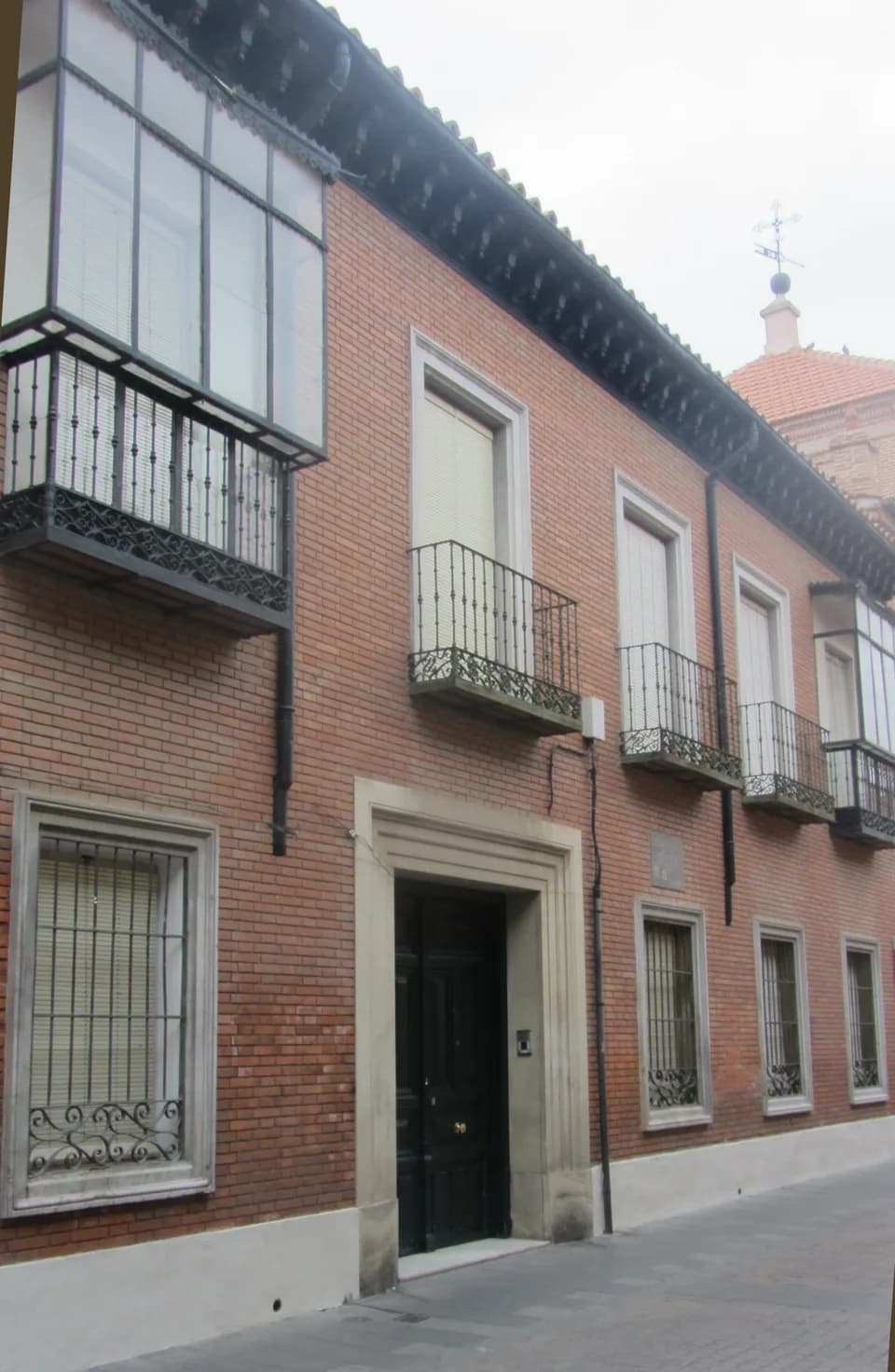
Manuel Azaña Díaz was born on January 10, 1880, in Alcalá de Henares, a historic city in Spain. His early years in this culturally rich environment likely fostered his intellectual pursuits and a deep connection to Spanish heritage. Azaña's path into the legal profession began with rigorous study, laying a foundation for his precise and eloquent communication style.
第2章· 全6章中第2章
Career Beginnings
Initially establishing himself as a respected lawyer and a prolific writer, Manuel Azaña brought his intellectual rigor to the public sphere. His early professional life in law provided him with a keen understanding of governance and justice. Azaña's literary talents also gained him recognition, allowing him to articulate his ideas with clarity and conviction.
This dual foundation in law and literature naturally transitioned into a burgeoning political career. He quickly became a significant voice within Spanish intellectual and political circles. His early engagements laid the groundwork for his eventual leadership in the republican movement.
第3章· 全6章中第3章
Major Achievements and Career Highlights
Manuel Azaña's political ascent saw him serve as Prime Minister of the Second Spanish Republic, a testament to his leadership and vision. During this period, he was instrumental in orchestrating significant reforms and policies aimed at modernizing Spain. His tenure as Prime Minister showcased his dedication to democratic principles and social progress.
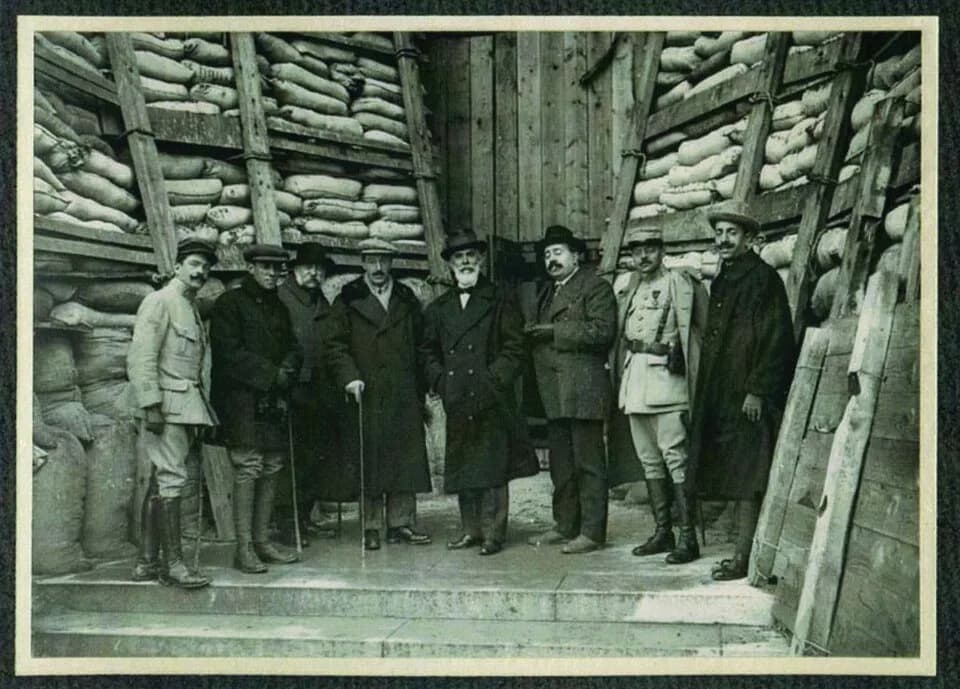
Azaña's influence grew further when he organized the Popular Front in 1935, a broad coalition that aimed to unify progressive forces. This strategic alliance demonstrated his political acumen and ability to build consensus. He then became the last President of the Republic, serving from 1936 to 1939, a critical period that coincided with the devastating Spanish Civil War. As President, he stood as the most prominent leader of the Republican cause, symbolizing resilience and the struggle for democratic governance during the conflict.
第4章· 全6章中第4章
Notable Works or Contributions
Throughout his life, Manuel Azaña was a prolific writer, contributing significantly to Spanish letters and political discourse. Among his diverse literary output is "The Bible in Spain," showcasing his breadth of interest and scholarship. His intellectual curiosity extended to historical analysis, as seen in "Comuneros contra el Rey," a work exploring a significant period in Spanish history.
Azaña's deep engagement with Spanish culture and literature is also evident in "Cervantes y la invencion del 'Quijote'," where he delved into the legacy of one of Spain's most iconic literary figures. Beyond academic and historical texts, he delivered powerful and memorable speeches, many of which were published. Examples include "Discurso pronunciado por S.E. el presidente de la República, el día 18 de julio de 1938" and "Extract from President Azaña's speech at Valencia University, July 18, 1937," demonstrating his commitment to public address and explaining his vision for the Republic during its most trying times. His work "A year of war in Spain" also provided critical insight into the conflict.
第5章 · 1939年· 全6章中第5章
Later Years
The final years of Manuel Azaña's life were marked by the tragic conclusion of the Spanish Civil War in 1939 and the subsequent collapse of the Second Spanish Republic. Forced into exile, he continued to represent the ideals of the Republic even from outside Spain. He spent his last days away from his homeland, a poignant reflection of the period's political turmoil.
Manuel Azaña Díaz passed away on November 3, 1940, in Montauban, France. His death in exile underscored the profound personal cost of the Spanish Civil War and the fight for the Republic. Despite the challenging circumstances of his final year, his dedication to his country and its democratic future remained unwavering.
第6章· 全6章中第6章
Legacy and Impact
Manuel Azaña's legacy endures as the "father of the Republic," a title reflecting his foundational role in establishing and leading the Second Spanish Republic. His contributions as a statesman, intellectual, and orator were central to Spain's attempts at modernization and democratic reform in the early 20th century. His political career was defined by a steadfast commitment to republican ideals and a nuanced understanding of Spain's complex social fabric.
His unwavering leadership during the Spanish Civil War, from 1936 to 1939, solidified his place in history as the most prominent defender of the republican cause. Azaña's writings and speeches continue to offer invaluable insights into the political and cultural currents of his era. He remains a symbol of intellectual integrity and political courage for many who reflect on Spain's republican past.
FAQ
よくある質問
Manuel Azañaはいつ亡くなりましたか?
Manuel Azañaは1940年11月3日にMontauban, Franceで亡くなりました(享年60歳)。
Manuel Azañaはどこで生まれましたか?
Manuel Azañaは1880年1月10日にAlcalá de Henares, Spainで生まれました。
Manuel Azañaは何で最もよく知られていますか?
Manuel Azañaはprime minister of Spain, president of Spainで最もよく知られています。
Manuel Azañaは何歳で亡くなりましたか?
Manuel Azañaは亡くなった時60歳でした。
Manuel Azañaの国籍はどこですか?
Manuel AzañaはSpainの出身です。
年表
人生の概要
写真ギャラリー
写真の中の人生
ポラロイドをクリックして拡大 · 49枚の写真
QRコード
この経歴を共有
印刷して共有
スキャンしてこの経歴ページを訪問。イベント、展示会、教育資料に印刷してご利用ください。