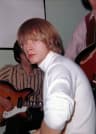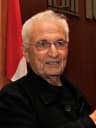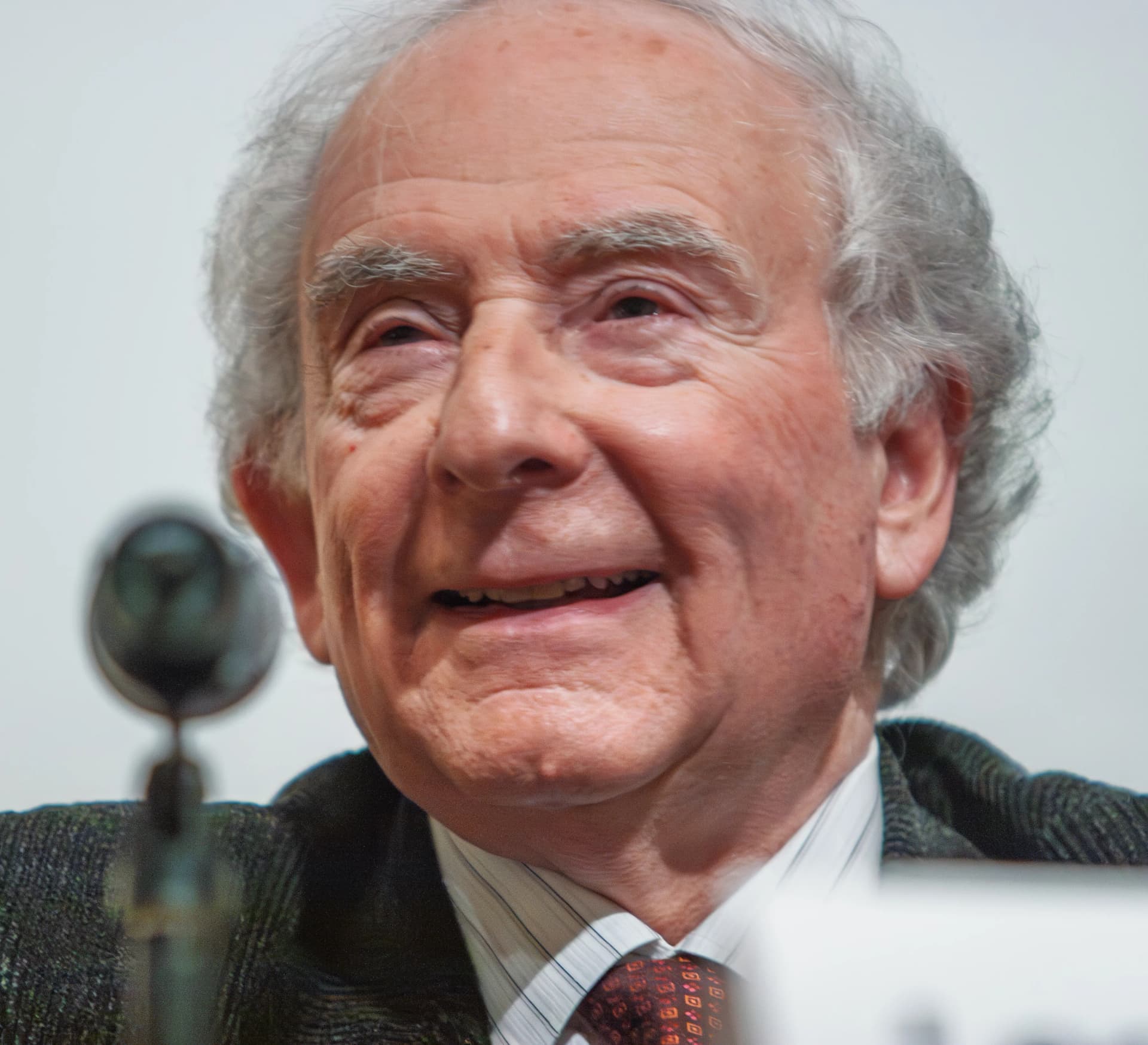
誕生
February 28, 1930
New York City, United States
永眠
October 23, 2024
Providence, United States
知られていること
American physicist
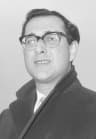
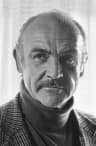
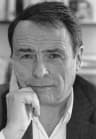
Leon Cooper (1930–2024) was United States best known for American physicist.
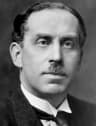
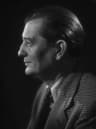
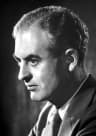
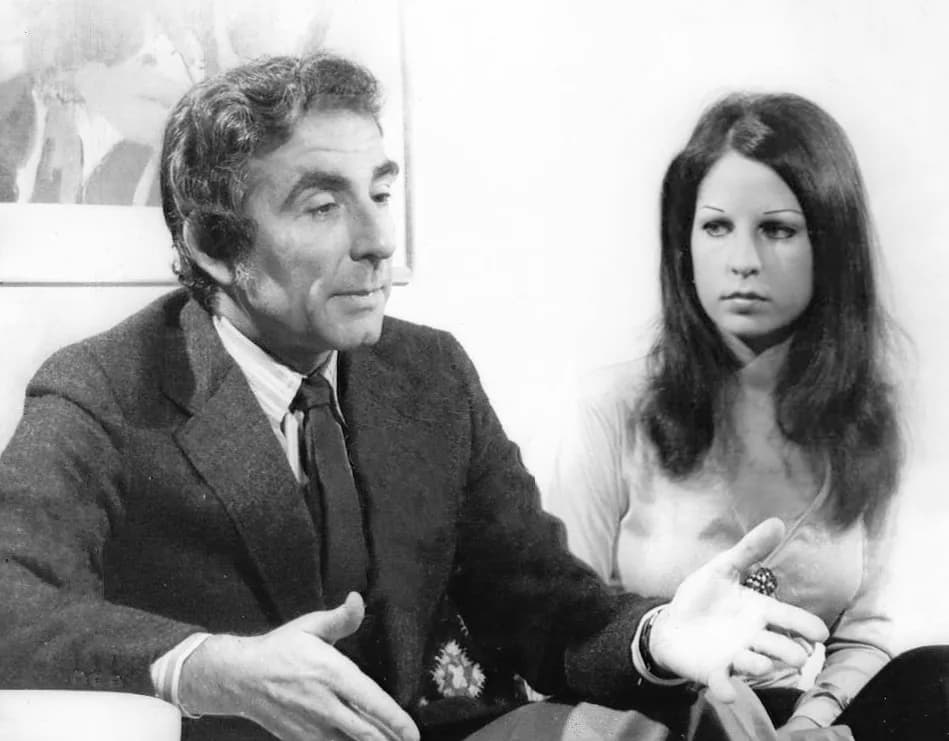
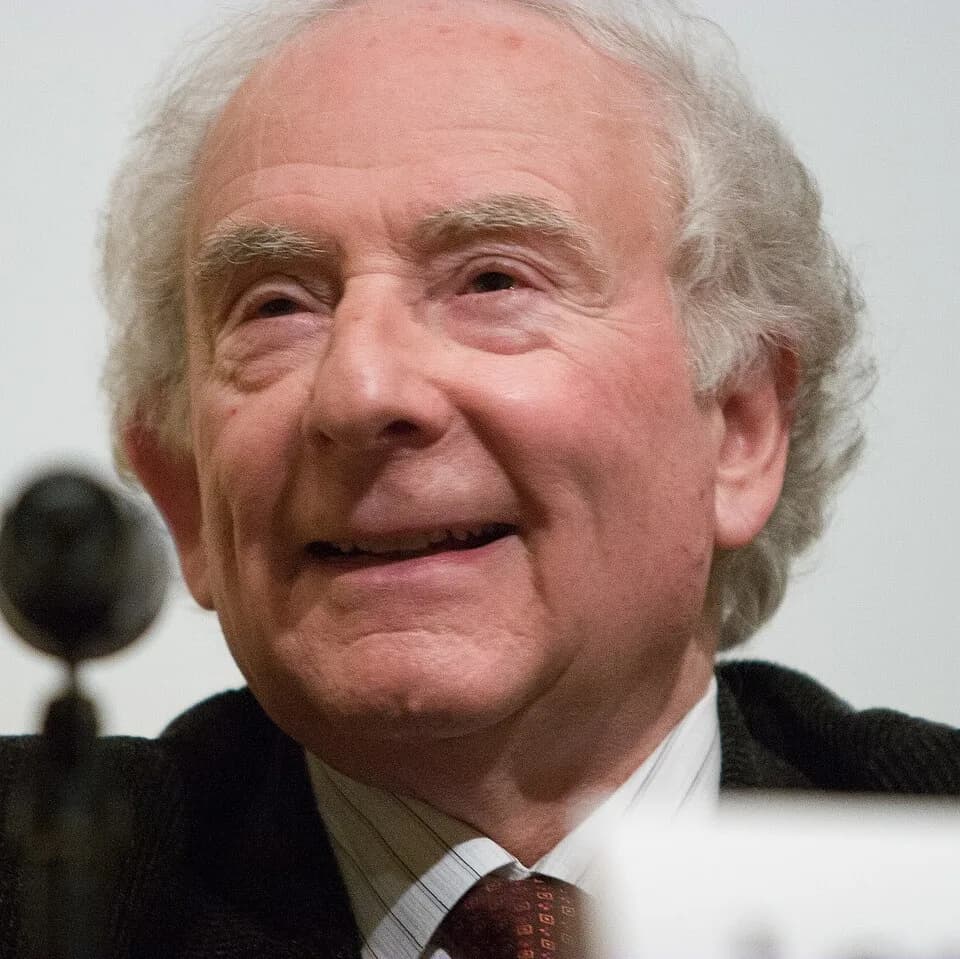
Leon Cooper (February 28, 1930 – October 23, 2024) was an American physicist from New York City. He shared the 1972 Nobel Prize in Physics for developing the BCS theory of superconductivity and the concept of Cooper pairs. His contributions significantly advanced condensed matter physics and neuroscience.
第0章
人生の章
第1章 · 1930年· 全7章中第1章
Opening
Leon Cooper (February 28, 1930 – October 23, 2024) was an American physicist whose pioneering work profoundly influenced our understanding of matter. Born in New York City, United States, he became widely known for his contributions to theoretical physics. His distinguished career as a physicist and university teacher left a lasting mark on the scientific community and beyond.
第2章 · 1930年· 全7章中第2章
Early Life and Origins
Leon Cooper was born on February 28, 1930, in the vibrant metropolis of New York City, United States. His formative years in this dynamic environment likely fostered an early curiosity for the world. While specific details of his early family life and upbringing are not provided, his eventual path into physics suggests a strong inclination towards scientific inquiry from a young age.
第3章· 全7章中第3章
Career Beginnings
Cooper began his professional journey as a physicist, dedicating his early career to fundamental research. He also served as a university teacher, shaping the minds of future generations of scientists. This dual role allowed him to both advance scientific knowledge and effectively disseminate it within academic circles.
第4章 · 1972年· 全7章中第4章
Major Achievements and Career Highlights
A defining moment in Leon Cooper's career came with his groundbreaking work on superconductivity, which earned him the 1972 Nobel Prize in Physics. He shared this prestigious award with his collaborators, John Bardeen and John Robert Schrieffer. Together, they formulated the BCS theory of conventional superconductivity, a cornerstone of modern condensed matter physics.
Cooper's specific contribution included the development of the concept of Cooper pairs, explaining how electrons can form bound pairs that move without resistance at very low temperatures. This theoretical breakthrough provided a microscopic explanation for superconductivity, revolutionizing the field and solidifying his place in scientific history.
第5章· 全7章中第5章
Notable Works or Contributions
Beyond his Nobel-winning work on superconductivity, Leon Cooper also made significant contributions to neuroscience. In this distinct field, he co-developed the BCM theory of synaptic plasticity. This theory helps explain how synapses, the connections between neurons, adjust their strength based on neural activity and experience.
His diverse research interests are also reflected in his academic publications, which include studies in medical physics and genomics, resulting in an h-index of 8 from 15 papers. Among his top works were "X-ray induced photodynamic therapy with copper-cysteamine nanoparticles in mice tumors" (2019, 125 citations) and "Enhancement of radiation effect on cancer cells by gold-pHLIP" (2015, 86 citations). He also published "Gold Nanoparticles for Radiation Enhancement in Vivo" (2016, 33 citations), showcasing his involvement in cutting-edge biomedical applications. Earlier works included "Comparative transcriptional pathway bioinformatic analysis of dietary restriction, Sir2, p53 and resveratrol life span extension inDrosophila" (2011, 33 citations) and "New comparative genomics approach reveals a conserved health span signature across species" (2011, 23 citations), highlighting his engagement with complex biological systems.
第6章 · 2024年· 全7章中第6章
Later Years
Leon Cooper continued his work as a university teacher and physicist throughout his life, remaining dedicated to research and education. Even in later years, his contributions spanned multiple scientific disciplines, as evidenced by his publications in biomedical science in the 2010s. He passed away on October 23, 2024, in Providence, United States, concluding a long and impactful career.
第7章· 全7章中第7章
Legacy and Impact
Leon Cooper's legacy is primarily cemented by the BCS theory of superconductivity, which fundamentally reshaped the field of condensed matter physics. The concept of Cooper pairs, developed by him, remains a cornerstone of understanding how certain materials conduct electricity without resistance. His work continues to inspire physicists and engineers exploring new materials and quantum phenomena.
Beyond superconductivity, his ventures into neuroscience with the BCM theory of synaptic plasticity demonstrate a mind capable of bridging disparate scientific domains. This theory has provided valuable insights into learning and memory, contributing to our understanding of the brain. His passing on October 23, 2024, marks the end of a life dedicated to scientific discovery, but his influence endures through his theories and the countless individuals he inspired.
瞬間の中の人生
人生を形作った瞬間
FAQ
よくある質問
Leon Cooperはいつ亡くなりましたか?
Leon Cooperは2024年10月23日にProvidence, United Statesで亡くなりました(享年94歳)。
Leon Cooperはどこで生まれましたか?
Leon Cooperは1930年2月28日にNew York City, United Statesで生まれました。
Leon Cooperは何で最もよく知られていますか?
Leon CooperはAmerican physicistで最もよく知られています。
Leon Cooperは何歳で亡くなりましたか?
Leon Cooperは亡くなった時94歳でした。
Leon Cooperの国籍はどこですか?
Leon CooperはUnited Statesの出身です。
年表
人生の概要
写真ギャラリー
写真の中の人生
ポラロイドをクリックして拡大 · 23枚の写真
QRコード
この経歴を共有
印刷して共有
スキャンしてこの経歴ページを訪問。イベント、展示会、教育資料に印刷してご利用ください。