誕生
March 15, 1492
Valencia, Spain
永眠
May 6, 1540
Bruges, Belgium
知られていること
Spanish philosopher
Juan Luis Vives (1492–1540) was Spain best known for Spanish philosopher.
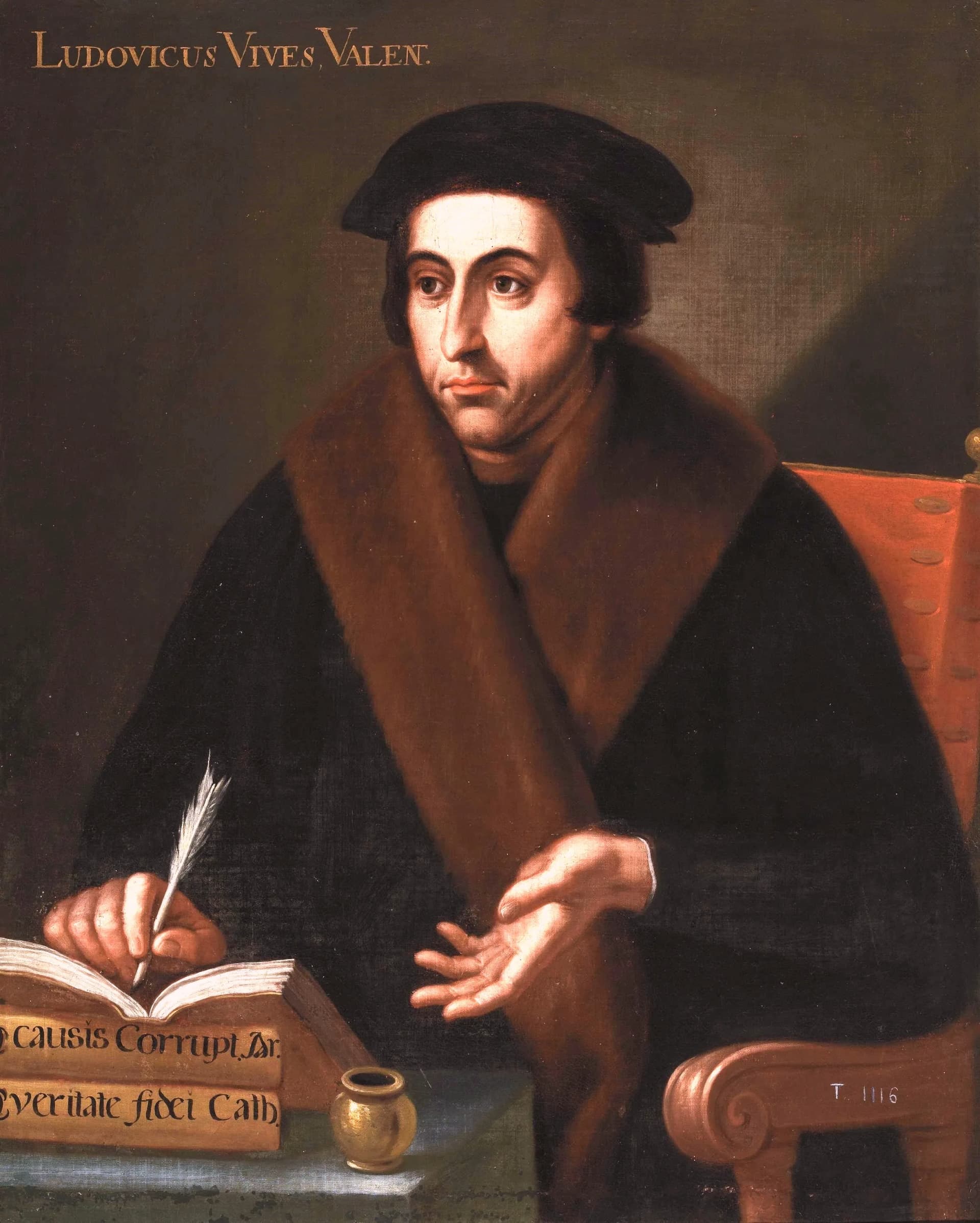
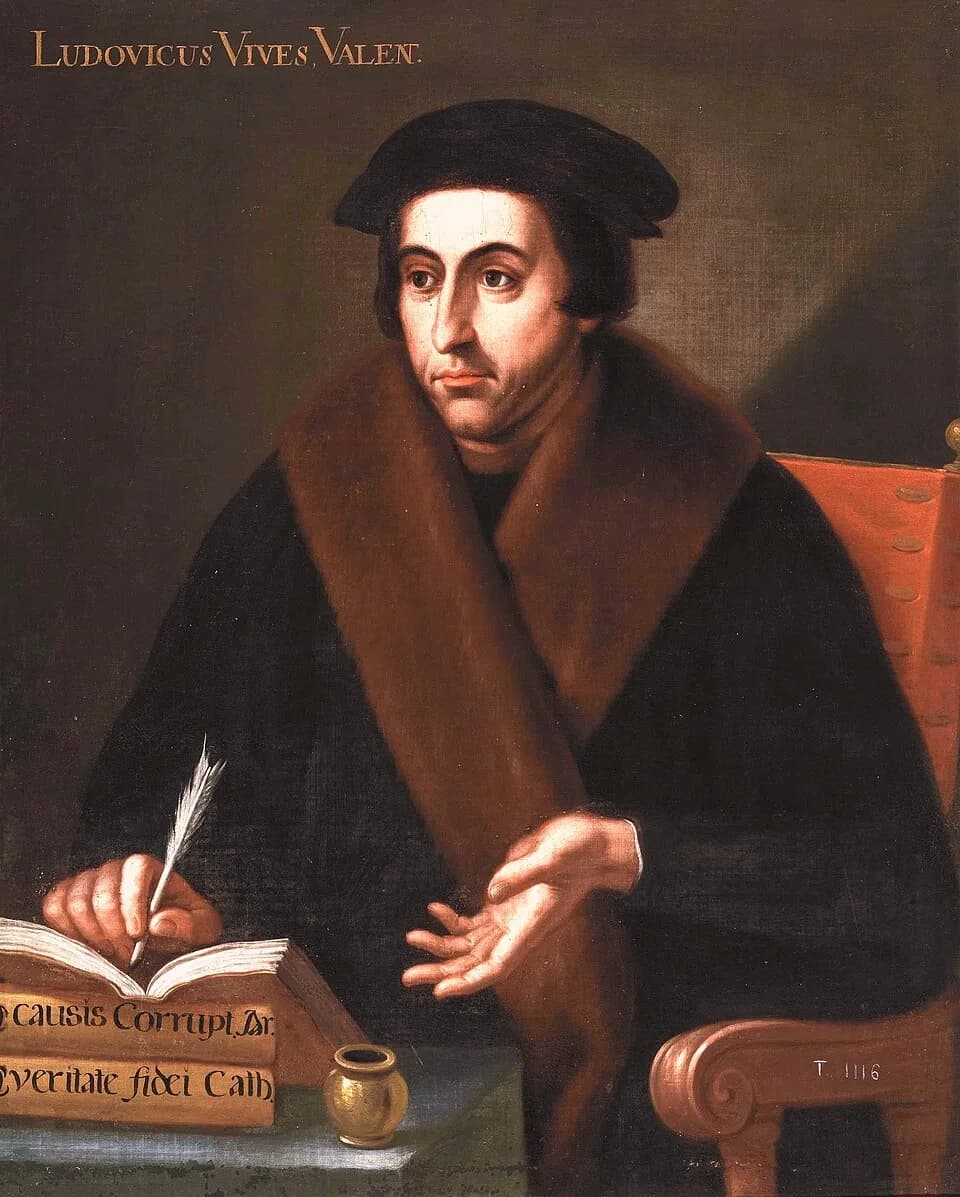
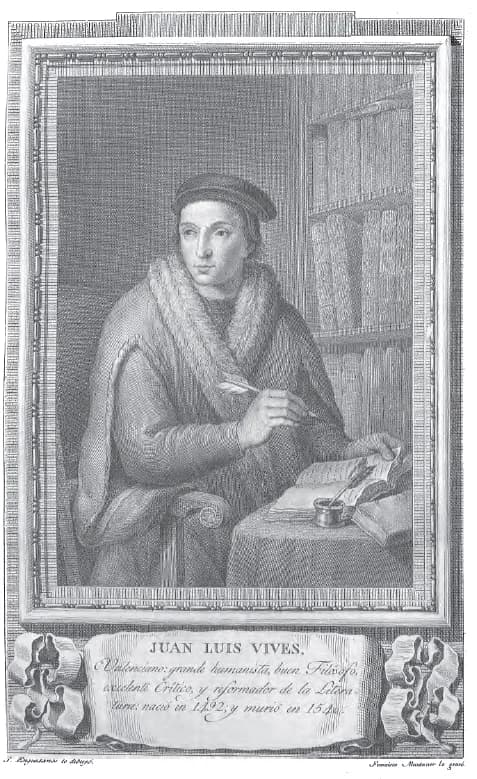
Juan Luis Vives (March 15, 1492 – May 6, 1540) was a Spanish philosopher and Renaissance humanist from Valencia, Spain. He is known as the "father" of modern psychology for his pioneering beliefs on the soul, emotions, and learning. His insights established how psychology is perceived today.
第0章
人生の章
第1章 · 1492年· 全7章中第1章
Remembering Juan Luis Vives
We honor the memory of Juan Luis Vives (March 15, 1492 – May 6, 1540), a distinguished Spanish philosopher and a prominent figure of Renaissance humanism. Throughout his life, Vives made significant contributions to education and thought, ultimately earning him the esteemed title of the "father" of modern psychology. His pioneering work laid foundational insights into the human mind, leaving an enduring scholarly legacy.
第2章 · 1492年· 全7章中第2章
Early Life and Origins
Juan Luis Vives was born on March 15, 1492, in Valencia, Spain. This vibrant city provided the backdrop for his formative years, shaping his early intellectual curiosity and philosophical inclinations. During this period of burgeoning European thought, Vives began his journey toward becoming a scholar whose ideas would resonate for centuries.
第3章· 全7章中第3章
Career Beginnings
Vives embarked on a distinguished professional path early in his adult life. He dedicated himself to various roles, including that of a teacher and a pedagogue, imparting knowledge with innovative methods. His commitment to learning extended to the university setting, where he served as a university teacher, influencing countless students with his humanist perspectives.
Most of his adult life was spent in the southern Habsburg Netherlands, a region that became central to his academic and professional endeavors. Here, he continued to develop his philosophical ideas and educational practices, establishing himself as a significant voice among Renaissance humanists. His environment allowed for a rich exchange of ideas that fueled his intellectual growth.
第4章· 全7章中第4章
Major Achievements and Career Highlights
Juan Luis Vives is widely recognized for his profound insights into the human mind, earning him the prestigious title of the "father" of modern psychology. His beliefs concerning the soul were groundbreaking for his era, offering a new perspective on human consciousness. Vives also delved into early medical practices, connecting physical and mental well-being in a way that foreshadowed modern understanding.
His explorations into emotions, memory, and learning were particularly innovative, establishing key ideas that continue to influence how psychology is perceived today. Vives was among the first scholars to articulate principles that would later become cornerstones of psychological study. These pioneering thoughts solidified his place as a visionary thinker in the history of science and philosophy.
第5章· 全7章中第5章
Notable Works or Contributions
Vives was a prolific scholar, with an academic output that included 36 papers, reflected in an h-index of 9. His written works explored a wide array of subjects, primarily focusing on education, philosophy, and humanist ideals. These publications served as critical vehicles for disseminating his groundbreaking ideas across Europe.
Among his most cited works is "The instruction of a Christen woman," published in 2002, which has accumulated 39 citations. Another significant contribution, "The Education of a Christian Woman" from 2001, garnered 27 citations, demonstrating his deep engagement with educational philosophy and women's roles in society. These texts highlighted his progressive views on pedagogy and moral instruction.
Further showcasing his dedication to educational reform, "Tudor School-Boy Life: The Dialogues of Juan Luis Vives" was published in 2007, receiving 7 citations. This work provided valuable insights into the daily lives and learning experiences of students during the Tudor period, reflecting his practical approach to educational theory. His writings underscore his enduring commitment to improving methods of learning and intellectual development.
第6章 · 1540年· 全7章中第6章
Later Years
Juan Luis Vives spent his final years in Bruges, Belgium, where he passed away on May 6, 1540. His death at the age of 48 marked the end of a life devoted to scholarship and intellectual inquiry. Despite his relatively short life, his impact on philosophy and education was substantial and far-reaching.
第7章· 全7章中第7章
Legacy and Impact
Juan Luis Vives left a profound and lasting impact on the fields of philosophy, education, and psychology. His designation as the "father" of modern psychology speaks volumes about his forward-thinking approach to understanding the human mind. His conceptualization of the soul, emotions, memory, and learning provided a new framework for subsequent psychological thought.
As a leading Renaissance humanist, Vives championed human dignity and the importance of education for all. His works continue to be studied for their historical significance and their relevance to contemporary discussions on pedagogy and the nature of consciousness. His legacy endures through his writings and the foundational ideas he contributed to Western thought.
瞬間の中の人生
人生を形作った瞬間
FAQ
よくある質問
Juan Luis Vivesはいつ亡くなりましたか?
Juan Luis Vivesは1540年5月6日にBruges, Belgiumで亡くなりました(享年48歳)。
Juan Luis Vivesはどこで生まれましたか?
Juan Luis Vivesは1492年3月15日にValencia, Spainで生まれました。
Juan Luis Vivesは何で最もよく知られていますか?
Juan Luis VivesはSpanish philosopherで最もよく知られています。
Juan Luis Vivesは何歳で亡くなりましたか?
Juan Luis Vivesは亡くなった時48歳でした。
Juan Luis Vivesの国籍はどこですか?
Juan Luis VivesはSpainの出身です。
年表
人生の概要
写真ギャラリー
写真の中の人生
ポラロイドをクリックして拡大 · 25枚の写真
QRコード
この経歴を共有
印刷して共有
スキャンしてこの経歴ページを訪問。イベント、展示会、教育資料に印刷してご利用ください。