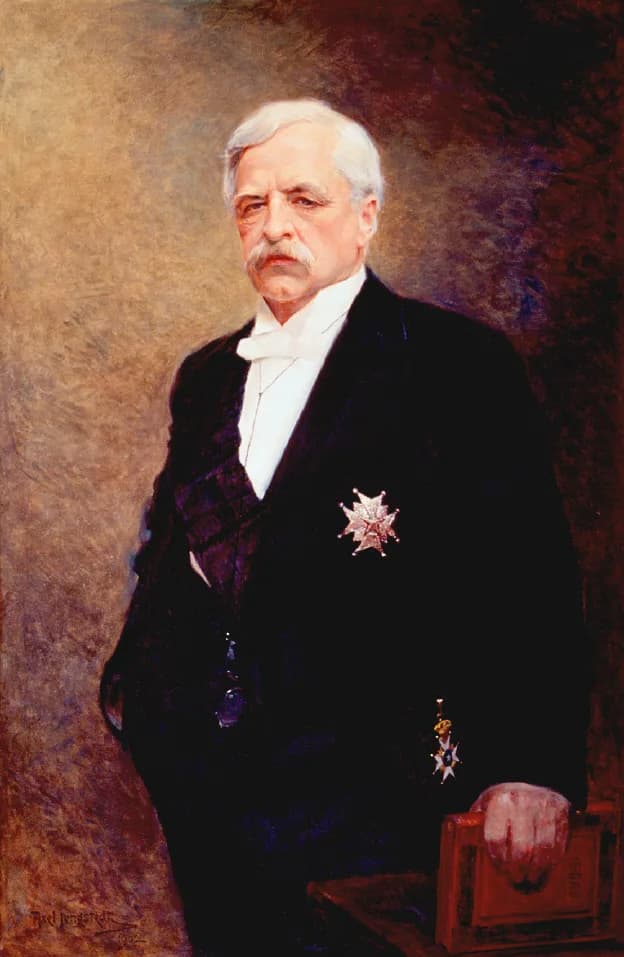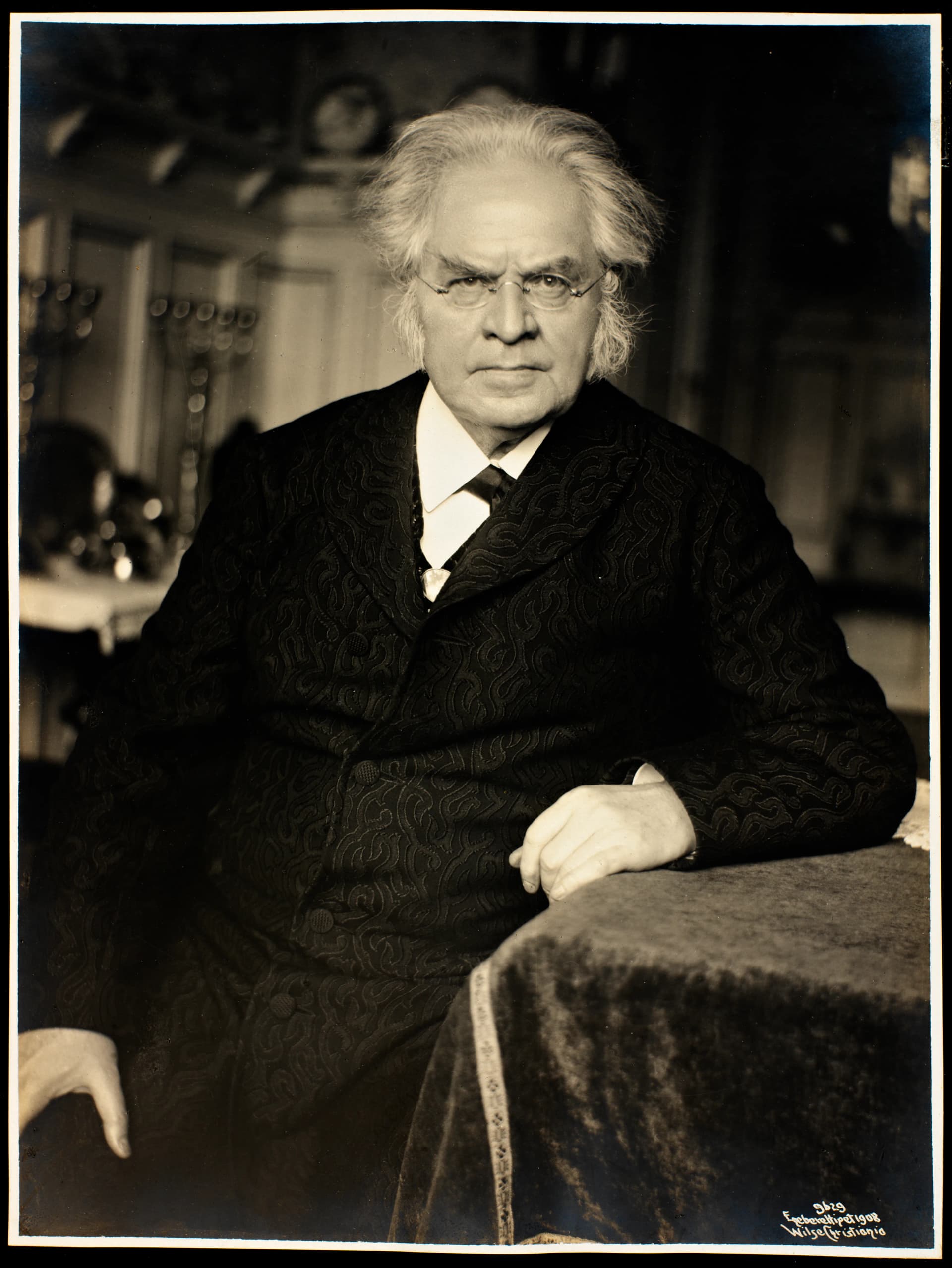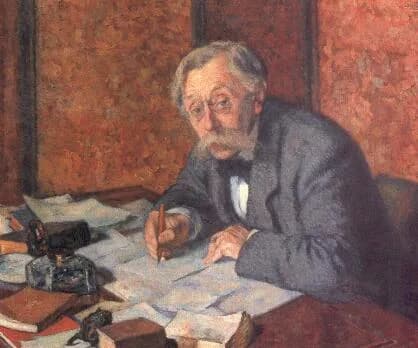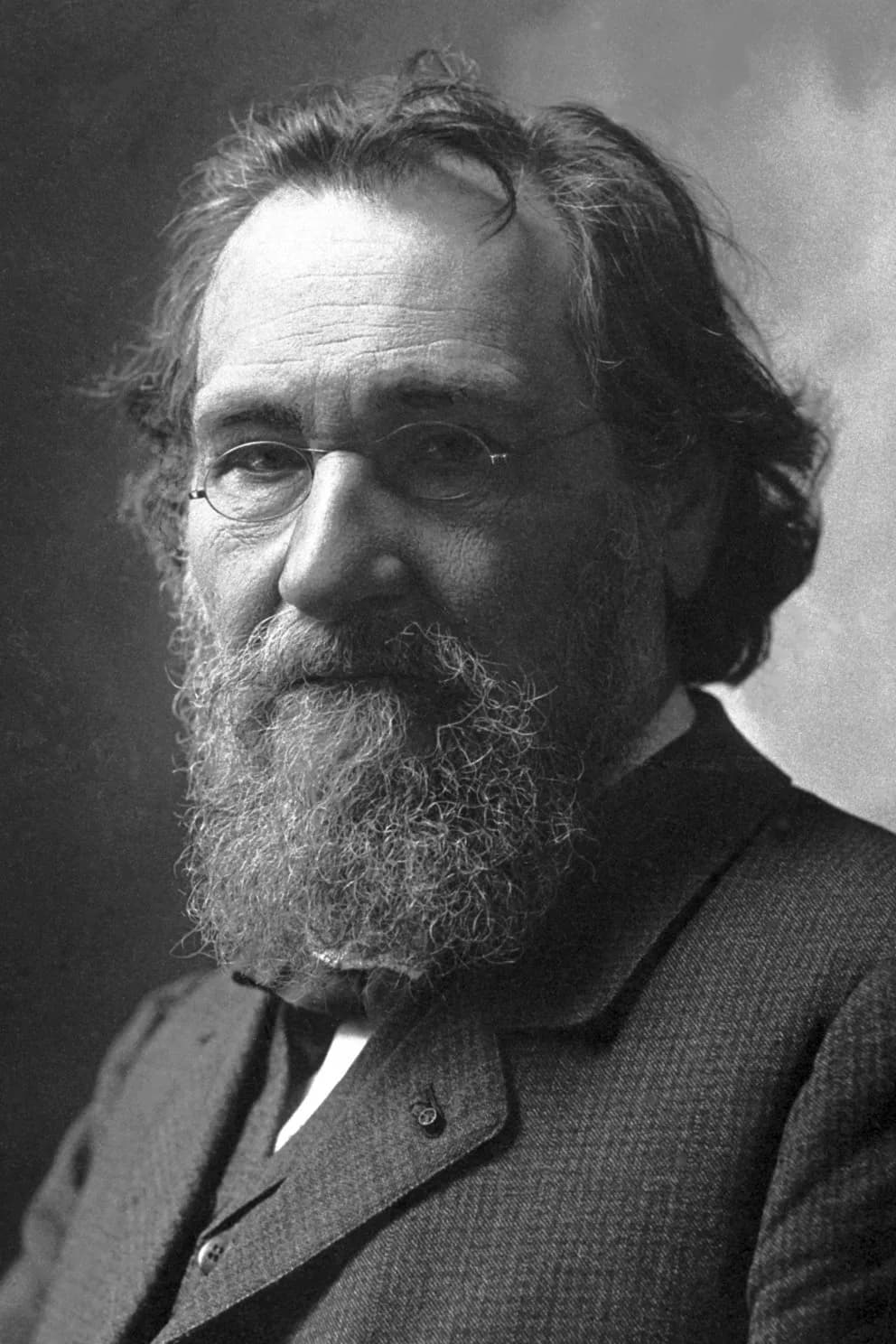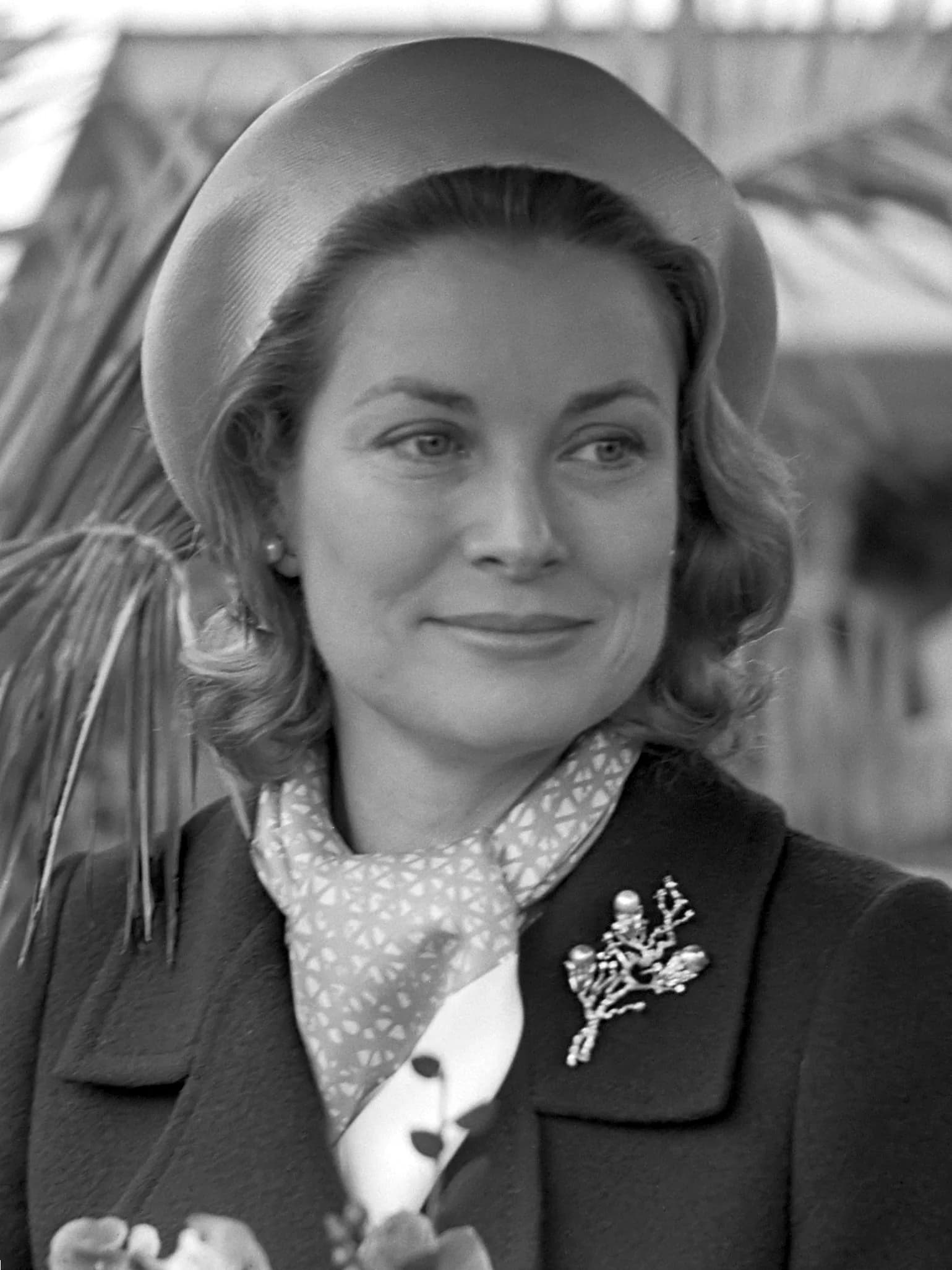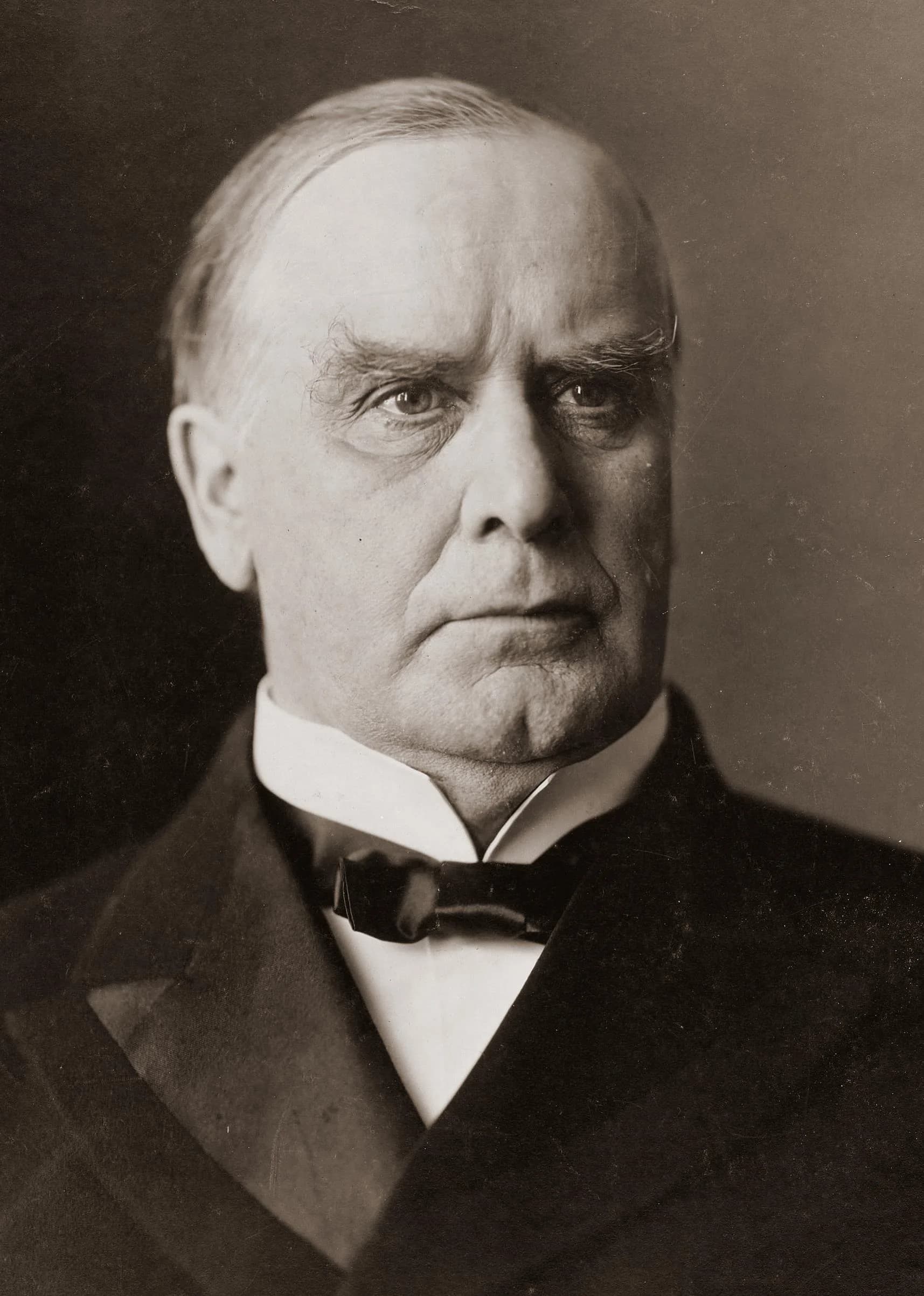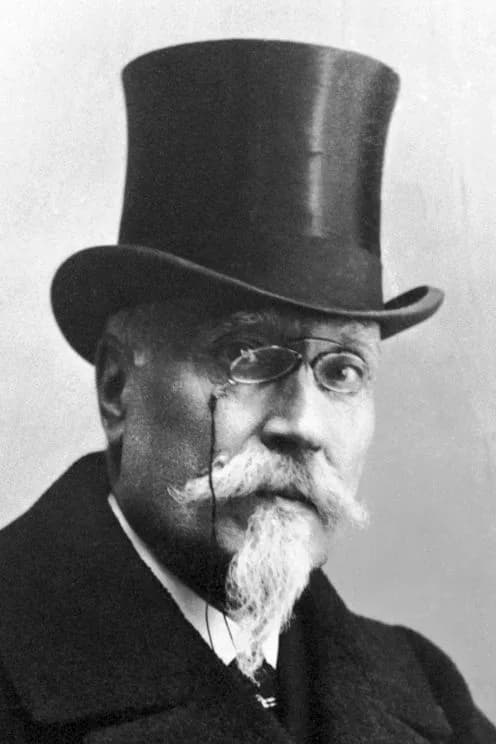
誕生
April 19, 1832
Madrid, Spain
永眠
September 14, 1916
Madrid, Spain
知られていること
Spanish playwright
José Echegaray (1832–1916) was Spain best known for Spanish playwright.
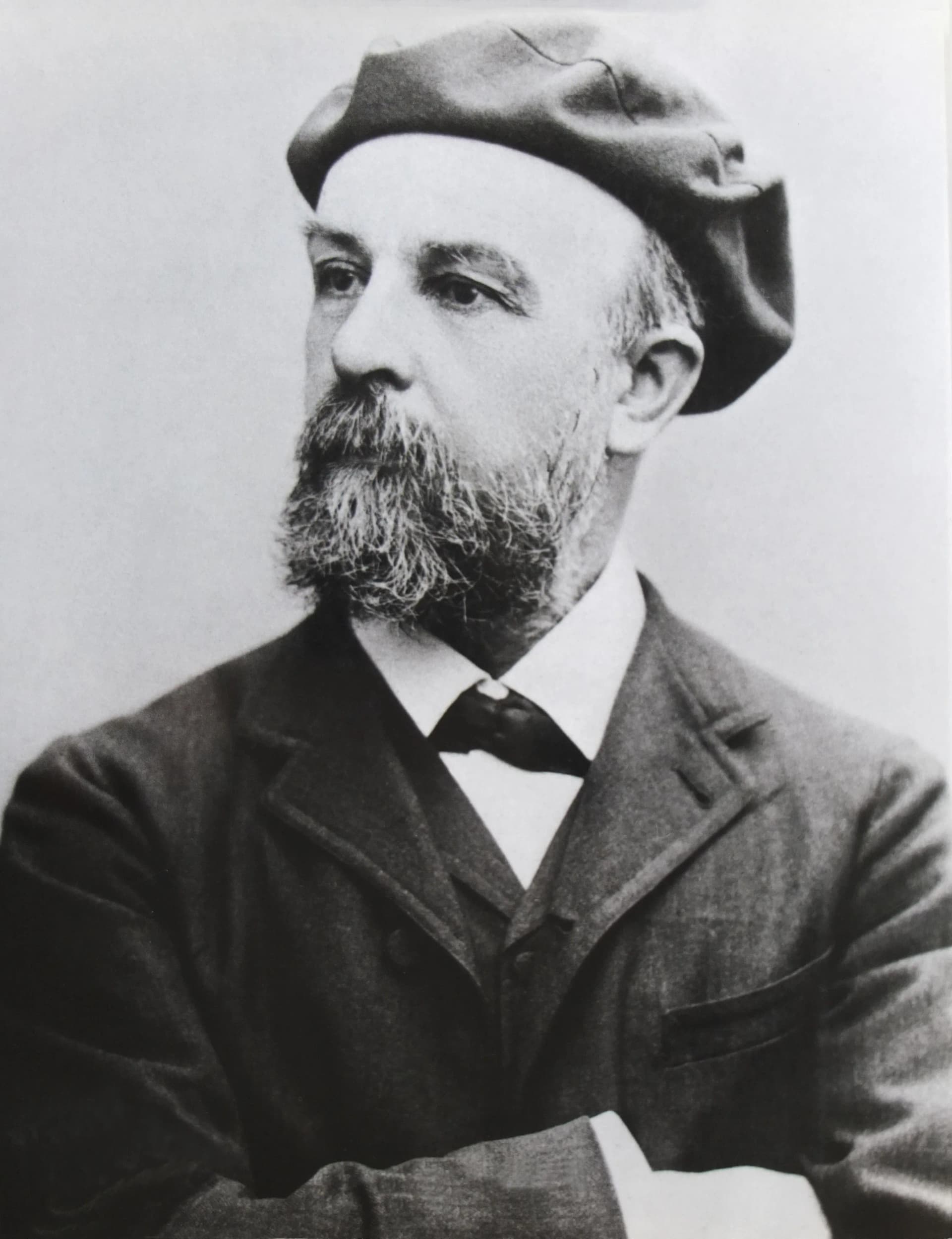
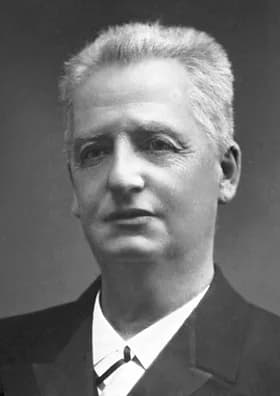
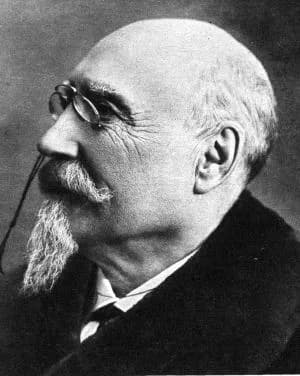
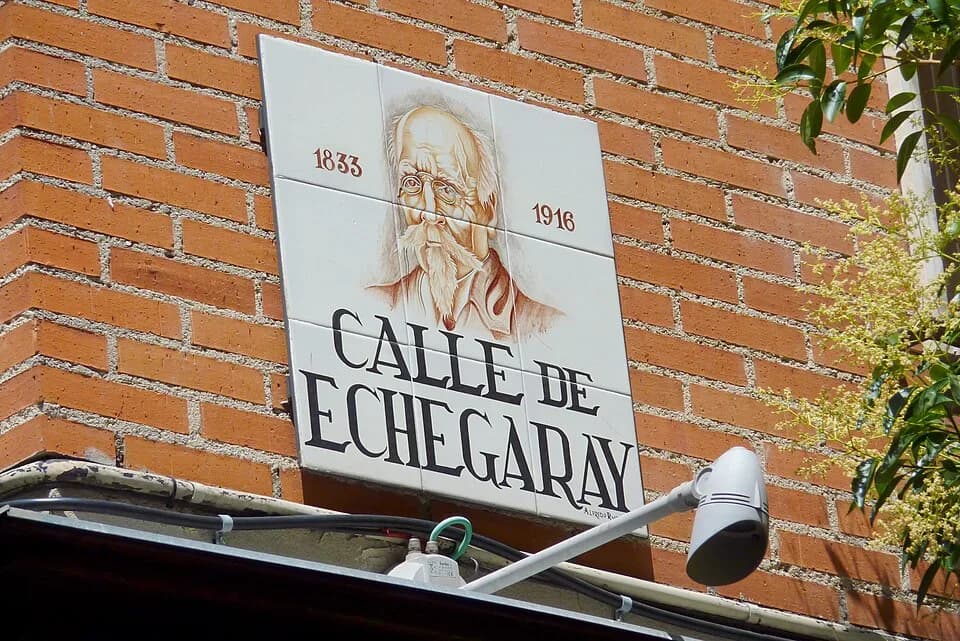
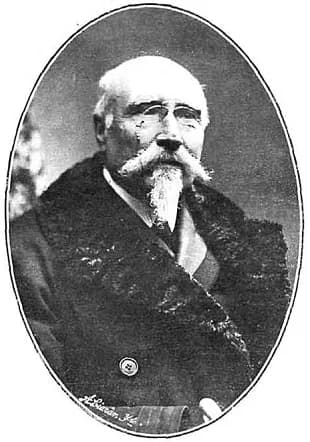
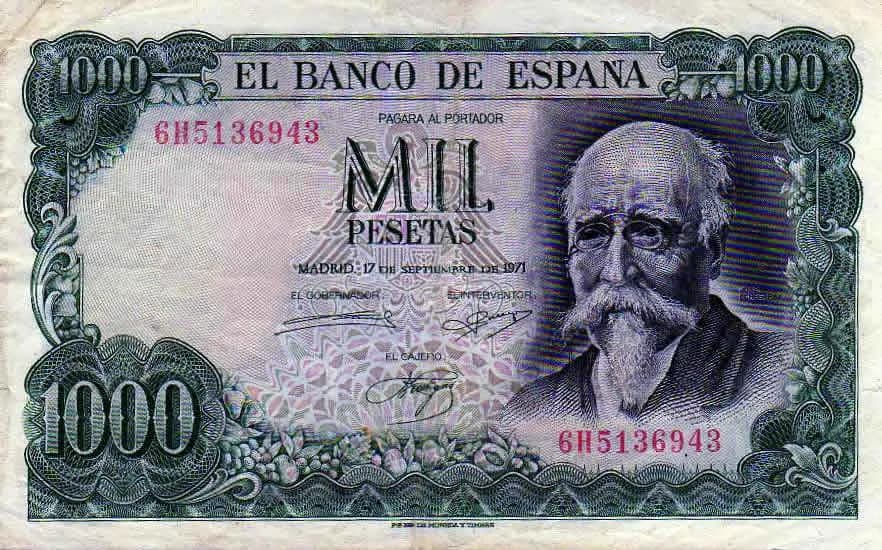
José Echegaray (April 19, 1832 – September 14, 1916) was a Spanish playwright from Madrid. He received the 1904 Nobel Prize in Literature for his numerous compositions which revived Spanish drama. His diverse career also included roles as an engineer, mathematician, and statesman.
瞬間の中の人生
人生を形作った瞬間
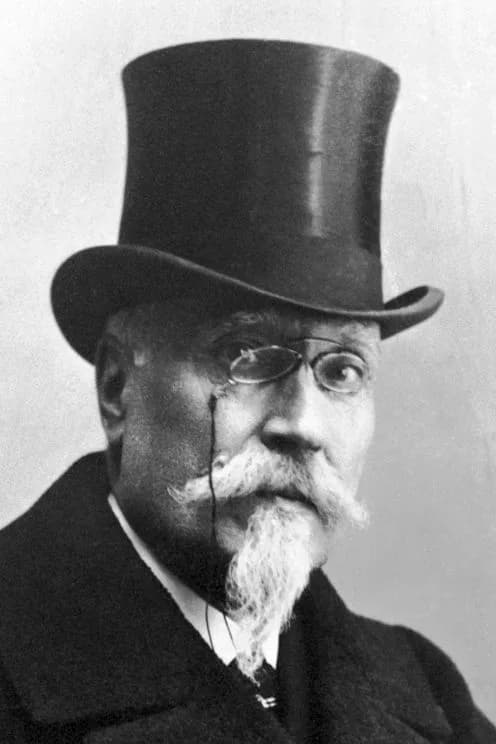
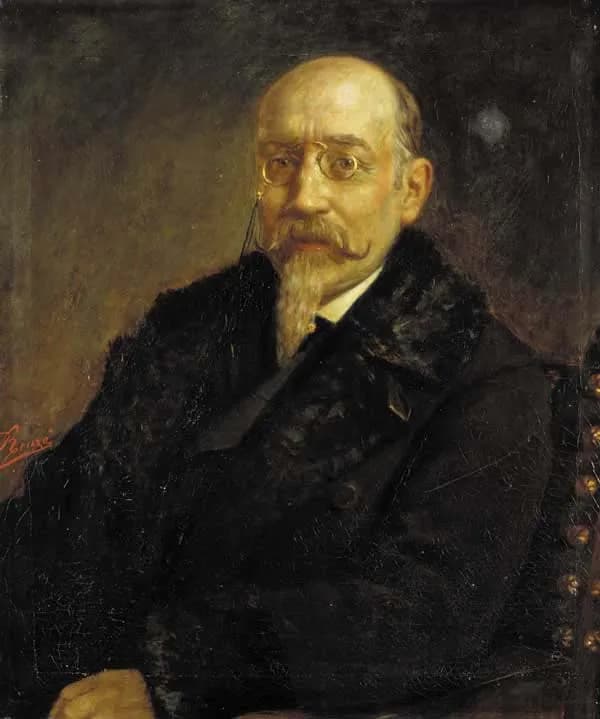
第0章
人生の章
第1章 · 1832年· 全7章中第1章
Early Life and Origins
Born in Madrid, Spain, on April 19, 1832, José Echegaray's early life was rooted in the vibrant Spanish capital. While detailed accounts of his family and upbringing are not extensively provided, his subsequent achievements clearly indicate a strong foundational education. His formative years in Madrid undoubtedly fostered his wide-ranging interests and prepared him for a career spanning multiple demanding fields.
第2章· 全7章中第2章
Career Beginnings
Echegaray embarked on his professional journey with a solid academic background, which underpinned his diverse career. Initially, he made significant contributions as a civil engineer and mathematician, demonstrating his rigorous intellect and commitment to scientific principles. These early endeavors showcased his capacity for complex problem-solving and set the stage for his later accomplishments in both technical and artistic domains.
第3章 · 1904年· 全7章中第3章
Major Achievements and Career Highlights
A pinnacle of Echegaray's career was the prestigious award of the 1904 Nobel Prize in Literature. This international recognition celebrated his extraordinary contributions to the dramatic arts. The Nobel Committee specifically cited his "numerous and brilliant compositions which, in an individual and original manner, have revived the great traditions of the Spanish drama."
Beyond his literary accolades, José Echegaray held prominent positions as a politician and statesman within Spain. His involvement in public life underscored a broader commitment to national development and societal progress. He skillfully navigated the demands of scientific, political, and artistic spheres, distinguishing himself in each.
His professional life was characterized by a rare versatility, encompassing roles as a writer, civil engineer, mathematician, economist, and politician. This array of professions highlights his immense intellectual curiosity and his ability to excel across seemingly disparate disciplines. Echegaray’s singular blend of expertise made him a truly unique figure of the late 19th and early 20th centuries.
第4章· 全7章中第4章
Personal Life
While specific details regarding José Echegaray's personal life, including family and relationships, are not provided in the available information, his extensive professional engagements suggest a life intensely dedicated to his work. His presence in Madrid, the city of his birth and death, indicates a deep connection to his Spanish roots. He was a central figure in the intellectual and political circles of his time.
第5章· 全7章中第5章
Notable Works or Contributions
José Echegaray's bibliography is rich with dramatic works that significantly shaped the Spanish theatrical tradition. Plays such as "Bodas trágicas," a dramatic tableau written for Madame Civili, exemplify his dedication to the stage. He also authored the compelling "!Barbiana!" and the thought-provoking "Wahnsinn oder heiligkeit."
Other noteworthy plays include "Un sol que nace y un sol que muere" and "Muestras," which further showcased his command of dramatic narrative and character development. His work "Conflicto entre dos deberes" explored moral dilemmas, resonating with contemporary audiences. These compositions were central to his Nobel recognition.
Perhaps one of his most recognized plays, "Marta of the Lowlands (Terra Baixa); a Play in Three Acts," stands as an enduring example of his dramatic prowess. Beyond the stage, Echegaray's intellectual contributions extended to academic texts like "Cálculo de Variaciones..." and "Libro Talonario," affirming his scientific and economic scholarship.
第6章 · 1916年· 全7章中第6章
Later Years
José Echegaray maintained an active and influential presence throughout his later years. He continued to contribute to public discourse and artistic endeavors, remaining a respected voice in Spanish society. He passed away in his beloved Madrid on September 14, 1916, leaving behind a rich legacy.
第7章· 全7章中第7章
Legacy and Impact
The lasting legacy of José Echegaray is diverse, particularly in the revitalization of Spanish drama. He is celebrated for his "individual and original manner" in composing works that brought new life to traditional Spanish theater. His plays are studied as examples of a vibrant period in Spanish literary history.
Echegaray's impact also stems from his rare ability to bridge the worlds of science and art. His successful careers as a civil engineer, mathematician, economist, and statesman alongside his literary achievements provided a unique model. He demonstrated that rigorous intellectual pursuits and creative expression could thrive simultaneously.
His pioneering efforts not only earned him the Nobel Prize but also inspired future generations of Spanish writers, thinkers, and public servants. José Echegaray y Eizaguirre remains a symbol of Spanish intellectual dynamism, remembered for his brilliance, versatility, and enduring contributions to his nation's cultural and scientific heritage.
FAQ
よくある質問
José Echegarayはいつ亡くなりましたか?
José Echegarayは1916年9月14日にMadrid, Spainで亡くなりました(享年84歳)。
José Echegarayはどこで生まれましたか?
José Echegarayは1832年4月19日にMadrid, Spainで生まれました。
José Echegarayは何で最もよく知られていますか?
José EchegarayはSpanish playwrightで最もよく知られています。
José Echegarayは何歳で亡くなりましたか?
José Echegarayは亡くなった時84歳でした。
José Echegarayの国籍はどこですか?
José EchegarayはSpainの出身です。
年表
人生の概要
写真ギャラリー
写真の中の人生
ポラロイドをクリックして拡大 · 47枚の写真
QRコード
この経歴を共有
印刷して共有
スキャンしてこの経歴ページを訪問。イベント、展示会、教育資料に印刷してご利用ください。