誕生
March 29, 1927
Wythall, United Kingdom
永眠
November 19, 2004
London Borough of Bromley, United Kingdom
知られていること
English pharmacologist
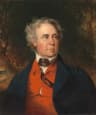
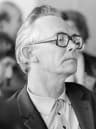
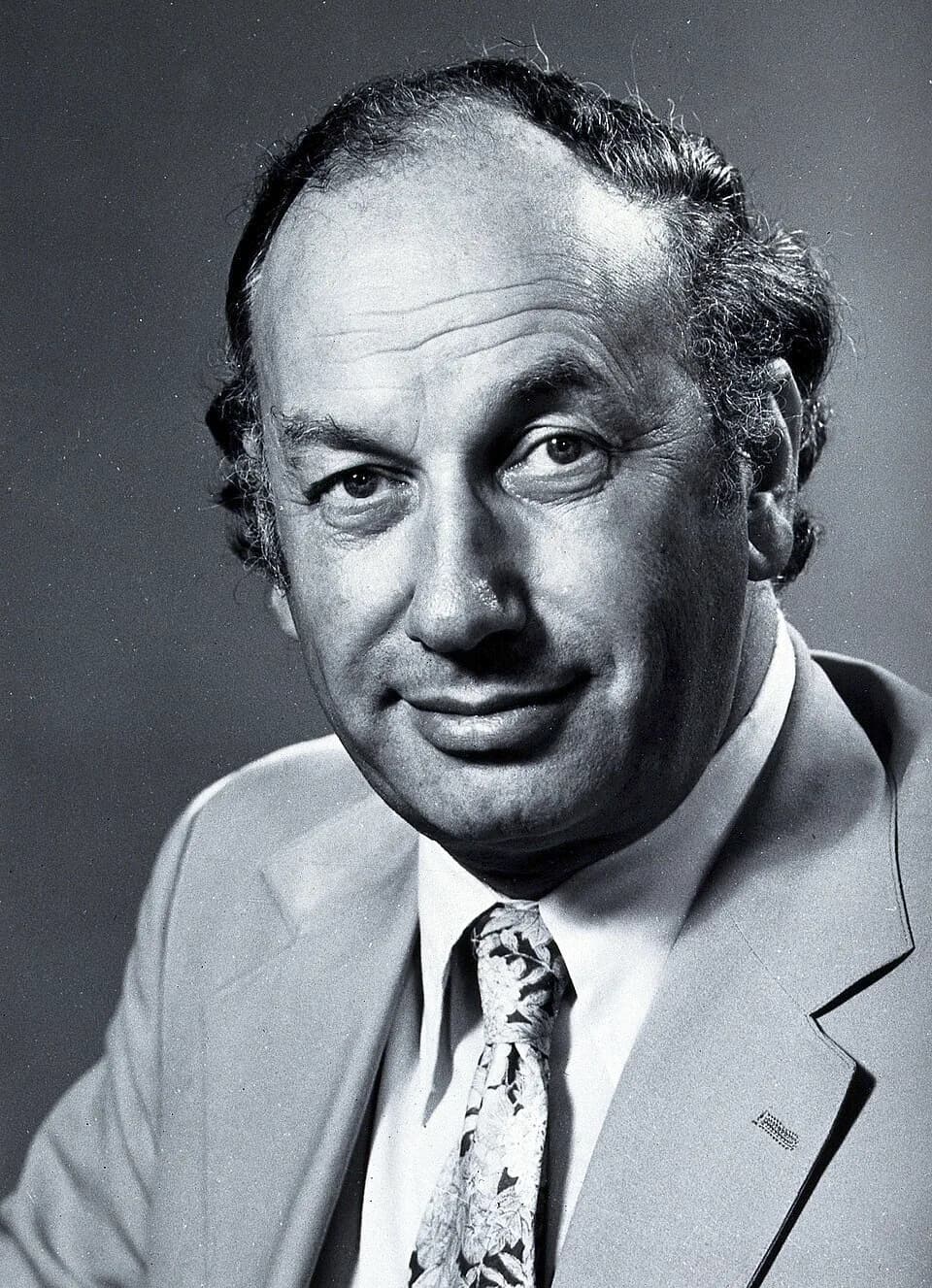
John Vane (1927–2004) was United Kingdom best known for English pharmacologist.
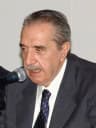
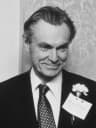
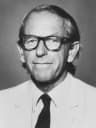
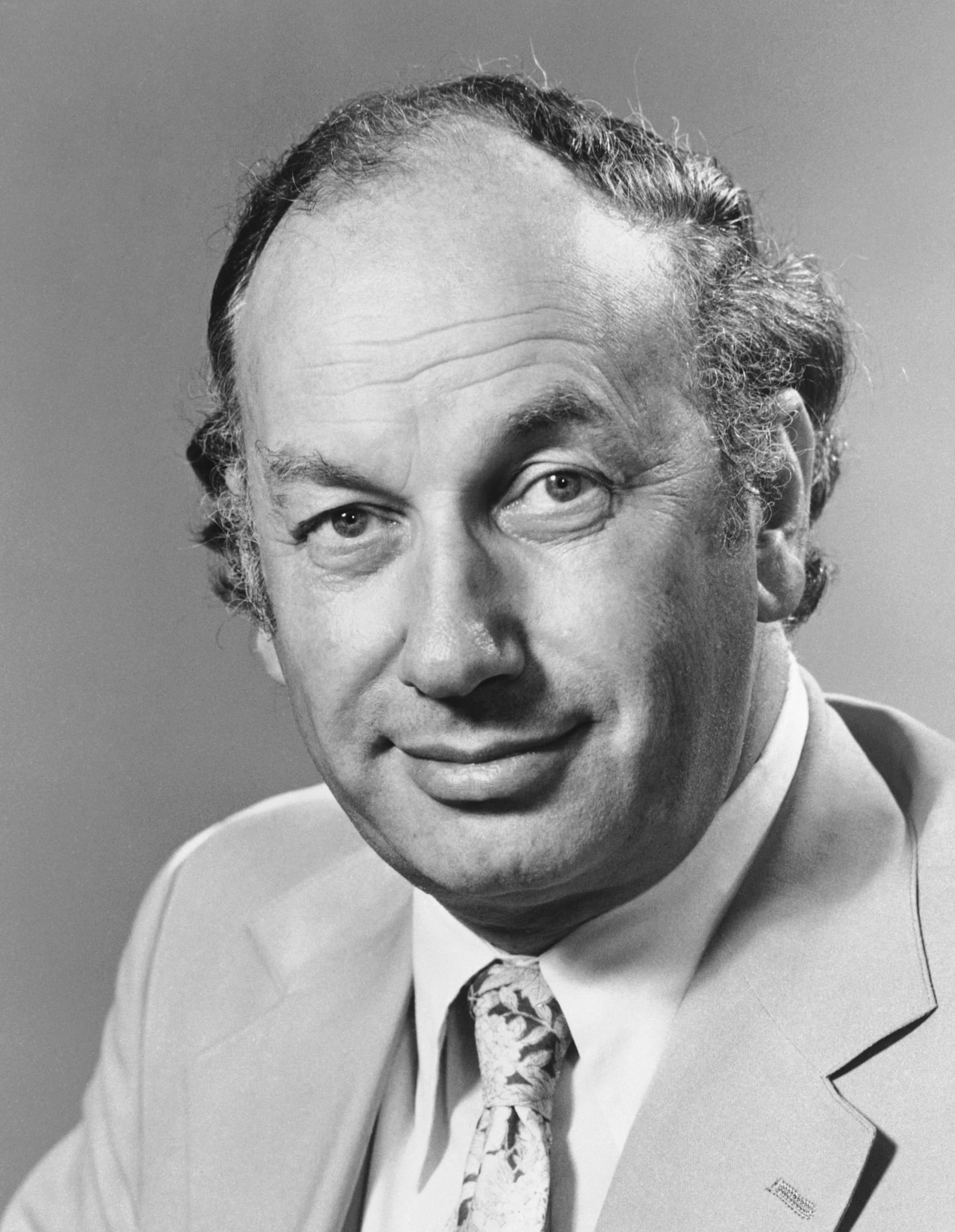
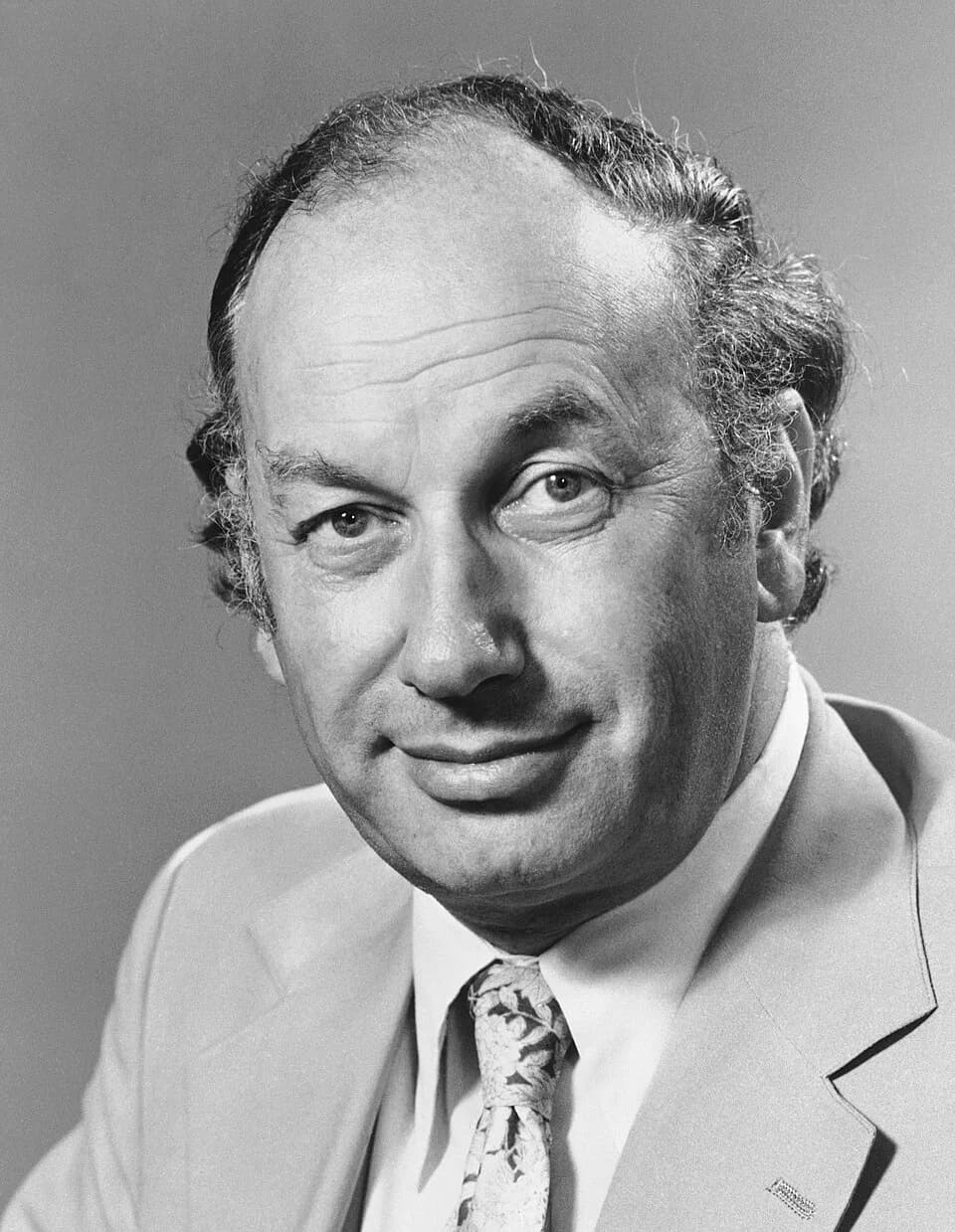
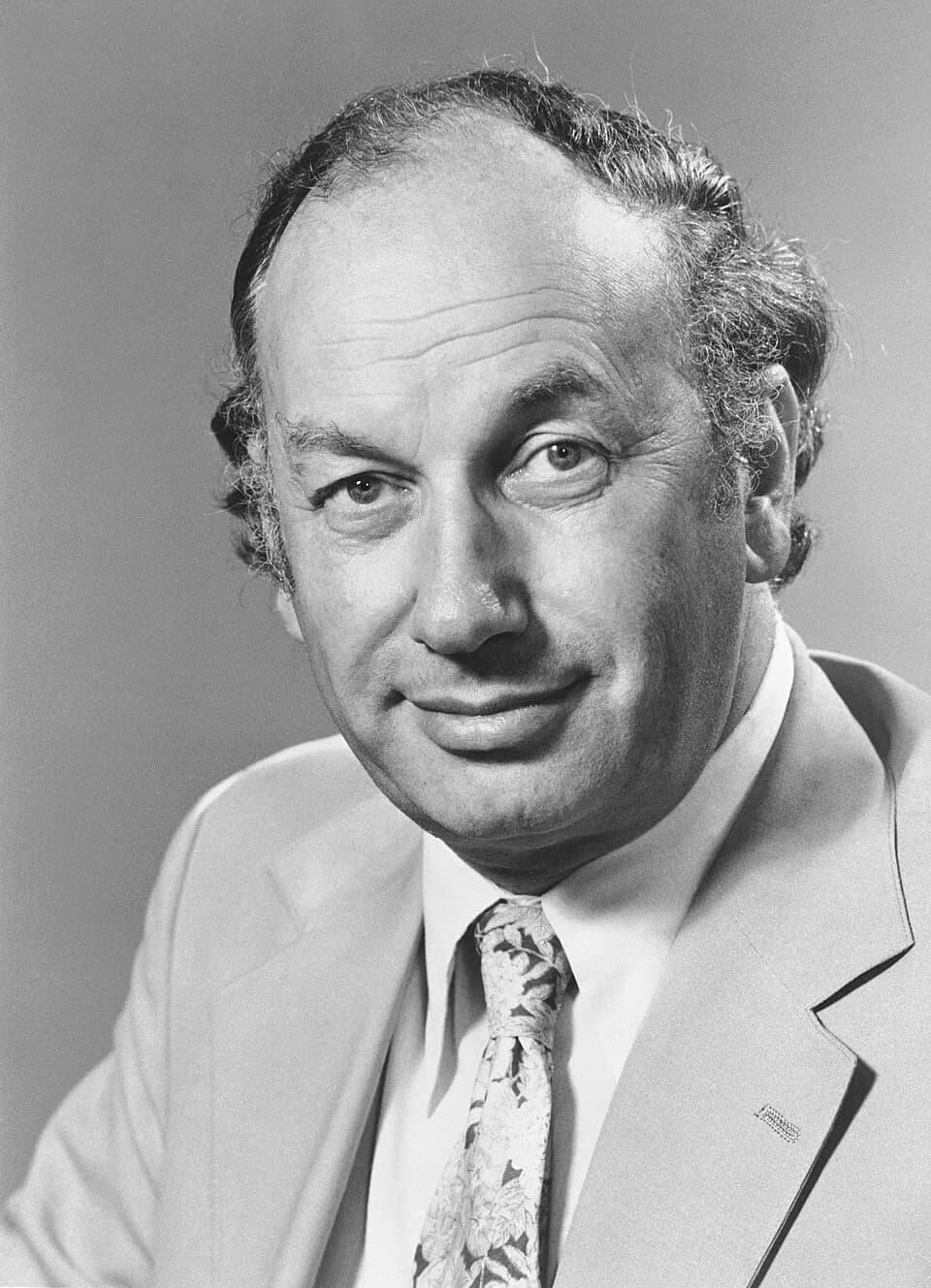
John Vane (March 29, 1927 – November 19, 2004) was an English pharmacologist from the United Kingdom. He was awarded the Nobel Prize in 1982 for his work on prostaglandins and was instrumental in understanding aspirin's effects. His contributions led to new treatments for heart and blood vessel disease, including ACE inhibitors.
第0章
人生の章
第1章 · 1927年· 全7章中第1章
Early Life and Origins
John Vane was born on March 29, 1927, in Wythall, a village situated in the United Kingdom. This British locale served as the starting point for a life dedicated to scientific inquiry and discovery. While specific details of his early family life and initial educational experiences are not extensively documented, his roots in Wythall shaped his formative years.
第2章· 全7章中第2章
Career Beginnings
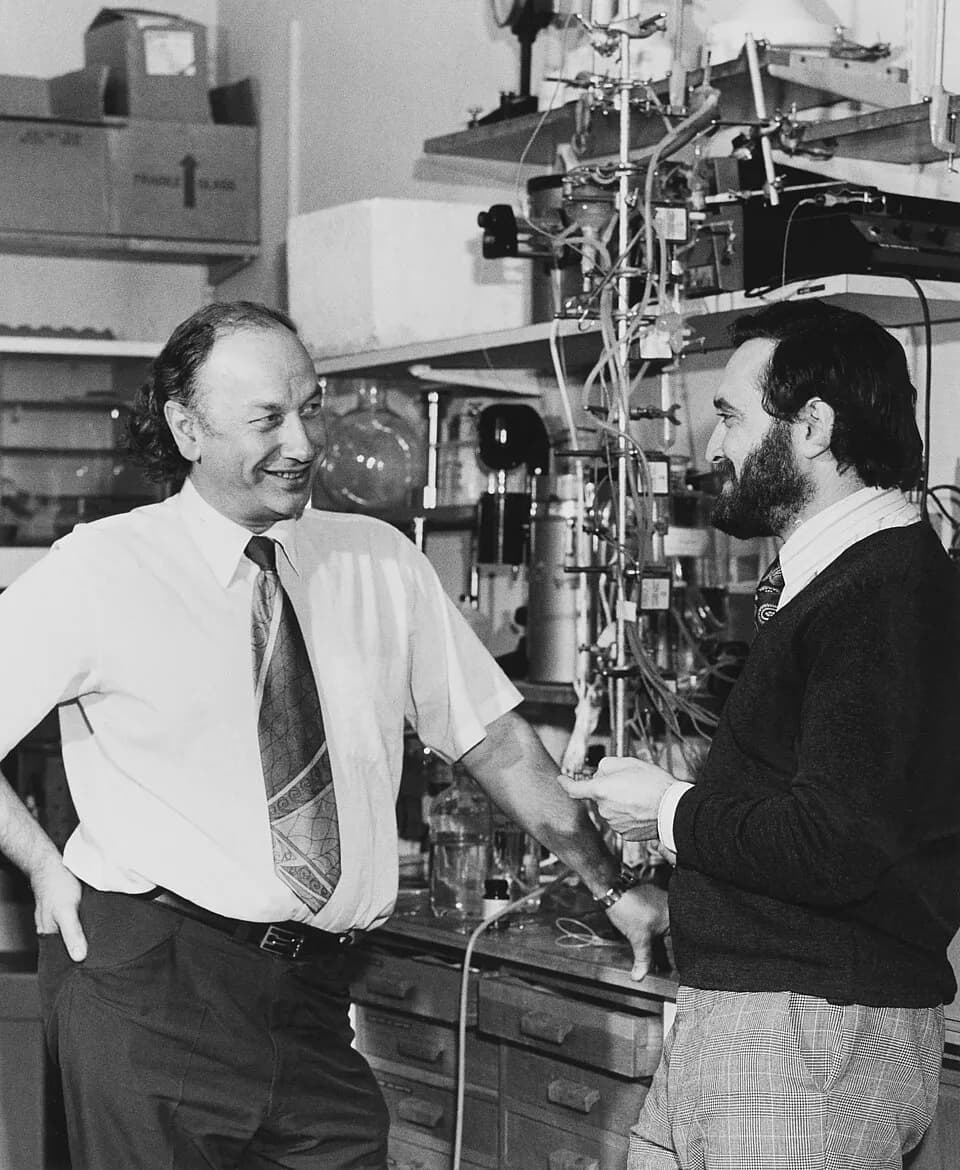
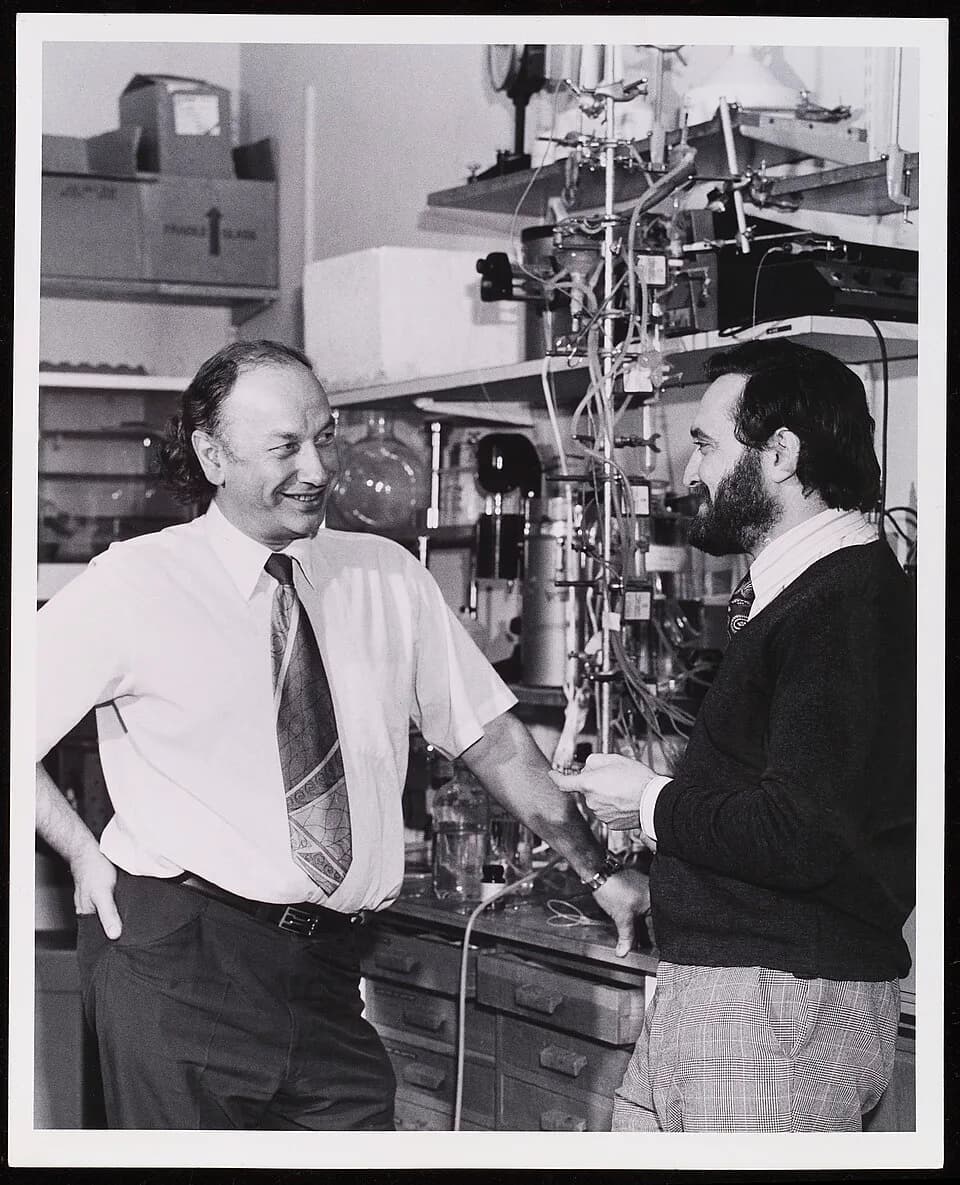
Sir John Vane pursued a path that led him to excel in several scientific professions. He became known as a dedicated university teacher, sharing his knowledge and fostering new generations of scientists. His foundational work as a biochemist provided him with a deep understanding of the molecular underpinnings of life, which was crucial for his later pharmacological discoveries.
第3章 · 1982年· 全7章中第3章
Major Achievements and Career Highlights
A pivotal moment in Sir John Vane's illustrious career came in 1982 when he was jointly awarded the Nobel Prize in Physiology or Medicine. This immense honor was shared with fellow scientists Sune Bergström and Bengt Samuelsson. Their collective work was recognized for "their discoveries concerning prostaglandins and related biologically active substances," shedding light on crucial bodily functions.
Sir John's research was instrumental in clarifying how common medications exert their effects. He made significant strides in understanding how aspirin, a widely used drug, produces its pain-relief and anti-inflammatory properties. This fundamental insight provided a scientific basis for the therapeutic use of aspirin and spurred further research into similar compounds.
Beyond aspirin, Sir John Vane's scientific investigations extended to broader areas of health. His work directly contributed to the development of new and effective treatments for heart and blood vessel disease. Notably, his research was central to the introduction of ACE inhibitors, a class of drugs that have since become indispensable in managing cardiovascular conditions worldwide.
第4章· 全7章中第4章
Personal Life
While Sir John Vane's professional achievements garnered significant public attention, details of his personal life were largely kept private. He was known for his dedication to scientific research, a passion that consumed much of his professional existence. His focus remained steadfast on his academic pursuits and the advancement of pharmacological knowledge throughout his life.
第5章· 全7章中第5章
Notable Works or Contributions
Sir John Vane's contributions fundamentally altered the pharmacological landscape. His most celebrated work centered on prostaglandins, a group of lipid compounds derived from fatty acids that have potent hormone-like effects in the body. His discoveries revealed their essential roles in inflammation, pain, and various physiological processes.
One of his most significant contributions was elucidating the mechanism by which aspirin inhibits the synthesis of prostaglandins, thereby explaining its therapeutic actions. This breakthrough connected a well-known drug to specific biochemical pathways. It paved the way for understanding how anti-inflammatory drugs work at a molecular level.
Moreover, Sir John Vane's efforts led to the practical application of his research in clinical medicine. The introduction of ACE inhibitors, a class of drugs that block the activity of the angiotensin-converting enzyme, is a direct outcome of the understanding fostered by his work. These inhibitors are vital for managing hypertension and other cardiovascular disorders, significantly improving patient outcomes globally.
第6章 · 2004年· 全7章中第6章
Later Years
After achieving the pinnacle of scientific recognition with the Nobel Prize, Sir John Vane continued to contribute to his field. His later years were spent solidifying the impact of his earlier discoveries and potentially guiding new research directions. Sir John Robert Vane passed away on November 19, 2004, in the London Borough of Bromley, United Kingdom, bringing an end to a life of dedicated scientific service.
第7章· 全7章中第7章
Legacy and Impact
The legacy of Sir John Vane is enduring and far-reaching within the fields of pharmacology and medicine. His discoveries concerning prostaglandins and the action of aspirin laid the groundwork for countless subsequent investigations. These insights continue to influence drug development and therapeutic strategies for pain, inflammation, and cardiovascular diseases.
His work did not only expand theoretical knowledge but also directly translated into tangible patient benefits. The introduction of ACE inhibitors stands as a powerful testament to his ability to bridge basic science with clinical application. Sir John Vane's contributions ensured a lasting impact on how we understand and treat some of the most prevalent diseases facing humanity.
瞬間の中の人生
人生を形作った瞬間
FAQ
よくある質問
John Vaneはいつ亡くなりましたか?
John Vaneは2004年11月19日にLondon Borough of Bromley, United Kingdomで亡くなりました(享年77歳)。
John Vaneはどこで生まれましたか?
John Vaneは1927年3月29日にWythall, United Kingdomで生まれました。
John Vaneは何で最もよく知られていますか?
John VaneはEnglish pharmacologistで最もよく知られています。
John Vaneは何歳で亡くなりましたか?
John Vaneは亡くなった時77歳でした。
John Vaneの国籍はどこですか?
John VaneはUnited Kingdomの出身です。
年表
人生の概要
写真ギャラリー
写真の中の人生
ポラロイドをクリックして拡大 · 11枚の写真
QRコード
この経歴を共有
印刷して共有
スキャンしてこの経歴ページを訪問。イベント、展示会、教育資料に印刷してご利用ください。