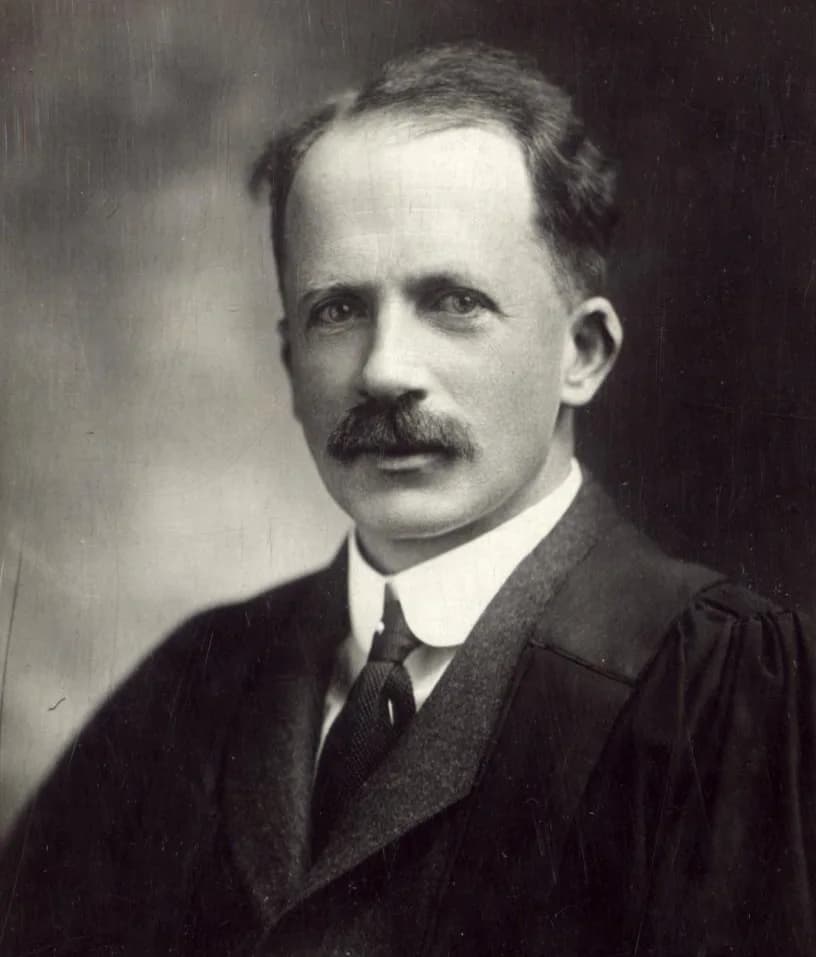
誕生
September 6, 1876
Clunie, United Kingdom
永眠
March 16, 1935
Aberdeen, United Kingdom
知られていること
Nobel prize-winning Scottish physician and physiologist; co-discoverer of insulin
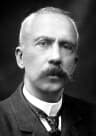
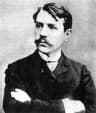
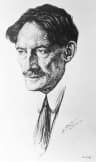
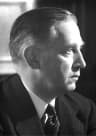
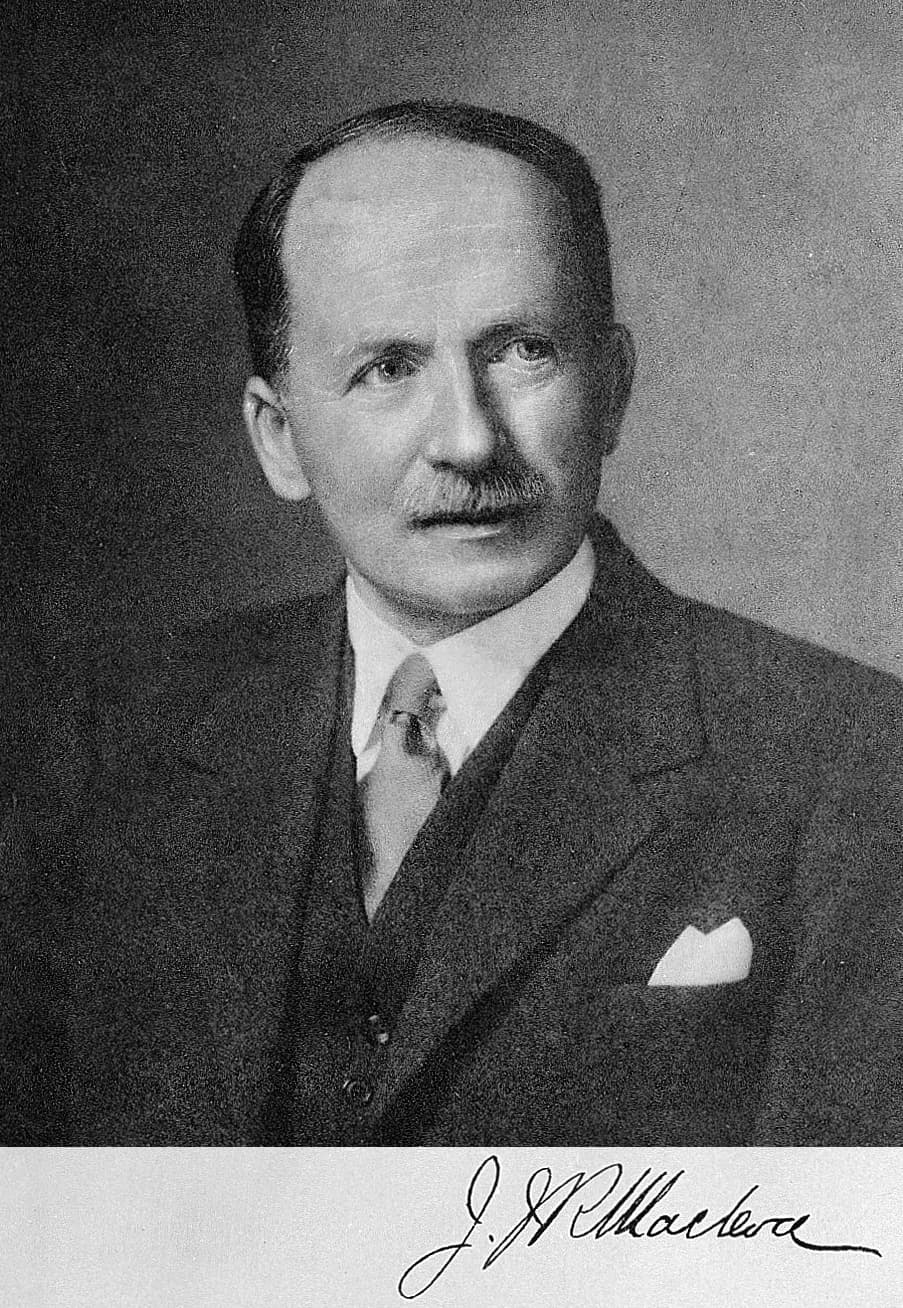
John James Rickard Macleod (1876–1935) was United Kingdom best known for Nobel prize-winning Scottish physician and physiologist; co-discoverer of insulin.
John James Rickard Macleod (September 6, 1876 – March 16, 1935) was a Scottish physician and physiologist. He is celebrated as a co-discoverer of insulin, a breakthrough that earned him the 1923 Nobel Prize in Physiology or Medicine. His essential scientific contributions continue to save countless lives globally.
第0章
人生の章
第1章 · 1876年· 全8章中第1章
Early Life and Origins
John James Rickard Macleod was born on September 6, 1876, in Clunie, United Kingdom. His early life in Scotland laid the foundation for a career dedicated to scientific inquiry and medical innovation. These formative years undoubtedly shaped his intellectual curiosity and his commitment to understanding the complexities of the human body.
第2章· 全8章中第2章
Career Beginnings
Macleod pursued a diverse professional path, establishing himself as a physician, inventor, university teacher, and physiologist. His career was devoted to exploring various topics within physiology and biochemistry. He developed a chief interest in carbohydrate metabolism, a field central to his later groundbreaking work.
第3章· 全8章中第3章
Major Achievements and Career Highlights
A defining period in Macleod's career came during his tenure as a lecturer at the University of Toronto. It was there that he played a crucial role in the discovery and isolation of insulin. This collaborative effort marked a turning point in medical history, offering hope to millions suffering from diabetes.
第4章 · 1923年· 全8章中第4章
Nobel Prize Recognition
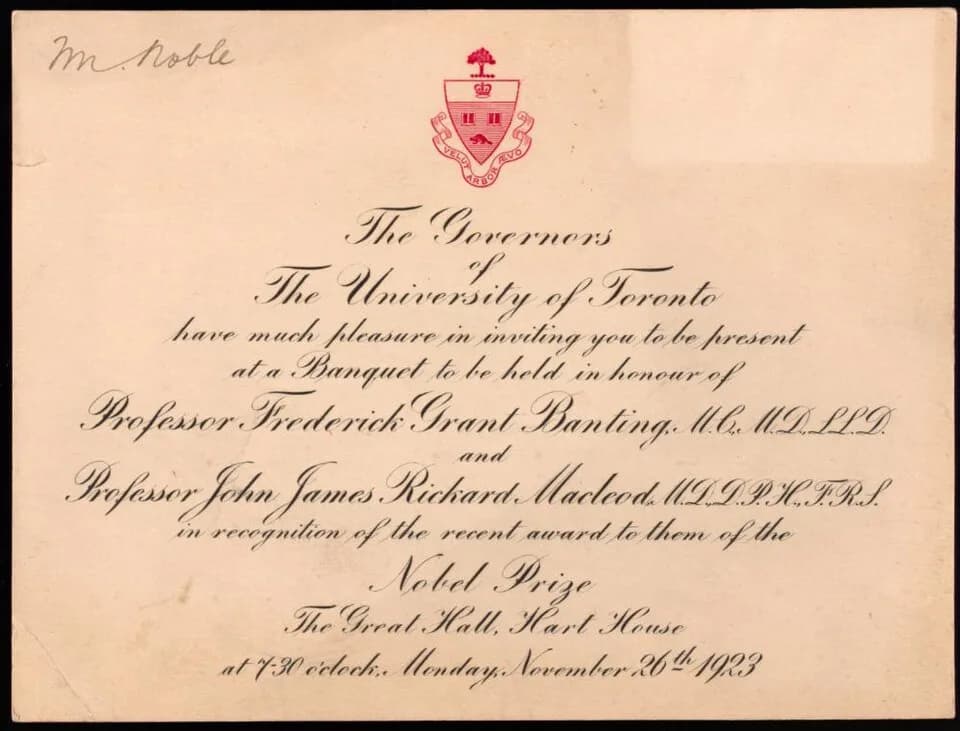
For this monumental discovery, Macleod, along with Frederick Banting, was awarded the 1923 Nobel Prize in Physiology or Medicine. The decision to award the prize to Macleod was met with some controversy at the time, with Banting's initial account downplaying Macleod's contributions. However, an independent review conducted decades later acknowledged Macleod's far greater role than was initially attributed to him.
第5章· 全8章中第5章
Notable Works or Contributions
Macleod's most significant contribution remains the co-discovery of insulin, a hormone essential for regulating blood sugar. Beyond this, his dedication to the study of carbohydrate metabolism underscored his broader scientific commitment. His research provided foundational insights that continue to inform medical understanding today.
第6章· 全8章中第6章
Later Recognition and Scientific Integrity
The historical re-evaluation of the insulin discovery process affirmed Macleod's scientific integrity and vital input. This later acknowledgment corrected earlier narratives, ensuring his rightful place in the pantheon of medical pioneers. It highlighted the meticulous research and guidance he provided to the Toronto team.
第7章 · 1935年· 全8章中第7章
Later Years
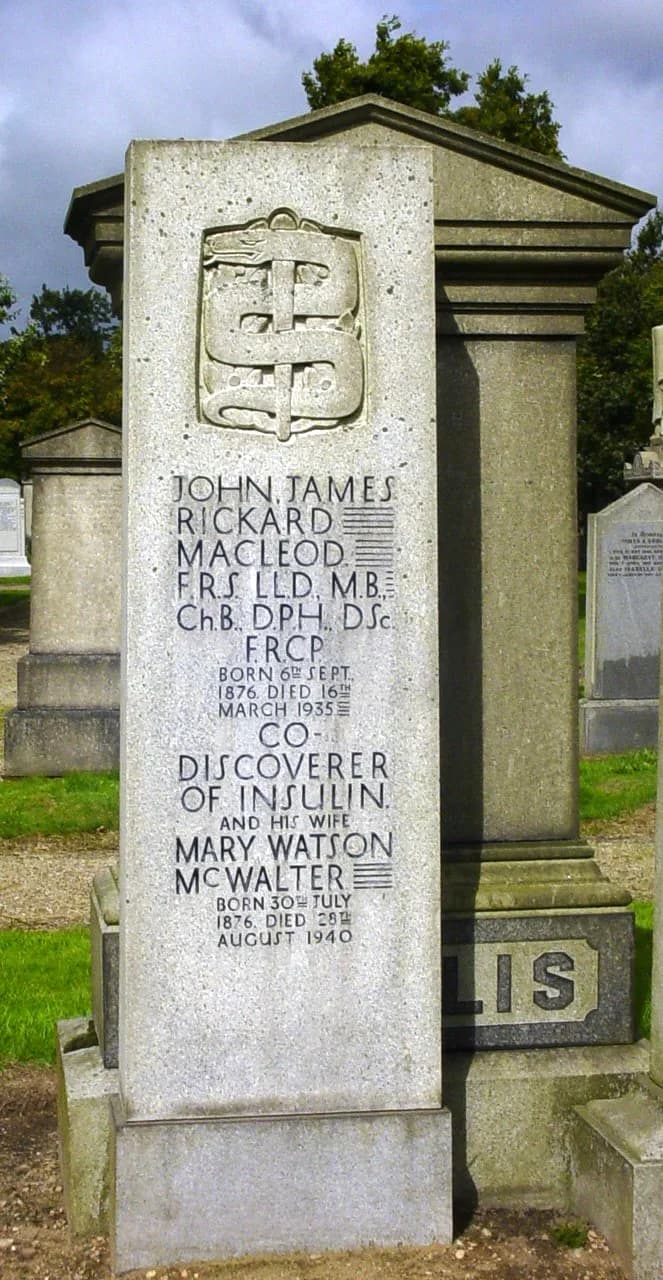
John James Rickard Macleod continued his scientific endeavors until his passing on March 16, 1935, in Aberdeen, United Kingdom. His death marked the end of a life rich in scientific exploration and significant medical advancement. He left behind a legacy that has profoundly impacted global health.
第8章· 全8章中第8章
Legacy and Impact
The legacy of John James Rickard Macleod is inextricably linked to the ongoing fight against diabetes. His contributions to the discovery of insulin transformed a previously fatal disease into a manageable condition, saving countless lives across generations. His work remains a powerful reminder of the enduring power of scientific collaboration and inquiry.
瞬間の中の人生
人生を形作った瞬間
FAQ
よくある質問
John James Rickard Macleodはいつ亡くなりましたか?
John James Rickard Macleodは1935年3月16日にAberdeen, United Kingdomで亡くなりました(享年58歳)。
John James Rickard Macleodはどこで生まれましたか?
John James Rickard Macleodは1876年9月6日にClunie, United Kingdomで生まれました。
John James Rickard Macleodは何で最もよく知られていますか?
John James Rickard MacleodはNobel prize-winning Scottish physician and physiologist; co-discoverer of insulinで最もよく知られています。
John James Rickard Macleodは何歳で亡くなりましたか?
John James Rickard Macleodは亡くなった時58歳でした。
John James Rickard Macleodの国籍はどこですか?
John James Rickard MacleodはUnited Kingdomの出身です。
年表
人生の概要
写真ギャラリー
写真の中の人生
ポラロイドをクリックして拡大 · 34枚の写真
QRコード
この経歴を共有
印刷して共有
スキャンしてこの経歴ページを訪問。イベント、展示会、教育資料に印刷してご利用ください。