誕生
November 23, 1316
Paris, France
永眠
November 28, 1316
Paris, France
知られていること
King of France in 1316
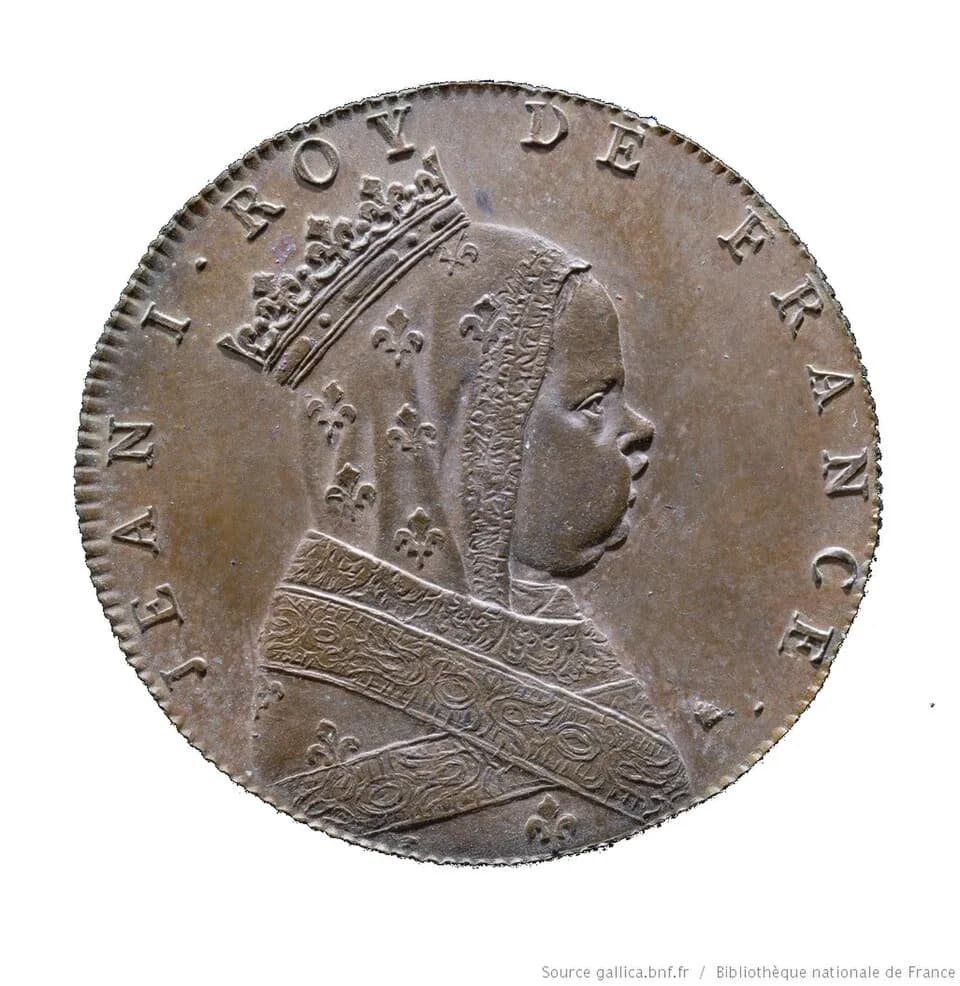
John I of France (1316–1316) was France best known for King of France in 1316.
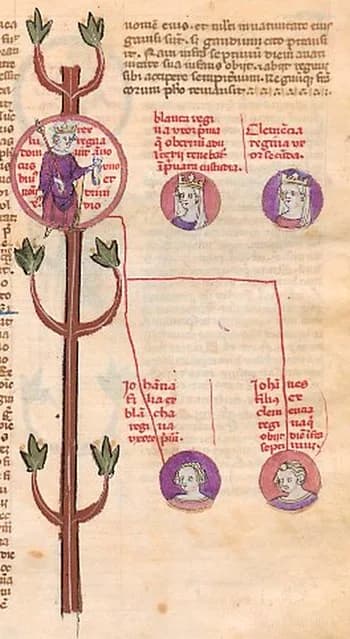
John I of France (November 23, 1316 – November 28, 1316) was a sovereign whose brief four-day reign irrevocably altered the French line of succession. Born posthumously, his death precipitated the re-affirmation of Salic law, excluding women from the throne. He is also known for the enduring legends surrounding his supposed survival.
瞬間の中の人生
人生を形作った瞬間
第0章
人生の章
第1章· 全3章中第1章
A Fleeting Reign, A Deep Mark
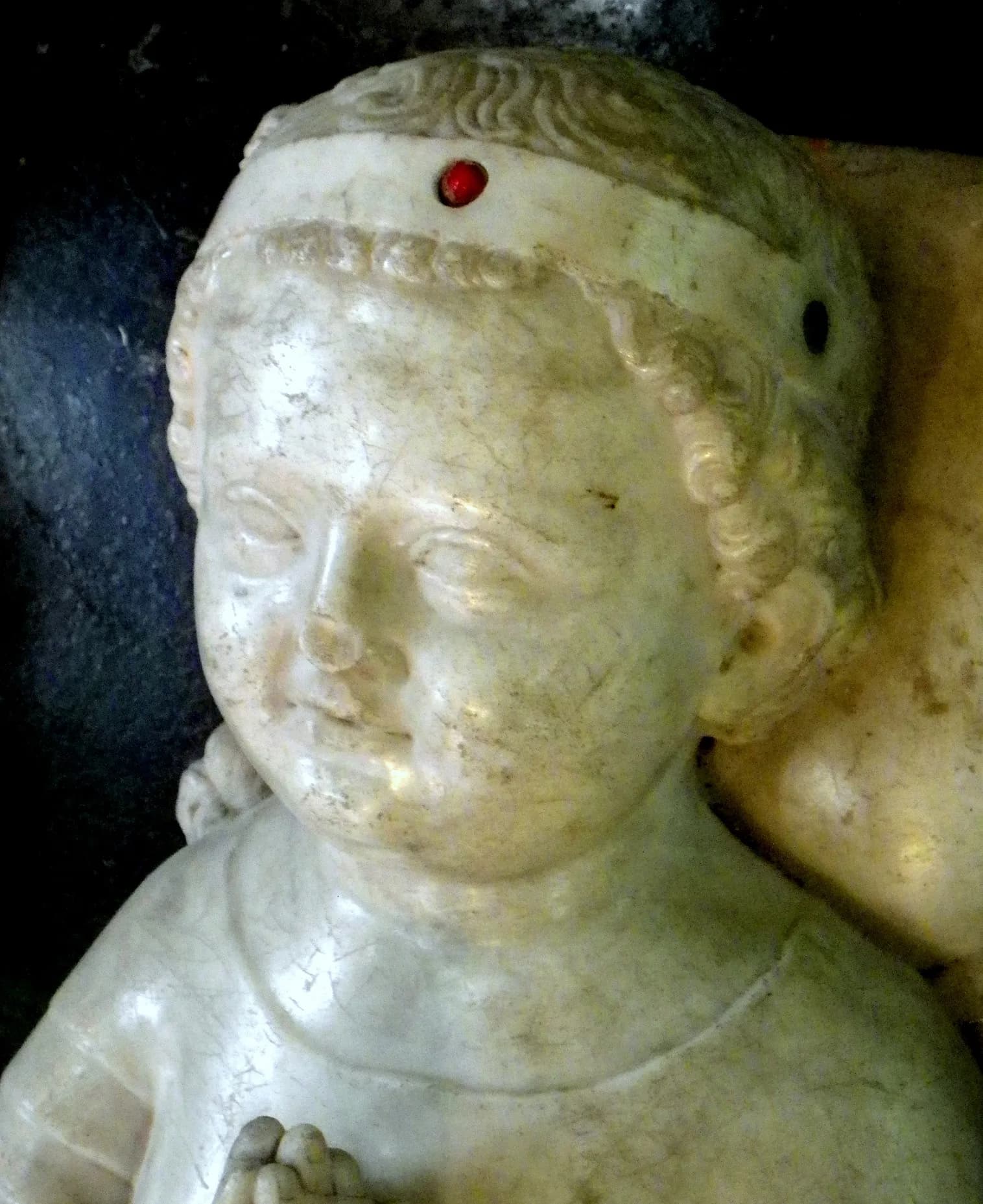
His arrival had been hailed as a solution to a brewing succession crisis, a direct male heir to continue the long Capetian line. But the hopes placed upon this tiny sovereign were tragically short-lived. His death, after a mere ninety-six hours, plunged the kingdom into an even deeper turmoil, ending three centuries of direct father-to-son succession to the French throne. Young John was laid to rest in the Basilica of Saint-Denis, a resting place for kings far longer-lived than he.
第2章· 全3章中第2章
The Succession Crisis and Salic Law
The sudden demise of King John I ignited immediate concerns about who would next rule France. His uncle, Philip, Count of Poitiers, who had served as regent during John’s short life, promptly ascended the throne as Philip V. This move bypassed John’s four-year-old half-sister, Joan, whose claim was effectively dismissed. The contentious legitimacy of Philip's claim ultimately led to the re-affirmation of Salic law, a medieval code that explicitly excluded women from inheriting the French throne. This decision reshaped the future of French royalty for centuries to come, all set in motion by the death of a baby king.
The infant mortality rate was tragically high in medieval Europe, yet whispers of foul play circulated instantly after John’s passing. Many had much to gain from his absence. Dark rumors, including one suggesting his aunt had murdered him with a pin, spread quickly. These suspicions were fueled by the strange circumstances of his father Louis X’s death just months prior. To this day, the true cause of John’s death remains a mystery, shrouded in medieval intrigue.
第3章 · 1356年· 全3章中第3章
The King Who Never Was: Legends and Lore
Despite his short life, John I cast a remarkably long shadow. Decades after his burial, a man named Giannino Baglioni emerged, claiming to be the lost king, John the Posthumous. This extraordinary tale captured imaginations across Europe during the captivity of John the Good, from 1356 to 1360. Baglioni asserted his royal birthright, even traveling to the Hungarian court where Louis I of Hungary, a nephew of Clementia, allegedly recognized him. Though Baglioni ultimately died in captivity, his claim highlights the persistent fascination with John’s fate.
The enduring power of this legend found a vivid platform in Maurice Druon’s acclaimed historical novel series, Les Rois maudits. Druon dramatically reimagined John’s story, presenting a scenario where the infant king was secretly switched with another child at birth. In this fictional account, the decoy infant is poisoned by Mahaut, Countess of Artois, to clear the path for Philip V. The true John, raised as Giannino Baglioni, becomes a central figure in later volumes, an echo of royal blood lingering in the shadows of history. Through such stories, the infant King John I lives on, a poignant symbol of a crown both gained and lost in the space of four short days.
FAQ
よくある質問
John I of Franceはいつ亡くなりましたか?
John I of Franceは1316年11月28日にParis, Franceで亡くなりました(享年0歳)。
John I of Franceはどこで生まれましたか?
John I of Franceは1316年11月23日にParis, Franceで生まれました。
John I of Franceは何で最もよく知られていますか?
John I of FranceはKing of France in 1316で最もよく知られています。
John I of Franceは何歳で亡くなりましたか?
John I of Franceは亡くなった時0歳でした。
John I of Franceの国籍はどこですか?
John I of FranceはFranceの出身です。
年表
人生の概要
写真ギャラリー
写真の中の人生
ポラロイドをクリックして拡大 · 25枚の写真
QRコード
この経歴を共有
印刷して共有
スキャンしてこの経歴ページを訪問。イベント、展示会、教育資料に印刷してご利用ください。