誕生
August 5, 1813
Ørsta Municipality, Norway
永眠
September 23, 1896
Christiania, Norway
知られていること
Norwegian linguist and poet, dubbed the father of Nynorsk
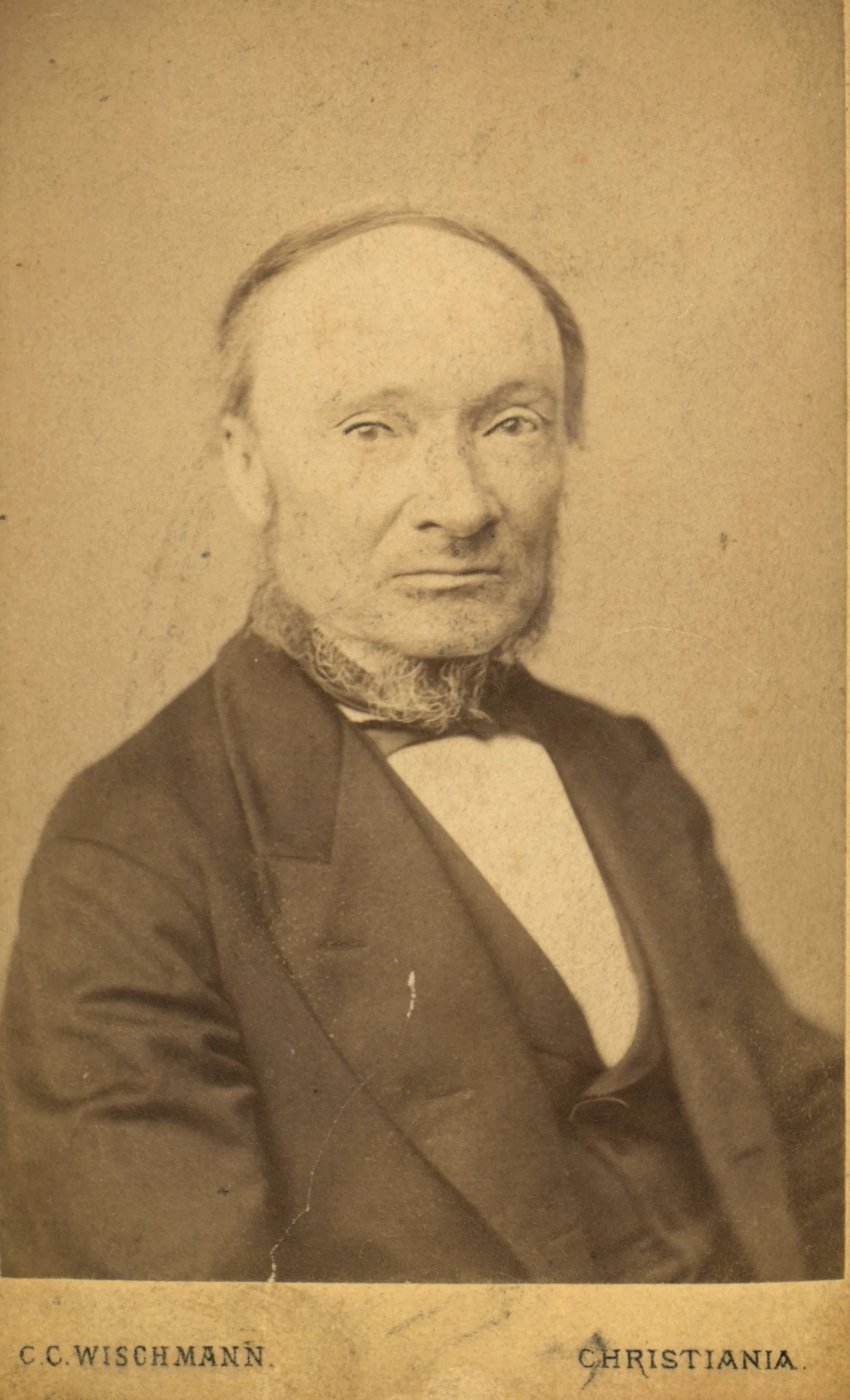
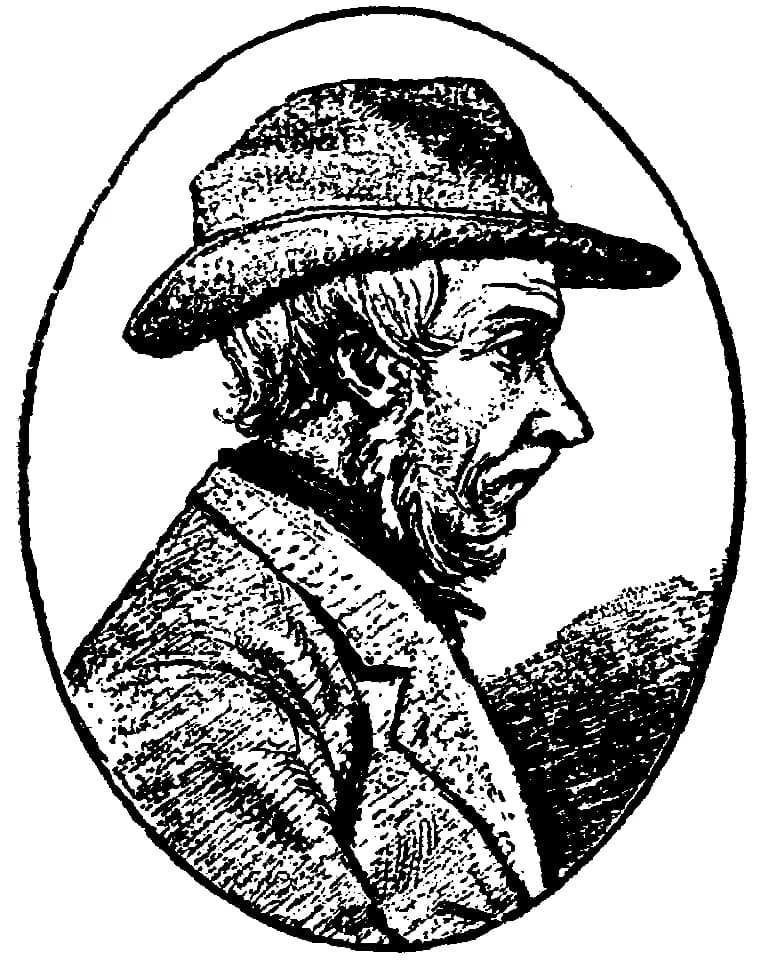
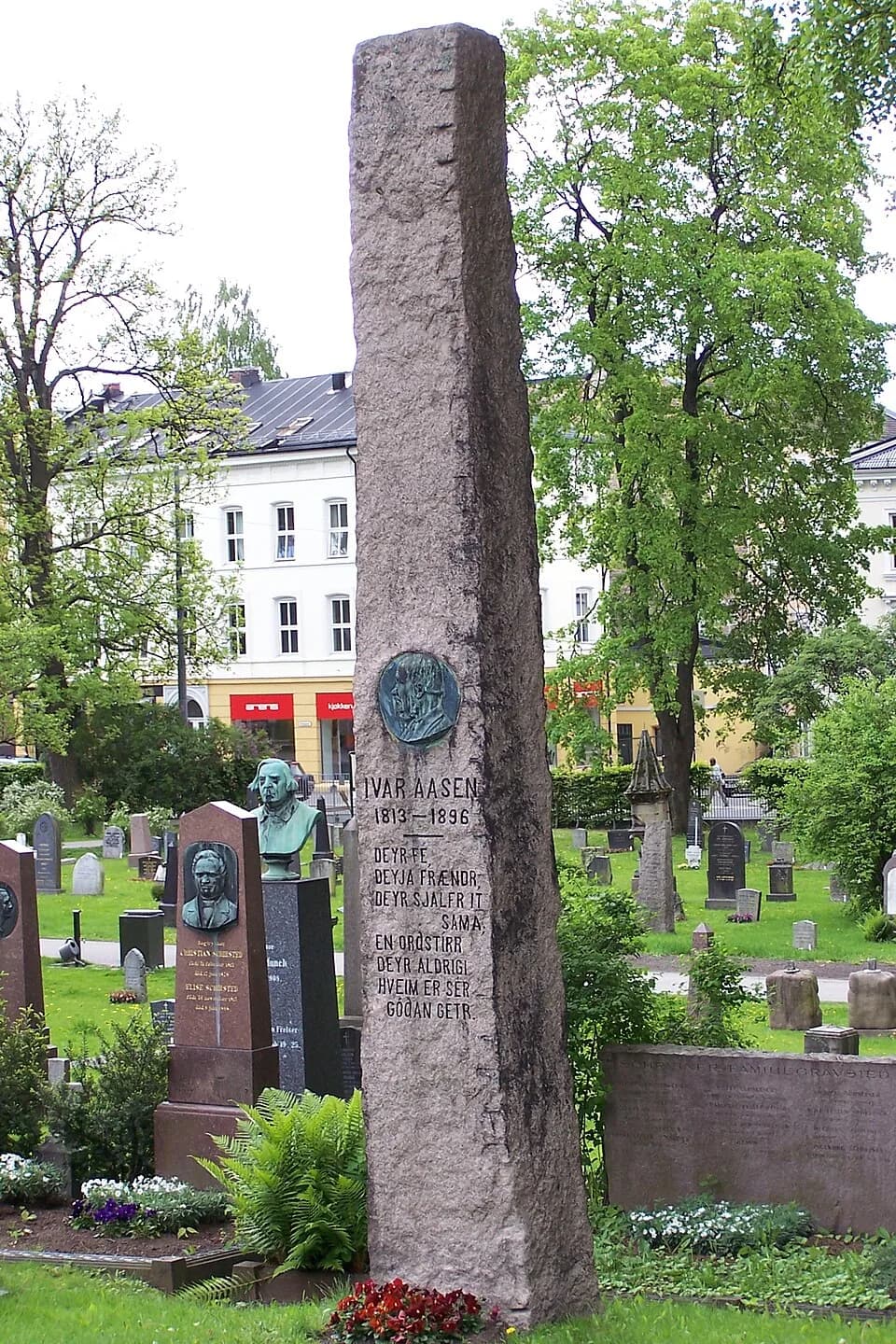
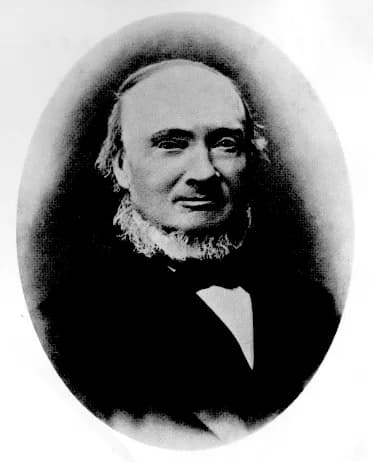
Ivar Andreas Aasen (1813–1896) was Norway best known for Norwegian linguist and poet, dubbed the father of Nynorsk.
Ivar Andreas Aasen (August 5, 1813 – September 23, 1896) was a Norwegian linguist and poet from Ørsta Municipality. He is best known for developing Nynorsk, one of Norway's two official written languages, by compiling various dialects. His work had a profound and lasting impact on Norwegian cultural identity.
第0章
人生の章
第1章 · 1813年· 全8章中第1章
Opening
Ivar Andreas Aasen (1813 – 1896) was a Norwegian linguist, poet, and philologist whose immense contributions shaped the identity of his nation. Born on August 5, 1813, in Ørsta Municipality, Norway, and passing away on September 23, 1896, in Christiania, Norway, Aasen is celebrated as the visionary "father of Nynorsk." His dedication to linguistic scholarship led him to assemble one of Norway's two official written languages, a monumental achievement that unified diverse regional dialects into a coherent national tongue. His work as a writer, poet, translator, botanist, lexicographer, and diarist laid foundational stones for Norwegian cultural and literary independence.
第2章 · 1813年· 全8章中第2章
Early Life and Origins
Ivar Andreas Aasen was born into a farming family in Ørsta Municipality, a rural area in western Norway, on August 5, 1813. His early life was characterized by a strong autodidactic drive, as he largely educated himself amidst the modest circumstances of his upbringing. Despite limited formal schooling, Aasen developed a keen intellect and a passion for learning, particularly languages and natural sciences. This self-driven pursuit of knowledge fostered the deep observational skills that would later be crucial to his linguistic research.
第3章· 全8章中第3章
Career Beginnings
Aasen's intellectual curiosity soon drew him towards the study of Norwegian dialects, recognizing their rich potential beyond their perceived informal status. His early career was significantly supported by a scholarship, allowing him to dedicate himself fully to his philological pursuits. He embarked on extensive travels across Norway, meticulously collecting and analyzing various spoken dialects directly from the people. This ethnographic approach was revolutionary, forming the empirical basis for his later standardization efforts.
第4章· 全8章中第4章
Major Achievements and Career Highlights
The crowning achievement of Ivar Andreas Aasen's career was the systematic development of Nynorsk, or "New Norwegian," which stands as one of Norway's two official written languages. Through painstaking research, he synthesized elements from numerous rural dialects to create a distinct written standard, thereby providing a linguistic alternative to Dano-Norwegian. This monumental work solidified his status as a national icon, celebrated for giving Norway a language rooted in its own diverse heritage. His efforts were not merely academic; they were a profound act of nation-building, offering a linguistic foundation for an independent Norwegian identity.
第5章· 全8章中第5章
Personal Life
While much of Ivar Andreas Aasen's life was dedicated to his scholarly work, he maintained a wide range of intellectual interests beyond linguistics. He was an avid botanist, exploring the natural world with the same meticulous eye he applied to language. Aasen also kept detailed diaries and engaged in translation work, showcasing his broad intellectual curiosity and disciplined approach to documentation. These personal pursuits highlight a man deeply engaged with knowledge across various disciplines.
第6章 · 1850年· 全8章中第6章
Notable Works or Contributions
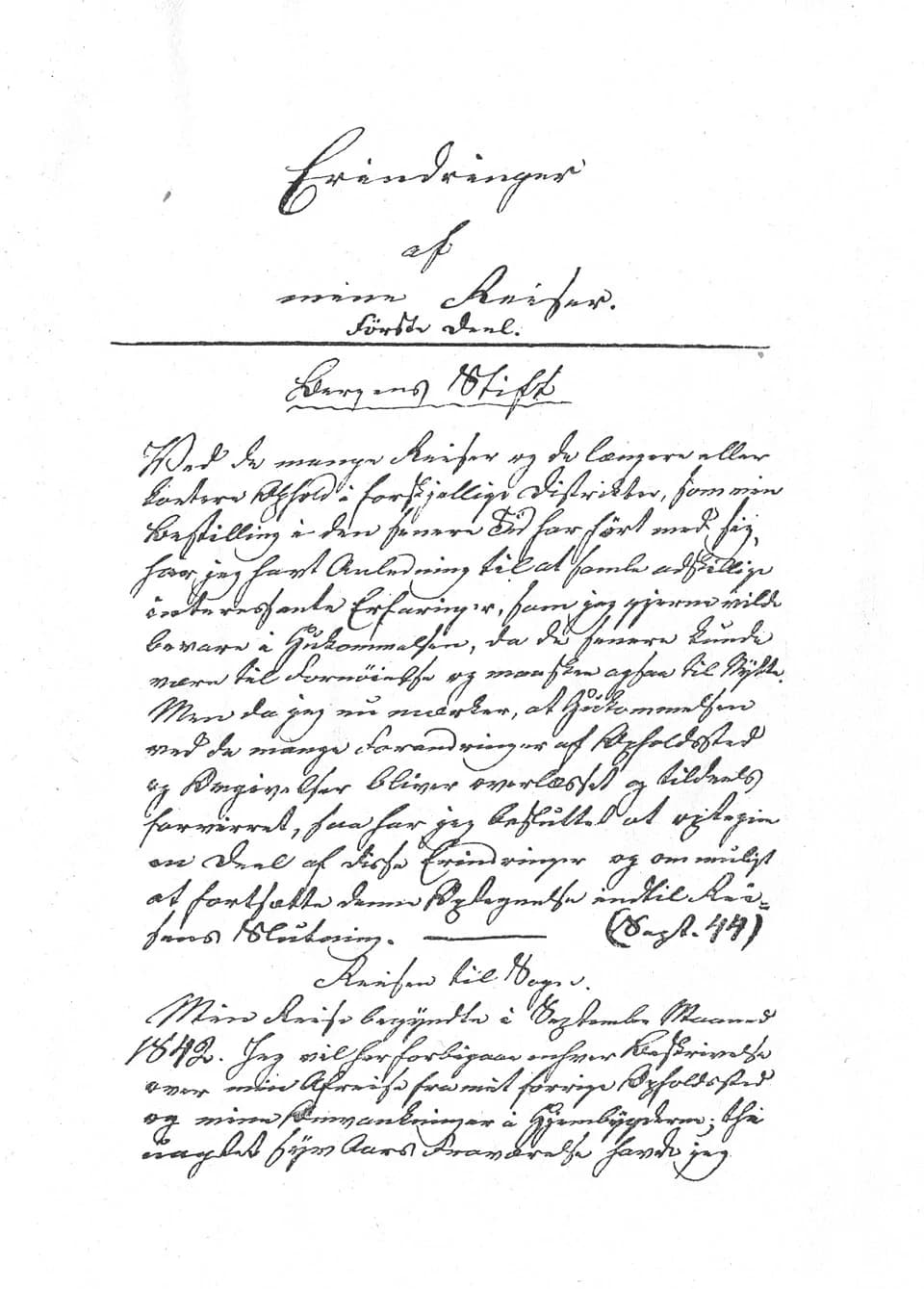
Ivar Andreas Aasen's literary and academic output was extensive and influential. His seminal lexicographical work, "Ordbog over det norske folkesprog" (Dictionary of the Norwegian Folk Language), published in 1850, was a cornerstone in the creation of Nynorsk. He also authored "Norsk ordbog : med dansk forklaring," another key dictionary which has been cited multiple times in academic contexts. Aasen's poetic talents shone through works like "Symra" and "Ervingen," which are still celebrated for their beauty and their role in establishing a distinct Norwegian literary voice. His compiled "Malsamlingar 1851-1854 av Ivar Aasen" further demonstrated his commitment to documenting and understanding the breadth of Norwegian dialects. Additionally, his "Brev og dagbøker" provide invaluable insights into his life and intellectual journey.
第7章 · 1896年· 全8章中第7章
Later Years
In his later years, Ivar Andreas Aasen continued to refine and advocate for Nynorsk, witnessing its growing acceptance and influence within Norwegian society. He lived to see his linguistic vision take root, profoundly impacting education, literature, and national identity. Despite the challenges and debates surrounding language standardization, Aasen remained steadfast in his conviction that a language derived from Norway's own dialects was essential for its cultural sovereignty. He passed away on September 23, 1896, in Christiania, having dedicated his life to a singular, transformative goal.
第8章· 全8章中第8章
Legacy and Impact
Ivar Andreas Aasen's legacy is immense and enduring, extending far beyond the academic sphere. He is universally recognized as the "father of Nynorsk," a language now spoken and written by millions. His meticulous philological research not only provided a linguistic system but also instilled a deep respect for Norway's regional dialects and cultural diversity. Aasen's work fundamentally reshaped Norwegian identity, offering a powerful symbol of national independence through language. His methodical approach to language creation continues to inspire linguistic scholarship and cultural preservation efforts worldwide.
瞬間の中の人生
人生を形作った瞬間
FAQ
よくある質問
Ivar Andreas Aasenはいつ亡くなりましたか?
Ivar Andreas Aasenは1896年9月23日にChristiania, Norwayで亡くなりました(享年83歳)。
Ivar Andreas Aasenはどこで生まれましたか?
Ivar Andreas Aasenは1813年8月5日にØrsta Municipality, Norwayで生まれました。
Ivar Andreas Aasenは何で最もよく知られていますか?
Ivar Andreas AasenはNorwegian linguist and poet, dubbed the father of Nynorskで最もよく知られています。
Ivar Andreas Aasenは何歳で亡くなりましたか?
Ivar Andreas Aasenは亡くなった時83歳でした。
Ivar Andreas Aasenの国籍はどこですか?
Ivar Andreas AasenはNorwayの出身です。
年表
人生の概要
写真ギャラリー
写真の中の人生
ポラロイドをクリックして拡大 · 50枚の写真
QRコード
この経歴を共有
印刷して共有
スキャンしてこの経歴ページを訪問。イベント、展示会、教育資料に印刷してご利用ください。