誕生
July 1, 1818
Tabán, Hungary
永眠
August 13, 1865
Oberdöbling, Austria
知られていること
Hungarian physician, early pioneer of antiseptic procedures
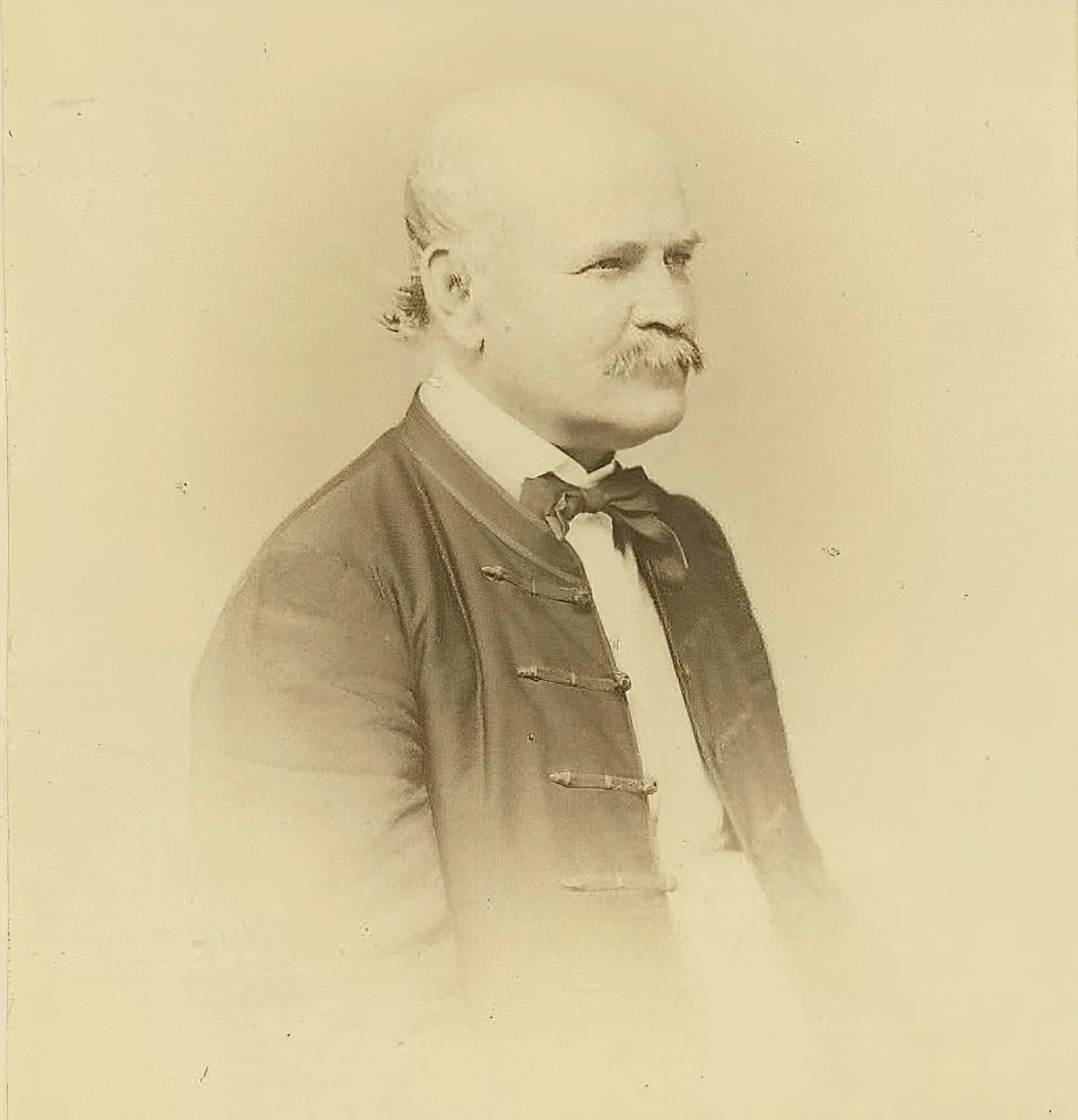
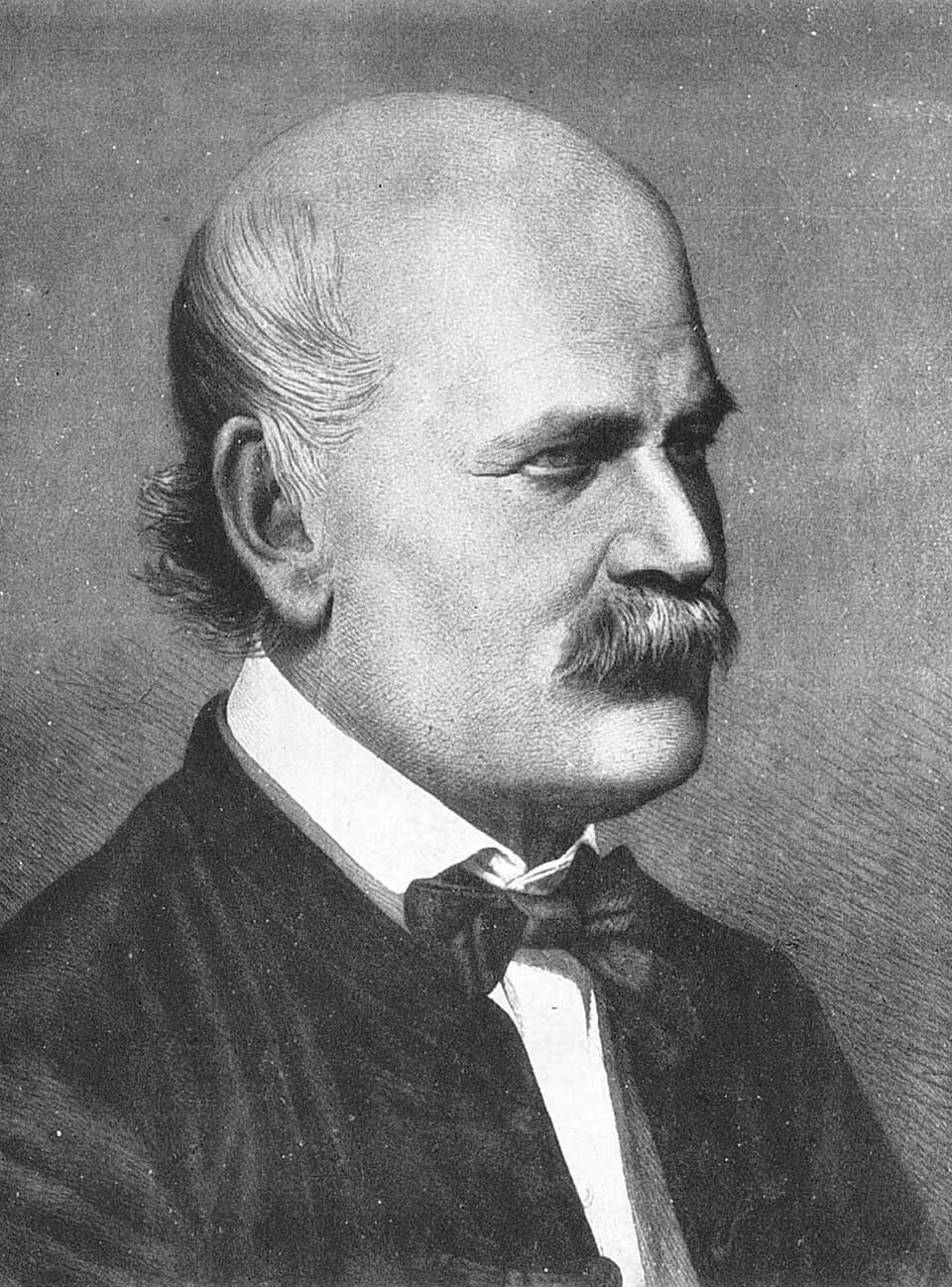
Ignaz Semmelweis (1818–1865) was Hungary best known for Hungarian physician, early pioneer of antiseptic procedures.
Ignaz Philipp Semmelweis (1818-1865) was a Hungarian physician and early pioneer of antiseptic procedures. He demonstrated that hand disinfection with chlorinated lime solutions could reduce maternal mortality from childbed fever from 18% to less than 2%. His work laid the foundation for modern infection control practices.
第0章
人生の章
第1章 · 1818年· 全7章中第1章
Early Life and Origins
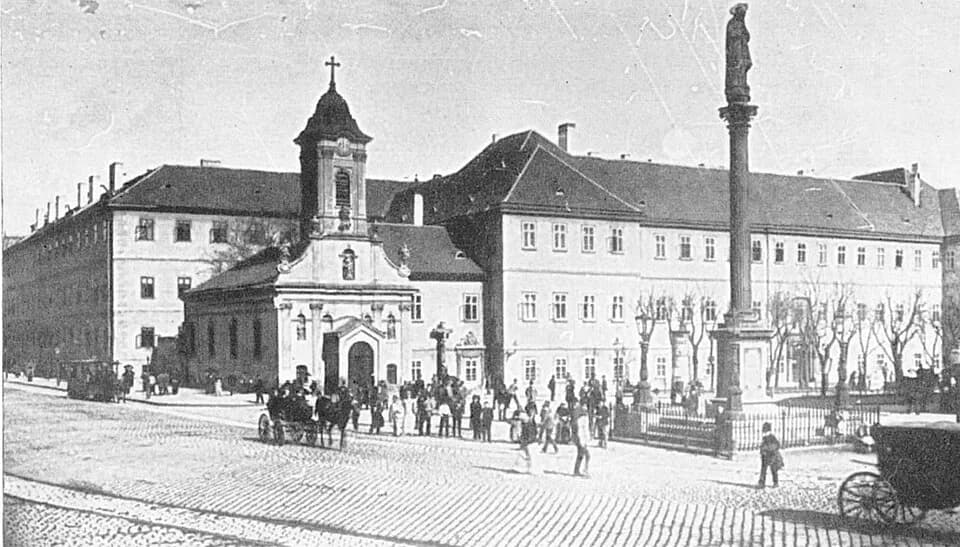
Ignaz Semmelweis was born on July 1, 1818, in Tabán, Hungary, during a time when medical knowledge about infection transmission remained limited. His Hungarian heritage and German descent positioned him within the diverse cultural landscape of the Austrian Empire. Growing up in Budapest's Tabán district, Semmelweis would later pursue medical education that prepared him for his eventual role as a physician and scientist.
第2章· 全7章中第2章
Career Beginnings
Semmelweis began his medical career during the mid-19th century when postpartum infection, known as puerperal fever or childbed fever, claimed the lives of numerous new mothers. His work at Vienna General Hospital exposed him to the harsh realities of obstetrical care, where bacterial infections of the reproductive tract following birth were common and often fatal. The young physician observed stark differences in mortality rates between different hospital wards, setting the stage for his future discoveries.
第3章 · 1847年· 全7章中第3章
Major Achievements and Revolutionary Discovery
In 1847, Semmelweis made his most significant contribution to medical science while working at Vienna General Hospital's First Obstetrical Clinic. He noticed that the doctors' wards experienced mortality rates three times higher than the midwives' wards, leading him to investigate potential causes. Through careful observation and analysis, Semmelweis proposed that healthcare workers disinfect their hands with chlorinated lime solutions before treating patients.
The results of implementing hand washing procedures were extraordinary. The maternal mortality rate at Vienna General Hospital dropped dramatically from 18% to less than 2%, providing clear evidence that proper hygiene could prevent deadly infections. This discovery represented one of the first scientifically documented demonstrations of antiseptic procedures in medical practice.
第4章 · 1861年· 全7章中第4章
Notable Works and Publications
Semmelweis documented his findings and methods in his 1861 publication "Etiology, Concept and Prophylaxis of Childbed Fever." This book presented his research on puerperal fever prevention and the effectiveness of hand disinfection in reducing maternal mortality. The work served as an early scientific treatise on infection control, though it initially met with resistance from the established medical community of his time.
第5章· 全7章中第5章
Professional Roles and Teaching
Beyond his primary focus on obstetrics and gynecology, Semmelweis worked as a university teacher, sharing his knowledge with the next generation of medical professionals. His diverse interests extended to botany, demonstrating the breadth of his scientific curiosity. As a hygienist, he advocated for cleanliness standards that were ahead of his time, often facing skepticism from colleagues who had not yet accepted the connection between sanitation and disease prevention.
第6章 · 1865年· 全7章中第6章
Later Years and Final Days
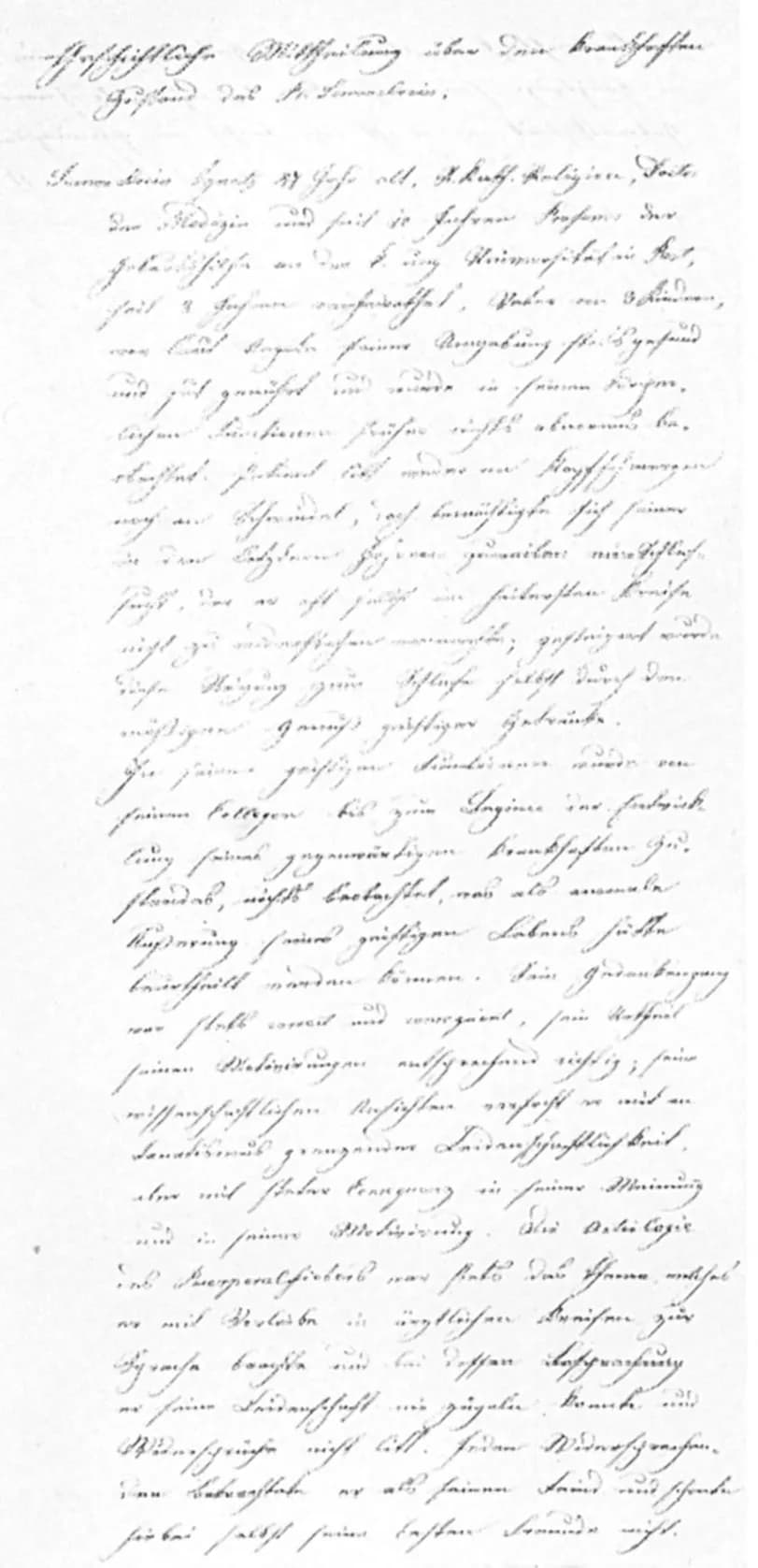
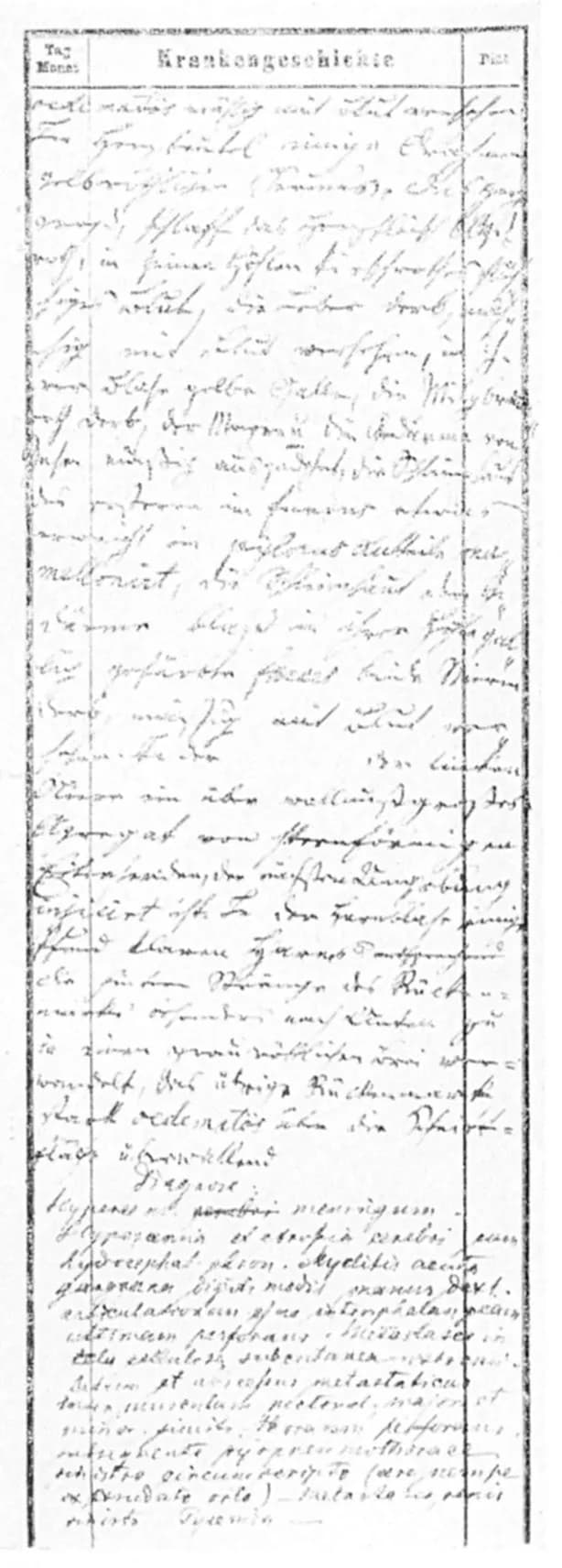
Despite the clear evidence supporting his methods, Semmelweis faced considerable opposition from the medical establishment throughout his career. The stress of professional rejection and his passionate advocacy for antiseptic procedures took a toll on his mental health in his later years. Ignaz Semmelweis died on August 13, 1865, in Oberdöbling, Austria, at the age of 47, before his contributions gained widespread acceptance in the medical community.
第7章 · 1847年· 全7章中第7章
Legacy and Lasting Impact
Semmelweis's work predated and contributed to the development of germ theory, influencing later pioneers like Louis Pasteur and Joseph Lister. His emphasis on hand hygiene became a cornerstone of modern medical practice, particularly in surgical and obstetrical settings. Today, healthcare facilities worldwide implement hand sanitization protocols that trace their origins to Semmelweis's 1847 innovations at Vienna General Hospital.
The term "Semmelweis effect" now describes the tendency to reject new evidence that contradicts established beliefs, honoring his experience with medical establishment resistance. His life's work continues to save mothers and babies globally, making him one of the most important figures in the history of preventive medicine and public health.
瞬間の中の人生
人生を形作った瞬間


FAQ
よくある質問
Ignaz Semmelweisはいつ亡くなりましたか?
Ignaz Semmelweisは1865年8月13日にOberdöbling, Austriaで亡くなりました(享年47歳)。
Ignaz Semmelweisはどこで生まれましたか?
Ignaz Semmelweisは1818年7月1日にTabán, Hungaryで生まれました。
Ignaz Semmelweisは何で最もよく知られていますか?
Ignaz SemmelweisはHungarian physician, early pioneer of antiseptic proceduresで最もよく知られています。
Ignaz Semmelweisは何歳で亡くなりましたか?
Ignaz Semmelweisは亡くなった時47歳でした。
Ignaz Semmelweisの国籍はどこですか?
Ignaz SemmelweisはHungaryの出身です。
写真ギャラリー
写真の中の人生
ポラロイドをクリックして拡大 · 42枚の写真
QRコード
この経歴を共有
印刷して共有
スキャンしてこの経歴ページを訪問。イベント、展示会、教育資料に印刷してご利用ください。